
Dental Implants
A Basic Guide to Replacing Your Tooth
A Basic Guide to Replacing Your Tooth
Dental implants are an effective treatment for cracked or broken teeth. It is a great option for people who have damaged a tooth due to sudden accidents or who have lost teeth due to decay and disease. Here’s everything you need to know if you are in need of a replacement tooth or teeth.
What are Dental Implants?

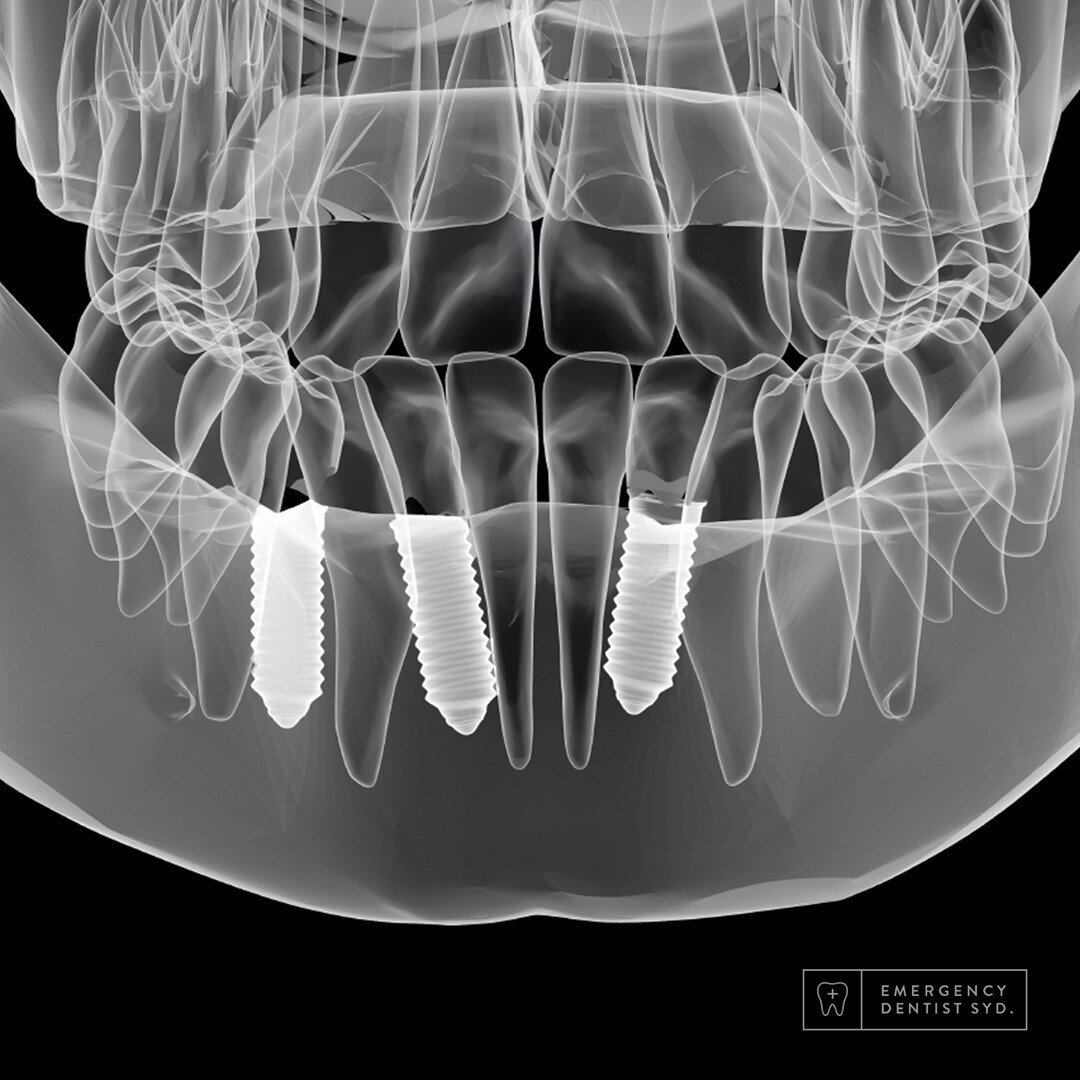
Dental implants are a permanent solution for badly damaged teeth. If you decide to get them or if your dentist suggests this treatment, the first step is to remove your broken teeth roots and replace them with metal posts. They are artificial roots made with strong and long-lasting materials. This procedure is the same whether you’re getting one tooth replaced or all of them. These metal posts can be cylindrical or can be a screw. Once your mouth has healed around these new structures, your dentist can attach brand new teeth to the metal foundation. Dental implants require several treatments, but once they’re in, they feel and look just like normal teeth.
What are the Advantages of Dental Implants?
The main advantage of dental implants is that it creates the most natural as well as durable solution to your missing tooth. They are designed to look like your original teeth. Dental implants also replace loose dentures and partial plates that look fake, fall out, and can be painful to wear. They’re extremely sturdy, and although they can decay if you don’t take care of them, they’re stronger than natural teeth. Getting dental implants will not only improve the look and feel of your mouth, it will also improve your ability to eat because when you have broken teeth, it is difficult to eat and your diet becomes restricted. The end result of dental implant procedures will make it feel like your natural teeth.
The Importance of Avoiding Bone Loss
When you have missing teeth, the bone around the removed tooth root gets partially absorbed into your body. This causes the jaw bone to become thin and weak, causing various problems for your oral health and for your appearance. If you have bone loss, you may need to build up the bone again with a bone grafting procedure and then be able to have dental implants. Your teeth may also become crooked and uneven, because the bone beneath them is uneven. And in the worst cases, the lower third of the face can actually collapse inwards because there isn’t enough bone to support it anymore.
Dental implants can help you avoid this problem as they will protect and strengthen your jaw bone. The screw that is placed into the bone protects the bone from being absorbed by the body. The screw also integrates into the bone, strengthening it and protecting it from future damage.
Single Tooth Implant

A single tooth implant replaces a single missing tooth as well as its root. This is a good procedure to have if you’re missing a single tooth and want to avoid having a gap in your smile, or repair your bite. It has several advantages over other replacement options such as a bridge, which damages the health of your surrounding teeth because they need to be ground down to fit with the new dental work.
Multiple Teeth Implants

Multiple teeth implants are for replacing several missing teeth and their roots. Other replacement options require support from adjacent teeth, which can cause wear and damage and even result in the support teeth themselves becoming loose. But multiple teeth implants don’t require any support, they look and function just like real teeth.
Full Mouth Implants

Full mouth implants are best if you need all of your teeth replaced because of decay or damage. With this procedure, all of your remaining teeth and their roots are removed before the screws are placed into your jaw. While they heal, temporary teeth can be worn. Once your mouth has healed, new teeth are fixed into place using small metal bars. Once the teeth are in place, you can’t see any of the metal work, and you can show off your great new smile.
Emergency Dentist Sydney Says:
If your teeth are cracked or broken, call us immediately and book an appointment. We are here to help you find the best treatment for your damaged teeth.

Traditional Vs. Laser Root Canal Treatment
Why It's Better to Go High Tech
Why It's Better to Go High Tech
You may have heard of laser root canals and you may be a little scared but fear not, there is nothing strange or scary about laser treatments at all. In fact, using lasers in dentistry make treatments faster, more effective and a lot less uncomfortable. Have a read below for the advantages a laser root canal can offer over a traditional root canal procedure.
Why Would I need a Root Canal Anyway?
There are several reasons that your dentist might suggest a root canal. A tooth that has deep decay, has cracks or chips that have resulted in damage to the pulp of the tooth itself, or it may have suffered as a result of repeated dental procedures but is not totally beyond repair. The idea behind root canal treatment is to alleviate the pain associated with pulp damage and give the tooth a chance to heal before it is restored with a filling or a crown at a later date.
Laser Vs. Traditional
A traditional root canal makes use of a drill to create a tiny opening in the tooth to be treated. The inflamed/damaged pulp is then removed and the root within the tooth is cleansed and disinfected before the little hole is filled back up again with a rubber like solution.
A laser root canal follows basically the same procedure, but making use of a laser, instead of a drill, really does make a difference. The laser can 'boil away' the damaged tissue with far greater accuracy and the tooth is left considerably cleaner. There is also often less bleeding involved - a plus for anyone because no one really likes to see blood, especially if it's their own - and some patients who have had a root canal in the past they can compare the laser procedure to have reported that the pain and discomfort they experienced immediately after their dental surgery was noticeably less.
But are Lasers Really Safe?
Some people are a little afraid that an oral surgeon could slip up and the dental laser will cut their tooth. Lasers can indeed cut, but any dentist performing a laser root canal has been extensively trained in the procedure and is as skilled with their laser as they are with their drill.
Emergency Dentist Sydney Says:
We are happy to explain everything at great length and together make a decision on which treatment is best for you. Whether you prefer a laser or traditional root canal, we will provide you with the best possible experience.
Need Advice Or Emergency Dental Care In Sydney CBD?
Contact our friendly team


What Does a Dental Emergency Look Like?
Tooth Pain
Tooth Pain
Pain generally is a sensation, usually protective, that gives the body a warning sign, showing that something is wrong. It could be mild and bearable and sometimes extreme and highly unbearable. For tooth pain, it has been recorded to be the second most painful sensation in the human body. Due to its gradual progression, many people decide to overlook it and don't seem it fit to handle it as an emergency case not until it graduates to being unbearable. It is at this time that they start finding it difficult to sleep at night, the pain wakes them up and causes gross discomfort for them. Then, they decide to consult their dentist.
Symptoms of Tooth Pain
The signs that show that you have tooth pain and not just any other kind of pain are:
Sensitivity to hot or cold food and liquid
Sensitivity to hot or cold foods after dental treatment
Sharp pain when biting down on food
Lingering pain after eating hot or cold foods and liquids
Dull ache and pressure in the upper teeth and sinus area of one or both sides
Acute pain from an area, but difficult to pinpoint the pain location
Causes of Tooth Pain
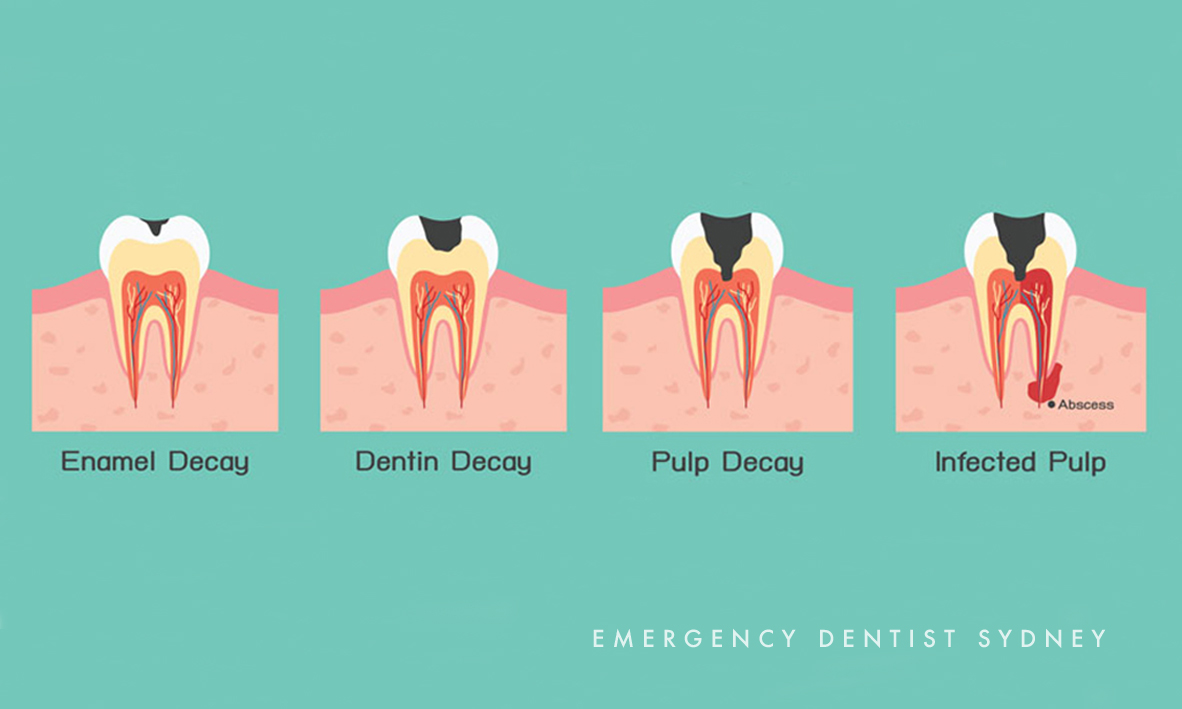
Tooth pain usually result from pain in the tooth or jaws. They can be divided into Dental and Non-Dental causes:
1. Dental Causes
Tooth Damage: It is very common for tooth damage to cause tooth pain. A broken or chipped tooth due to trauma can cause pain to the tooth. A damaged filling, crown or dental implant can also trigger tooth pain. Your dentist will fix this problem with a new crown or filling.
Tooth Decay: This is another common cause of tooth pain with several degrees of seriousness. A cavity can eventually occur in your tooth if you leave your tooth decay untreated. These cavities can grow larger and can be very painful particularly when it gets to the nerve ending. Abscesses happen when the infection reaches the nerve and pulp inside the tooth. Your dentist will usually drain the site to get rid of the pus and give you painkillers and antibiotics to combat the infection.
Gum Disease: Gingivitis left untreated results in periodontitis, also known as gum disease. This is usually associated with redness or swelling of the gum which can be due to plaque accumulation in the area. Tooth pain as well as gum pain are symptoms of gum disease. If you are at the gingivitis stage, your dentist will clean your teeth and gums to remove the plaque buildup. If the gingivitis has led to periodontitis, a root canal treatment may be required.
2. Non-Dental Causes
Sinus Pain Infection: Sinus infection usually causes pain in the tooth, particularly the upper back corners of the mouth. If sinus infections are a regular thing for you, you may have notices a pain in your teeth located near the sinus cavities. Decongestants or other sinus relieving medications may be able to help you, just ask your doctor for advice on these medications.
Heart Attack: Pain from a heart attack can radiate into the lower jaw.
Diabetes: Uncontrolled blood sugar increases your risk for tooth decay which will lead to tooth pain.
Drug Abuse: Abnormal use of some drugs such as Methamphetamine can cause tooth pain.
Vitamin Deficiency: Low level of Vitamin B12 in the body usually causes tooth pain.
Treatment of Tooth Pain
Practising good oral hygiene is always the number one prevention method.
If your tooth pain is unbearable and it is associated with a fever or any other pain, don't delay your visit to the dentist. Do not self-medicate so as not to complicate issues for yourself.
Emergency Dentist Sydney Says:
Tooth pain should be considered an emergency situation and the need to visit a dentist as quickly as possible should not be delayed. Our dentists will help you with a treatment so you walk out pain free.

What Does a Dental Emergency Look Like?
Tooth Breaks
Tooth Breaks
Many times you find out while you’re brushing your teeth or while trying to bite an hard object that your tooth is broken. This, most times causes you to panic and sometimes shy to open your mouth. The panic is understandable but not justifiable because there is always a solution as soon as you call the right Dentist to handle it.
There are different types of breaks to the teeth. It could break from the gum, half the tooth, varying forms of fracture, teeth becoming loose and others too. All this have a solution, so there is no particular need to panic.
Why People Get Broken Teeth
People still get their teeth broken, even though, it has the covering of the hardest substance in the body. The reasons are not far-fetched:
Playing games without the proper mouth guard
Chewing of hard objects
Traumatic fall
Blow
Eating hard candies and acidic foods
Types of Tooth Breaks
There are different types of tooth breaks and most of them require emergency care. They are grouped into the following categories:
Minor Cracks: These are also known as “Craze lines”. They are cracks that only affect the outermost layer of the tooth called the enamel. This type of crack does not usually result in a panic because it doesn't cause pain initially. If left untreated though, it might get deeper, particularly if it's not carefully managed.
Cracked Tooth: This type of fracture involves the complete splitting or breakage of the tooth while the tooth is still in position. The tooth cracks from the enamel, through the dentine, even to the pulp cavity. This type of crack can be very painful because it involves the nerves and so it requires an emergency care.
Broken Cusps: This type of breakage only affects the chewing portion of the tooth and it does not usually break up to the pulp cavity. It can be painless but if not quickly attended to can extend to being abnormally painful.
Serious Breaks: This type usually exposes the nerve and sometimes get it damaged. This breakage usually comes with a large bout of pain and it should be treated as an emergency condition.
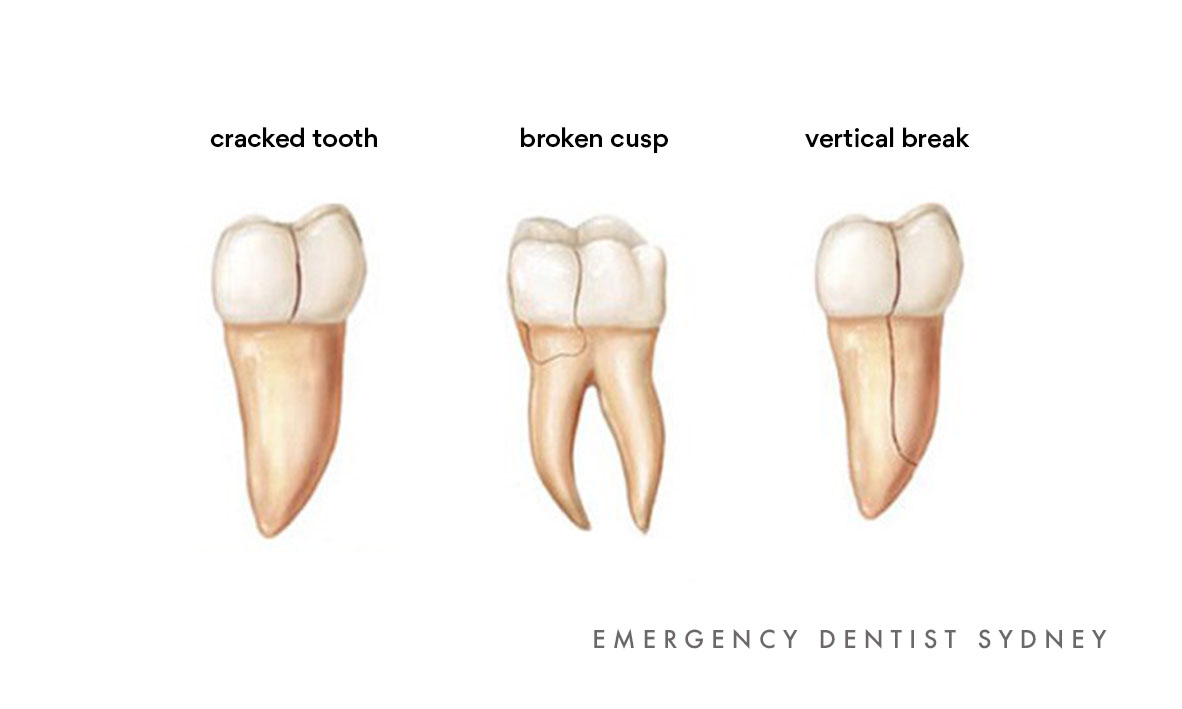
Vertical Breaks: This is also known as “Split Root”. It is the splitting of the tooth from the root to the enamel. This condition is also very painful and it is associated with inflammation of the gum and also nerve damage.
Decay-Induced Breaks: This condition usually occurs as a result of wearing the tooth by a cavity from inside out. This causes the tooth to break and it is very important to treat it as an emergency situation especially if the decay has extended to the bone.
Can Breaks Be Treated?
Yes, they certainly can, there are different methods of treating breaks depending on the level of severity and the kind of break it is. Some of the modes of treatment are:
Dental Bonding
Use of Veneers
Use of Crowns
Root canal treatment
Dental Implant
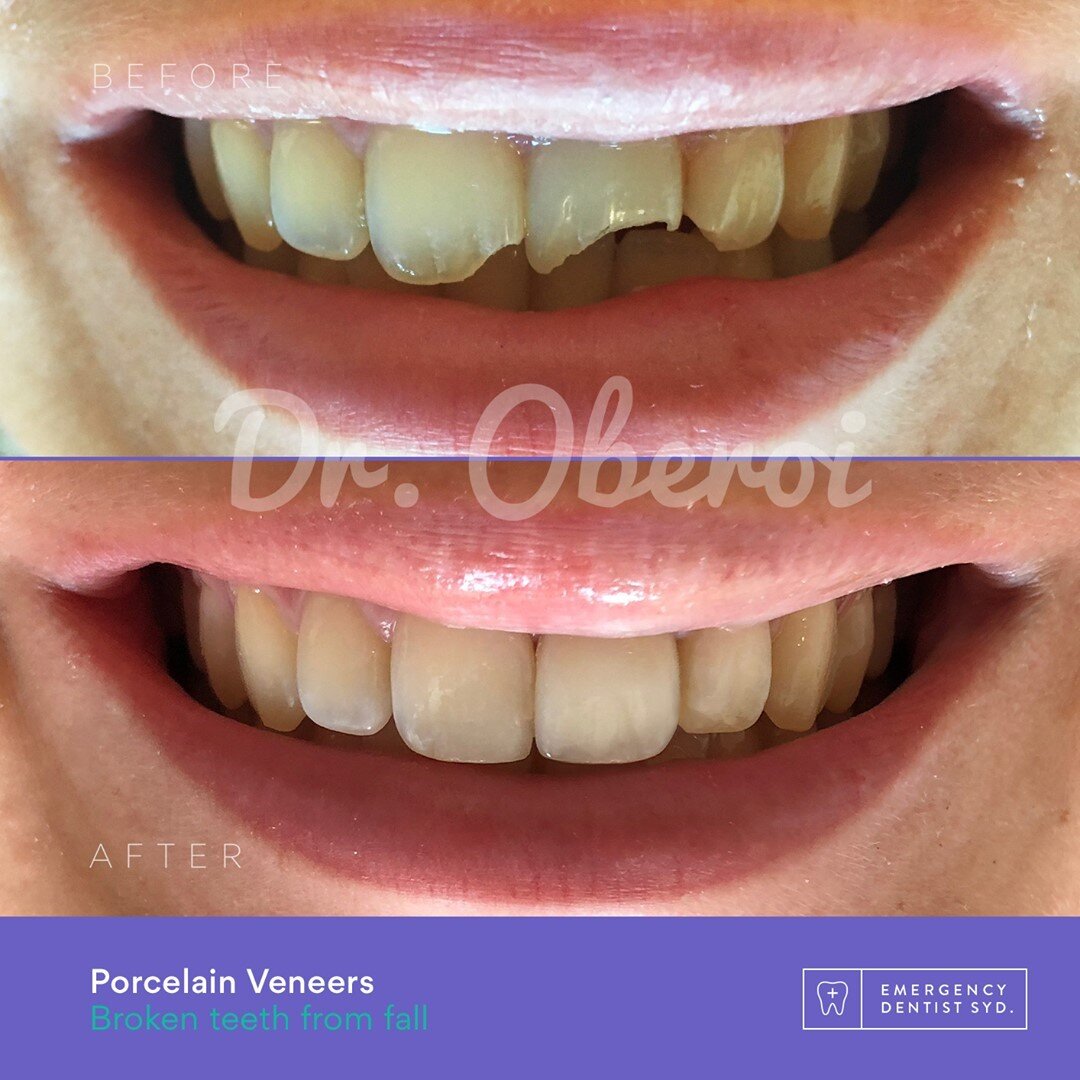
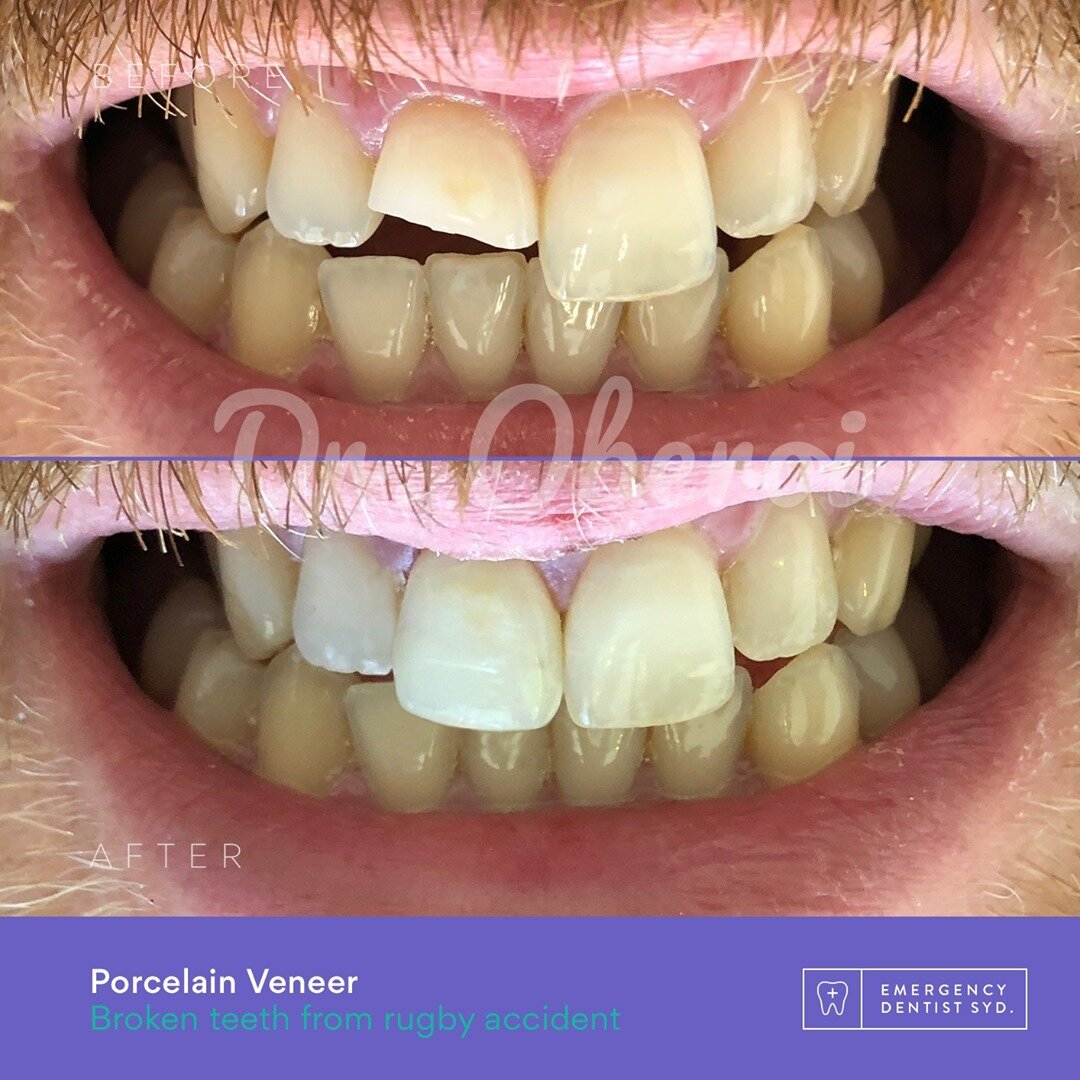
Below is an example of the use of porcelain veneers and bonding to reconstruct the broken teeth of a patient who fell down face first.
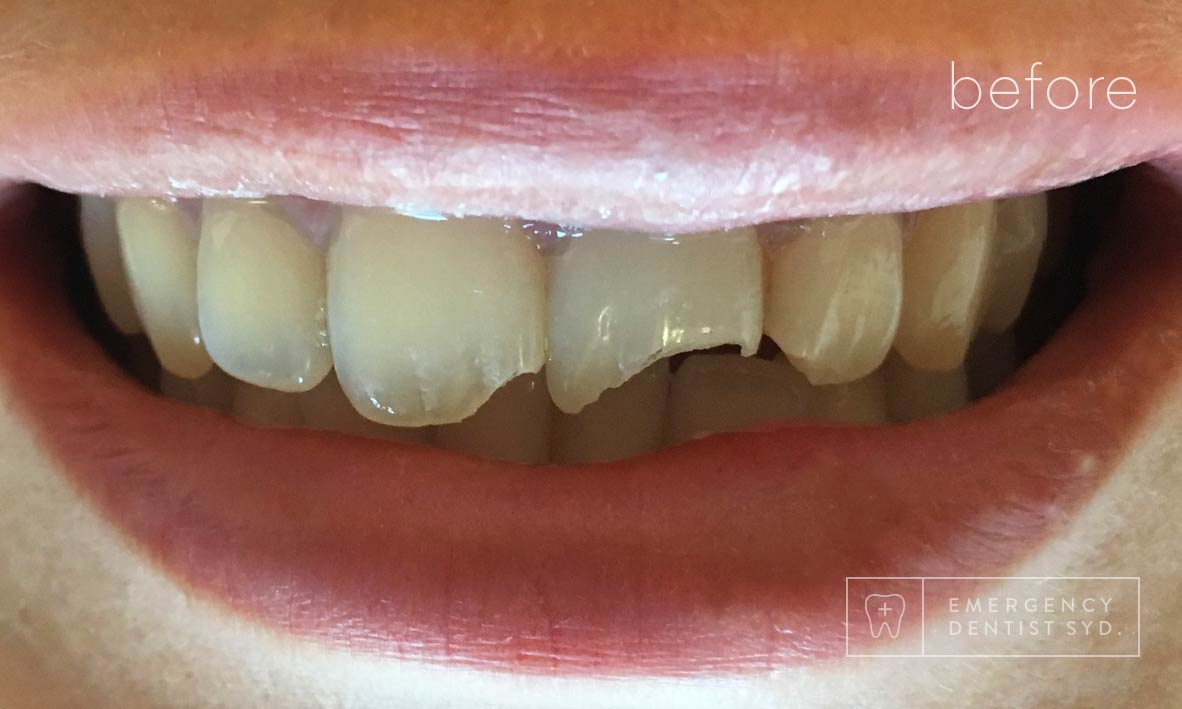
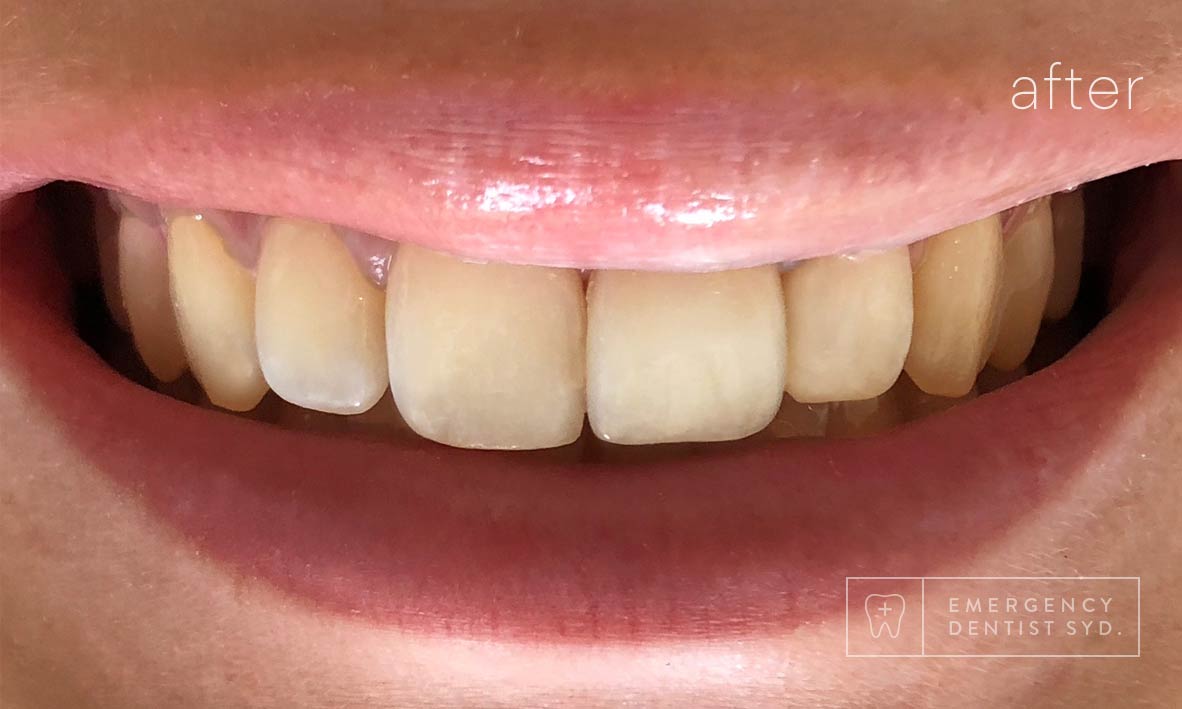
Check out our Smile Gallery for more examples of how we treat breaks.
Emergency Dentist Sydney Says:
In case you have any break of any kind, think no further, put a call through to Emergency Dentist Sydney and the solution will be right at your doorstep. The team is always at your call and beckon. They have recorded countless success stories of re-branded and remodeled broken teeth. Put a call through today and enjoy the best.

Sci-Fi Nano Tech Becomes Real
The Challenge of Oral Surgery
The Challenge of Oral Surgery
Over the years, patients who have issues with their dentition that particularly requires surgery have been on the rise, yet, people no longer want to get their oral cavity operated. This is not particularly their fault as the operation of the oral cavity can be quite challenging and painful.
In the recent record by American Association of Orthodontists, it has been recorded that over 5 million people come to visit the Orthodontist each year in the U.S. They all come with varying degrees of abnormal tooth arrangement. Most of them end up requiring surgery before getting to fix them up with braces. Surgeries are performed in order to cut the collagen fibres under the gum, so as to be able to enable the quick and easy alignment of the tooth when the braces are fixed on them. Many people however shy away from this procedure and decide to remain in their state because of the painful process involved.
The Solution
As the quest to seek for a solution to reduce the pain and discomfort became paramount, scientists have evolved in getting drugs delivered to a particular location using the knowledge of nanotechnology. Liposomes, which are empty nanoscale vesicles can now be used to target therapeutics to specific locations. Collagenase enzymes have been found out to be capable of remodelling the fibres connecting tooth to bone and so transporting this enzyme to the targeted tooth with the aid of the Liposomes helps to reduce the stress of having to use a scalpel.
This procedure, however, have been found out to be very challenging because it’s very difficult to deliver the enzyme, using the Liposomes. In a bid to resolve this, Avi Schroeder and his colleagues have been able to develop a specialised nanotechnology, capable to delivering the work precisely with less discomfort. They have been able to develop liposomal nanoparticles containing Collagenase. They performed the experiment on rats and the result indicated that it was far better than the other earlier methods used. The calcium naturally found in the mouth activated the Collagenase as they diffused out of the particle and this weakened the collagen fibres and thus made it easier to shift the tooth while using braces.
Also, from their result, they observed that the rats they performed this experiment on recovered faster by getting bigger, earlier than the other rats. This indicated that they had lesser discomfort and they were less pained. This is really a breakthrough to the body of science, to orthodontists and a good news to patients requiring the services of an orthodontists.
We Have the Solution!
We are happy to announce to you that Emergency Dentist Sydney has been able to speedily adapt to the use of this method in carrying out surgeries. We successfully operate countless dental cases each year and having this technology at hand now helps us to operate faster and most especially gives our customers more comfort and less pain. As customer satisfaction is our main aim, we carefully mastered the art of the right application of this technology and are actively using already.
Emergency Dentist Sydney Says:
You have no reason to panic anymore, book an appointment and enjoy the best!

Emergency Repair to Fixtures
Should Only Pain Be Treated as an Emergency Situation?
Should Only Pain Be Treated as an Emergency Situation?
Pain, as it is obviously known is a major concern to everyone as it is very disturbing and highly discomforting. Tooth pain, however, has been considered over time to be a very serious issue simply because it has been rated one of the worst pains anyone can ever have. Tooth pain, however, is not the only dental condition that should be treated as an emergency. It is not until you are experiencing some form of pain that you should remember your dentist, it is important to note that there are still some conditions that would require the prompt intervention of the dentist, else, a lot of things might get ignorantly damaged.
Other Conditions to Be Treated as an Emergency
Apart from the emergency that comes with pains, aches or cracks. Some conditions should not also be handled with levity, especially the ones involving minor and easily overlooked conditions coming from tooth treatment. Conditions like this should not be underestimated so as to avoid unnecessary prolongation of treatment. Also, it isn’t a crime to look beautiful and dentists can make that happen, so, do not relegate yourself as a second-class citizen simply because you do not want to see a dentist. Some of these conditions listed should be treated as emergency cases and promptly resolved:
· Broken Denture
Dentures are metal frameworks attached to someone tooth for the purpose of realignment. When a denture gets broken for whatever reason, it should not be treated as a minor issue. While a broken denture can be overlooked, it can be very embarrassing and seriously disfiguring. This condition should not be allowed to stay with you for too long when the solution is just around the corner. It should be treated as an emergency situation, for aesthetic purpose and also not to cause a further damage to the tooth and thus incurring more cost for lack of knowledge.
· A Chipped Crown or Veneer
When a crown or veneer becomes chipped or slightly cracked, you should reach out to your dentist immediately in order not to unnecessarily prolong your treatment and cause more damage to the tooth in question. If left untreated, the tooth might eventually become loose, thus, the essence of the treatment getting to be in vain.
· Popped out wires from Braces
For those using braces to align your dentition, you should take note of the wires being out of place and thus popping out. If this occurs, there is a very high tendency of distortion in treatment as orthodontic work required precision. This would eventually lead to prolongation of treatment. It can also affect your eating ability or damage your mouth, so it is very important to take it as an emergency situation.
· Broken Retainers
The main purpose of wearing a retainer is to perfect the work of the orthodontist. When your retainer gets broken, return to your dentist immediately and it would be easily rectifiable provided you treat it as an emergency situation and do not delay it.
Some other conditions that should be treated as an emergency are getting to starve yourself to sleep because you have lost your sleep appliances and also losing fillings and ramifications due to unnecessary delay in getting it fixed.
Emergency Dentist Sydney Says:
All these conditions should be treated as an emergency situation once it happens and you should call your dentist immediately so as to get the proper care.

Acute Pain
What to Expect
What to Expect
Pain in the tooth has been recorded to be the second most painful form of pain in the human body. Acute tooth pain can be very discomforting. It is an experience that should never be gotten as it is always difficult to forget experiences like that. This is because the pain takes all of you and you just cannot get yourself to concentrate on any other thing. No one who has ever had a tooth pain prays to keep having it.
What are the Causes?
Acute pain can be caused by a lot of factors which ranges from coming from the upper part of the tooth to the ones radiating from deep within the gum. Tooth pain can also be gotten as a result of infections from other parts of the body associated with the tooth. Some of the main causes of acute tooth pain are:
Tooth Decay: This is a major factor that causes acute tooth ache and it is due to bacterial infection. It occurs when the bacteria traversed through, reaching the roots of the tooth thus causing an abscess. The pain can be very terrible and highly unbearable.
Fractured Tooth: When a tooth is fractured, the nerve gets exposed and the exposure of a nerve causes excruciating pain because nerve exposure usually leads to the formation of an abscess.
Gum Disease: When the gum of an individual is infected and not quickly treated, it can lead to an inflamed gum, periodontitis and other root canal infections and this also is a leading cause of acute tooth pain.
Symptoms
When toothache occurs, some of the obvious symptoms that it comes with are:
Confusion and severe headache
Persistent increase in temperature
Obvious swelling and palpable tenderness of the gum and generally in the mouth
Blurred and/or double vision
Treatment Options
Acute pain should be taken as an emergency situation and be treated as such. The first and main treatment is to contact your dentist right away. This is important because the pain might trigger lots of other problems and complications might arise. While preparing to see the dentist though, some of these treatments can be quickly applied:
Properly rinse your mouth with warm water in order to get it cleansed.
Take two tablets of Ibuprofen or Advil and then wait for three hours.
Then, take two Panadol tablets and then wait for another three hours before repeating the second step.
These tablets to cause a significant reduction in the swelling in case there is an inflammation and also reduce the pain to a bearable minimum. It is very important to note that you should not directly apply aspirin, you should see your dentist instead.
Before getting to the end of these treatments, you must have been able to reach your dentist and get the proper care.
In cases whereby the pain is severe, has lasted more than a day or you have other associated pain apart from the toothache, it is very expedient to see the dentist quicker because other treatment options may be needed as all these may be due to abscesses or deep root canal infections and it warrants more serious treatments such as:
Extractions or removal of the tooth
Filling of the tooth
Gum or Periodontal treatment
Root Canal treatment
All these would require serious treatment and some minor surgical procedures, but, there is no need to panic as long as you visit the right dentist.
Emergency Dentist Sydney Says:
If your toothache is severe, follow these emergency dental care tips. If it has lasted for more than 24 hours and you just can't take it anymore, give us a call.

Dental Hypersensitivity
Why Are My Teeth so Sensitive?
Why Are My Teeth so Sensitive?

Dental Hypersensitivity is a common problem for a lot of people aged between 20 and 50. Have you ever had a hot or cold drink and as soon as you started drinking, felt a sharp pain on your tooth/teeth? Does it also happen when you eat or drink something sweet or acidic? You are experiencing this kind of pain because you have hypersensitive teeth. Here are the top two reasons why you may have dental hypersensitivity.
What Causes Tooth Sensitivity?
Gum Recession
The most highest leading cause of tooth sensitivity is gum recession and there are many reasons why you can have receding gums. It can be a result of aggressive tooth brushing, using a hard toothbrush, gum disease, a very acidic diet and even ageing.
Each tooth has a layer of enamel and the root of each tooth has a soft layer called cementum. When the cementum wears off because of gum recession, the underlying dentin layer (the layer that surrounds the nerve) is exposed. The dentin contains thousands of channels that run from the surface of the tooth to the central nerve and when these channels are stimulated by certain foods or drinks, it travels to the nerves inside the tooth causing a sharp sensation.
Enamel Wear
Enamel, which is the layer on the surface of your teeth, is actually the hardest substance in the human body. However, it can still wear away over time, slowly exposing the underlying dentin layer which leads to dental hypersensitivity. There are a few causes of enamel wear such as: bruxism (teeth grinding), aggressive and improper brushing, using abrasive tooth pastes, or having too much acidic foods and drinks. A chipped or cracked tooth can also expose the dentin, which is why it is extremely important to visit the dentist when this happens
How to Prevent Tooth Sensitivity?
You can do a number of things at home to prevent painful tooth sensitivity.
Maintain good oral hygiene – brushing correctly
Use a soft bristle tooth brush
Using a non abrasive tooth paste or one that reduces sensitivity
Avoid acidic foods and drinks
More importantly, it is best to have regular dental visits because your dentist can detect early signs of enamel wear. Your dentist can also teach you proper brushing techniques and let you know which tooth pastes to use, as well as provide other prevention methods
Emergency Dentist Sydney Says:
Dental hypersensitivity should not be ignored no matter how short or low the pain is. Ignoring your sensitive teeth can lead to other oral health problems so make sure to have regular dental check ups with your dentist.

I Have an Abscess
So You Have an Abscess. What Does That Mean?
So You Have an Abscess. What Does That Mean?
Your mouth is a sensitive and delicate area which is why there are so many things that can go wrong if poorly treated. Dental hygiene is vitally important as well as visiting your dentist regularly. One very major mouth problem is abscesses. If your mouth or jaw is aching and there is swelling and pain, you may have an abscessed tooth. Here is a guide on everything you need to know about abscesses.
What is an Abscess?
An abscessed tooth is an infection within a tooth. It is a pocket of pus that forms at different regions of the tooth and for different reasons. A gingival abscess (gum abscess) occurs on the surface of the tissue at the gum line of the teeth. If left untreated, it can lead to a periodontal abscess which the abscess on the tissue of the gum line drives deeper into the gum pockets. A periapical abscess commences in the soft pulp of the tooth, which later on will travel down to the nerves of the tooth.
Wherever the location of your abscess, it will become inflamed and can swell severely, obstructing your ability to chew or swallow properly. The abscess will keep growing and causing more pain so it is important to visit your dentist as soon as these symptoms occur.
Other symptoms of an abscess usually include:
A reddened area around the site
A bad taste in your mouth
Swollen face
Sensitive teeth to hot or cold food and drinks
Swollen glands in the neck
A pea-sized bump inside the mouth
As your condition advances, you may experience other symptoms such as a fever, vomiting, chills or nausea.
Where Do They Come From?
An abscess usually occurs because of poor dental health. Your mouth naturally contains bacteria but when your teeth are not regularly cleaned well, plaque will form on your teeth and gums, resulting in infections and decay. Other possible causes include:
Gum disease (gingivitis)
Dental injury (cracked tooth)
A poor diet
Some medications
Neglecting small wounds in the mouth or surgical sites from previous dental visits.
How Can They Be Treated?
If you have an abscess, you need to visit your dentist immediately. This is especially important if you feel sick or have any other symptoms of an advanced infection. The treatment depends on the seriousness of your condition but usually your dentist will drain the site to get rid of the pus and give you painkillers and antibiotics to combat the infection. A root canal treatment can also be carried out. A tooth extraction only happens if it is a severe infection of the tooth that cannot be saved.
If your abscess ruptures at home, before you can get to the dentist, rinse with warm water to help clear out all the pus and see your dentist as soon as possible.
Why You Shouldn't Delay Treatment
Waiting for the pain to subside or delaying treatment is the last thing you want to do. The pain may stop but that doesn’t stop the infection. The infection will continue to spread, leading to bigger problems. Early treatment can cure the infection and save the tooth.
Emergency Dentist Sydney Says:
If you suspect an abscessed tooth, it is crucial to visit a dentist as soon as possible, even if you are not in any more pain.

Bleeding or Tender Gums
What You Should Expect
What You Should Expect
Are you noticing a bit of blood on your toothbrush and in your sink after you brush your teeth? Are your gums red and tender? If this is the case, you may have gingivitis as its most common symptom is bleeding gums. Gingivitis is the early stage of gum disease and luckily, it is reversible at this stage so there is no need to panic. However, please do not ignore it, you will need to take prompt action in order to prevent it from worsening.
Gingivitis
Gingivitis happens when the plaque and bacteria on your gum line is not removed properly, in other words, poor dental hygiene. Without regular and proper brushing and flossing, the healthy tissue around the teeth become weak and the buildup of plaque causes the gums to become inflamed and irritated. If you practice daily brushing and flossing, your gums will return to its healthy state. However, if you ignore your oral care, the plaque will harden, worsening gingivitis and over time, will lead to periodontitis. Periodontitis is the infection of the gums and will even damage the jawbone. It may cause your teeth to loosen or fall out.
What Should You Do?
As soon as you notice bleeding of the gums, here are some tips to change up your oral care before you visit the dentist.
Brush twice a day and floss at least once a day.
Use a soft toothbrush or an electric toothbrush. A soft toothbrush is good for your delicate gums and an electric toothbrush will help you reach the gum line easily.
Maintain a healthy diet consisting of low sugar and high nutrients. Eat sweets and sugary snacks in moderation.
Some medications like aspirin can increase the chance of your gums bleeding as it thins the blood so speak to your doctor about this side effect.
If you have changed your dental habits and you are eating a healthy diet but your gums are still bleeding, book an appointment with your dentist.
Visiting Your Dentist
Your dentist will evaluate your condition and let you know what the next steps are. You will be advised to visit every six months for a cleaning. Your dentist will also teach you how to brush your teeth properly to stop bleeding gums from happening again.
Emergency Dentist Sydney Says:
Bleeding gums can be a surprise but it can be prevented straight away. Don’t be afraid to talk to your dentist about ways to fix your oral care habits. Our dentists are here to help and with proper treatment, you will soon enjoy healthy gums.

Sudden Toothache and Emergency Dental Treatment
How We Can Help
How We Can Help
Those who have never experienced a serious toothache really don't know just how bad the pain from something as 'minor' as tooth pain can be. Most of those who have been through such pain before, on the other hand, understand all too well just how terrible toothache can be. And although it's often a matter of personal perception, somehow it often seems as if the toothaches that strike late at night, or at the weekend, when most dentists' offices are closed feels even worse than one that strikes during 'regular' business hours.
What Causes Sudden Toothaches
A bad toothache can strike like lightning - and in many cases be so painful that it actually feels like something hit you - but often the problem has been 'brewing' for weeks (or even months).
Untreated tooth decay 'suddenly' leads to the beginnings of a painful infection, or a nerve that has become exposed due to the decay becomes hugely sensitive. Or gum disease results in a painful abscess. Or that wisdom tooth you've been warned about (several) times before is trying to erupt again and causing pain that can be excruciating.
Trauma can lead to a severe toothache as well of course. A blow to the mouth, a tooth that gets cracked or dislodged or an injury to the gum line can all lead to a terrible toothache as well.
When is a Toothache an Emergency?
You've tried Panadol. You've tried taking the afternoon off. You've tried ice. You've tried heat. Your toothache isn't improving though, and, in fact, it seems to be getting worse. But is this really a situation that merits a visit to an emergency dentist or should you just try to tough things out until office hours, even though that is getting harder and harder to do?
In many cases, the simple answer is yes. No one should suffer needlessly, and so if the pain is severe, if it has come on very suddenly and/or has lasted for more than 24 hours a call to an emergency dentist really is the best course of action. It becomes even more important that you do so if your pain is accompanied by a fever or is radiating to other places - your ears for example - as well.
Whatever the cause of your pain is eventually determined to be (more about that in a moment) prompt action can not only help you stop the pain faster but may also help save your tooth (or teeth)
What Can an Emergency Dentist do for Toothaches?
What an emergency dentist will do for your toothache depend upon what the problem is determined to be. Therefore, that will be the first order of business, by way of a full examination and a set of x-rays. Once the cause of your toothache has been diagnosed your dentist will discuss treatment options with you, but they may include any of the following:
Removal of the tooth or extractions
Fillings
Gum Treatment or Periodontal Treatment
Root Canal Treatment
Can Toothache be Prevented?
Many of the causes of a sudden toothache are indeed preventable. Tooth decay and gum disease can often be prevented with simple good oral hygiene - brushing and flossing at least twice a day, regular visits to the dentist and routine care as needed. If you get into the habit of visiting your dentist every three to six months the simple fact is that you may never need emergency dental treatments at all.
Emergency Dentist Sydney Says:
If your toothache is severe, follow these emergency dental care tips. If it has lasted for more than 24 hours and you just can't take it anymore, give us a call.

Cracked a Tooth?
What to Expect When You Visit the Dentist
What to Expect When You Visit the Dentist
Cracked teeth happen, but they can happen in a number of different ways. A trip, a fall, a blow to the mouth. Biting down on an apple that's just a bit too hard. Grinding your teeth at night and doing so just a little too hard. Or maybe you notice that after such an incident your tooth doesn't seem to be cracked or broken but it does seem to have been dislodged or pushed back and that too is rather disconcerting.
Sometimes there isn't actually much pain involved when a tooth gets cracked. Sometimes it's only painful when you eat or drink something very hot or very cold. Sometimes there is lots of pain. So, when should you actually see a dentist? Should you even bother?
The answer to the second question will always be a 'yes'. Whenever a tooth has been cracked, fractured or dislodged there is a very real danger of permanent damage. Should you see a dentist on an emergency basis? That may vary from case to case, but to be on the safe side it may be a good idea to call an emergency dentist for advice as to how best to proceed based upon what has happened to you.
How are Cracked Teeth Treated?
So, you are headed to the dentist to get your damaged tooth looked at. What can you expect once you get there? That again will depend very much upon what damage has actually been done to the tooth. In some cases, cracked teeth can cause nerve damage as well as damage to the outer surface of the tooth. In others, there may be a danger of infection to any exposed pulp. And in almost every case we see, a patient is concerned about what can be done to minimise the aesthetic damage to their smile.
Common treatments for cracked or broken teeth, however, include all of the following:
Porcelain Crowns or Veneers
Temporary braces or brackets
Teeth Whitening
Removal of the teeth or Extractions
Gum Treatment or Periodontal Treatment
As you can see, the possible treatments vary quite widely. Just which will be appropriate for you is a decision you and your dentist will make after you have undergone a thorough dental examination and, very importantly, x-rays, that will help determine just what damage has been done.
Whatever treatments you do eventually need for your cracked or dislodged tooth the one thing you should not do is ignore the problem or put off a trip to the dentist. Modern dental techniques can help repair all kinds of damage and save teeth that may otherwise have had to be pulled, but often time is of the essence.
Emergency Dentist Sydney Says:
Cracked or dislodged teeth can be effectively treated and repaired. Prompt treatment is the key, however, so the faster you see a dentist after cracking a tooth the better
Patient Care First

Keep Up-To-Date with All Things Oral & General Health
RECENT ARTICLES







For 15 years, we've had one mission - when Sydney has a dental emergency, Emergency Dentist Sydney is there
We're proud to celebrate 15 years of providing emergency dental services to Sydney CBD and surrounding suburbs.