
The science behind a perfect smile
Unveiling the secrets to a winning grin
For 99% of us, a perfect smile doesn't come without hard work. Learn the secrets and the science behind a perfect smile here.
Unveiling the 5 Secrets to a Winning Grin
Have you ever wondered why a smile has such a captivating effect on people? A perfect smile has the power to light up a room and create a lasting impression. But what lies beneath that gleaming grin?
Today, we're diving into the science behind a perfect smile, unravelling the secrets that make it so enchanting. From dental aesthetics to the psychology behind it, get ready to uncover the magic that lies within your pearly whites.
The Anatomy of a Beautiful Smile:
The journey to a perfect smile begins with understanding the elements that contribute to its aesthetics. Our teeth, gums, and lips each play a crucial role in crafting that stunning smile.
The alignment, colour, shape, and overall health of your teeth are essential factors that determine its appeal. Dentists work tirelessly to ensure these components harmonise to create a mesmerising smile.
If your teeth are crooked then an orthodontist could help to straighten them through the use of braces or Invisalign. Alternatively, veneers may be a viable solution to completely reshape your smile. If you have discoloured teeth then teeth whitening can be very effective. If you have a gummy smile, you could take advantage of gum reshaping and if your lips are unappealing then lip enhancement could be your answer.
The Art of Cosmetic Dentistry:
When nature falls short, modern dentistry can step in to enhance our smiles. Cosmetic dentistry encompasses various procedures aimed at improving the appearance of teeth and gums.
As listed above, teeth whitening, veneers and orthodontic treatments are just a few examples of the cosmetic tools dentists can use to sculpt the perfect smile. By addressing imperfections, cosmetic dentistry can work wonders in transforming an ordinary smile into a dazzling one.
The Psychological Impact:
Beyond the physical attributes, there's a psychological aspect to a perfect smile that makes it truly irresistible. Numerous studies have shown that smiling has a profound effect on our well-being and how others perceive us.
A genuine smile signals happiness, confidence, and approachability. It creates an instant connection, boosting interpersonal relationships and opening doors to new opportunities. So, a perfect smile isn't just about aesthetics; it's also about harnessing the power of positivity and self-assurance.
The Science of Smiling:
Did you know that there is a science behind smiling? When we smile, our brain releases endorphins, neurotransmitters that elevate our mood and reduce stress. Smiling not only affects our emotional well-being but also benefits our physical health.
Smiling can boost our immune system, decrease blood pressure, and even improve pain tolerance. So, the science behind a perfect smile goes far beyond appearance alone; it directly impacts our overall health and happiness.
Maintaining a Perfect Smile:
Achieving a perfect smile is one thing, but maintaining it is equally important. Good oral hygiene practices such as regular brushing, flossing, and dental check-ups are crucial in preserving the health and beauty of your smile.
It's also important to watch our diet, limiting foods and beverages that can stain or damage our teeth. Remember, prevention is the key to keeping that radiant smile intact.
Perfect Your Own Smile
A perfect smile is not just a happy accident; it's a combination of art, science, and personal well-being. Understanding the anatomy of a beautiful smile, embracing the art of cosmetic dentistry, and recognising the psychological and physiological benefits of smiling all contribute to creating that winning grin.
So, whether you were born with a Hollywood smile or considering enhancing yours through dental procedures, remember that a perfect smile is more than just a physical attribute. It's a reflection of your confidence, joy, and overall health.
If you need urgent care, then the team at Emergency Dentist Sydney are versatile in fixing dental issues, offering a range of services. Get in touch with us now if you need to perfect your smile fast.
NEED ADVICE OR EMERGENCY DENTAL CARE IN SYDNEY CBD?
Contact our friendly team

Is Dental Insurance Worth It?
Learn how to look after your teeth and your wallet
Wondering is dental insurance worth it? This blog has you covered. Learn the benefits, drawbacks, costs & more associated with dental insurance.
Learn how to look after your teeth and your wallet
Dental insurance is a type of insurance that helps cover the cost of dental care.
It can be purchased as a standalone policy or as part of a larger health insurance plan. While dental insurance is not required by law, it can be a valuable investment for many people. Whether dental insurance is worth getting depends on an individual's unique situation.
Nobody likes spending money on medical expenses if they can help it, which is why dental insurance is a bit of a catch-22.
There’s a chance that you may end up spending more over time with dental insurance than you normally would just for standard checkups. If you manage to maintain a clean bill of health then you’re likely to only need to spend $100 - $200 per year on standard checkups.
However, if you start requiring orthodontic treatment, tooth extraction root canal or other dental more expensive dental products then without dental insurance, the bills are going to pile up and they will most likely be unplanned, putting you out of pocket.
Make sure you have a good dentist before looking into a dental insurance plan
Before even looking into dental insurance, the first thing you should always do is make sure that your current dentist is of the highest standard. If your dentist is experienced and reputable and you have built a relationship where you can trust them then you are less likely to require extensive treatments. This is because they will be able to provide you with effective advice and treatments which will help to keep your teeth in the best possible condition.
If you are in between dentists or aren’t confident in your current one, then we recommend visiting Paramount Dental Sydney. They are rated 4.8* on Google, are excellently located within Sydney CBD and have award-winning dental surgeons.
A good dentist may even be able to recommend a dental insurance provider which could save you the hassle of searching around aimlessly.

The key benefits of dental insurance
It can help cover the cost of routine dental care, such as cleanings and check-ups. These routine procedures are essential for maintaining good oral health, and they can help prevent more severe and costly dental issues from arising in the future. With dental insurance, the cost of routine procedures is usually significantly reduced, which can help make dental care more affordable overall for many people.
Dental insurance can help cover the cost of more extensive dental procedures, such as fillings, crowns and orthodontic treatments. These procedures can be very costly without insurance and often come as an unexpected surprise. Many people may not be able to afford them without the help of their insurance.
It can be a good investment for people who have pre-existing dental conditions, such as gum disease, cavities, or missing teeth which will likely need more extensive care. Since these issues are likely to be expensive and potentially require regular attention, dental insurance could really save you here.
You’re more likely to have good dental hygiene and visit the dentist more often if you’ve committed to a dental insurance plan. This is because you’re likely to make the most of your investment. According to the Australian Institute of Health and Welfare, for those without dental insurance, 56% of patients would avoid going to the dentist regularly, compared to just 26% of patients with dental insurance.
Downsides to dental insurance
Dental insurance plans often come with annual spending caps and limits on the number of visits and procedures covered. This varies based on the plan you are on, but the entire cost of a procedure may not be covered, leaving the policyholder to pay some costs out of pocket.
Insurance policies can have strict guidelines and requirements that must be met in order to receive coverage. Many policies require that individuals see a dentist for a cleaning and check-up at least twice a year in order to receive coverage for more extensive procedures.
An obvious downside is that dental insurance can be expensive. The cost can vary depending on the individual's age, location, and the type of plan they choose. (we cover this further below).
How much does dental insurance cost in Australia?
In general, basic dental insurance policies in Australia can start at around $20 to $30 per month for an individual and $60 to $80 per month for a family.
These policies typically cover the cost of routine dental care, such as cleanings and check-ups. More extensive coverage, such as coverage for fillings, crowns, and orthodontic treatments, can be more expensive and can range from $50 to $100 per month for an individual and $150 to $200 per month for a family.
As you can see, even if you pay $20 per month, this is $240 per year, which is likely to be more expensive than a standard checkup. However, if you require more expensive dental care then even plans as expensive as $100 per month will likely save you money in the long run for complicated procedures such as root canal.
Aside from the type of plan you choose, dental insurance in Australia varies in price depending on a number of factors:
The older you are, the more likely you’ll be to require dental care and therefore, the price of insurance will be greater than that of a young adult.
Dental insurance premiums tend to be higher in areas with a higher cost of living or where dental services are more expensive. Major cities like Sydney are likely to have more expensive dental insurance premiums due to the higher operating costs including overhead expenses, salaries, and rent.
On the other hand, areas with a higher concentration of dental providers may have more competitive pricing and a wider range of options for insurance coverage. Meanwhile, remote or rural areas with limited access to dental services may be more expensive to compensate for the reduced availability. This is backed up by research done by the Australian Dental Association - Australian Dental Journal 2007

What to look out for when choosing a dental insurance company
It's always advisable to shop around and compare the different policies and providers in order to find the best deal and the right options suitable to you. Before doing anything, make sure to check with your employer or your existing health fund if they offer any dental coverage, as many health insurance companies also provide dental coverage options.
There are some great insurance comparison sites including Canstar, Finder and Compare The Market which can help you to compare prices and plans so you can find something that suits you.
It’s also worth checking for discounts or promotions that might be available through the insurance providers themselves, comparison sites and in some cases through reward schemes that you may be able to take advantage of through your bank, such as CommBank Rewards.
Another thing to look out for when choosing a dental insurance company is to make sure you choose your plan wisely. Some providers will try to lure you into extras that you don’t need or may have hidden fees. Be careful to select a reputable provider with positive customer reviews and transparent pricing and features.
One final thing to watch out for is the waiting period before you can claim dental insurance. Often, after taking out dental cover, you will have to wait 3 - 6 months for basic dental care (e.g. standard checkups) to be covered, 6 - 12 months for more extensive treatments (e.g. tooth extraction) and in some extreme cases, more than 12 months.
Dental insurance companies in Australia
There are many dental insurance companies operating in Australia that offer a range of different policies.
Some of the top dental insurance companies in Australia include HCF, Bupa, Medibank, nib, Australian Unity, and CBHS. These companies are well-established and have a reputation for providing high-quality coverage and excellent customer service.
Should I get dental insurance?
Well, the answer is, it depends…
Whether or not you should opt for dental insurance depends on the current state of your oral health. If your dentist has advised you that your teeth are in great shape and so long as you brush and floss regularly, as well as visiting the dentist at least once per year then there shouldn’t be a real need for dental insurance.
However, if your oral hygiene habits aren’t the best or your dentist has advised you that you may potentially need more intricate dental work in the future then dental insurance could be a good option for you.
Emergency Dentist Sydney Says
If you decide that dental insurance is worth it for you then go ahead and explore your options. If you need help deciding then you can contact us below and we’ll be happy to assist you.
NEED ADVICE OR EMERGENCY DENTAL CARE IN SYDNEY CBD?
Contact our friendly team


Top 12 Cosmetic Beauty Trends & Popular Treatments - 2023
WHAT’S TRENDING IN THE BEAUTY WORLD?
Read this ultimate guide & learn which cosmetic beauty treatments are trending in 2023. From laser hair removal to body contouring, see what's popular.
What’s trending in the BEAUTY world?
As we near the halfway point of 2023, it’s becoming clear which cosmetic beauty trends are catching on. As the beauty industry continues to evolve, so do the cosmetic beauty trends and popular treatments. 2023 promises to be an exciting year for beauty enthusiasts, with many innovative and groundbreaking treatments expected to take centre stage.
Let's take a closer look at some of the cosmetic beauty trends that are expected to be popular in 2023.
1. Non-Surgical Nose Jobs
Non-surgical nose jobs are expected to be one of the most popular cosmetic treatments in 2023. This procedure involves the use of dermal fillers to reshape and contour the nose without the need for invasive surgery. Non-surgical nose jobs are a great alternative for individuals who are not ready to undergo surgery, and they offer a more affordable option for those looking to enhance the appearance of their noses.
Not only are they less invasive than traditional nose jobs, but they are also quicker and cheaper to undergo and the recovery time is very fast. From just $275, you could improve the shape of your nose for 3 - 6 months.
2. Skin Rejuvenation
In 2023, skin rejuvenation treatments will continue to be popular. These treatments help to restore the youthful appearance of the skin, and they can help to reduce the signs of aging, such as wrinkles, fine lines, and age spots. Skin rejuvenation treatments include chemical peels, laser resurfacing, and micro-needling.
Skin rejuvenation can involve the addition of collagen into your skin which is generally known to make your skin look and feel 5 years younger.
3. Body Contouring
Body contouring treatments are also growing in popularity today. These treatments are designed to reshape and contour the body, and they can help to eliminate stubborn fat that is resistant to diet and exercise. Popular body contouring treatments include liposuction, tummy tucks, and CoolSculpting.

4. Dental Cosmetic Treatments
In the field of dental cosmetics, teeth whitening treatments and clear braces like Invisalign are becoming popular choices for people who want to improve their smile.
However, there are many other forms of cosmetic dentistry available today, each of which are growing in popularity.
5. Natural-Looking Enhancements
In 2023, natural-looking enhancements will be more popular than ever before. Many people are moving away from the over-the-top, exaggerated look, and instead opting for more subtle treatments that enhance their natural beauty. This includes dermal fillers, lip injections and brow lifts.
6. Environmental Sustainability
Sustainability will also be a major trend in the beauty industry this year. More and more people are becoming aware of the impact that beauty products and treatments can have on the environment, and they are looking for more sustainable options. In response, many beauty companies are now offering eco-friendly products, and many treatments are being designed with sustainability in mind.
From the ingredients themselves to the packaging and the supply chains.
7. Men's Treatments
Men's treatments are also becoming an increasingly popular beauty trend in 2023. As the world moves to be more inclusive and “metrosexual”, more men are showing an interest in cosmetic treatments. In response to this demand, beauty companies are taking advantage of the opportunity for new revenue streams by offering a range of treatments designed specifically for men. Men's treatments include hair restoration, Botox, and male breast reduction.

8. Personalised Treatments
As obvious as it sounds, personalised treatments are becoming increasingly popular. As the name suggests, it’s about fine-tuning your aesthetic to suit your individual desires, needs and current style. With cosmetic enhancements now being so readily available and affordable, some people see cosmetic work as a way to modify their look depending on the occasion and to continually “improve” their appearance.
As technology continues to evolve, it is becoming easier to tailor cosmetic treatments to the individual needs of each patient. Personalized treatments offer a more tailored approach to beauty, and they can help to ensure that patients receive the best possible results.
To a certain extent, even ageing is becoming something that can ultimately be avoided or reduced, so personalised treatments are a great way for you to feel comfortable in your skin.
9. Thread lifts
This is a non-surgical, minimally invasive alternative to a traditional facelift whereby threads are placed under the skin to lift and tighten sagging skin on the face or body.
Thread lifts can be done under local anesthesia or sedation, and the results are visible immediately after the procedure. Thread lifts are rising in popularity as they offer a more youthful appearance without the need for surgery and the effects can last from six months to as long as two years.
10. Improved Genital Appearance
More and more people are using cosmetic treatments to improve the appearance of their genitals. This is most common in women with labiaplasty which involves reshaping the labia (vagina lips).
11. Laser hair removal
Laser hair removal and laser skin resurfacing, are becoming increasingly popular in 2023.
As the name suggests, laser hair removal removes unwanted body hair by destroying the hair follicle. This method of hair removal is not only effective, precise, fast, relatively painless and precise, but it also provides longer-term hair reduction after treatment than other methods. It can also be reasonably affordable over time since the more you do it the less you need it.
Meanwhile, laser skin resurfacing removes the top layer of skin to improve its appearance, tone and texture.

12. Breast and Butt enhancement
Breast enhancement is one of the more well-known cosmetic procedures, but remains ever popular. Still one of the most popular cosmetic beauty trends in 2023, breast enhancement does not necessarily involve enlarging the breast, but can also involve reshaping or even reducing breast size.
Butt enhancement, otherwise known as a butt lift, or more commonly known as a Brazilian Butt Lift (BBL) is a cosmetic surgery that involves removing fat from one part of the body through the process of liposuction and transferring it to the buttocks to enhance their shape and size.
Key takeaways - popular cosmetic trends in 2023
We’ve covered just a handful of the most popular cosmetic beauty trends of 2023, which goes to show how increasingly popular cosmetic “enhancements” are becoming today.
The general beauty trend appears to be heading in a more ‘natural’ direction with less invasive and more minimal procedures, however, this doesn’t mean there’s a decline in the cosmetic treatment industry, in fact, if anything, the engine burners are only just getting started.
NEED ADVICE OR EMERGENCY DENTAL CARE IN SYDNEY CBD?
Contact our friendly team

How much does Invisalign cost?
Having straight teeth never looked so good
Do you dream of having straighter teeth but are concerned by the appearance or cost of braces? Then find out how much does Invisalign cost & the benefits.
HAVING STRAIGHT TEETH NEVER LOOKED SO GOOD
2023 has already been a year like no other as far as technology goes. While some of the tech advances have been a cause for concern, some have been welcomed with open arms. One of these positive technological developments is Invisalign teeth straightening.
While Invisalign has actually been around for over 20 years, only recently has it seen such a great rise in popularity. Why the sudden demand? There are a number of reasons:
Beauty Standards - there has been a real social shift in beauty standards in recent years, with more people wanting to perfect their appearance. Invisalign provides a functional, yet aesthetically appealing alternative to traditional teeth straightening methods due to their almost invisible appearance.
Social Media & Celebrity Influence - people are more influenced by celebrities and social media fashionistas today than ever before. As Invisalign becomes more popular, the influence grows much stronger too. Celebrities such a Justin Bieber and Kendall Jenner have even used Invisalign.
Medical Approval - like with any medical advancement, it takes time to test the long-term effects and fully understand the effectiveness and any potential dangers. Since Invisalign was FDA-approved in 1998, there has been plenty of years worth of testing and many dental professionals are now recommending Invisalign ahead of traditional methods of teeth whitening.

What is Invisalign?
Invisalign is a teeth straightening treatment that uses a series of clear, custom-made aligners to gradually shift the position of the teeth. The aligners are made of a clear, medical-grade plastic material that is virtually invisible when worn, which makes them a particularly popular choice among young adults who want to straighten their teeth without the appearance of traditional metal braces.
During the straightening period, for best results, the aligners should be worn no less than 22 hours each day and need changing out for a new set every two weeks as the teeth gradually shift into the desired position.
As mentioned above, Invisalign is an FDA-approved orthodontic treatment and has been used to successfully straighten the teeth of millions of people worldwide. The treatment is performed by a certified Invisalign provider and it is typically completed within 12 to 18 months, depending on the complexity of the case.
After the completion of treatment, it is strongly recommended that you wear an Invisalign retainer each night to be to prevent any shifting of teeth back to their original position.
How much does Invisalign Cost?
Now we understand what Invisalign is and why it’s so popular, it’s time to evaluate the cost. In Australia, the cost of Invisalign treatment typically ranges from as little as $2,500 to $8,000. This broad variation is dependent on a number of factors, including the severity of the case, the location, and the individual practitioner's fees.
Fortunately, many dental clinics today offer payment plans which can help make the cost of Invisalign treatment more manageable and accessible.

Is Invisalign worth it?
While the price and effectiveness of Invisalign teeth straightening are almost identical to the price of standard metal braces, Invisalign is a far more aesthetic solution since they are clear.
Aside from the appearance and effectiveness advantages, some of the other benefits of Invisalign, as opposed to traditional metal braces, are:
They are removable - this makes it easier to clean the teeth and gums and eat food more comfortably.
Typically faster treatment duration - the completion time usually takes between 6 - 18 months, compared to 2 - 3 years for metal braces
Generally cause less discomfort - they are custom-made to fit an individual's teeth, and are smooth and more comfortable to wear.
Discreet - aligners are more subtle and hard to notice.
Ease of use - Invisalign aligners are easy to use and clean and less prone to breakage. They also don’t get food stuck in them because you take them out when eating.
Invisalign summed up
Overall, for most patients, Invisalign is a fantastic teeth straightening solution. The cost is relative to, if not cheaper than other alternatives, they are highly effective and they look great.
If you’d like to find out more about Invisalign or book a consultation then speak to our team at Emergency Dentists Sydney today.
NEED ADVICE OR EMERGENCY DENTAL CARE IN SYDNEY CBD?
Contact our friendly team

How does root canal work?
Root Canal to the rescue
If you're experiencing sudden tooth discomfort then there's a chance your tooth pulp could be damaged/infected and you could require Root Canal to fix the issue. But how does Root Canal work? Find out here.
Root Canal To The Rescue
Root canal is a common dental procedure that is performed to remove infected or damaged pulp from the inside of a tooth. The pulp is a soft tissue in the centre of a tooth that contains nerves and blood vessels. When the pulp becomes infected or damaged, it can cause pain, swelling, and even tooth loss if left untreated. Root canal therapy removes the infected or damaged pulp and saves the tooth.
While root canal therapy may have a reputation for being painful and scary, in actual fact, it's actually a pretty cool procedure that can save your tooth from certain doom! In this blog, we're going to take a closer look at root canal therapy and explain why it's not as bad as you may have heard.
What is root canal?
Root canal is a highly effective procedure that can prevent the need for more extensive and expensive dental treatments in the future. If you are experiencing pain or other symptoms associated with an infected or damaged tooth, it is important to seek treatment as soon as possible.
So, what exactly is a root canal? It's a procedure where your dentist removes the damaged or infected pulp (the soft tissue inside your tooth that contains nerves and blood vessels) and replaces it with a material known as ‘Gutta Percha’ which can save your tooth. It's like getting a second chance at a healthy, functioning tooth!
Whenever possible, your dental professional will always recommend that you go for root canal as opposed to extracting the tooth and replacing it with an artificial solution such as a dental implant. Root canal is far less intrusive and can last a much longer time than anything artificial is likely to.
How much does root canal cost?
The cost of a root canal in Sydney can vary, but on average it ranges from $1,800 to $2,500 for a front tooth and $1,800 to $4,000 for a molar. The exact cost will depend on the location of the tooth being treated, the extent of the damage or infection, and the dentist's fees.
If you have dental insurance, then this may cover some (or all) of the cost of a root canal, but this will depend on your specific plan and coverage. Before taking on a new insurance plan, always remember to find out what is covered and to get an estimate of your out-of-pocket expenses.
It is also important to remember that neglecting a damaged or infected tooth can lead to more serious and costly problems in the future, so it is generally a good investment to get the necessary treatment.
If you suddenly find yourself experiencing prolonged pain then make sure to always seek out a dentist as quickly as possible. Like with any health-related concern, the quicker you react to an issue, the more likely it is to get fixed successfully. The Emergency Dentist Sydney team are always ready for a call, night or day.

how root canal works:
Anesthesia: First things first, your dentist will numb the area around the tooth to reduce any discomfort during the procedure. You may feel a bit of a tingle, but it's nothing to worry about.
Accessing the pulp: Your dentist will then make a small opening in the top of the tooth to access the pulp. This is where the magic happens!
Cleaning and shaping the canal: Using tiny instruments, your dentist will remove the damaged or infected pulp from the canal. (This part is a bit like cleaning out a clogged drain - but instead of hair and gunk, it's damaged pulp). They will then shape the canal to prepare it for filling.
Filling the canal: Once the canal is cleaned, your dentist will fill it with a rubber-like material called gutta-percha to prevent bacteria from entering the tooth. (This step is like putting a plug in the drain to keep it from clogging up again).
Sealing the tooth: Your dentist will then place a temporary filling in the opening and send you to another appointment where a permanent crown or filling will be placed to protect your tooth. (like putting a lid on a jar to keep the contents safe and secure).
So there you have it - that's how root canal therapy works! And despite its reputation, it's actually not that bad. You may experience some discomfort and sensitivity after the procedure, but over-the-counter pain relievers can help manage any pain. And the best part? Your saved tooth can last a lifetime with proper care and maintenance.

How effective is root canal?
While root canal therapy is highly effective with a first-time success rate of over 95%, the effectiveness of root canal therapy depends on the extent of the damage or infection, the health of the surrounding teeth and gums, and the patient's compliance with aftercare instructions.
Dental professionals today have access to advanced technology and training, meaning that root canal therapy can be performed to the highest standards. This is why it is important to choose a dentist with a high level of expertise. The better the dentist and equipment used, the higher the chance of success and the longer your saved tooth will last.
Today, due to advances in technology, rather than using a traditional drill to perform root canal therapy, a laser can be used instead. According to Paramount Dental Sydney: “Making use of a laser, instead of a drill, really does make a difference. The laser can 'boil away' the damaged tissue with far greater accuracy and speed and the tooth is left considerably cleaner”. You can find out more laser root canal vs traditional root canal here.
Is Root Canal right for me?
In conclusion, root canal therapy is an extremely common and highly effective procedure that can ultimately save your tooth. The next time you hear someone say "root canal", remember that it's really not very scary at all!
If you are experiencing symptoms associated with an infected or damaged tooth, it is important to seek treatment from a dentist as soon as possible.
Need Advice Or Emergency Dental Care In Sydney CBD?
Contact our friendly team

How often should you visit the dentist?
Don’t be a stranger
Regular dental check-ups are essential for maintaining good oral health. But how often should you visit the dentist?
Don’t Be A Stranger!
Regular dental check-ups are essential for maintaining good oral health. But how often should you visit the dentist? The answer to this question can vary depending on your individual needs and circumstances.
The Australian Dental Association (ADA) recommends that most adults should visit the dentist every 6 - 12 months for a routine cleaning and examination. This is known as a "dental check-up" and is typically covered by dental insurance.
During a check-up, the dentist will examine your mouth, clean your teeth and gums, check for cavities and other oral health problems such as tooth decay or gum disease, and make recommendations for any further treatment that may be necessary. The dentist may also take X-rays to check for any hidden problems.
Visiting the dentist regularly is also a great way to keep up with the latest advances in dentistry, such as preventive treatments and cosmetic procedures.
How much does a dental checkup cost in Sydney?
The cost of a dental check-up in Sydney can vary depending on the dentist and the services provided. A standard check-up typically includes examination, cleaning, and X-rays if necessary. The cost can range from around $80 to $200 or more, depending on the level of professional cleaning and the number of X-Rays you receive.
If you have private dental insurance, the cost of a check-up may be partially or fully covered. You may want to check with your insurance provider to find out what is covered under your plan. If you do not have dental insurance, you may be able to find a dentist who offers a payment plan.
How much do dental treatments cost?
When it comes to more complicated dental procedures, costs can vary quite significantly. Here is a breakdown of some of the most popular dental treatments and their average costs in 2023 within Sydney:
Tooth extraction (the removal of a tooth/teeth) - from $250 - $300 per tooth for simple extraction. $300 - $600 for surgical extraction
Teeth Whitening (up to 5 shades whiter teeth) - from $450 - $550 for take-home teeth whitening. $750 - $900 for in-chair whitening.
Invisalign (clear teeth straightening) - from $2,500 - $8,000
Metal Braces (traditional teeth straightening) - from $2,500 - $9,000
Lingual Braces (braces hidden behind the back of teeth) - from $4,500 - $15,000
Dental Implants (artificial titanium roots for missing teeth replacement) - from $2,500 - $4,000 per implant
Dental Crowns (covering for a tooth, to restore its shape and size) - from $1,800 - $2,500 per crown
Root Canal (removes infected tissue inside a tooth) - from $550 - $2,500 per tooth
Veneers (custom shells that cover the front surface of teeth to improve appearance) - from $1,800 - $2,500 per tooth (on average, people get 4 - 12 veneers at a time)
Do I need to visit the dentist more frequently after major dental surgery?
After a key treatment, such as orthodontics (teeth straightening), tooth extraction or dental implants, your dentist will typically recommend a specific schedule of post-surgery follow-up appointments to monitor your progress and ensure that the surgery is successful and prevent complications.
For example, after a tooth extraction, you may need to visit the dentist for a follow-up appointment within a week or two to ensure that the extraction site is healing properly.
Similarly, after a dental implant or root canal procedure, it might be necessary to visit the dentist several times over the course of the upcoming year for check-ups and adjustments.
In some cases. patients who have recently received braces may need to visit the dentist every 4-8 weeks for adjustments, while Invisalign patients may require assistance every 6-10 weeks. After the orthodontic treatment is finished, the dentist may recommend that you have check-ups every 6 months to ensure that the teeth stay in their new position, and the bite is comfortable.
After any form of major dental surgery, it is important to practice good oral hygiene to promote healing and prevent infection. Your dentist may give you specific instructions for caring for your teeth and gums, such as avoiding certain foods or using a special type of toothpaste or mouthwash.

When should I seek emergency dental help?
It is important to visit the dentist as soon as possible if you have any symptoms of oral health problems such as tooth pain, bleeding gums, or changes in the appearance of your teeth or gums. In these cases, the faster your response time, the more likely you will be to prevent the problem from getting worse.
Unfortunately, many dentists do not provide after-hours care and securing an impromptu booking slot can be difficult considering dentistry is such a high-demand area of healthcare. However, Emergency Dentist Sydney specialises in urgent dental care. Our entire business model is based on providing fast and effective emergency care, regardless of the time of day or day of the week.
What steps can I take to maintain good oral health?
In addition to regular check-ups, it is essential to practice good oral hygiene at home. This includes brushing your teeth at least twice a day with fluoride toothpaste, flossing at least twice per week, and using an antiseptic mouthwash. It is also important to maintain a healthy diet and avoid foods and drinks that can cause tooth decay.
If you have a higher risk of developing oral health problems, you may need to visit the dentist more frequently. For example, if you have a history of cavities or gum disease, your dentist may recommend more frequent check-ups. Similarly, if you are pregnant, have diabetes, or are a smoker, your dentist may advise that you visit more frequently to help maintain good oral health.
If you are still determining how often you should visit the dentist, the best course of action is to consult with your dentist. They will be able to assess your individual needs and make recommendations based on your personal oral health history.
Need Advice Or Emergency Dental Care In Sydney CBD?
Contact our friendly team


Water flosser vs traditional dental floss
Which option is the best for your oral health
It’s second nature for us all to brush our teeth twice a day but many will skip the crucial step of flossing. When exploring the task of flossing, one may wonder if water flossing is a better solution. Here we go into the pros and cons for each.
Which option is the best for your oral health
It’s second nature for us all to brush our teeth twice a day but many will skip the crucial step of flossing. When exploring the task of flossing, one may wonder if water flossing is a better solution. Here we go into the pros and cons for each.
What is a water flosser?
Water flossers are electrically charged and use water pressure to get in between your teeth and dislodge the plaque hidden there. They are designed to make flossing a bit easier and are excellent for people who wear braces as they can get into those tough spaces that are more difficult for toothbrushes.

How do you use a water flosser?
There are a few steps to follow if you want to get the most out of your water flosser:
Use warm water when filling the tank of your water flosser
Place the tip in your mouth and lean over the sink before turning on or use your water flosser in the shower to avoid creating a wet mess all over your bathroom
Hold at a 90-degree angle in your mouth. Once turned on, the water will push out in pulsing flows to encourage the movement of build-up between the teeth.
Start cleaning your back teeth first and work your way forward with the most emphasis on the gum line as this is where food particles settle. Start at the back teeth and work your way throughout your mouth.
Don’t ignore the backs of your teeth.
Spend at least two minutes using your water flosser and once completed thoroughly empty excess water from the tube to avoid the growth of bacteria.
An important note is that a water flosser should only be used in conjunction with brushing your teeth – it’s in no way a replacement for this.

What are the benefits of a water flosser?
For those with sensitive gums where traditional dental floss may cause pain
Cleaning around braces – particularly after eating
Cleaning crown bridges or any dental implants, particularly when they’re new.
Keeping temporary fillings clean when going through a root canal
Is a water flosser better than traditional dental floss?
This really depends on what you’re using a water flosser for. Traditional floss will also be the chosen method when it comes to daily oral health practices. It's proven to be the most effective way of preventing gingivitis and other gum disease if done correctly and is crucial to reach under the gum line where a toothbrush and water flosser will have difficulty.
Whilst a water flosser may seem like an easier solution, it should only be used when traditional flossing proves to be painful or overly difficult.
If you love the freshly cleaned feeling a water flosser can give, then simply use this with traditional dental floss.
Emergency Dentist Sydney Says
Speak to Emergency Dentist Sydney if you’re on the fence about which option to go with.
Need Advice Or Emergency Dental Care In Sydney CBD?
Contact our friendly team



Signs of Oral Cancer
Early identification is key to successful treatment
Oral cancer is a type of cancer that may occur in the mouth, on the lips, inside the mouth, throat, tonsils, or salivary glands. It can potentially require surgery, radiation, or chemotherapy if it’s not identified in the early stages and can be fatal. If not detected early, oral cancer can require surgery, radiation therapy or chemotherapy. It can also be fatal. 4000 new cases are diagnosed each year and that’s just in Australia.
Early identification is key to successful treatment
Oral cancer is a type of cancer that may occur in the mouth, on the lips, inside the mouth, throat, tonsils, or salivary glands.
It can potentially require surgery, radiation, or chemotherapy if it’s not identified in the early stages and can be fatal. If not detected early, oral cancer can require surgery, radiation therapy or chemotherapy. It can also be fatal. 4000 new cases are diagnosed each year and that’s just in Australia.
What are the symptoms to look out for?
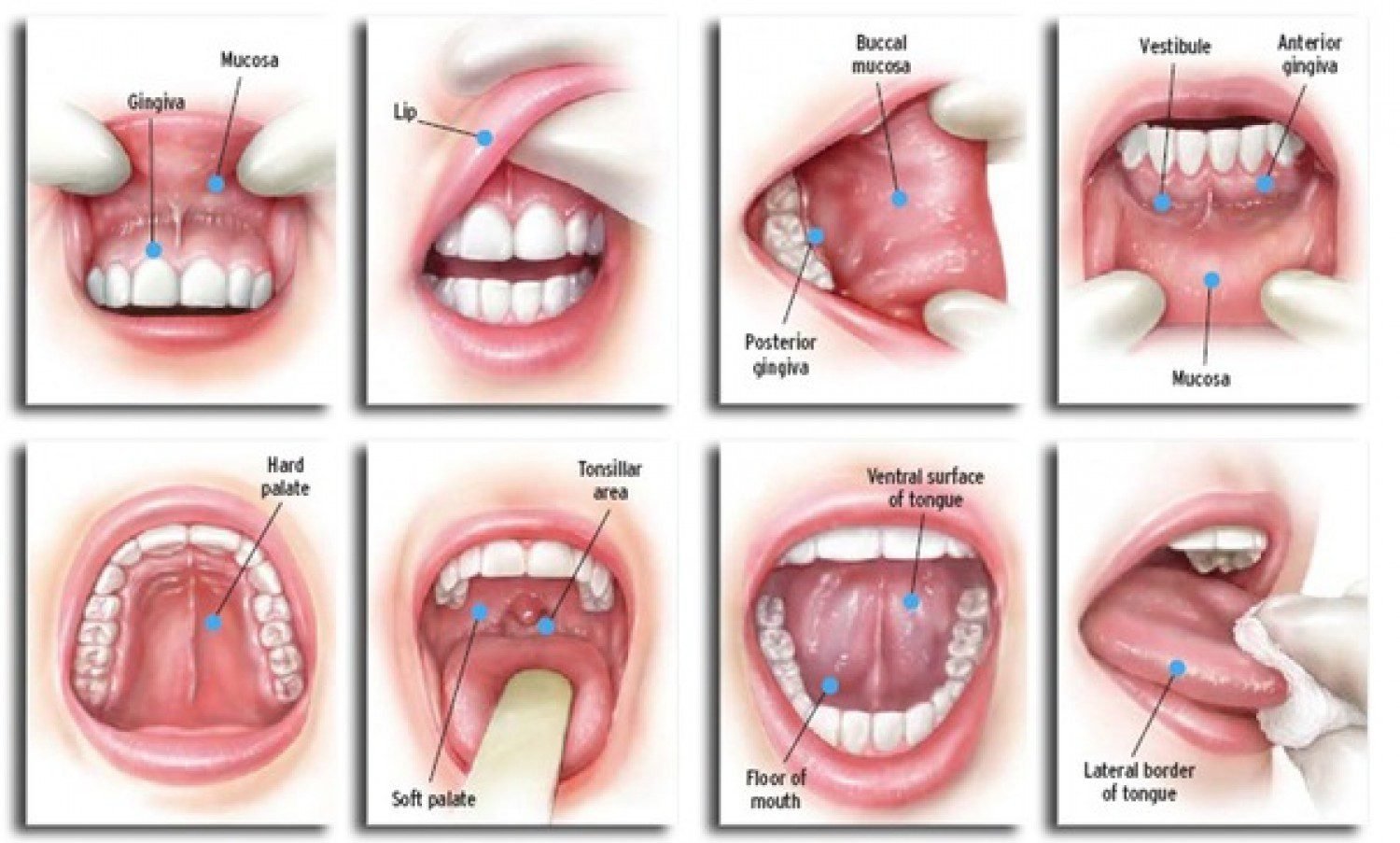
Whilst it’s great to be proactive about your own health, the signs of oral cancer aren’t always obvious or visible so it’s incredibly important to schedule regular check-ups with your GP as well as your dentist. Your dentist is skilled in identifying these signs but if you’re concerned, schedule an immediate appointment if you notice any of the below symptoms:
White or red spots/patches anywhere on the inside of the mouth
Finding it tricky to chew or swallow
Pain or sensitivity that sticks around and you don’t know the cause
Slurring when you talk
A sore that doesn’t heal on the inside of your mouth or lips
Abnormalities or a lump in the cheeks
Numbness in or around the mouth
Can I lower the risk of oral cancer?
Quit smoking
There are many reasons you should stop smoking. There are proven links between smoking and many types of cancer, including oral cancer. Your oral health is also at risk every time you light up. Smoking cigarettes increases your chances of developing cancer of the larynx, mouth, throat and oesophagus.
Because so many people are not aware of or ignore early symptoms, oral cancer often spreads before it is detected. People who stop smoking greatly reduce their risk for oral cancer. Alcohol combined with tobacco creates an especially high risk so it’s important to quit even if you’re a “social smoker”.
What type of treatment is available for oral cancer?
Treatment for oral cancer is developed on a case by case basis as every patient is different. Surgery will likely be required, which is generally followed by radiation and chemotherapy.
How do you maintain oral health during treatment?
Unless advised otherwise, you should continue with your usual dental routine, perhaps with a few modifications. Ensure you brush your teeth with a soft toothbrush after meals and floss daily.
Cancer treatments will often cause dry mouth, so it’s recommended you avoid the following:
Spicy foods
Coarse foods like raw vegetables, dry crackers and nuts.
Sugary drinks
Tobacco and alcohol
You can eat or chew sugar-free gum or lollies as these can keep your mouth moist.
Evaluate your needs
If you’re going to start radiation therapy, inform your dentist who may schedule you for a check-up after consulting with the doctor administering and cancer treatment. This is often a great opportunity to re-evaluate your dental routine. If you don’t have an appointment in the calendar, contact The Emergency Dentist Sydney today.
Need Advice Or Emergency Dental Care In Sydney CBD?
Contact our friendly team


Will It Hurt?
A guide to what to expect during a dental emergency
The Emergency Dentist Sydney has had patients that described their dental pain as the worst pain they’ve ever experienced. The key to minimising any pain experienced is to not delay treatment as chances are it won’t get better on its own. Here we go into the different reasons you may find yourself in our emergency dentist’s chair.
A guide to what to expect during a dental emergency
The Emergency dentist has had patients describe their dental pain as the worst pain they’ve ever experienced. The key to minimising any pain experienced is to not delay treatment as chances are it won’t get better on its own. Here, we go into the different reasons you may find yourself in our emergency dentist’s chair.
What are my treatment options for dental pain?
The treatment options available for dental pain are:
Removal of the tooth or Extractions
Fillings
Gum Treatment or Periodontal Treatment
Root Canal Treatment
We will need to discuss your dental history and examine you first in order to determine the cause of the pain before treating you. This may involve x-rays and other tests on your mouth, gums, jaw, throat, or sinuses.
Why does dental pain occur and what causes it?

Tooth pain is a condition that can be caused by many different factors. The top three major causes of tooth pain include:
Tooth Decay: Occurs when the bacteria has reached the roots of the teeth resulting in an abscess.
Fractured Tooth or Filling: An exposed nerve can cause an abscess as well as excruciating dental pain.
Gum Disease: There are many ways gum disease can cause tooth pain, especially if left untreated and it develops into periodontitis.
In order to find out the cause a quick examination of your mouth will need to be performed.
Dental Emergency Treatment Tips
For Toothache & Pain
Dental emergencies require immediate action to ensure the best possible outcomes. Contact Us so we can help determine your dental emergency. After you have spoken with us and before we see you, there are a few things you can do (Note: Do not consume alcohol or illicit drugs to relieve pain).
Aching tooth, teeth, gums and mouth
Rinse out your mouth with warm water to cleanse it. Take an anti-inflammatory such as Neurofen to relieve some of the pain. Do not apply aspirin directly.
Object stuck in gums or teeth
Gently try and remove the object then apply pressure with a soft cloth once remove. Alternatively, try gently flossing the area.
Bleeding gums, lips and mouth
Clean the area gently with warm water then apply a cold pack or other cold compress.
Severed gums, lips and mouth
Rinse your mouth out with warm water to cleanse it then apply pressure with a cloth to the area.
Do I need to see a dentist about a toothache?
Yes. If the pain is severe, has come on suddenly, has lasted more than a day, you have a fever, you have other pain associated with your toothache, such as an earache, you should contact us to relieve your pain and treat the problem. Whatever your dental condition turns out to be, it is best to seek treatment before such things as infection start to spread or permanent damage is caused to your mouth or gums.
We will determine the cause, take action to prevent the spread of infection or other permanent damage to your mouth, teeth or gums and then treat your condition.
Will I need pain relief after treatment?
This really depends on the type of treatment you’ve received. For infections, the treatment performed is often enough to relieve the pain where antibiotics are also administered. For treatment of conditions other than infections a few pain relief solutions are:
Local anaesthesia, which is used for simpler procedures such as fillings and root canals.
Happy gas, which can alleviate pain and anxiety during most types of dental procedures.
IV sedation, which is most commonly used for more complex procedures such as wisdom teeth extractions.
Oral sedation, which is used most often for anxious patients.
Can toothache or other dental pain be prevented?
Yes. Regular and proper care of your teeth, such as daily brushing and flossing, are the best ways to ensure you don’t experience sudden dental pain, resulting in the need for emergency dentistry.
Patients who regularly visit the dentist for check-ups and properly take care of their teeth rarely find themselves needing emergency dentistry. There may be no signs at all that your teeth or a tooth may be deteriorating or in need of dental care, which is why prevention is your best option. Visiting your Dentist every 3 to 6 months will allow us to see the potential problems you may not even feel or see.
Need Advice Or Emergency Dental Care In Sydney CBD?
Contact our friendly team

Thirsty? A Guide to Dry Mouth
This condition might be a bit hard to swallow
Most people don’t think twice about producing saliva as it just happens. The Emergency Dentist Sydney knows this isn’t the case for people that suffer from dry mouth, otherwise known as xerostomia. Dry mouth causes discomfort due to a lack of saliva and can affect teeth and gums as well as quality of life.
This condition might be a bit hard to swallow
Most people don’t think twice about producing saliva as it just happens. The Emergency Dentist Sydney knows this isn’t the case for people that suffer from dry mouth, otherwise known as xerostomia. Dry mouth causes discomfort due to a lack of saliva and can affect teeth and gums as well as quality of life.
What is dry mouth and why do I have it?
Dry mouth is due to a lack of saliva being produced in the mouth and can occur for a variety of reasons, such as nerves, stress, sadness. It can also be linked to certain medications you may be taking or a sign of a more serious condition.
Saliva does more than just keep your mouth moist. It assists with the digestion of food, breaking down bacteria and is needed to chew properly and swallow.
Potential reasons that could lead to your dry mouth and lack of saliva include:
Those who smoke cigarettes or vapes tend to experience dry mouth more so than people who don’t.
Many medications list dry mouth as a side effect. Some of these include antihistamines, antidepressants, pain killers and blood pressure medication.
Some medical conditions may lead to dry mouth such as diabetes, cancer, Parkinson's and HIV/AIDS to name a few.
Radiation and chemotherapy may cause loss of saliva or a change in saliva texture during cancer treatment.
Menopause is known to affect the salivary glands.
Some signs that you may have dry mouth
Everyone is likely to experience some form of mouth dryness which generally goes away however, the following symptoms may not disappear which would indicate you have a dry mouth condition which requires treatment. These symptoms include:
Difficulty chewing and swallowing
Bad breath
A sticky, tacky feeling in the mouth
Dryness down to the throat
Tingling or burning sensation on the tongue
Chapped or cracked lips
Decreased sense of taste
Metallic taste in your mouth
Mouth sores/ulcers
Difficulty speaking
Can my dry mouth be treated?
Generally, your dry mouth can be treated but first you must identify the cause of it. There are also a few things you can do that may restore moisture in the mouth, even if it’s just to give you temporary relief – some remedies may include:
Drink water or sugarless drinks often – drinks that contain sugar could make your dry mouth worse.
Avoid caffeine (coffee and tea) as these can cause the mouth to dry out.
Chew sugarless gum or mints as this can stimulate the production of saliva.
Try and cut out smoking and alcohol completely.
Re-evaluate your diet to lessen the intake of spicy or salty and fried foods.
Try a humidifier when sleeping.
Gargle a mouthwash that is designed to help with dry mouth.
If you suspect medication is the cause, always discuss this with your GP as they may be able to offer alternatives.
Need Advice Or Emergency Dental Care In Sydney CBD?
Contact our friendly team

Maintaining Oral Health with Braces
Your teeth will need some extra help during this time
Caring for your oral health when you have braces is a bit trickier but the payoff is amazing if done well. Follow these six tips and your path to beautiful straight teeth should be a bit more simple.
Your teeth will need some extra help during this time
Caring for your oral health when you have braces is a bit trickier but the payoff is amazing if done well. Follow these six tips and your path to beautiful straight teeth should be a bit more simple.
1. Don’t skip brushing your teeth
It’s recommended that you brush at least twice a day for 2 minutes each time. You might want to up the ante on this when you have braces though as they give food particles more places to hide and build up. If you are unable to brush after each meal, try to at least swish some water around to give them a good rinse. It’s always good to keep a toothbrush on you when out and about to keep your teeth clean and your braces free of debris.
2. Keep spare toothbrushes
Usually we’d tell you to replace your toothbrush every 3 months but those of you with braces will understand that you’ll go through toothbrushes a lot faster as your braces will create far more wear and tear on the bristles.
You may need to invest in special toothpick-like tools with bristles to get in to those hard to reach places that a standard toothbrush will find more difficult.
3. Flossing is more important than ever
Once you have your braces applied, you might need to reteach yourself how to floss but mastering this should be your priority.
Tools like a floss threader might come in handy or, that little toothpick tool with bristles we mentioned earlier may also assist you.
You may find that waxed floss is better for you during this time as it won’t shred as easily.
4. Some foods may need to take a backseat
A low sugar diet is great for your teeth in general but, more important than ever when you have braces. Given the additional hurdles you’ll be facing in keeping your teeth clean, you’ll want to do everything you can to avoid plaque build up as this can form cavities in your teeth and you already have enough to deal with right now.
If you want a snack, there’s a few that a better for braces wearers like cheese, yoghurt, fruits and veggies.
Sticky, chewy and hard foods are also a no-go area as they can damage your braces. Try to avoid lollies, popcorn and caramel as these are like magnets for braces and difficult to clean and remove around them.
When it comes to fruit a veggies try cutting them into smaller pieces rather than biting directly into them.
5. Bad habits become worse
Chewing on anything like pens, hard objects or even your nails should be stopped immediately. Doing this can bend the wires of your braces and loosen them causing more unwanted maintenance. Stopping these habits is also a wine for your overall oral health.
6. Keep your regular dental appointments
If your orthodontist and dentist are the same person, then this is super easy. Going to the orthodontist only isn’t enough for your oral care, you also need your regular 6 monthly dental check-ups for thorough cleanings.
Need Advice Or Emergency Dental Care In Sydney CBD?
Contact our friendly team

More Than Just Emergencies
We are experts in all things dental
Emergency Dentist Sydney are experts in emergency treatment but, our doors are also to patients to visit us for a large range of treatments from general dentistry to injectables that will have you feeling great and smiling proudly.
We are experts in all things dental
Emergency Dentist Sydney are experts in emergency treatment but, our doors are also to patients to visit us for a large range of treatments from general dentistry to injectables that will have you feeling great and smiling proudly.
We love all things dental which is why we give patients access to all services to ensure an end-to-end dental experience. Read on for some of the most popular treatments that we have on offer.
General Dentistry
Hygiene & Maintenance: Ironically, you can visit us for your regular check-ups and cleaning which is probably one of the most important steps to keeping you out of the emergency dentist chair. It’s highly recommended that you schedule these appointments every 6 months and keep up to date x-rays
Tooth Grinding & Snoring Solutions: You deserve a good night’s sleep that doesn’t come at the detriment of healthy teeth. Arrange a consultation to discuss your issues so we can create a treatment plan which could include anything from mouthguards to diagnosis and solutions for snoring.
Gum disease treatment: Gum disease is an inflammation or infection of the gums that can progress to affect the bone that surrounds and supports your teeth. We provide treatment for both stages; gingivitis and periodontitis.
Cosmetic Dentistry
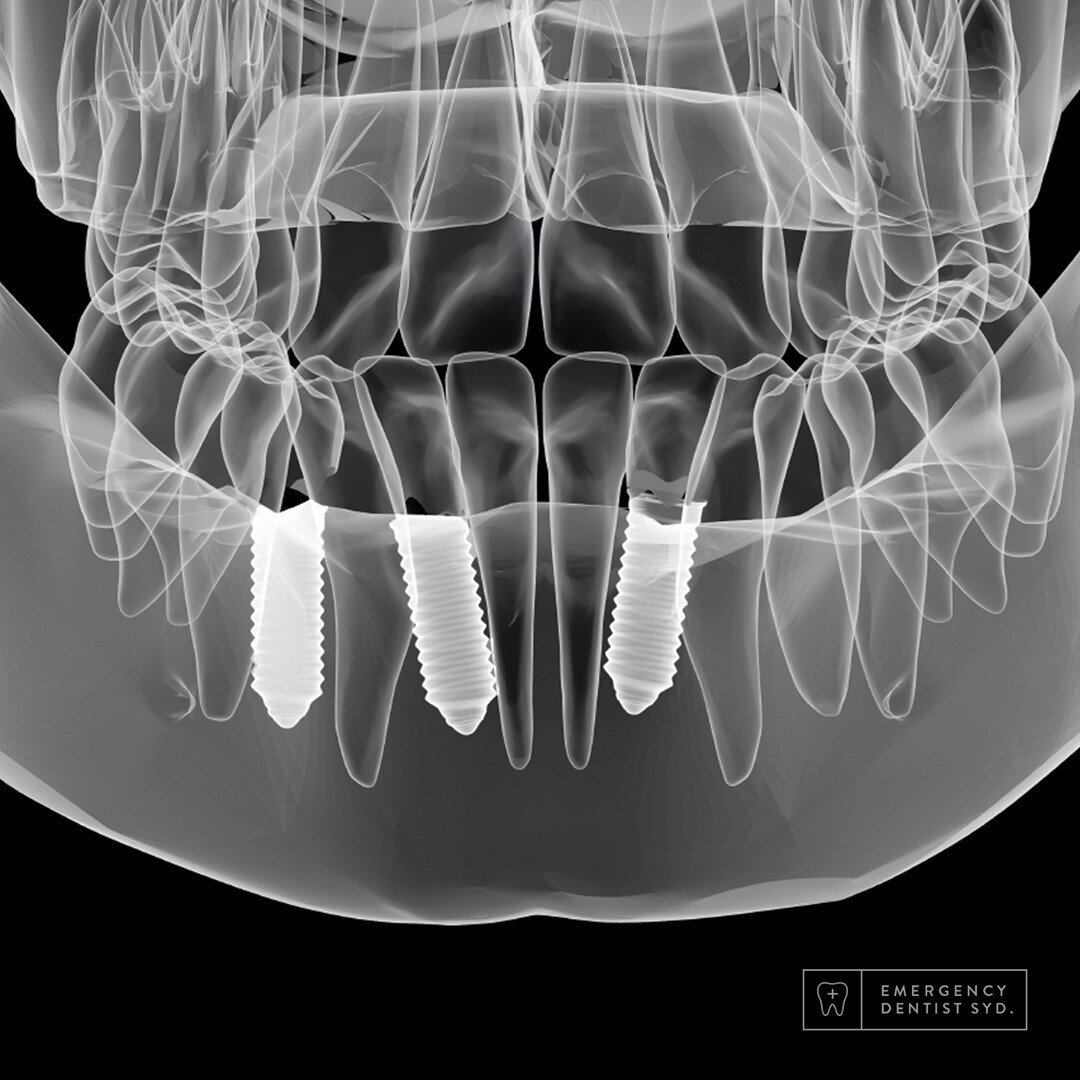
Dental Implants: A dental implant is a great permanent solution for missing teeth A titanium rod is inserted in to the jaw bone with a replacement tooth or teeth mounted on top. After an initial consultation, we will advise the best treatment for you.
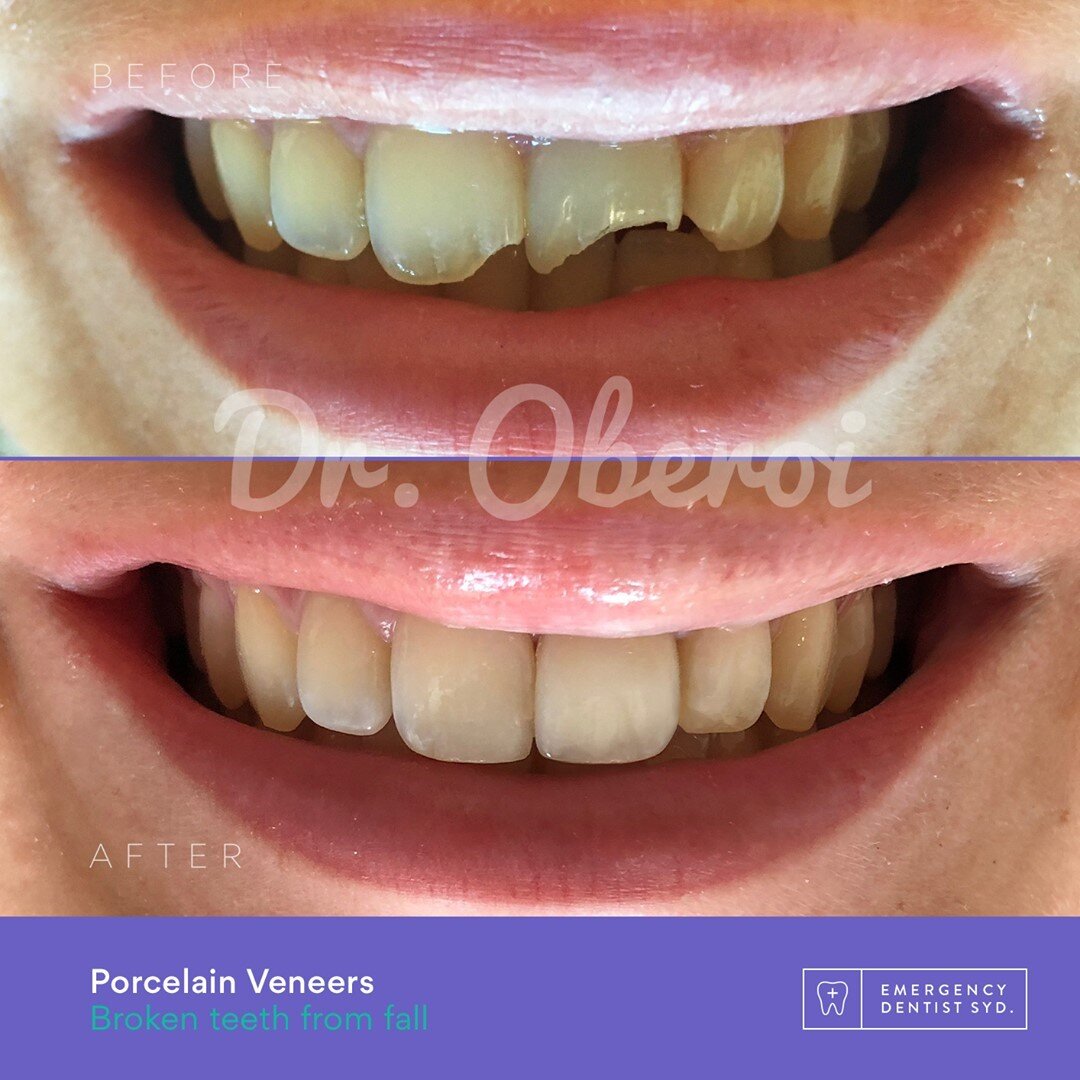
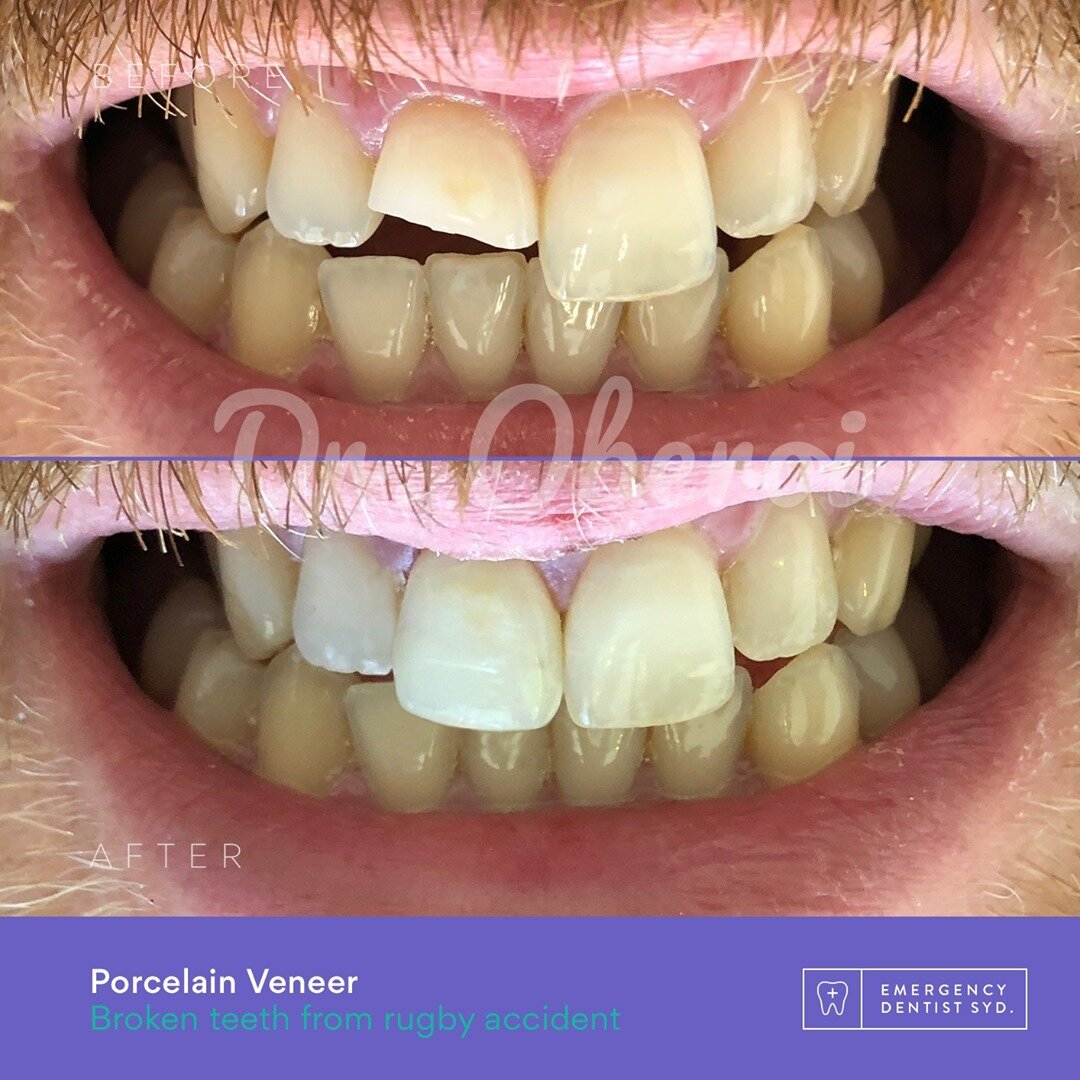
Veneers and crowns: Dental crowns and porcelain veneers can quickly improve crooked, crowded, chipped and gappy smiles. They are both long-term methods and cover your existing teeth. A main difference between crowns and veneers is how much of the tooth they cover: crowns usually encase the whole tooth, whereas veneers only cover the tooth’s front surface.
Teeth whitening: Probably the simplest treatment to give your smile a makeover, with in-chair or at-home options available. White fillings are also a great option and are a great alternative to silver fillings that will stand out more when you smile.
Orthodontics
Teeth straightening: There are so many teeth straightening options now that we’re happy to take you through to ensure you’re going to get the best results. Choice can also come down to aesthetics and budget
Cosmetic Injectables
Dentofacial aesthetics is a new approach in cosmetic dentistry which considers how the overall structure of your face contributes to your smile.
Aesthetic improvements can then be made with Collagen, Restylane and Botox. Dentists have the advantage of specialty training in the structure of the face so we have an extra level of skill when delivering these treatments.
So don’t wait until you have an emergency to visit us and always feel free to contact us to discuss and treatments.
Need Advice Or Emergency Dental Care In Sydney CBD?
Contact our friendly team
Patient Care First

Keep Up-To-Date with All Things Oral & General Health
RECENT ARTICLES






For 15 years, we've had one mission - when Sydney has a dental emergency, Emergency Dentist Sydney is there
We're proud to celebrate 15 years of providing emergency dental services to Sydney CBD and surrounding suburbs.