

How to Treat a Tooth Abscess
How to Treat a Tooth Abscess
A tooth abscess is a bacterial infection that affects the pulp of the tooth. This can lead to pain & swelling. Learn how to treat a tooth abscess here.
Understanding Tooth Abscess: Diagnosis and Treatment
At Emergency Dentist Sydney, we know a tooth abscess is a painful condition that occurs when a pocket of pus forms around the root of an infected tooth. If left untreated, it can cause severe discomfort and swelling and even lead to systemic health issues.
Understanding the diagnosis and treatment options for a tooth abscess is crucial for timely intervention and effective management. In this article, we'll explore what a tooth abscess is, how it's diagnosed, and the various treatment approaches available.
What is a Tooth Abscess?
A tooth abscess is essentially a bacterial infection that affects the pulp (the innermost part) of the tooth.
This infection typically occurs as a result of untreated dental decay, tooth trauma, or advanced gum disease. As the bacteria multiply, they form pockets of pus, leading to inflammation, pain, and swelling in the affected area.
Diagnosis of Tooth Abscess
Diagnosing a tooth abscess involves a comprehensive evaluation by a dental professional. During the examination, the dentist will inquire about the patient's symptoms, including pain, swelling, and sensitivity to hot or cold temperatures. Additionally, they may physically examine the affected tooth and surrounding tissues.
Dental X-rays are instrumental in diagnosing a tooth abscess as they allow the dentist to visualize the extent of the infection and identify any underlying dental issues contributing to the abscess. In some cases, the dentist may also perform a percussion test, which involves gently tapping on the affected tooth to assess for tenderness and discomfort.

Treatment Options:
The treatment approach for a tooth abscess typically depends on the severity of the infection and the extent of tissue involvement. Several treatment options may be considered, including:
Antibiotics: In cases where the abscess is localised and there is no immediate threat to the patient's health, antibiotics may be prescribed to control the spread of infection and alleviate symptoms. However, antibiotics alone may not be sufficient to eliminate the infection, and further dental intervention is often necessary.
Drainage: In situations where the abscess has formed a visible swelling or pocket of pus, the dentist may need to drain the abscess to alleviate pain and pressure. This procedure involves making a small incision in the swollen area to allow the pus to drain freely. Following drainage, the dentist will thoroughly clean the affected area to remove any remaining debris and bacteria.
Root Canal Therapy: For abscesses that have penetrated deep into the tooth's pulp chamber, root canal therapy may be recommended. During this procedure, the dentist removes the infected pulp tissue, cleans, and disinfects the root canal, and seals it to prevent further infection. Root canal therapy not only eliminates the infection but also preserves the structural integrity of the tooth, allowing it to function normally.
Tooth Extraction: In severe cases where the tooth cannot be salvaged or the infection has spread to surrounding tissues, extraction may be necessary to prevent further complications. Following tooth extraction, the dentist may recommend various tooth replacement options, such as dental implants or bridges, to restore function and aesthetics.
Pain Management: Throughout the treatment process, pain management is a key consideration to ensure the patient's comfort and well-being. Over-the-counter pain relievers, such as ibuprofen or paracetamol, may be recommended to alleviate discomfort. Additionally, the dentist may prescribe stronger pain medications for more severe cases.
Prevention is Key
While prompt diagnosis and treatment are essential for managing a tooth abscess, prevention remains the best approach to avoid dental infections altogether.
Good oral hygiene habits, such as brushing and flossing regularly, attending routine dental check-ups, and addressing dental issues promptly, can help prevent tooth abscesses and other dental problems.
A tooth abscess is a serious dental condition that requires timely intervention to prevent complications and preserve oral health. By understanding the symptoms, diagnosis, and treatment options for a tooth abscess, patients can take proactive steps to seek appropriate dental care and alleviate discomfort.
If you suspect you may have a tooth abscess or are experiencing dental pain or swelling, don't hesitate to contact Emergency Dentist Sydney for prompt evaluation and treatment. Your dental health is our priority.
NEED ADVICE OR EMERGENCY DENTAL CARE IN SYDNEY CBD?
Contact our friendly team


How to handle common dental emergencies
How to Handle Common Dental Emergencies
Learn what to do when a dental emergency strikes. From your immediate response to dental help, following the right steps is important. Find out what they are.
how to handle Common Dental Emergencies before visiting the dentist
Dental emergencies can strike unexpectedly, causing pain and distress. Knowing how to respond promptly can make all the difference in preserving your oral health.
In this comprehensive guide, we’ll explore common dental emergencies, step-by-step actions to take, and the importance of seeking professional help.
What is a Dental Emergency?
A dental emergency is any sudden or unexpected oral health issue that requires immediate attention. These situations may include:
Toothache Troubles: A sudden toothache disrupts your daily routine. Causes can range from decay to infection or a cracked tooth. If you experience a toothache, rinse your mouth with warm water and use dental floss to remove lodged food particles. If the pain persists, consult your dentist.
Dealing with Knocked-Out Teeth: Accidents happen, and a knocked-out tooth is common. If this occurs, hold the tooth by the crown, rinse it gently, and try to reinsert it into the socket. If that’s not possible, place it in a container of milk and seek immediate dental attention.
Broken or Chipped Teeth: A fall, blow to the face, or biting into something hard can lead to broken or chipped teeth. Rinse your mouth with warm water, apply a cold compress to reduce swelling, and see your dentist promptly for repair options.
Immediate First Aid for Dental Emergencies
When faced with a dental emergency, follow these steps for immediate relief:
Pain Management:
Take over-the-counter pain relievers like ibuprofen to alleviate discomfort.
Avoid placing aspirin directly on the affected area to prevent gum irritation.
Controlling Bleeding:
If bleeding occurs, use a clean cloth or gauze to apply gentle pressure to the area.
This helps control bleeding until you reach your dentist for professional care.
Maintaining Oral Health
Regular Dental Checkups:
Prevention is key. Schedule regular dental checkups to identify potential issues before they become emergencies.
Early detection saves you unnecessary pain and discomfort.
Oral Hygiene Practices:
Brush and floss regularly to prevent common dental problems.
Use fluoride toothpaste and replace your toothbrush every three to four months for optimal oral health.

Consequences of Leaving Dental Emergencies Untreated
Leaving a dental emergency untreated can have serious repercussions:
Infection Spread: An untreated infection can lead to an abscess, causing damage to surrounding tissue and teeth. In severe cases, it may become life-threatening.
Tooth Loss: Delayed treatment may result in tooth loss, affecting your smile and overall oral health.
Chronic Pain: Ignoring dental emergencies can lead to persistent pain and discomfort.
Common Treatment Options for Dental Emergencies
Restorative Dentistry:
Broken or cracked teeth can be restored with dental crowns or veneers.
Root Canal Therapy:
Severe toothaches and abscesses may require root canal therapy to remove infected tissue and save the tooth.
Tooth Extraction:
In some cases, a severely damaged tooth may need extraction to prevent further infection and pain.
Soft Tissue Repair:
Bitten tongue, lip, or cheek injuries can be managed with proper care and pain relief.
Remember, while first aid provides temporary relief, seeking professional dental help is crucial. Dentists address underlying issues and provide long-term solutions to prevent future emergencies. Don’t hesitate to contact Emergency Dentist Sydney for expert care and peace of mind.
NEED ADVICE OR EMERGENCY DENTAL CARE IN SYDNEY CBD?
Contact our friendly team

Learn When to Get Emergency Root Canal
Learn When to Get Emergency Root Canal
The faster you can react when facing a health problem the better, and this is no different for oral health. Learn when to get an emergency root canal here.
Can Root Canal Therapy Be Done in Dental Emergencies?
When dental emergencies strike, the pain and urgency can be overwhelming. From severe toothaches to traumatic injuries, the need for immediate dental care becomes paramount.
Among the various treatments available, root canal therapy is a critical procedure for addressing infections and saving teeth from extraction. But is an emergency root canal a worthy solution when disaster strikes? Let's delve into this question to understand the role of root canal therapy in emergency dental care.
Understanding Root Canal Therapy
Root canal therapy, often referred to as endodontic treatment, is a procedure aimed at saving a severely infected or damaged tooth. It involves removing the infected pulp tissue from within the tooth, cleaning and disinfecting the root canals, and then sealing them to prevent further infection.
Common reasons why Emergency root canal therapy might be necessary include:
Deep decay that has reached the pulp of the tooth.
Trauma or injury to the tooth that has caused damage to the pulp.
Infection or abscess at the root of the tooth.
The procedure is typically performed by an endodontist or a general dentist with specialised training in endodontics.
Emergency Dental Situations
Dental emergencies encompass a wide range of urgent dental issues that require immediate attention. Some of the common dental emergencies include:
Severe toothache or dental pain.
Trauma or injury to the teeth or jaw.
Swelling or abscess in the mouth.
Loose or knocked-out teeth.
In many cases, these emergencies involve conditions that might necessitate root canal therapy to alleviate pain, treat infection, and preserve the affected tooth.
Can Root Canal Therapy Be Done in Dental Emergencies?
The short answer is yes, root canal therapy can indeed be performed during dental emergencies. In fact, it often serves as a crucial intervention to address acute dental problems and provide relief to patients experiencing severe pain or discomfort.

Here's why root canal therapy is a viable option in dental emergencies
Pain Relief: Dental emergencies often involve intense pain, which can be caused by infection or inflammation of the dental pulp. Root canal therapy targets the source of the pain by removing the infected tissue, thereby offering prompt relief to the patient.
Infection Control: Untreated dental infections can spread rapidly and lead to serious complications, including systemic infections and abscess formation. Root canal therapy effectively removes the infected pulp and disinfects the root canal system, halting the spread of infection and promoting healing.
Tooth Preservation: In many cases, the alternative to root canal therapy is tooth extraction. However, preserving natural teeth is always preferable whenever possible. Root canal therapy allows the dentist to save the natural tooth structure, maintaining oral function and aesthetics in the long term.
Immediate Intervention: Dental emergencies demand swift action to address the underlying issues and alleviate the patient's distress. Root canal therapy can often be performed during the emergency visit, providing timely treatment and preventing the escalation of dental problems.
Comprehensive Care: Emergency dental practices, such as Emergency Dentist Sydney, are equipped to handle a wide range of dental emergencies, including those requiring root canal therapy. They have the necessary expertise, equipment, and resources to perform the procedure efficiently and effectively.
Root canal therapy plays a vital role in emergency dental care, offering a reliable solution for addressing severe infections, relieving pain, and preserving natural teeth.
When faced with a dental emergency involving tooth infection or trauma, seeking prompt treatment from a qualified emergency dentist is crucial. With timely intervention, root canal therapy can help patients regain comfort, functionality, and peace of mind amidst dental crises.
Remember, if you're experiencing a dental emergency, don't hesitate to contact Emergency Dentist Sydney or your nearest emergency dental clinic for immediate assistance. Your oral health and well-being are paramount, and timely intervention can make all the difference in preserving your smile.
NEED ADVICE OR EMERGENCY DENTAL CARE IN SYDNEY CBD?
Contact our friendly team

How to get after-hours dental care
How to get after-hours dental care
You can never plan the right time for something to go wrong with your oral health. Find out how to get after-hours dental care and the steps to take here.
After-Hours Dental Care: What to Expect When Visiting an Emergency Dentist
Emergencies can strike at any time, including dental emergencies. Knowing what to expect and how to get after-hours dental care when you’re facing an emergency can alleviate stress and ensure you receive prompt and appropriate support.
Let's explore the ins and outs of after-hours dental care, from identifying emergencies to financial preparedness and prevention tips.
What is a Dental Emergency?
A dental emergency refers to any situation involving the teeth, gums, or mouth that requires immediate attention to alleviate pain, stop bleeding, or prevent further damage. Common dental emergencies include:
Severe toothache
Knocked-out tooth
Cracked or broken tooth
Lost filling or crown
Abscess or infection
Trauma to the mouth or jaw
If you experience any of these symptoms or have concerns about your dental health outside of regular office hours, seeking emergency dental care is essential.
What to Do When You Face Emergency Dental Work
In the event of a dental emergency, taking swift and appropriate action can make a significant difference in the outcome. Here's what to do before you seek after-hours dental care:
Assess the Situation: Evaluate the severity of the injury or pain. If there is bleeding, swelling, or intense discomfort, it's likely a dental emergency.
Contact an Emergency Dentist: Look for dental practices that offer after-hours emergency care. Many dentists have on-call services or emergency hotlines to assist patients outside of regular business hours.
Follow First-Aid Measures: While waiting to see the dentist, take steps to manage pain and prevent further damage. Rinse your mouth with warm water, apply a cold compress to reduce swelling, and take over-the-counter pain medication as needed.
Retrieve Lost Teeth or Fragments: If a tooth has been knocked out or broken, handle it carefully by the crown (top) and avoid touching the root. Rinse it gently with water and try to place it back into the socket if possible. Otherwise, store it in a container of milk or saliva until you can see the dentist.

How to Financially Prepare for a Dental Emergency
Facing a dental emergency can be stressful, especially if you're concerned about the cost of treatment. Here are some tips for financial preparedness:
Dental Payment Plans
Some dental clinics offer flexible payment plans, including Emergency Dentist Sydney, so you can break the cost of your dental treatment into multiple smaller repayments over time. We offer Afterpay and Zip Pay which means you won’t even pay interest!
Consider dental insurance or supplemental plans that cover emergency procedures to mitigate out-of-pocket expenses.
Set aside a portion of your budget for unexpected medical and dental costs to ensure you're financially prepared for emergencies.
How to Avoid a Dental Emergency
While some dental emergencies are unavoidable, there are steps you can take to minimize your risk:
Practice good oral hygiene by brushing and flossing regularly to prevent tooth decay and gum disease.
Wear a mouthguard during sports or recreational activities to protect your teeth from injury.
Avoid chewing on hard objects like ice, popcorn kernels, or pens, which can crack or chip your teeth.
Schedule regular dental check-ups and cleanings to catch potential issues early and maintain optimal oral health.
Speak to an Expert (Emergency Dentist Sydney)
Navigating a dental emergency can be daunting, but with the right knowledge and preparation, you can face it with confidence. Remember to prioritise your oral health, stay informed about emergency procedures, and have a plan in place for unexpected situations. With proactive steps and access to reliable dental care, you can safeguard your smile and well-being for years to come.
Finding reliable after-hours dental care is crucial for peace of mind in case anything ever does go wrong. Emergency Dentist Sydney is your trusted source for prompt and compassionate emergency dental services. With a team of experienced professionals and state-of-the-art facilities, we are committed to providing exceptional care when you need it most.
Don't let a dental emergency disrupt your life – contact Emergency Dentist Sydney for expert assistance around the clock.
NEED ADVICE OR EMERGENCY DENTAL CARE IN SYDNEY CBD?
Contact our friendly team

What to do when you have an exposed nerve in a tooth
What to do when you have an exposed nerve in a tooth
An exposed nerve in a tooth can become almost unbearably painful if left for too long. Learn what to do when facing this situation here.
Unravelling the Urgency: Is an Exposed Nerve a Dental Emergency?
Dental emergencies can strike at the most inconvenient times, and one of the most agonising situations is when a tooth's nerve becomes exposed.
Here we'll explore what an exposed nerve is, delve into the various causes behind it, discuss available treatment options, and emphasize the importance of seeking emergency dental care for swift and effective relief.
Understanding Exposed Nerves:
An exposed nerve in the dental context occurs when the innermost part of a tooth, known as the dental pulp, becomes vulnerable due to damage or decay. The dental pulp houses nerves, blood vessels, and connective tissues. When exposed, it can lead to intense pain, heightened sensitivity, and potential complications if not promptly addressed.
Causes of an Exposed Nerve in a tooth:
The causes of exposed tooth nerves are diverse and recognising them is crucial for preventive measures. Some common culprits include:
Untreated Cavities: Neglected tooth decay can progress to the point where it breaches the dental pulp, exposing the nerve.
Fractured or Cracked Teeth: Trauma or injuries to the teeth can result in cracks or fractures, creating a pathway for bacteria to infiltrate the dental pulp.
Gum Disease: Advanced stages of gum disease may cause the gums to recede, exposing tooth roots and nerves.
Faulty Dental Restorations: Poorly fitted or damaged dental restorations, like crowns or fillings, can compromise the dental pulp's integrity.

Treatment Options for Exposed Nerves
Various treatment options exist for exposed tooth nerves, depending on the severity of the condition. These may include:
Root Canal Therapy: A common and highly effective treatment involving the removal of infected or damaged pulp, followed by the cleaning, and sealing of the canal to prevent further infection.
Dental Crowns: Post-root canal, a dental crown may be recommended to restore the tooth's strength and functionality.
Tooth Extraction: In severe cases where the tooth is beyond repair, extraction might be the only viable option.
Pain Management: Prior to definitive treatment, managing pain is crucial. Over-the-counter pain relievers and prescribed medications can temporarily alleviate discomfort.
Why Emergency Dentist Sydney
Ignoring dental pain can cause serious long-term damage. Whatever the reason for your dental emergency we are available to help you 24 hours 7 days and will get rid of your pain today!
24/7 Availability: Recognising that dental emergencies don't adhere to regular office hours, Emergency Dentist Sydney is available around the clock to address urgent dental issues promptly.
Experienced Emergency Team: With a team of skilled and experienced emergency dentists, the practice is well-equipped to handle a wide range of dental emergencies, including exposed nerves.
Advanced Technology: Utilising state-of-the-art technology and equipment, Emergency Dentist Sydney ensures patients receive cutting-edge treatments for optimal results.
Compassionate Care: Acknowledging that dental emergencies can be stressful, the practice prides itself on providing compassionate and understanding care to alleviate patients' fears and discomfort.
An exposed nerve is undeniably a dental emergency that demands immediate attention. Understanding the causes, recognising the symptoms, and knowing the available treatment options are crucial for maintaining oral health.
Why Emergency Dental Care Matters
When faced with such a situation, seeking emergency care at a specialised facility like Emergency Dentist Sydney can make all the difference, ensuring swift and effective relief from the excruciating pain associated with exposed tooth nerves.
Time is of the essence in dental emergencies, and therefore, acting promptly when faced with an exposed nerve is crucial. The pain can very quickly become unbearable, and delaying treatment may lead to complications.
Make the right choice
Choosing the right emergency dental practice is key to a swift recovery. Emergency Dentist Sydney specialises in providing immediate care for dental emergencies, ensuring patients receive timely attention when they need it most.
NEED ADVICE OR EMERGENCY DENTAL CARE IN SYDNEY CBD?
Contact our friendly team


How to know if my tooth pain is an emergency?
How to know if my tooth pain is an emergency
Suffering from tooth pain? Learn the steps to take to avoid your situation worsening. Emergency Dentist Sydney is here to educate and help.
Got tooth pain? Learn the steps to take to avoid emergency
Understanding the nature of tooth pain is crucial in determining when urgent dental care is necessary. Whether it's mild discomfort or an excruciating ache, differentiating between regular dental issues and emergencies is essential for proper oral health management.
What is Tooth Pain
Tooth pain refers to any discomfort or ache experienced in or around a tooth. It can manifest in various forms, including sharp, throbbing, or persistent pain, and might involve the teeth, gums, or jaw. Tooth pain is often a symptom of an underlying dental issue that requires attention.
Causes of Tooth Pain
Several factors can contribute to tooth pain, ranging from minor issues to severe dental problems:
Tooth Decay: Cavities or decay can lead to sensitivity or pain, especially when the damage reaches the nerve.
Gum Disease: Inflammation of the gums, known as gingivitis or periodontitis, can cause discomfort and pain in the affected areas.
Dental Abscess: An infection in the tooth or gums can result in severe, throbbing pain, often accompanied by swelling and fever.
Trauma or Injury: Accidents or injuries to the teeth or mouth can cause immediate or delayed pain, indicating damage or infection.
Steps to Take When Dealing with Tooth Pain
Assess the Severity: Determine the intensity and duration of the pain. Severe and persistent pain often signifies an urgent issue.
Rinse and Floss: Gently rinse your mouth with warm water and floss to remove any debris that might be causing irritation.
Over-the-Counter Pain Relief: Use over-the-counter pain medications to alleviate discomfort temporarily.
Consult a Dentist: Contact a dentist promptly, explaining the symptoms and seeking their guidance. Dentists can provide advice or schedule an emergency appointment if needed.
Avoid Self-Treatment: Refrain from placing aspirin or other medications directly on the affected area without professional guidance.

Consequences of Ignoring Tooth Pain
Ignoring tooth pain can lead to various complications:
Worsening of the Issue: Dental problems rarely resolve on their own. Ignoring pain might lead to the progression of decay, infections, or gum disease, causing more extensive damage.
Increased Pain: Delaying treatment can result in increased pain and discomfort, affecting daily activities and overall well-being.
Spread of Infection: Infections in the mouth can spread to other parts of the body, leading to severe health complications if left untreated.
Permanent Damage: Neglecting dental issues might result in irreversible damage to teeth or surrounding structures, potentially requiring more invasive and expensive treatments, such as Root Canal or tooth extraction.
Conclusion
Tooth pain should not be dismissed lightly. While not all toothaches are emergencies, prompt attention and evaluation by a dental professional are essential. Recognising the severity of the pain, taking immediate steps for relief, and seeking professional advice can prevent potential complications and ensure optimal oral health.
Remember, addressing tooth pain early not only alleviates discomfort but also prevents further damage, safeguarding your dental well-being in the long run.
NEED ADVICE OR EMERGENCY DENTAL CARE IN SYDNEY CBD?
Contact our friendly team

Can I ignore a cracked tooth?
Can I ignore a cracked tooth?
Do you grind your teeth? Do you already have a cracked tooth? This article could save you a tooth or two. Learn what to do if you have a cracked tooth here.
The Dilemma of a Cracked Tooth: To Ignore or Not to Ignore?
A cracked tooth might seem like a minor inconvenience, but it could signal underlying issues that, if left unaddressed, could lead to significant complications. Understanding the causes, potential risks, and available remedies is crucial for maintaining oral health.
Causes Behind a Cracked Tooth
Various factors contribute to a cracked tooth, including unexpected trauma, biting down on hard substances, bruxism (teeth grinding), or even simple temperature changes causing contractions within the tooth structure.
Some of the most common causes include biting into hard candy, opening bottles with your teeth, biting popcorn kernels and even biting items such as plum or olive seeds by accident. Each of these can easily cause a tooth to crack.
Solutions for a Cracked Tooth
When faced with a cracked tooth, seeking urgent dental care is crucial. The approach to fixing a cracked tooth depends on the extent of damage and its location within the tooth structure. There are 4 main solutions, which we discuss in depth below:
Dental Bonding: Repairing Minor Cracks
Dental bonding involves applying a tooth-coloured resin material to the affected tooth. This method effectively repairs minor cracks and chips, restoring the tooth's functionality and appearance.
Dental Crown: Protecting and Restoring
For more substantial damage, a dental crown might be necessary. This involves placing a cap over the damaged tooth, protecting it from further harm while restoring its strength and aesthetics.
Root Canal Treatment: Addressing Deeper Damage
In cases where the crack extends deeper into the tooth, affecting the pulp, a root canal might be recommended. This procedure involves removing the damaged pulp, cleaning the area, and sealing it to prevent infection, thus preserving the tooth's integrity.
Tooth Extraction: A Last Resort
In severe instances where the tooth is extensively damaged and cannot be salvaged, extraction becomes the last resort. While not the ideal scenario, it eliminates the risk of infection spreading and allows for potential replacement options like implants or bridges.

Risks Associated with Neglecting a Damaged Tooth
Ignoring a cracked tooth can lead to various complications, including heightened sensitivity, pain, an increased risk of infection, and potential tooth loss. Delaying treatment might escalate the problem, making it more challenging and costlier to address later.
Preventing a Cracked Tooth
As mentioned, prompt action is crucial when dealing with a cracked tooth. Even seemingly minor cracks can worsen over time if left untreated, potentially leading to more extensive procedures or tooth loss.
Taking preventive measures, such as avoiding hard substances and using a mouthguard if you grind your teeth, significantly reduces the risk of developing a cracked tooth.
Need help with a cracked tooth?
A cracked tooth demands attention and timely intervention. Now you understand the causes, available treatments, and risks associated with neglecting a damaged tooth, you will be more capable of making appropriate decisions about your own oral health.
Remember, consulting a dental professional is imperative for proper assessment and tailored treatment, ensuring the preservation of your beautiful smile and overall dental well-being. Don't wait; prioritise your oral health to prevent minor cracks from turning into major problems.
The team at Emergency Dentist Sydney are here to help, no matter what day or time. We work around the clock for you.
NEED ADVICE OR EMERGENCY DENTAL CARE IN SYDNEY CBD?
Contact our friendly team

How to avoid tooth decay
How to avoid tooth decay
Tooth decay usually works silently until it becomes a bigger, sometimes irreversible problem. Learn what it is, the signs and how to avoid tooth decay here.
Learn how to Identify, prevent and treat Tooth Decay
Tooth decay is a common problem that affects people of all ages. It is caused by bacteria that feed on sugar in the mouth and produce acid. This acid can dissolve the enamel on the teeth, creating cavities. Tooth decay can lead to pain, infection, and even tooth loss.
What is tooth decay?
Tooth decay is a progressive disease that begins with the formation of plaque. Plaque is a sticky film of bacteria that builds up on the teeth. If plaque is not removed regularly, it can harden into tartar. Tartar is a difficult-to-remove deposit that can only be removed by a dentist.
Once tartar has formed, it can trap bacteria and food particles, producing acid. This acid can dissolve the enamel on the teeth, creating cavities. Cavities are small holes in the teeth that can cause pain and sensitivity. If left untreated, cavities can grow larger and eventually lead to tooth loss.

How to identify tooth decay:
Identifying tooth decay in its early stages is crucial for preventing further damage to your teeth and overall oral health. Here are some signs and symptoms of tooth decay that you should look out for:
Visible holes or pits in your teeth: As tooth decay progresses, it can create visible holes or pits in the affected teeth. These cavities may initially appear as small white or brown spots, but they can grow larger and darker as the decay worsens.
Toothache or sensitivity: Tooth decay can cause pain or discomfort, especially when you eat or drink hot, cold, or sweet foods or beverages. This sensitivity is a result of the exposed dentin, the layer beneath the enamel, which is more sensitive to temperature changes.
Dark stains on your teeth: Dark brown or black stains on your teeth can also indicate tooth decay. These stains are caused by the buildup of decay-causing bacteria and food particles.
Bad breath: Persistent bad breath or a foul taste in your mouth can be a sign of tooth decay. The bacteria that cause decay produce sulphurous compounds that contribute to unpleasant breath odour.
Pain when biting: If you experience pain when you bite down, it could be a sign of tooth decay or other dental problems, such as gum disease or a cracked tooth.
Swollen or bleeding gums: Swollen, red, or bleeding gums can also indicate tooth decay or gum disease. These symptoms are caused by inflammation and irritation of the gums due to plaque buildup and bacterial infection.
If you notice any of these signs or symptoms of tooth decay, it's important to schedule an appointment with your dentist as soon as possible. Early detection and treatment of tooth decay can help prevent further damage to your teeth and preserve your oral health. Emergency Dentist Sydney works around the clock to provide out-of-hours emergency dental care.
How serious is tooth decay?
Tooth decay is a serious problem that can have a significant impact on your oral health and overall well-being. Here are some of the consequences of tooth decay:
Pain and sensitivity: Cavities can cause pain and sensitivity, especially when eating or drinking hot or cold foods or beverages.
Infection: If left untreated, cavities can become infected. This can lead to an abscess, which is a painful collection of pus that can spread to the jawbone or other parts of the face.
Tooth loss: If cavities are not treated, they can grow larger and eventually lead to tooth loss. This can make it difficult to eat, speak, and smile.
Low self-esteem: Tooth decay can also affect a person's self-esteem. People with missing or damaged teeth may feel embarrassed to smile or speak in public.

How to prevent tooth decay
Tooth decay is a preventable disease. Here are 8 top tips which can help to prevent tooth decay, including:
Brush your teeth twice a day with fluoride toothpaste: Fluoride helps to strengthen the enamel on the teeth and makes them more resistant to decay.
Floss once a day: Flossing helps to remove plaque and food particles from between the teeth, where they can cause decay.
Eat a healthy diet: Limit your intake of sugary foods and drinks.
Visit your dentist for regular checkups and cleanings: Your dentist can check for cavities and other dental problems and provide preventive care.
Drink plenty of water: Water helps rinse plaque and food particles from the teeth.
Use a mouthwash: Mouthwash can help to kill bacteria in the mouth and reduce plaque buildup.
Chew sugar-free gum: Chewing sugar-free gum can help to increase saliva production, which helps to wash away plaque and food particles.
Avoid smoking: Smoking can damage the enamel on the teeth and make them more susceptible to decay.
Protect your teeth
By following these tips, you can help prevent tooth decay and keep your teeth healthy for years to come.
If you have noticed any of the signs of tooth decay, or if you have any questions at all then feel free to give Emergency Dentist Sydney a call or book a consultation.
NEED ADVICE OR EMERGENCY DENTAL CARE IN SYDNEY CBD?
Contact our friendly team
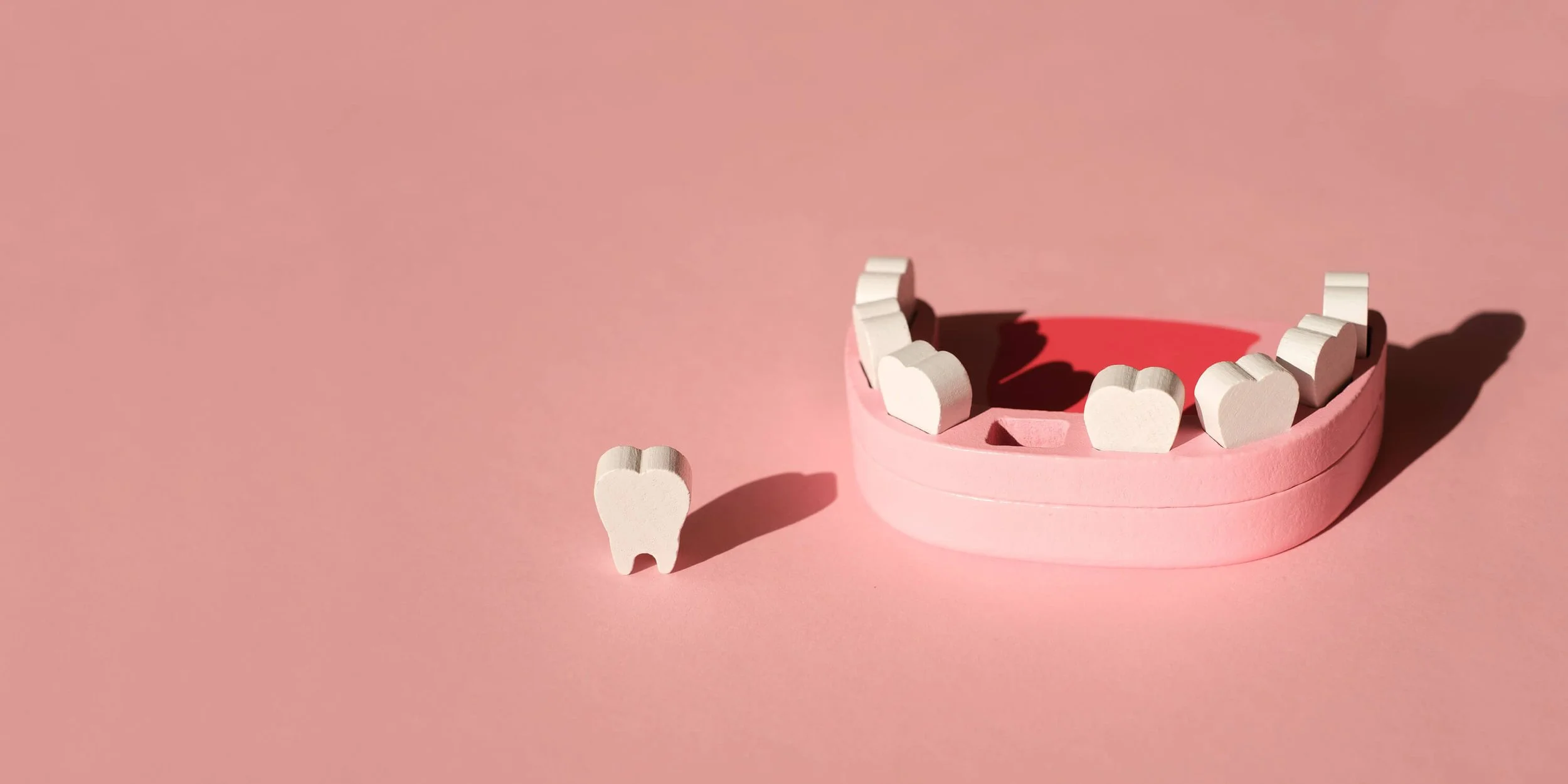
What to do if your tooth falls out
What to do if your tooth falls out
Follow these key steps to know what to do if your tooth falls out. Emergency Dentist Sydney work around the clock so help is always at hand.
Take the right steps if your tooth falls out
Losing a tooth can be a distressing experience, but knowing how to react promptly and effectively can significantly impact the outcome. Whether it's due to an accident, decay, or other factors, understanding the causes of teeth falling out, maintaining good oral health, and knowing the essential steps to follow in case of a dental emergency can make a significant difference.
Causes of teeth falling out
There are several common causes that can lead to the loss of a tooth. These can include poor oral hygiene, which can result in gum disease and tooth decay. Additionally, traumatic accidents, such as falls, sports injuries, or vehicle accidents, can also result in the loss of a tooth.
Certain medical conditions like osteoporosis or periodontal disease can also contribute to tooth loss. Understanding these causes is crucial for taking preventive measures to protect your dental health.
How to maintain good oral health
Maintaining good oral hygiene is key to preventing tooth loss and promoting overall oral health. Regular brushing and flossing, along with routine visits to the dentist, are essential practices that can help prevent tooth decay and gum disease.
Additionally, adopting a healthy diet low in sugary foods and acidic beverages can significantly contribute to the well-being of your teeth and gums. Moreover, avoiding harmful habits like smoking and excessive consumption of alcohol can play a crucial role in maintaining strong and healthy teeth.

5 key steps to follow if your tooth falls out
Stay Calm: It's crucial to remain composed to assess the situation accurately.
Handle the tooth with care: If the tooth is salvageable, avoid touching the root and handle it by the crown.
Rinse the tooth: Use water to clean the tooth without scrubbing or removing any attached tissues.
Reposition the tooth if possible: Try to reinsert the tooth into the socket gently if it's feasible. Alternatively, place it between the cheek and teeth, away from the affected area, to keep it warm and moist. You can also place it in a container of milk until you receive dental help.
Seek immediate dental care: Regardless of the success of reinsertion, it's essential to seek professional dental assistance as soon as possible to increase the chances of saving the tooth.
By following these steps, you can improve the likelihood of saving your tooth and preventing further complications that may arise from tooth loss. Learn more about emergency dental care tips here too.
Get emergency help if your tooth falls out
Taking proactive measures to understand the causes of teeth falling out, practising good oral hygiene, and knowing the essential steps to take in case of a dental emergency can help safeguard your dental health and ensure a prompt and effective response in times of distress.
Remember, prompt action and regular dental care are crucial elements in maintaining a healthy and radiant smile.
NEED ADVICE OR EMERGENCY DENTAL CARE IN SYDNEY CBD?
Contact our friendly team

Meet our new Specialist Orthodontist
Meet our new specialist Orthodontist
Teeth straightening is a big deal, and it's important to know that you're in safe hands. We are proud to announce Dr Vandana Katyal as our latest team member.
Meet Our Orthodontic Expert - Dr Vandana Katyal
If you are looking for a trusted specialist to straighten your smile then you are in luck! Emergency Dentist Sydney is proud to announce our latest team member - Orthodontic specialist, Dr Vandana Katyal.
Dr Vandana is an Australian-certified and registered Specialist Orthodontist with over 1,000 successful clear aligner treatments. She is a pioneer and a leader in using the latest 3D technologies to help deliver predictable and fast orthodontic treatments using clear aligners.
She has a number of Bachelor, Masters and Doctorate certifications behind her name and her orthodontic publications have been met with great critical acknowledgment. Dr Vandana is awarded and globally recognised alongside other distinguished Australian leaders in the field of Orthodontics.
Dr Vandana owns the Digital Orthodontic College - where she delivers accredited orthodontic courses and provides support to up-and-coming dentists. Additionally, she owns Clean Clear & Correct Smiles - an orthodontic aligners clinic based in Sydney.
What is an Orthodontist?
At its core, orthodontics is the branch of dentistry dedicated to diagnosing, preventing, and correcting irregularities in tooth and jaw alignment. These irregularities, commonly referred to as malocclusions, can range from crowded or crooked teeth to overbites, underbites, and crossbites.
Orthodontists are the experts in these matters, armed with an arsenal of tools and techniques to transform misaligned teeth into perfectly positioned pearls.
Their journey begins with rigorous dental training followed by specialised orthodontic education. With this extensive knowledge, orthodontists perform treatments including traditional braces, clear aligners, and retainers, to straighten teeth and align jaws.
Interestingly, their meticulous work isn't just about aesthetics; it also ensures proper dental function and can even alleviate problems like speech difficulties and sleep apnea.
In the hands of an orthodontist, smiles can become masterpieces and self-esteem soars. They are able to precisely sculpt smiles that light up faces and literally transform lives.
How does teeth straightening work?
Teeth straightening is a transformative process blending together biology, mechanics and modern dental technology. Here’s how it works:
Diagnosis: The journey begins with a thorough assessment by an orthodontist, using X-rays, photographs, and impressions (dental mould) to evaluate the misalignment and create a personalised treatment plan.
Application of Force: The magic happens through the application of gentle, controlled force. Traditional braces consist of brackets glued to each tooth, connected by wires. The orthodontist adjusts the wires at intervals, guiding teeth into the desired positions over time. Clear aligners (Invisalign) follow a similar process, however, instead of altering wires, the aligner mould is regularly adjusted instead.
Bone Remodeling: Teeth are anchored in the jawbone. As pressure is applied, bone cells called osteoclasts and osteoblasts respond, reshaping the bone to accommodate the tooth's new position. This biological process is called bone remodelling.
Modern Alternatives: As briefly mentioned above, Invisalign, a popular alternative, uses a series of custom-made clear aligners that gradually shift teeth. Unlike traditional braces, they are removable and nearly invisible. More on this later…
Retention: After the teeth reach their desired alignment, retention is crucial. Retainers, often removable, help maintain the new positions and prevent relapse. After the completion of orthodontic treatment, a retainer will ideally need to be worn nightly in order to maintain perfect results.

Invisalign vs Traditional Braces
Achieving a perfectly aligned smile has never been more accessible, thanks to advancements in technology. The two forms of orthodontic solutions we will be comparing are traditional braces - often metal or ceramic in material; and clear aligners, made of a transparent medical-grade form of plastic.
Both traditional braces and clear aligners offer distinct paths to teeth straightening, each with their own advantages and considerations:
Traditional Braces:
Effective but Visible: Traditional braces are renowned for their effectiveness in treating even complex orthodontic issues. They consist of brackets affixed to each tooth, connected by wires. While they may be noticeable, they excel in precision and control.
Fixed and Consistent: Once placed, traditional braces are a constant force in action, requiring minimal patient compliance. Regular adjustments by the orthodontist ensure a gradual, controlled shift of teeth.
Dental Health: Braces can make oral hygiene a bit more challenging due to their fixed nature, but advancements like self-ligating braces have improved this aspect.
Clear Aligners (e.g., Invisalign):
Invisible and Removable: Clear aligners are virtually invisible and can be removed for eating, brushing, and special occasions. They offer a discreet option for those seeking a less conspicuous treatment.
Patient Responsibility: Compliance is key with clear aligners. Patients must wear them for at least 22 hours a day and change trays at prescribed intervals, which requires discipline.
Comfort and Convenience: Aligners are more comfortable than braces, with no wires or brackets to cause irritation. They also make oral hygiene easier.
Choosing the Right Option:
The choice between traditional braces and clear aligners ultimately depends on individual needs, preferences, and the orthodontic issues to be addressed.
Traditional braces shine in complex cases, while clear aligners offer a discreet, comfortable, and convenient solution for mild to moderate misalignments. Consulting with an orthodontist is the first step to determining which path leads to your perfect smile.
Meet Dr Vandana Katyal today
If you are considering teeth straightening, then the best course of action is to book an appointment with Emergency Dentist Sydney and you will be advised of the best solution for you - whether that be clear aligners or clear aligners.
NEED ADVICE OR EMERGENCY DENTAL CARE IN SYDNEY CBD?
Contact our friendly team

6 ways to deal with a dental emergency
Be ready if a dental emergency calls
Suffering from sudden tooth discomfort? Stop and learn the following 6 ways to deal with a dental emergency before you do anything.
Be ready if a dental Emergency Calls
We've all been there – that unexpected, heart-pounding moment when a dental emergency strikes out of nowhere. Whether it's a sudden toothache, a chipped tooth while messing about or something else, it's essential to know how to handle the situation with a cool head.
In this blog, we'll explore six effective ways to deal with a dental emergency. So, buckle up and let's dive right into these tooth-saving tips!
1. Swift Action is Key:
When it comes to dental emergencies, time is of the essence. The moment you feel that twinge of pain or notice something's not quite right with your teeth, take immediate action. Contact your dentist or an emergency dental clinic as soon as possible. Remember, the sooner you address the issue, the better your chances of minimising pain and preventing further damage. The good news is that Emergency Dentist Sydney operates after hours around the clock so help is at hand whatever the time.
If money is a hurdle standing in your way of getting oral care when you need it, then our range of Payment Plans could help.

2. Keep Calm and Rinse:
Dental emergencies can be nerve-wracking. But remember, maintaining your cool is half the battle won. If you've knocked out a tooth, gently rinse it with water without scrubbing or using soap. If possible, try to place the tooth back in its socket, ensuring not to swallow it. If that's not feasible, keep the tooth in a glass of milk until you can reach a dental professional. Keeping the tooth's root moist is crucial for potential re-implantation. You can find more information on this, amongst other issues here.
3. Temporary Relief with Cold Compresses:
A throbbing toothache can quickly turn your day sour. To ease the pain temporarily, apply a cold compress to the affected area. This can help reduce inflammation and numb the pain to some extent. However, remember that this is a temporary measure, and seeking professional help is essential to address the underlying issue causing the discomfort.
4. Don't Underestimate Over-the-Counter Pain Relievers:
While it's crucial to get professional help for any dental emergency, over-the-counter pain relievers like ibuprofen can provide temporary pain relief until you can see a dentist.

5. Dental Emergency Kit:
If you’ve noticed discomfort or unstable teeth then creating a dental emergency kit is a proactive move. Keeping essentials like a handkerchief, a small container with a lid, and a form of pain relief on you between the time of noticing discomfort and visiting the dentist is a good idea.
6. Prevention is Better Than Cure:
While it might not be an immediate solution during a dental emergency, practising good oral hygiene can significantly reduce the chances of experiencing one. Brush your teeth twice daily, floss regularly, and don't skip those routine dental check-ups. Preventive care can often nip dental problems in the bud, saving you from the intensity of a full-blown emergency.
Facing a dental emergency
Dental emergencies might catch us off guard, but armed with these six strategies, you'll be far better equipped. Your smile is your best accessory, and with these six ways to deal with a dental emergency, you'll keep it shining brightly even in the face of the unexpected.
If you need emergency dental care then contact us here, and if you’d like to learn more about emergency dental care then you can find out more here.
NEED ADVICE OR EMERGENCY DENTAL CARE IN SYDNEY CBD?
Contact our friendly team

How important is flossing your teeth
A floss a day keeps the dentist away
Flossing is something that is overlooked by many, but so important to your oral health. Learn how important flossing is and why you should floss here.
A floss a day keeps the dentist away
Be honest, do you floss your teeth? Given the fact that you’re reading this very article, it’s likely that the answer is either “No” or “Erm, sometimes…” Well, today we’re going to explore the often-overlooked but crucial aspect of oral hygiene: flossing!
Many of us diligently brush our teeth twice a day, but flossing tends to be the forgotten step in our oral care routine. In this friendly and informative blog, we'll delve into the significance of flossing, its benefits, and why it's a vital practice for maintaining a healthy smile.
The Basics of Flossing
Flossing is the act of using a thin, flexible piece of string called dental floss to clean between your teeth and along the gumline. This process helps to remove food particles, plaque, and bacteria that your toothbrush might miss.
Dental floss can be made of nylon or Teflon and comes in various types, such as waxed or unwaxed, flavoured or unflavored, in different thicknesses, and even in pressurised water form (we’ll get to this later) to cater to individual preferences.

The Importance of Flossing
Imagine your teeth as a set of interconnected pearls on a necklace. While brushing effectively cleans the outer surfaces and chewing surfaces of your teeth, it cannot reach the tight spaces between each pearl. These interdental spaces are where flossing plays a crucial role.
If you neglect to floss, plaque can accumulate, harden into tartar, and lead to various dental issues, including:
Cavities: Plaque and food particles trapped between teeth can create cavities, which can be painful and require costly dental procedures to fix.
Gum Disease: When plaque is left to thrive, it irritates and inflames the gums, leading to gingivitis. Untreated gingivitis can progress to periodontitis, a more severe form of gum disease that can cause tooth loss.
Bad Breath: The presence of food debris and bacteria can result in persistent bad breath, also known as halitosis.
Discolouration: Stains from food, drinks, and tobacco can easily become trapped between teeth and contribute to unsightly discolouration.
The Right Way to Floss
Traditional string floss may be tricky to grasp the hang of at first, but with a little practice, it becomes an easy and effective habit. However, if you are struggling then “floss picks” might be a better option for you because they have a little handle to make things easier, and even further, water flossers are becoming incredibly popular.
Here's a step-by-step guide to proper flossing (if you’re using floss picks or a water flosser then you can skip step 1):
1. Start with Enough Floss: Cut about 18 inches of floss and wind the ends around your middle fingers, leaving a couple of inches of floss to work with.
2. Slide Between Teeth: Gently slide the floss between your teeth using a sawing motion. Avoid snapping or forcing the floss, as this may damage your gums.
3. Form a "C" Shape: Curve the floss into a "C" shape around each tooth and carefully glide it under the gumline. Be gentle to prevent injuring the sensitive gum tissue.
4. Use a Clean Section: As you move from one tooth to the next, use a clean section of floss. Reusing the same segment can redistribute bacteria.
5. Be Thorough Yet Gentle: Make sure to floss both sides of each tooth and along the gumline, but do so with a light touch to protect your gums.
Flossing Tips for Success
To make flossing an integral part of your oral care routine, consider these helpful tips:
1. Floss Once a Day: Aim to floss at least once a day, preferably before bedtime, to remove accumulated debris and plaque from the day's meals.
2. Choose the Right Floss: Experiment with different types of floss until you find one that suits your teeth and gums. Whether you prefer waxed, unwaxed, flavoured, unflavored or water floss, the right choice is one that encourages you to floss regularly.
3. Flossing Tools: If traditional flossing is challenging for you, consider using floss picks, dental sticks, water flossers or interdental brushes to clean between your teeth effectively.
4. Make it a Family Affair: Encourage your family members, including children, to floss regularly. Lead by example, and make flossing a fun and interactive activity for everyone.

A floss a day keeps the dentist away
As much as we love to fix our patients' dental problems, we also love to prevent them from becoming a problem in the first place.
Aside from brushing and regulating your sugar intake, flossing is another key thing that can help you prevent future dental issues; saving you time, money and TEETH!
A lot of people overlook flossing, but it is such an important component of oral hygiene. By taking a few minutes each day to floss, you can enhance your smile's appearance and safeguard your teeth and gums for years to come.
If you feel as though your teeth are due a professional clean or if you’d like some advice or assistance then book in with us today and we’ll be happy to help.
NEED ADVICE OR EMERGENCY DENTAL CARE IN SYDNEY CBD?
Contact our friendly team
Patient Care First

Keep Up-To-Date with All Things Oral & General Health
RECENT ARTICLES




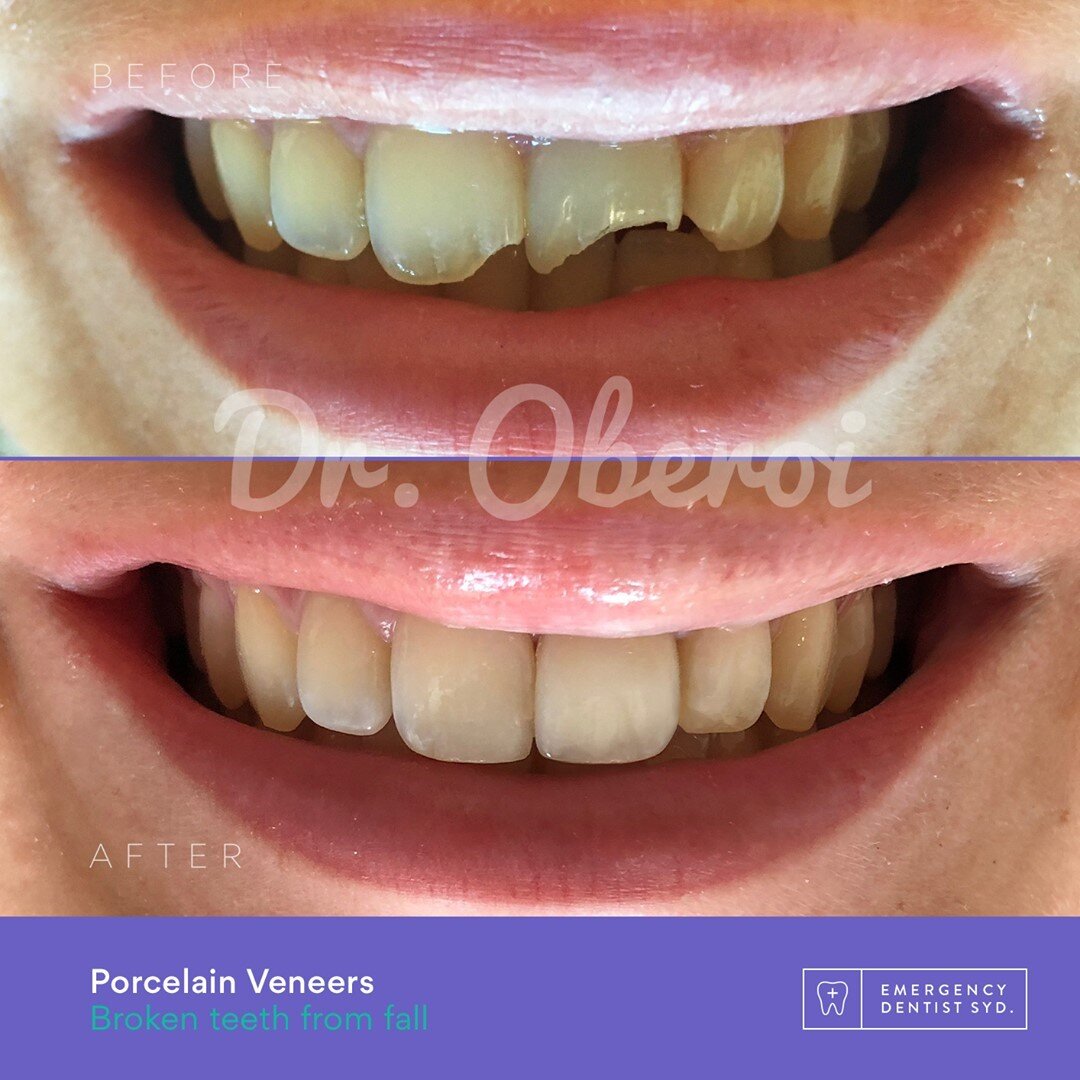

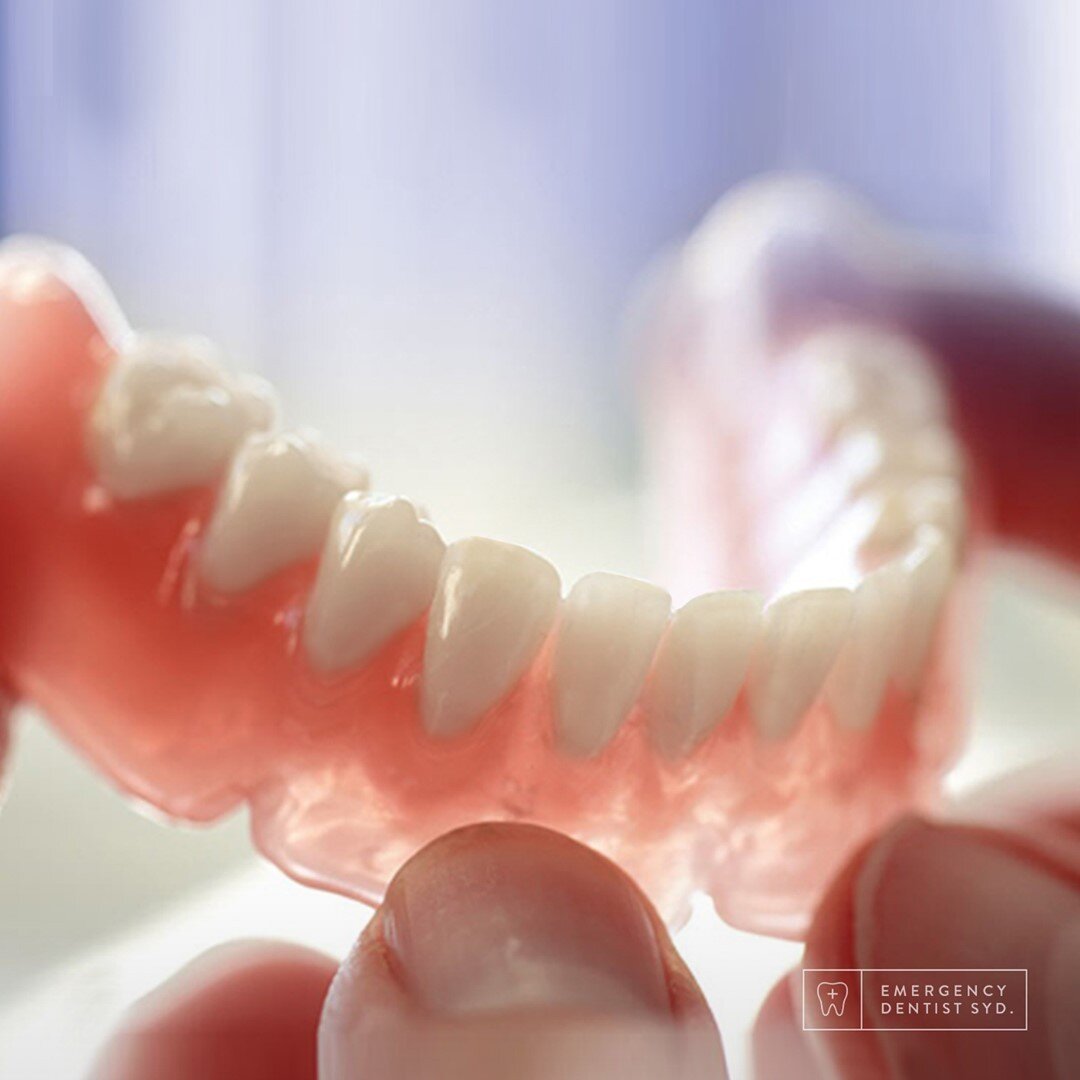



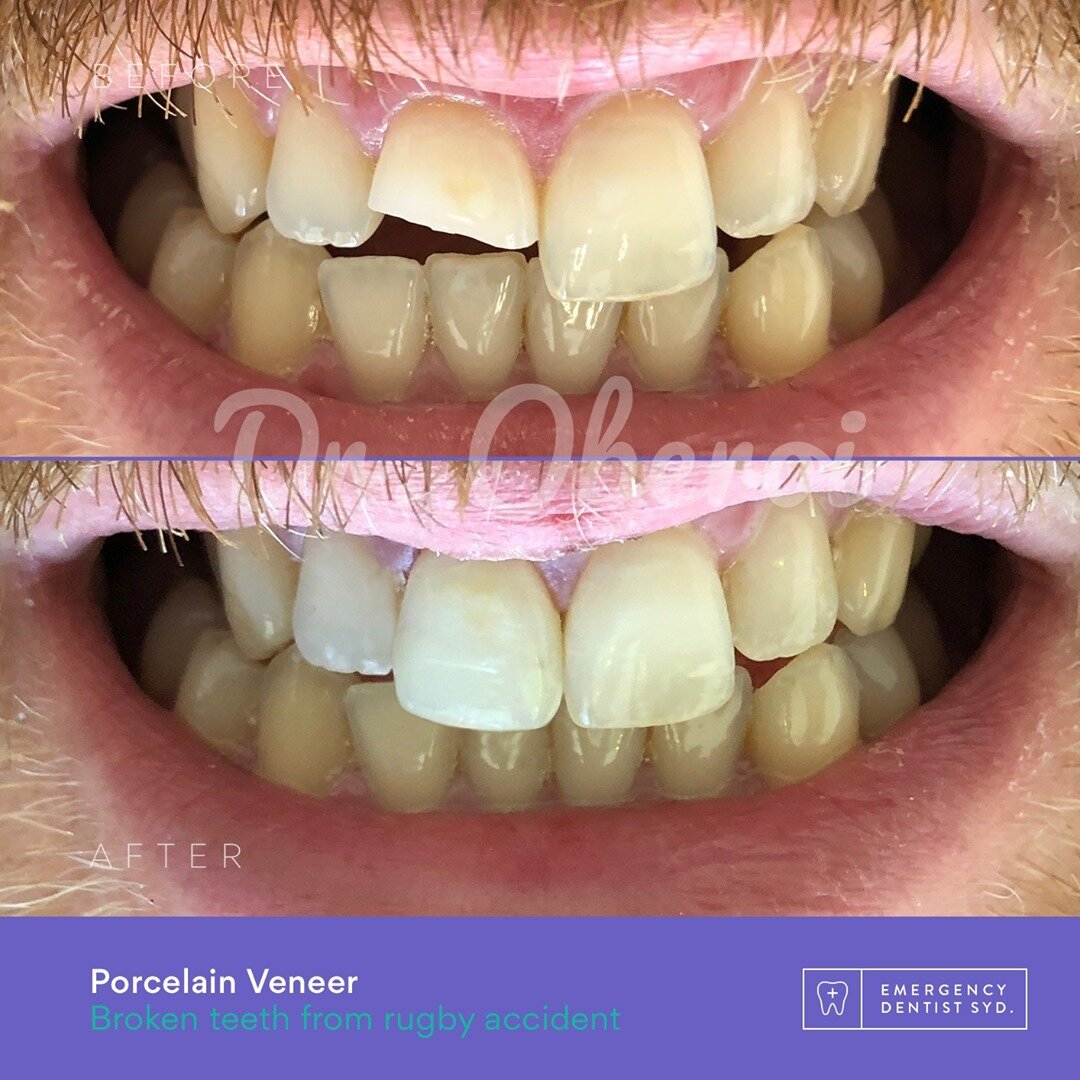
For 15 years, we've had one mission - when Sydney has a dental emergency, Emergency Dentist Sydney is there
We're proud to celebrate 15 years of providing emergency dental services to Sydney CBD and surrounding suburbs.