

What Is Your Tongue Trying to Tell You?
Your dentist’s best advice about problem tongues
Your dentist’s best advice about problem tongues
You probably don’t think about the health of your tongue until something goes wrong. But when it does, it can cause a lot of disruption to your life.
Your tongue allows you to taste your food, swallow, and helps you to talk, which is why tongue problems can be so frustrating and uncomfortable. A healthy tongue is pink and covered with small nodules called papillae. When and if this changes, you’ll probably need to make a visit to your after hours dentist to get it checked out.
White Tongue
If your tongue changes from pink to white, then it can be a sign of some serious and not so serious problems. However, as with any noticeable change in your body, it’s important that you get your white tongue checked out by your dentist as soon as possible. Your dentist will be able to identify what’s happening and suggest treatment options.
Some of the conditions that can cause a white tongue are:
Oral thrust
This is a yeast infection that causes white patches on the tongue, gums and inner cheeks. It can be caused by certain medications and is most common in infants, the elderly, and in people with compromised immune systems. This form of white tongue isn’t life threatening, and it can be cleared up using medications or by eating live yoghurt to rebalance the bacteria in your mouth.
Leukoplakia
This is a condition that causes excessive cell growth inside the mouth. It isn’t dangerous on its own, but it can be a precursor to cancer, so you need to get it checked out by your dentist.
Oral lichen planus
This is a mysterious condition with no known cause, but it usually goes away on its own. It often causes a raised network of lacy white lines over the tongue. If you have this condition, make sure your oral health is good by avoiding toxins like alcohol and tobacco and practice good oral hygiene. This will help the condition clear up faster.
Red Tongue
Your tongue should be pink, not red. If this changes, it may be because of the following conditions:
Geographic tongue
This causes patterns of red spots that can have a white border around them over the tongue. This condition is usually harmless, but you should have it checked with your dentist if the patches linger for more than 2 weeks.
Scarlet fever
Scarlet fever can cause your tongue to go red, so if you have a temperature then see your doctor for antibiotics.
Vitamin deficiencies
If you’re deficient in vitamin B-12 or folic acid it can cause your tongue to turn red.
This usually affects children under the age of five and can cause a red tongue. If caught early the disease is easily treatable, so make sure you take your child to the doctor if you suspect they have this illness. It also causes a high fever and redness and swelling in the hands and feet.
A Hairy Black Tongue
This may look a little scary, but it’s usually harmless. If your tongue looks black and hairy it means that the papillae have become too long. It most often occurs in people who have poor oral hygiene habits, are on chemotherapy or antibiotics, or suffer from diabetes. So, if you experience this issue, try to improve your oral hygiene and talk to your doctor about your options.
Sore Tongue
Sometimes, the problem with your tongue isn’t that specific. It may just be sore or have small bumps in it that hurt when you eat. These types of problems are extremely common and most of the time they’ll go away on their own. However, if the mouth pain lingers, make an appointment with your dentist to get the problem checked. They’ll be able to give you peace of mind and tell you what’s happening to your tongue and how to fix it.
Some things that can cause tongue soreness are:
Canker sores, which are often caused by stress.
Smoking, which can irritate the surface of your tongue.
Trauma or injuries such as biting or scalding your tongue on food.
Burning tongue syndrome, which occurs in postmenopausal women and causes a burning sensation.
Inflamed or irritated papillae.
Diabetes can cause tongue soreness.
Oral cancer, which causes lumps on the tongue that are often painless.
If you’re concerned about tongue lumps or soreness, visit your dentist to get it checked out. There’s no shame in being wrong, and it’s far better than worrying about it or neglecting a growth that could turn into something very dangerous.
Emergency Dentist Sydney Says:
If you have a dental emergency, contact our Emergency Dentist in Sydney. Our caring and expert staff are available 24 hours a day to help you with all your emergency dental needs.
NEED ADVICE OR EMERGENCY DENTAL CARE IN SYDNEY CBD?
Contact our friendly team


Pericoronitis and Wisdom Teeth
Why It’s Important to See Your Dentist as Soon as You See Signs of Wisdom Teeth
Why It’s Important to See Your Dentist as Soon as You See Signs of Wisdom Teeth
Good dental health involves more than brushing twice a day. You can take extra care of your teeth and gums by maintaining healthy eating habits and visiting your dentist for regular check-ups. These practices can prevent dental problems such as tooth decay but there are still a number of other conditions and problems that you need to look out for. Pericoronitis can be a concern during your late teens and early twenties, when your wisdom teeth come through. It’s a potentially serious condition that can cause long and short term problems for your oral health. That’s why we’ve created this quick guide to this condition, so you can spot it while it’s still easy to treat.
What is Pericoronitis?
Pericoronitis is an infection in the gums around the wisdom teeth and it usually causes pain, swelling and discomfort. The infection surrounds the crown of the wisdom teeth and usually occurs when the wisdom teeth is only partly-erupted. This happens because they are partially erupted, leaving gaps and holes in the gum making it easy for food or plaque to enter and spread.
Signs and Symptoms
You should see your dentist as soon as you feel your wisdom teeth coming through. Your dentist can then take an X-ray to see if there’s enough room for the new teeth, and advise you on your options. They will also be able to see if there are any gaps, holes or gum flaps caused by the growth of the teeth that could cause problems. However, if seeing your dentist is not an option at the time, you need to watch out for signs of infection around your new teeth. There are several symptoms of pericoronitis that you should be aware of including:
Pain in and around the affected area.
Swelling of the gum around the tooth.
Swelling of the face or throat on the infected side.
A bad taste in the mouth or bad breath caused by leaking pus.
How to Treat Pericoronitis
If the infection around the base of your wisdom tooth is mild, you can treat it by rinsing with warm salt water and making sure the gaps in your gums are kept clean. You also need to make an appointment with your dentist as soon as possible. Pericoronitis is usually a sign that your mouth is too crowded for your wisdom teeth, and they will need to be removed before they cause further problems.
If the infection is more severe, with obvious swelling in your face and neck, see your dentist immediately. You will need antibiotics to clear up the infection, and it’s a good idea to take some painkillers as well.
Emergency Dentist Sydney Says:
For professional and emergency dental care, make an appointment with our helpful staff here at Emergency Dentist Sydney.
Need Advice Or Emergency Dental Care In Sydney CBD?
Contact our friendly team


Why Do Some Root Canal Treatments Fail?
And Why It Isn’t Your Dentist’s Fault
And Why It Isn’t Your Dentist’s Fault
Root canals aren’t usually people’s favourite procedures. If you have to have one, it means that you’ve probably been in pain or discomfort for a while and have made a trip to an after hours dentist. After all that trouble, you probably think that the root canal should solve everything. But sometimes, your problems will continue after the root canal, meaning that you have to get further treatments. If this happens to you, then you need to know why it happens and why it isn’t always your dentist’s fault.
Why Do You Need a Root Canal?
In basic terms, people need a root canal when the pulp or inside of their tooth has become infected. During a root canal, the nerve and pulp inside your tooth are cleared out and the area is sealed so that bacteria can’t get in there again. To complete the procedure, your dentist will usually put a crown over the top of the tooth to increase its strength and repair its appearance. This procedure usually alleviates any pain immediately because the nerve, the part of your tooth that registers pain, is gone. And once the area has healed, you will be able to go back to your normal eating routine and probably won’t even notice that you ever had the procedure done.
If you have an infected tooth, your dentist will usually try to treat the infection with antibiotics first. However, if the infection has gone too far, if it threatens the health of surrounding tissue, it’s usually better to perform a root canal. Otherwise it can cause problems such as abscesses or pain and infection in other parts of the face and even in the rest of the body.
Some causes of tooth pulp infection include:
A cavity that has been left too long.
A crack or chip that hasn’t been repaired and has let bacteria into the centre of the tooth.
Repeated procedures on a tooth.
Gum infections that have been left untreated and infected a tooth.
Face traumas.
What if the Root Canal Doesn’t Work?
Most people who get a root canal go back to their normal lives without any further problems. In fact, between 90 and 95 percent of root canals are completely successful. However, there are a small percentage of people who aren’t so lucky.
There can be a number of reasons why a root canal may fail. And the first and most common is related to the original infection. As Doctor Oberoi from Emergency Dentist Sydney says about root canals, “If they haven’t been done properly in the first place and the infection is still there they can fail.” That’s why you need to make sure that your root canal is done by a properly qualified and experienced after hours dentist.
Another reason why a root canal may fail has to do with the condition of the tooth itself. Doctor Oberoi points out, “…if there’s a crack in the tooth then it can affect the root canal. That’s why we usually recommend putting a crown over the tooth.”
A root canal may also fail if it isn’t taken care of after the procedure. You need to make sure that you follow your dentist’s instructions closely when it comes to after care. Otherwise the gum or surrounding teeth could become infected, resulting in more dental work.
Emergency Dentist Sydney Says:
If you need a root canal or any other emergency procedure, contact our Emergency Dentist in Sydney. Our caring and expert staff are available 24 hours a day to help you with all your emergency dental needs.

How is Pain Relieved in Dental Emergencies?
Why Your Dentist Can Help Immediately
Why Your Dentist Can Help Immediately
Dental pain can be scary. You’ll probably worry about the cause, about the treatment, and about how long you’ll have to tolerate the discomfort. But the one thing you don’t have to worry about is whether an after hours dentist can help. Your dentist has a variety of treatments that can alleviate your pain almost immediately. And this is the best strategy for allowing you to get back to your regular schedule once more.
About Dental Pain
Dental emergencies can happen anytime and without warning. This will usually be accompanied by pain, which can feel like the following:
General mouth pain which is hard to localise.
Sharp pain like someone’s stabbing at your tooth or gum.
Throbbing pain that’s like a heartbeat in your tooth.
Low grade pain that spikes when you eat or drink anything.
If you experience this type of pain and you can’t get to your after hours dentist immediately, there are some easy, short term ways to deal with the pain. According to Dr. Oberoi from Emergency Dentist Sydney, “Nurofen and Panadol are the best options for pain relief in the short term.” This will allow you to cope until you can get the problem fixed.
Common Causes of Dental Pain
There are a number of things that can cause dental pain including the following:
Tooth decay.
A broken filling.
A tooth abscess.
Infected gums.
Damage from repetitive movements such as grinding or chewing.
Pain Relief Options in Dental Emergencies
Once you get to an after hours dentist, they have a lot of options that will help relieve your pain during dental emergencies. These can be used to make your dental appointment much more pleasant and to relieve ongoing pain as the problem heals.
The most effective option for removing the pain caused by a toothache according to Dr. Oberoi is, “By removing the infection and draining it, and then treating the infection through antibiotics, this is the best way to treat pain.” This will remove the source of the pain itself, rather than masking it.
However, if your pain isn’t caused by infection, there are a number of options that your dentist can use to alleviate your pain while they treat the problem. Some of the most effective solutions are:
Local anaesthesia, which is used for simpler procedures such as fillings and root canals.
Happy gas, which can alleviate pain and anxiety during most types of dental procedures.
IV sedation, which is most commonly used for more complex procedures such as wisdom teeth extractions.
Oral sedation, which is used most often for anxious patients.
Emergency Dentist Sydney Says:
There’s no reason for you to be in pain when your dentist can fix it so easily. So if you do experience it, contact our Emergency Dentist in Sydney. Our caring and expert staff are available 24 hours a day to help you with all your emergency dental needs.

Is Immediate Pain Relief Always Possible?
What to Expect When You Visit Your Dentist with a Painful Problem
What to Expect When You Visit Your Dentist with a Painful Problem
If you’ve ever had a toothache then you know how uncomfortable it can be. In fact, this is probably the most common complaint that sends people to an after hours dentist. If you experience dental pain, you might worry about how much your dentist can actually help with it. After all, how much can they do apart from give you painkillers? Well, they can actually do a lot more than give you some tablets. To understand all the ways your dentist can alleviate your dental pain, keep reading.
Causes of Dental Pain
There are a number of things that can cause dental pain and send you to the after hours dentist. Some of the most common are:
Tooth decay or a cavity.
A cracked tooth.
An abscess.
Damaged dental work such as a broken filling or crown.
Gum disease.
Infection.
Damage or strain caused by repetitive movements such as grinding or chewing.
Dental Solutions to Pain
If you’re suffering from dental pain, the first thing your dentist will do is treat the problem. So if you have a cavity, they will put a filling in. If you have an infection, they will treat the cause of the infection and clean the infected tissue. This will help to completely eliminate the cause of the pain, prevent further problems, and return you to normal functioning again. There are a number of options that your dentist can offer for pain relief including oral medication, laughing gas, and IV sedation.
How Long Until You’re Pain Free?
In most cases, your dentist can eliminate your pain almost immediately with the three different pain options available in the clinic. Once the pain is alleviated, the source of the pain can be treated. This will eliminate the pain at its source so you’re comfortable once the painkillers wear off. If the pain returns after the treatment, then it means you need to visit your after hours dentist again.
As Dr. Oberoi from Emergency Dentist Sydney says, “If the pain gets worse or comes back it means that something has gone wrong or the issue hasn’t been addressed.” So talk to your dentist if you experience any further problems.
The only real exception to this is if you have a severe infection. Dr. Oberoi warns that, “In terms of pain relief we try and alleviate the pain straight away, and a lot of times we can. But in the case of severe infection it can take 24 to 48 hours for the pain to go away completely.” Which is all the more reason to visit your dentist before a problem gets to this stage.
What About Surgical Pain?
If you have some kind of dental surgery there will be some pain and discomfort afterwards. This is the case for any type of surgery, and it can usually be treated with over the counter pain medication. But you can also minimise your discomfort by choosing the right dentist for the surgery.
Dr. Oberoi states, “It depends on how the surgery is done. If the surgeon is careful to cause little trauma, then there’s less pain. That’s why it’s important to get the right people for your dental surgery.” So before you have any dental surgery, make sure that your dentist is well trained and experienced. That will help ensure that you have the best outcome possible from the procedure and it will cut down on your recovery time as well.
Emergency Dentist Sydney Says:
If you’re experiencing dental pain, contact Emergency Dentist Sydney. Our caring and expert staff are available 24 hours a day to help you with all your emergency dental needs.

Laser Root Canal Treatment
Why It's the Best Option for Your Oral Health
Why It's the Best Option for Your Oral Health
The root canal is a very old dental treatment and it’s something that most people try to avoid. In the old days, this treatment was frightening and painful and people only agreed to it when there was absolutely no other option. But this has all changed with the invention of laser dentistry. Keep reading to learn all about the benefits of laser root canal treatments and how it can make visits to your after hours dentist much easier.
What is Laser Dentistry?

Laser dentistry uses focused beams of light to clear away and reshape tissue in the mouth and this can be used in a range of dental procedures including root canals. During a root canal, your dentist will use the laser to open a hole in your tooth and clear out the diseased tissue. The laser can also be used to shape and prepare the canal so it can be filled. This new root canal procedure has a number of benefits over the old one, where dentists used a drill to open the tooth. So if you have a toothache late at night and worry about going to your after hours dentist for a root canal, make sure you talk to them about laser procedures.
The Benefits of Laser Root Canal Treatment
When dentists started adopting the use of lasers in their procedures, it was a great step forward for dentistry as a whole. Here are some of the benefits of using a laser during root canal treatments specifically, though many of them apply to other procedures as well:
Faster procedures
During old root canal procedures, a drill was used to cut through the tooth and then the dentist manually removed the damaged tissue within the tooth. This was usually a very slow process. But performing these tasks using a laser is much faster, with the whole procedure usually taking less than 30 minutes from start to end.
Less bleeding and damage
Lasers are much more precise than drills, which means there are less damage and bleeding. So after you have a laser root canal, your recovery time will usually be much shorter than with the older procedure.
Fewer infections
Because lasers are so precise, they ensure that all the diseased tissue is removed from within the tooth. This cuts down on the rate of infection after the procedure, which ensures a better outcome.
Healthy tissue is better protected

One of the problems with the old root canal surgery was the fact that healthy tissue around the affected tooth was sometimes damaged by the drill or by other instruments. But because the laser is so precise, this is much less likely to happen during the new procedure.
The drill isn’t always necessary
One of the worst things about root canals is the sound of the drill as it opens up your tooth. But because of the laser, most dentists don’t use a drill at all during a root canal these days. And if it is still necessary, it will be for a much shorter time.
Better outcomes
All the benefits of laser root canals add up to one thing, better outcomes. If a root canal doesn’t work, it usually means that the tooth has to be extracted. But because this procedure is so effective, this is much less common these days as long as the new procedure is used.
Pain-free procedures
Your dentist will completely numb the tooth and the surrounding area during the laser root canal, so there shouldn’t be any pain during the procedure. However, most patients report that they experience much less pain after a laser root canal than with the old version of the procedure. And that’s probably the best benefit of this new way of doing the procedure.
So the next time you need to have a root canal, talk to your dentist about whether a laser procedure is right for you.
Emergency Dentist Sydney Says:
And if you have a toothache after office hours, make sure you contact our Emergency Dentist in Sydney. Our caring and expert staff are available now to take care of all your emergency dental needs.

Our Top 5 Emergency Treatments
The Biggest Threats to Your Oral Health After Hours
The Biggest Threats to Your Oral Health After Hours

If you have a problem with your teeth at night or on the weekends, you’ll probably need to see our after-hours dentist. This is more common than you think. It’s normal to want to avoid thinking about a niggling pain in your tooth for as long as possible. But unfortunately, this means that it can flare up just at the wrong time. When this happens you’ll need to see a dentist as soon as possible. At our Emergency Dentist in Sydney, we see all sorts of dental problems after hours, but there are some that are more common than others. To learn about these procedures, and their treatments, keep reading.
1. Extractions
If you have a tooth that’s too damaged to fix then you may need an extraction. This type of damage is usually caused by injury or decay. During an extraction the affected tooth is removed from the socket bone. If the tooth is clearly visible in the mouth, your dentist will loosen it and then remove it with forceps. However, if the tooth is broken off below the gum line or hasn’t come through the gum then it will have to be removed surgically. This is a more complicated procedure during which the gum is opened up to remove the offending tooth.
2. Root Canal Treatment
If you have an infection or inflammation in a tooth then you may need a root canal. This is a very common reason for trips to the after-hours dentist and causes a great deal of pain and discomfort. Tooth infections happen by deep decay, a chip or crack in the tooth, or previous dental surgeries.
If you need to have a root canal your dentist will remove all the infected pulp from inside the tooth. The whole area will be cleaned and sterilised to remove all traces of the infection before a filling is inserted into the tooth to replace the tooth pulp. This procedure can save the affected tooth and help you avoid further surgeries.
3. Fillings & Dental Bonding
If you have a hole in your tooth because of decay, then you’ll probably need a filling. This is a very common procedure and an easy way to alleviate the pain that can occur with decay. During a filling procedure, your dentist will remove the damaged section of the tooth and replace it with a filling. A filling can be made of a number of different types of material depending on the size of the hole and its position in your mouth.
Another common emergency procedure is dental bonding. This is the cheapest and quickest way to improve the appearance of a damaged, broken or decayed tooth. The bonding material is attached to the surface of the tooth and vastly improves its appearance. During this procedure, your dentist will lightly abrade the surface of the affected tooth, apply a conditioning liquid and attach the resin. This is like plastic, so it can be moulded to fit the shape of your tooth. The material is smoothed and then hardened using an ultraviolet light.
4. Wisdom Teeth
Wisdom teeth usually grow in the late teens or early twenties. Unfortunately, not everyone has enough room in their mouth for these extra teeth. If this is the case for you, the new wisdom teeth can push other teeth out of the way or become impacted, causing infection and pain. This can come on quite suddenly and result in a trip to the after-hours dentist.
At the dentist, you will need to have an exam to determine what the problem is and what has to be done to alleviate it. If there isn’t enough room for your wisdom teeth, you will probably need to have them taken out. However, wisdom teeth can also cause pain in the gums and jaw when they’re coming through. So even if they hurt, you won’t necessarily have to have them removed. That’s why it’s important to get them checked so you can plan your next step.
5. Re-cementing of Crowns, Veneers & Bridges
Crowns, veneers and bridges are all used to replace missing or damaged teeth. Crowns are used to encase an entire tooth. They’re most often used when the tooth is decayed or damaged and improve the strength and the appearance of the tooth. Veneers cover the front side of the tooth, the part that faces outward, and improve the appearance of a damaged or broken tooth. And finally, a bridge is an artificial tooth that’s attached to surrounding teeth.
Despite the strength and durability of these dental additions, they can sometimes become damaged or loose. This can occur when the procedure is fairly recent and hasn’t completely set yet, because of injury, or while you’re eating something hard. If you lose a crown, veneer or bridge, your dentist will need to evaluate the area to see if the original addition can be re-applied. If not, you will have to decide what step to take next. If the dental addition can be reapplied your dentist will clean your mouth and the implant and reattach it.
Emergency Dentist Sydney Says:
If you have a toothache after office hours, make sure you contact our Emergency Dentist in Sydney. Our caring and expert staff are available now to take care of all your emergency dental needs.

Can Toothache Be Prevented?
How to Avoid Toothaches by Protecting Your Oral Health
How to Avoid Toothaches by Protecting Your Oral Health
Toothaches are fairly common but also extremely unpleasant. There are a number of problems that can cause toothaches including infection and abscesses. However, the most common cause is tooth decay. When this occurs, it means you will have to make an expensive trip to the dentist for a filling. Fortunately, it’s also fairly easy to avoid this kind of toothache. You just need to take better care of your oral health with the following steps.
1. Regular Brushing
You should brush your teeth at least twice a day for at least 2-3 minutes if you want to avoid emergency trips to the dentist with a toothache. And don’t guess at the timing either, make sure you take a watch with you, at least while you’re getting used to your new habit.
2. Floss Every Day
Brushing is good but it can’t get rid of the small particles of food that get stuck between your teeth. Flossing at least once a day will help you avoid the build-up of food and bacteria between your teeth that causes cavities.
3. Avoid Sugar and Sticky Foods
The bacteria in your mouth need sugars to survive and multiply. This means that your diet is incredibly important in determining the health of your teeth. Try to avoid sugary foods like soft drink and juice. You should also cut down on the amount of sticky foods you eat because they can easily become stuck to and between your teeth. This means cutting down on candy and caramels, or at least brushing and flossing well when you do eat them.
4. Eat Vegetables
If you want healthy teeth and a healthy body you need to eat lots of raw, healthy vegetables. Vegetables are packed with essential vitamins and nutrients and they also contain lots of water, which can help to clean the bacteria from your teeth.
5. Drink Lots of Water
Water is essential for every system in your body and that applies to your teeth as well. Drinking water helps to wash bacteria away from your teeth and it also encourages saliva production, which protects your teeth in between brushing.
6. Have Regular Check-Ups
If you want to keep your mouth healthy, you need to visit your dentist twice a year for a check-up. Your dentist will be able to see signs of problems early, which is key to quick and easy treatments. This will help you avoid late night visits to your after hours dentist. Your dentist will also give your teeth a complete and thorough cleaning, which will improve your overall oral health.
Emergency Dentist Sydney Says:
If you have a toothache after office hours, make sure you contact our Emergency Dentist in Sydney. Our caring and expert staff are available now to take care of all your emergency dental needs.

Don't Ignore Your Dental Health
Your Teeth and Gums are Important
Your Teeth and Gums are Important
What most people don’t know is that it is dangerous to ignore your oral health because it actually impacts your overall health. There could be a number of reasons why people ignore their dental health, such as fear of visiting the dentist or being too lazy to regularly brush your teeth. Poor dental care can lead to a number of big problems such as infection, tooth loss, and pain. We want to let you know the importance of treating your teeth and gums so that you don’t come across these big problems.
Signs of Poor Dental Care
When your dental health is being neglected, it will show in a number of ways including:
Bad breath
Receding gums
Stained or rotten teeth
Loose or broken teeth
Avoiding the dentist
Not brushing and flossing regularly
If left ignored and untreated, these conditions will eventually lead to bigger problems affecting your overall health.
The Dangers of Poor Dental Care
Neglecting your dental health can lead to more than rotten teeth and bad breath. If teeth aren’t thoroughly cleaned and checked regularly they can get infected. This can lead to pain and inflammation, and even to tooth loss. The infection from your mouth can even get into the bloodstream and infect other parts of the body, including the heart. In cases like this, the consequences can be very serious. You may only suffer from sore gums and sensitive teeth at first, but over time a lack of dental hygiene can negatively affect your entire system and overall health. It is vital to visit your dentist before it gets to this stage.
What You Can Do
If you’ve been neglecting your dental health for whatever reason it’s important that you take measures to ensure it doesn’t get worse. See your dentist as soon as you can and establish good hygiene habits. This means brushing twice a day and flossing.
Emergency Dentist Sydney Says:
Taking care of your teeth and gums should be your top priority. Don’t ignore your dental health and you will have a smile you’re proud to show off.

I Have an Abscess
So You Have an Abscess. What Does That Mean?
So You Have an Abscess. What Does That Mean?
Your mouth is a sensitive and delicate area which is why there are so many things that can go wrong if poorly treated. Dental hygiene is vitally important as well as visiting your dentist regularly. One very major mouth problem is abscesses. If your mouth or jaw is aching and there is swelling and pain, you may have an abscessed tooth. Here is a guide on everything you need to know about abscesses.
What is an Abscess?
An abscessed tooth is an infection within a tooth. It is a pocket of pus that forms at different regions of the tooth and for different reasons. A gingival abscess (gum abscess) occurs on the surface of the tissue at the gum line of the teeth. If left untreated, it can lead to a periodontal abscess which the abscess on the tissue of the gum line drives deeper into the gum pockets. A periapical abscess commences in the soft pulp of the tooth, which later on will travel down to the nerves of the tooth.
Wherever the location of your abscess, it will become inflamed and can swell severely, obstructing your ability to chew or swallow properly. The abscess will keep growing and causing more pain so it is important to visit your dentist as soon as these symptoms occur.
Other symptoms of an abscess usually include:
A reddened area around the site
A bad taste in your mouth
Swollen face
Sensitive teeth to hot or cold food and drinks
Swollen glands in the neck
A pea-sized bump inside the mouth
As your condition advances, you may experience other symptoms such as a fever, vomiting, chills or nausea.
Where Do They Come From?
An abscess usually occurs because of poor dental health. Your mouth naturally contains bacteria but when your teeth are not regularly cleaned well, plaque will form on your teeth and gums, resulting in infections and decay. Other possible causes include:
Gum disease (gingivitis)
Dental injury (cracked tooth)
A poor diet
Some medications
Neglecting small wounds in the mouth or surgical sites from previous dental visits.
How Can They Be Treated?
If you have an abscess, you need to visit your dentist immediately. This is especially important if you feel sick or have any other symptoms of an advanced infection. The treatment depends on the seriousness of your condition but usually your dentist will drain the site to get rid of the pus and give you painkillers and antibiotics to combat the infection. A root canal treatment can also be carried out. A tooth extraction only happens if it is a severe infection of the tooth that cannot be saved.
If your abscess ruptures at home, before you can get to the dentist, rinse with warm water to help clear out all the pus and see your dentist as soon as possible.
Why You Shouldn't Delay Treatment
Waiting for the pain to subside or delaying treatment is the last thing you want to do. The pain may stop but that doesn’t stop the infection. The infection will continue to spread, leading to bigger problems. Early treatment can cure the infection and save the tooth.
Emergency Dentist Sydney Says:
If you suspect an abscessed tooth, it is crucial to visit a dentist as soon as possible, even if you are not in any more pain.
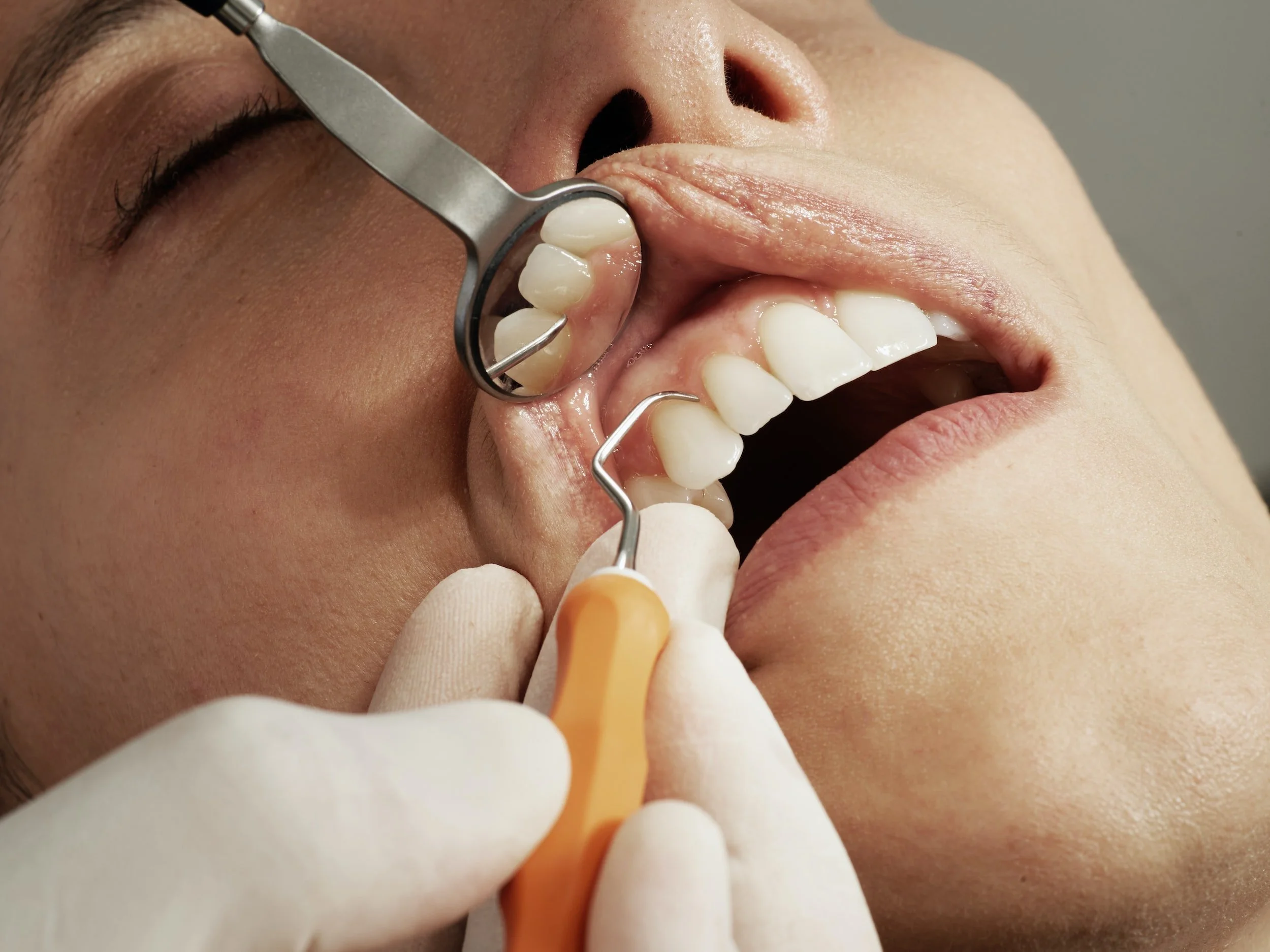
Does a Toothache Always Equal an Extraction?
Does toothache equal extraction automatically? The answer is a little more complicated than you might think...
Here's The Rundown
You've been up half the night thanks to the pain from that nagging aching tooth. Come to think of it, you were up half of the night before as well. Painkillers from the local chemists aren't even touching the pain anymore and you know you really should book an appointment with a dentist ASAP. But you don't like needles and pain, you're not even that fond of dentists and you really don't want to go through a tooth extraction. So you're stalling...
But does toothache equal extraction automatically? The answer is a little more complicated than you might think...
What's Causing the Pain?
Before you start ringing around dentists in Sydney asking about tooth extraction pricing it's important to understand one thing; tooth pain has lots of different causes and they don't all mean that the first thing a dentist is going to want to do is yank the offending tooth out. In fact, it's probably the last thing they want to do as they actually spent all of those years in dental school learning to save teeth rather than just do extraction after extraction.
Alternatives to Tooth Extraction
Because there are lots of different reasons a tooth might be giving you trouble, there are also lots of ways to treat these problems. If a cavity is the culprit then a simple filling may be the answer. If it's actually a gum infection - something that's more common than you might think - then a good deep cleaning and a course of antibiotics often works wonders. A tooth extraction is not even the automatic recommendation when the pain involves wisdom teeth, whatever you might have been told. And the pain may not really even be coming from a tooth at all.
Getting to the Root of the Problem
As we mentioned, the real key to getting to the root of the problem when it comes to a toothache is a careful, considered dental examination. This will often involve taking x-rays and a chat about your past dental history as well as a routine exam. Only then can a dentist figure out what's really going on and present a patient with their treatment recommendations and options.
Isn't It Just Easier to Get a Bad Tooth Out?
In some cases, the problem that's really been causing a nasty toothache may come along with several different possible treatments options and yes, one of them might be extraction and that may sound like it's the quickest, easiest and possibly least expensive way to go.
However, before you choose that option based on time or money, listen carefully to what your dentist as to say. Every tooth in your head is there for a reason, even those pesky wisdom teeth, and if it's no longer there may very well be downsides you don't really won't 'get' until it's too late and the tooth is gone for good.
The #EmergencyDentist Says:

Don't automatically assume that an aching tooth is one that's going to have to come out. Give us a ring, come in for an appointment after hours, or when needed, and we'll work out the best course of treatment for you and your tooth.
Don't forget to checkout our Dental Emergency Care Tips if you're experiencing discomfort.
Patient Care First

Keep Up-To-Date with All Things Oral & General Health
RECENT ARTICLES




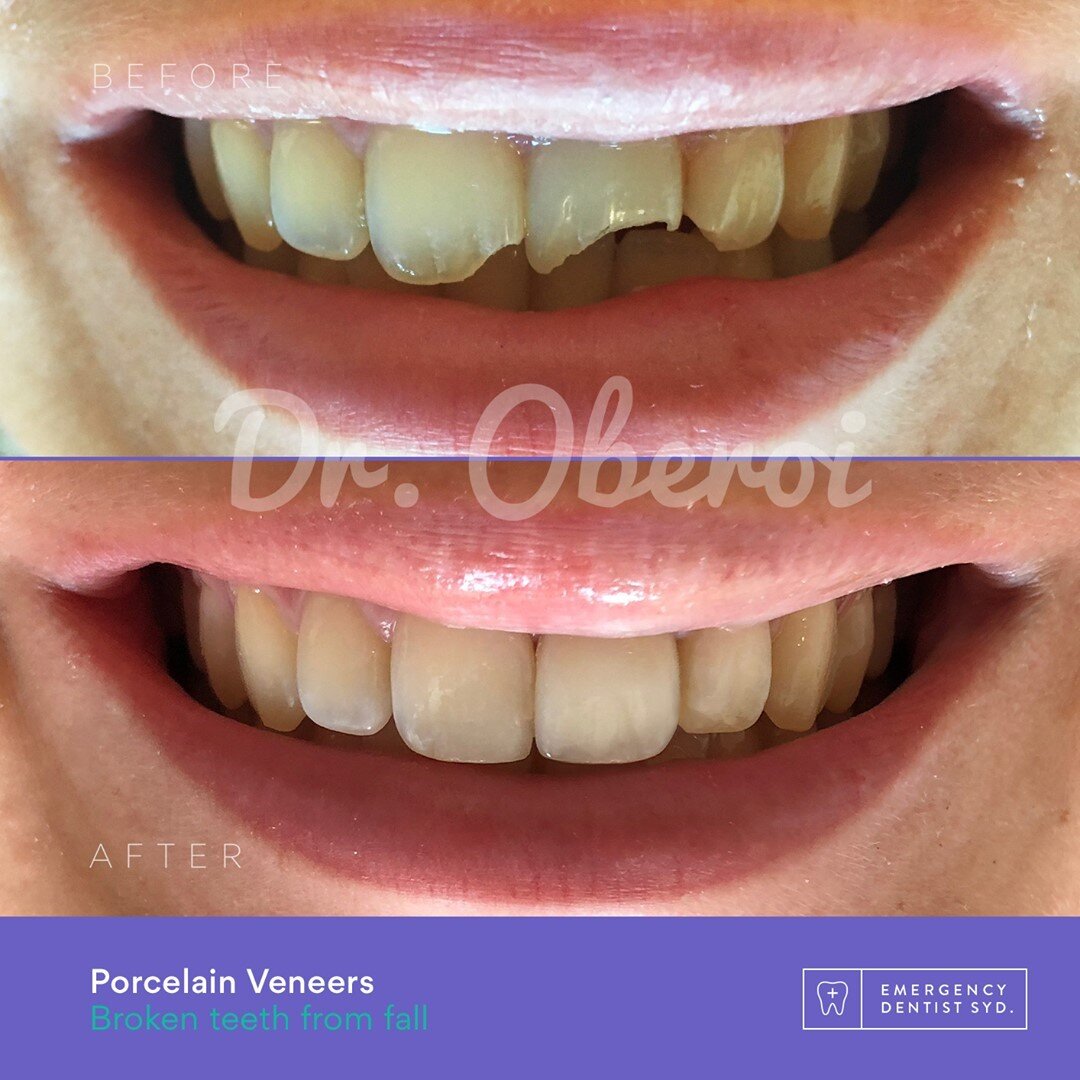

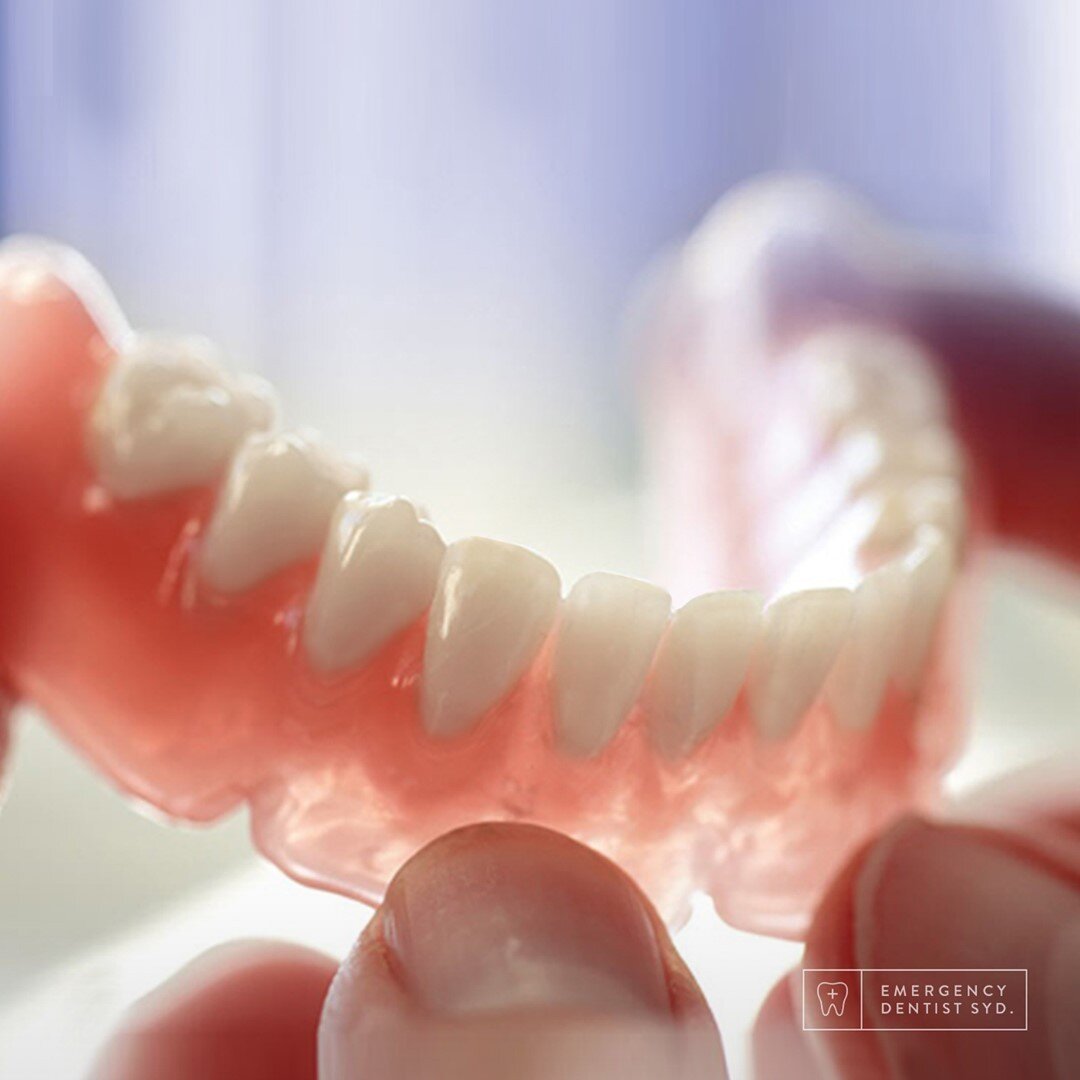



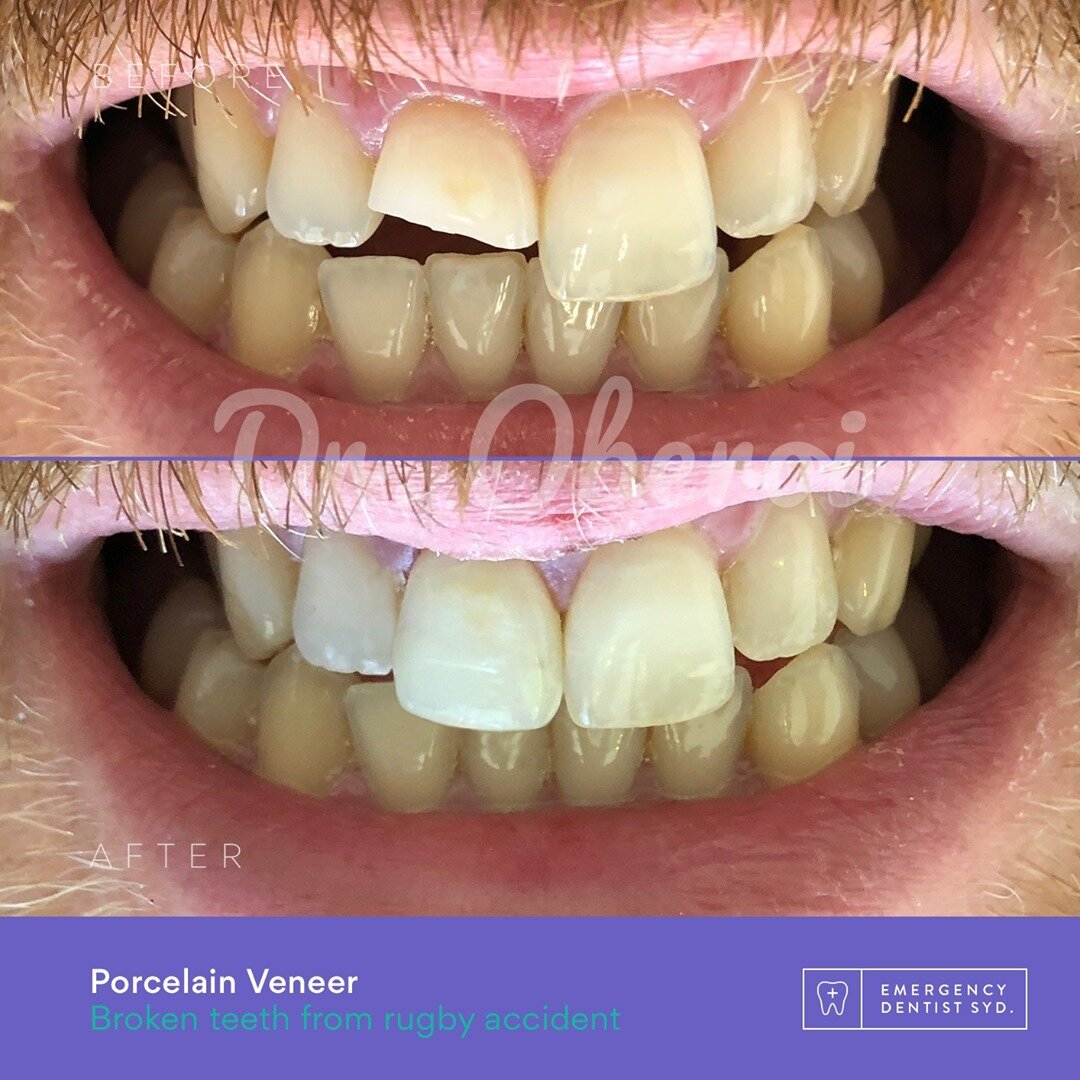
For 15 years, we've had one mission - when Sydney has a dental emergency, Emergency Dentist Sydney is there
We're proud to celebrate 15 years of providing emergency dental services to Sydney CBD and surrounding suburbs.