
Why You Should Never Just Assume You Need a Filling
Toothache
Toothache

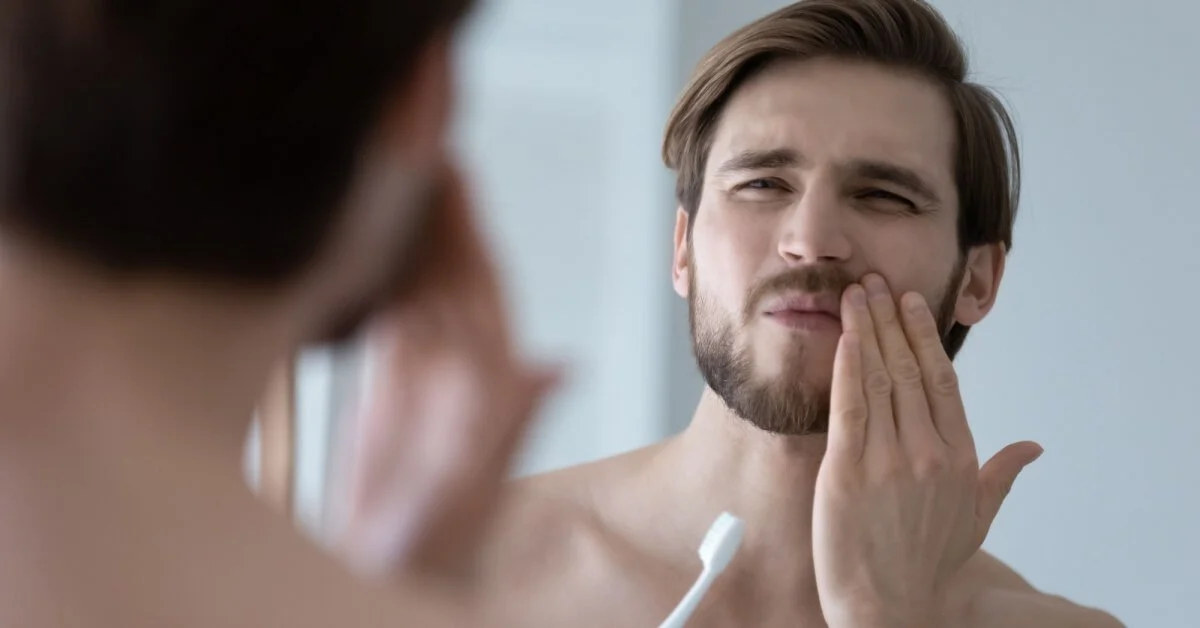
Even if you are usually fairly fastidious about your oral healthcare routine, and you try your best to keep up with those recommended regular dental checkups there may very well come a time when you are blindsided by a sudden toothache. Not fun, and often not easy to soothe.
It's at this point that many people assume that, despite all of their best efforts, they have a cavity and it's time to steel their nerves to head into the dentist's office for a filling. However, although often that does turn out to be the case (and modern fillings are painless and very natural looking by the way, so it's not the end of the world) it is not always a cavity causing that pain, and other forces may be at work.
Here's a look at some of the other possibilities...
Sensitive Teeth
If the pain occurred - or occurs - after eating or drinking something very hot, or very cold, then it may be caused by a fairly simple case of sensitivity. While there are lots of toothpastes available that are designed to help ease this the best first course of action is a visit to the dentist. There he or she will be able to rule out things like excessively thinning tooth enamel or receding gums, conditions which have to be treated in a different way, and then recommend a suitable daily oral health care routine to follow in the future to minimise the problem.
Cracked or Chipped Tooth


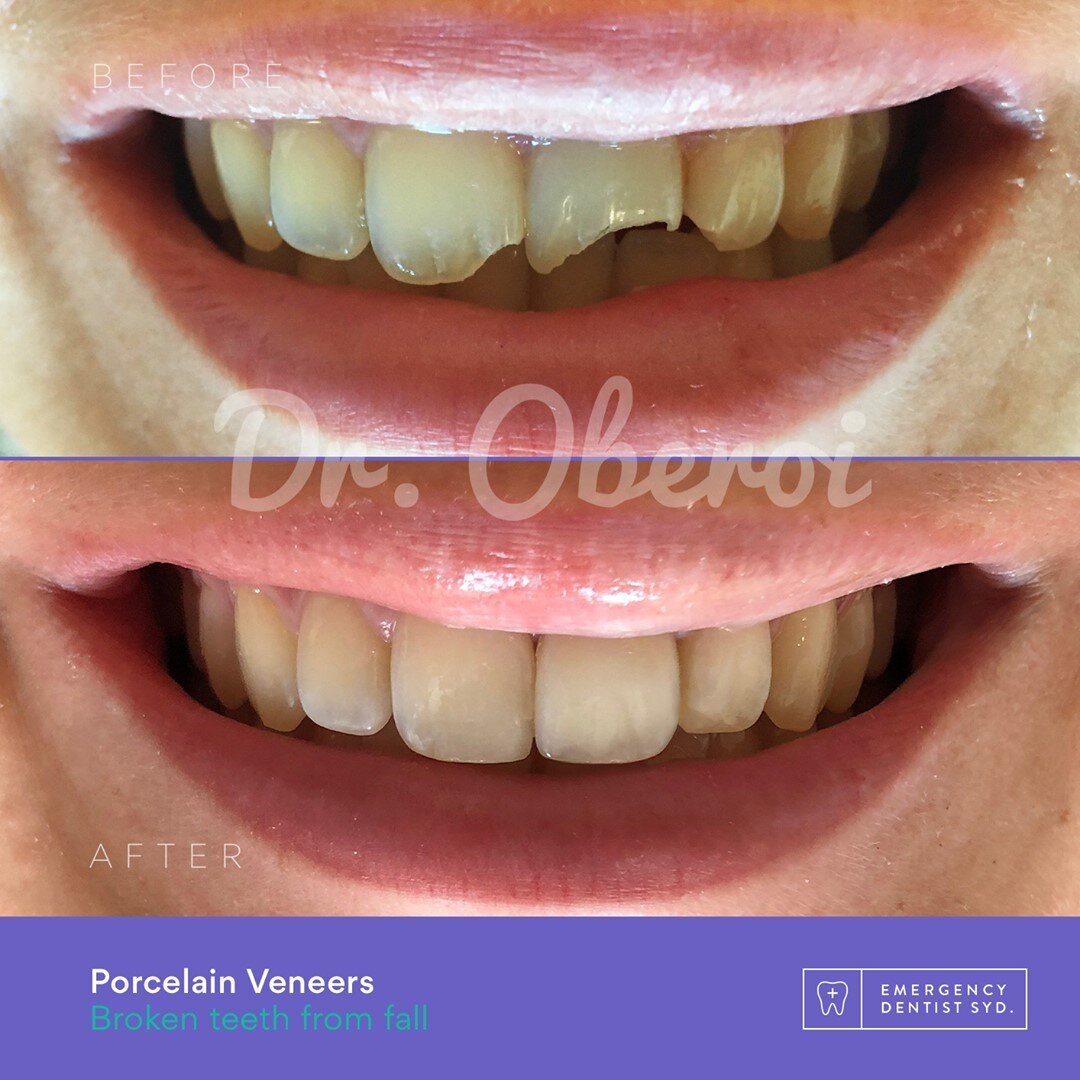
Even if you can't quite see it a crack or chip in one of your tooth may be the cause of your discomfort, as even the smallest of these can expose a nerve, leading to a surprising amount pain. Your dentist has a number of methods at their disposal to repair these defects, but they can't do that until you go in and see them!
Gum Disease
Sometimes the pain you assume is radiating from a tooth gone bad is actually coming from the gum surrounding it instead. A gum infection, which can be caused by a number of different things, can be excruciatingly painful and does need to be treated as soon as possible. Often a course of dental laser treatment and cleaning, along with medication to clear up the current infection, is extremely effective and you can be out of pain very quickly.
TWhen You Need More than a Filling
Some tooth decay cannot be effectively treated with just a filling. If a tooth is significantly damaged by decay its root is often affected as well, and in this case slightly more treatment is called for, often in the form of a root canal, if the tooth is to be saved. This is a scary prospect for many, as they have heard nightmarish tales of pain and agony that lasts for days. This is not the case at all in the 21st century. A root canal can be performed quickly and efficiently using dental lasers and the pain and discomfort is minimal (really).
Emergency Dentist Sydney Says:
It's easy to try to treat a toothache at home because you don't have the time/patience/guts to head to the dentist's to get it properly diagnosed and treated. But even if a toothache seems fairly minor, or it comes and goes, tooth pain is always a sign of a problem of some kind, and the faster you get it treated the better off you - and your oral health in general - will be.

What Should You Expect From an Emergency Dentist in 2017
Our Take
Our Take

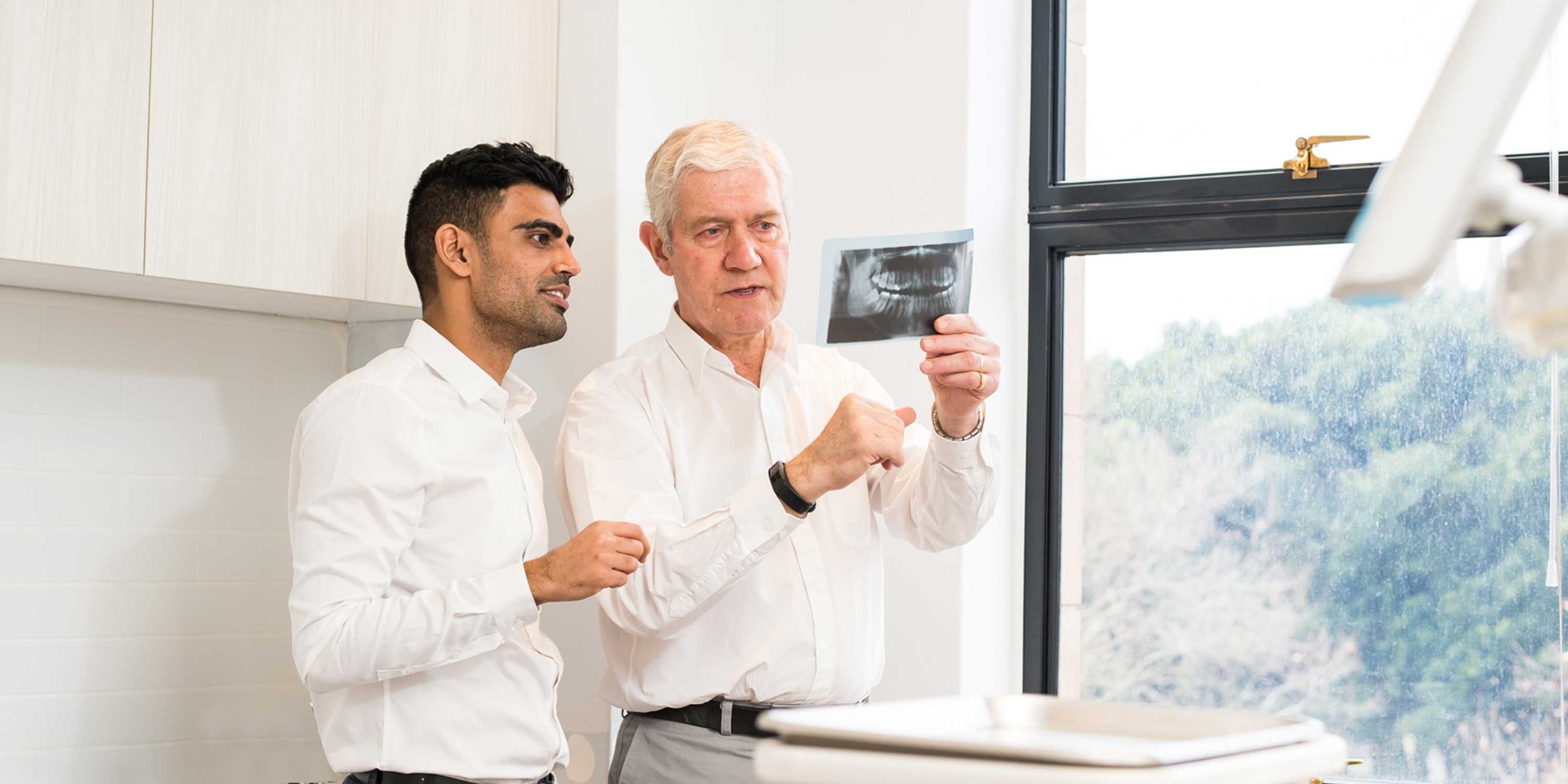
Pictured: Dr David Graham & Dr Amrinder Oberoi
Patients have always had certain expectations they want their dentist to meet. They have always looked for expertise and compassion, experience and that all important gentle touch. Most of us have also always preferred to go to a dental surgery where the surroundings are clean and comfortable and the staff are nice and friendly. In 2017 however, patient expectations are even greater, and now, to satisfy the modern dental patient a practice needs to offer a little more. And why not? Anyone does have the right to expect great care AND great service from their dentist. But what kind of things should a 21st century dental practice be providing, apart from fantastic oral health care?
Here's what we think
Easy Appointments

Who has the time to spend ten minutes on hold on the phone to make a simple appointment? Not everyone. 'Back in the day' of course we usually had no choice, but as technology allows that to no longer be the case the best dentists should make it fast and easy to make an appointment, and it should be just as easy to change one too. We offer online appointment scheduling that allows our patients to choose the time and date of their consultation and book it online in a matter of seconds. And we think that every other dentist should be doing the same. After all we value our time, so it's only right that we value yours too.
Clear Directions

Pictured: The St James Trust Building at 185 Elizabeth Street, Sydney.
Who needs to spend ten minutes trying to find an address they've never been to before? To help ensure that our patients are not left wandering around like lost souls, we provide clear directions on our website - complete with map and public transport links and information. And if you are driving? You can call ahead and we'll make sure you'll have a parking spot close to the office when you arrive, so that you don't have to delay your treatment because you're driving around desperately looking for a place to park.
A Full Range of Emergency Services
No one wants to be in pain, and that really is why emergency dentists exist in the first place. But some after hours dental clinics only offer a very limited range of emergency services. We believe that for an emergency dental clinic to truly provide all of the care patients are looking for all of our services should be available after hours and at the weekends, as well as all of our helpful and caring staff.
Transparency

We have treated hundreds of patients in pain and, fortunately for us, many of those patients have later taken the time to give us some nice kudos online. Whether you are checking out of practice's reputation on Google, Facebook or another review service, we make sure you see them all. We don't pay random people to make up fake glowing reviews and we don't kill bad reviews just because we happen to disagree with them (we address them instead). We want our patients to feel secure in the knowledge that they are choosing the right dentist and think that this kind of total transparency should certainly be a big part of that. See what our patients have to say.
Extra Comforts

Pictured: Entertainment on the ceiling while you recline.
Very few people would put a trip to an emergency dentist at the top of their list of fun things to do with their evening or weekend, we know that and we're not offended. Because we are aware that a visit to our office can be a little daunting, and even a bit scary, we make sure we go the extra mile to make the experience as pleasant as possible. We always make sure there's tea, coffee and water on hand and to ease the anxiety a patient might feel while waiting to see the doctor, or waiting for an x-ray result, we installed TVs all over the office and offer access to Netflix, Spotify and YouTube so you can indulge in your favourite shows and/or music to help relax some of your cares away while we get to work on getting you out of pain.
Emergency Dentist Sydney Says:
In 2017 people want more from their dentist these days and we are happy to provide it, something that we think helps sets us apart from others and if you make an appointment to come and find out for yourself we think you'll agree

Soft Teeth
Is there really such a thing?
Is there really such a thing?

If you haven't said it yourself chances are that you've heard someone say it; I have soft teeth. But exactly what is that supposed to mean and is there really such a thing? The simple answer is no.
The Soft Teeth Myth
People often use the term 'soft teeth' to describe teeth that seem 'naturally susceptible' to tooth decay and cavities. When using the term people believe that such things are caused by some genetic flaw, as bad teeth do seem to run in their family. However, they are mistaken. Everyone is 100% in control of their dental destiny. No matter how many cavities your Dad has had fixed, or how many times your Mum has been in the dentist's chair to get bleeding gums looked at their oral health problems cannot be passed on to you.
There may be something that you have in common with your parents and other family members that may be contributing towards oral health problems; poor oral hygiene, and you are the only person who can change that.
Preventing 'Soft Teeth' Problems
Having established that there really is no such thing as soft teeth all of the problems that people associate with them are very real and do need to be addressed. Tooth decay - which leads to those fillings - is primarily caused by bacteria, and maintaining a good daily oral health routine will go a long way towards preventing it. Brush twice a day - at least - with a good toothbrush, floss at least once a day and avoid consuming too many sugary foods; it's not hard at all, but such a routine is still very effective.
There are of course other factors that can contribute to tooth decay. Those who still smoke are at greater risk and some medications can cause problems as well. The best way to address these issues is to discuss them with your dentist, so they can help you come up with a better way to care for your teeth. And speaking of the dentist, they are the other big part of the puzzle, as those regular checkups are also a must in the 'battle' against tooth decay and other oral health problems.
Setting a Good Example
The one time you can influence someone else's oral health destiny is when you are raising your kids. It's important that kids are taught about good oral health practices as early as possible, even when they still have their first set of teeth. All too often parents feel that toddler tooth problems are less serious and less worthy of treatment as the teeth kids have at this point are not permanent. Another myth. 'First tooth problems' can indeed impact the growth and development of permanent teeth and so establishing a good oral health routine right from the start, including dental checkups, is essential, and the one time it is a family issue!
Emergency Dentist Sydney Says:
It's time to face facts; ‘soft teeth’ ae a myth. They’re just teeth that need better care, and the responsibility for that care begins with you (and your dentist of course.)

Why Ignoring Bleeding Gums Is A Big Mistake
Plaque, Bad Habits & Gum Disease
Plaque, Bad Habits & Gum Disease
You notice a little pink when you rinse and spit after cleaning your teeth. Or there's a little blood on your floss when you remove it. No big deal right? Maybe not if it's a very occasional thing, but if your gums bleed regularly, even if it's just a little, it very well be a sign of a bigger problem you need to address as soon as possible. Here are some possible reasons for those red spots on your toothbrush and what you can do about it.
Pesky Plaque Problems
One possible cause of bleeding gums is a plaque buildup around the gumline. Plaque is nasty stuff at the best of times, but if it is allowed to build up it hardens into tartar, which in turn irritates the gums, causes them to bleed and can eventually lead to full blown gum disease.
The fix here is to up your oral care game. The best thing to do is start of with a good professional cleaning and then keep things nice and squeaky clean from there. Brush AT LEAST twice a day and, no matter what you might have heard recently, to keep plaque buildup at bay you do still need to floss once a day as well.
Bad Brushes
It may be that it is the very tools you are using to try and keep your teeth clean are actually the cause of your bleeding gums problem. Often people think that the harder the bristle on their toothbrush the better the clean, but very hard bristled toothbrushes can be very tough on the gums. To avoid cutting your gums with a brush that is just too stiff - because that is what can happen all too easily - opt for a softer option. It will still get your teeth clean, it will just do so a little more gently, and your gums will thank you for that.
Pill Problems
Occasionally a certain prescription medication can have, as one of its side effects, the ability to cause your gums to bleed. This can be particularly true of some antihistamines, blood pressure medications and certain stronger antibiotics. If you suspect that your pills may be the problem, discuss the issue with your doctor, they may be able to change your prescription or offer some advice on how to deal with the problem.
Your Gums and Gingivitis

Gum disease - medically known as gingivitis - is probably one of the biggest causes of regular gum bleeds and only your dentist can help you solve the problem for good. How your gum disease is treated with depend upon the severity. In some cases improved oral hygiene can be the simple answer, but if the gingivitis is more advanced
Emergency Dentist Sydney Says:
Rather than ignoring those 'little gum bleeds' make an appointment to do something about it today, before the problem gets worse or becomes irreparable.

What Bad Breath?
Don't Be Embarrassed To Discuss Bad Breath With The Dentist...
Don't Be Embarrassed To Discuss Bad Breath With The Dentist
Bad breath. It's always an elephant in the room. The chances are that those who suffer from it won't ever hear about it from their friends and their significant other may never say too much about it either. The whole issue is an embarrassing one that, the chances are, you probably don't even want to be reading about right now because it kind of makes you feel uncomfortable.
There are many causes of bad breath, and, with the right information, and sometimes the right treatment, they can be very effectively addressed. And the best person to turn to for help is your dentist.
The Causes of Bad Breath
Bad breath - medically known as halitosis - can have a number of different causes. Some are pretty obvious while others less so. Forgetting to brush and floss on a regular basis, smoking, a love of garlic. All pretty obvious causes of bad breath to most people. But what if you, like more people than you might imagine - do brush and floss and avoid garlic every bit as much as Dracula does and still battle bad breath?
Well, did you know that dehydration causes bad breath? And that following one of those uber trendy low carb diets can do the same because that way of eating causes your body to release something called ketones that can be smelled on your breath and they often smell pretty bad? Or that an as yet unseen forming cavity can really do a number on your breath as well?
Well you may not have done, but your dentist does. He or she also knows about a number of other causes of bad breath, like taking a certain medication. They also know that, in rare cases, halitosis can be a symptom of an underlying, non oral related disease that will call for a medical doctor's care. And while they may not know the minute you sit down in the chair just what's causing the problem they will keep working with you until it's figured out.
But I Don't Want to Talk to My Dentist About Bad Breath!
We get it, you're embarrassed and you really don't want to bring up the halitosis thing with anyone, including your dentist. You'd rather keep chewing on a new stick of gum every five minutes and downing enough mouthwash to sink a ship and hope for the best.
However, even if you just finished your 12th stick of Extra of the day before you hopped up into the dentist's chair they will detect that bad breath. It's their job. But fear not, they are not going to recoil in horror or call you out in front of the entire office. They know you're upset. They know you're puzzled. And they are just going to help you deal with the problem in a quiet, discreet and non-judgmental way. Then you can finally face the world - and all your friends - with great breath and an improved sense of self confidence, that, to be honest, will be worth every minute you felt a bit squirmy talking about all of this at all.
Emergency Dentist Sydney Says:
Dentists are here to help, not to judge. Never be afraid to discuss bad breath - or any other oral health concern - with us. Trust us, we've pretty much seen it all before and our only concern is helping to fix the problem, not to make you feel bad about it.

Dental Flossing 101
Yes It's a Bother, But You Still Need to Do It...
Yes It's a Bother, But You Still Need to Do It
Flossing has, to be fair, been a topic of much discussion and even a little controversy over the last year or so, but, as we have explained before, it really is still a must. And, we'll admit, sometimes the most annoying and challenging part of a good oral health routine. It's a fiddly procedure that many of us get annoyed with and even get it more than a bit wrong sometimes. However, flossing the right way is not really as hard as it might seem, all you need to know are the basics of the best way to do it. Not really sure what those are? Read on to find out.
A Step by Step Guide to the Proper Way to Floss
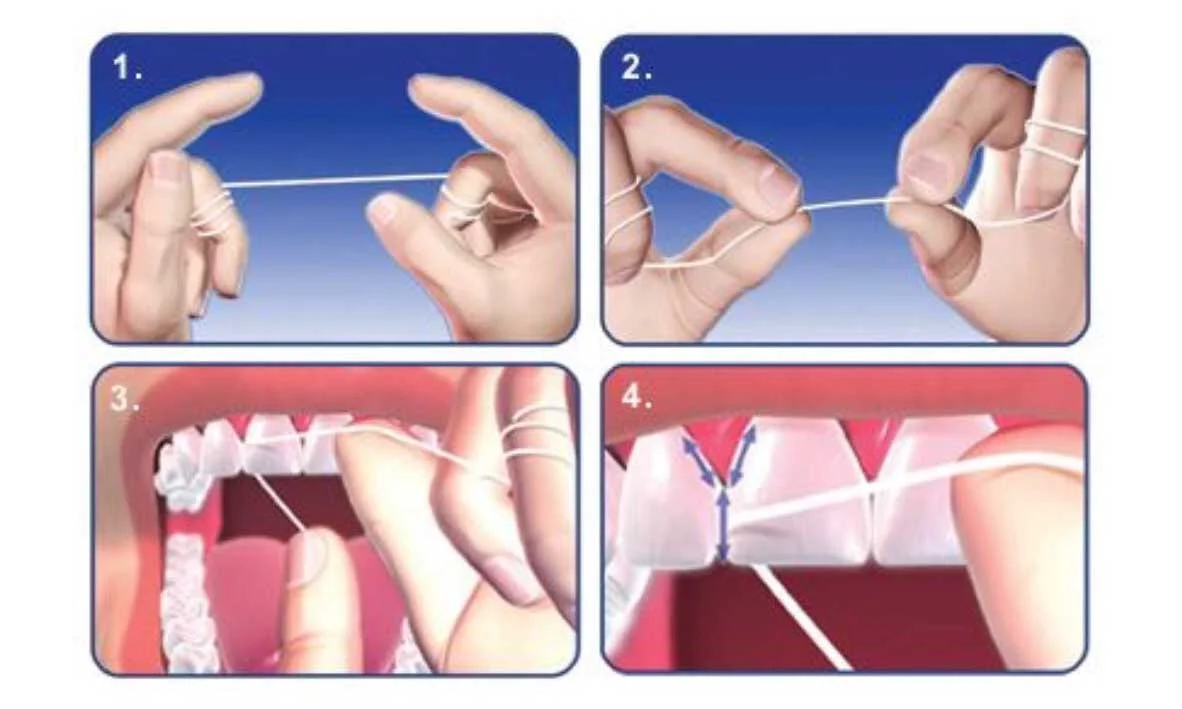
After brushing your teeth take around 18 inches of dental floss and wrap the majority of it around your middle finger.
Next, wrap the remaining loose floss around the opposite finger, leaving enough floss between them to rub between your teeth comfortably.
Holding it tight between thumbs and forefingers, insert the floss between your teeth using a careful seesaw motion. Don't do so too quickly as you may injure the sensitive gum tissue around your teeth if you do.
Once the dental floss is between your teeth curve it into a rough 'c' shape around one of them and rub up and down gently, ensuring that you keep the floss pressed against the tooth. Again, go slow to avoid injury.
Reverse the 'c' to clean the other side of the tooth, repeat the process and then gently remove the floss from your teeth.
Clean all of your teeth in this manner, using fresh floss as necessary. Pay special attention to your back teeth, as this is where a great many instances of gum disease and tooth decay begin, as the tartar and plaque buildup there is much harder to see with the naked eye.
As we mentioned, some people get pretty desperate when they are stuck with a toothache that just won't quit. Two aspirins didn't work, so they take four. Four don't work either so they take four more. That, however, is a terrible idea. The correct dosage of an anti-inflammatory OTC pain reliever might provide some relief - hopefully it does - but if it doesn't, taking so many more that you start to rattle a bit is not going to help.
It also won't help to try to booze away the pain. Well, it might for a little while, if you drink enough, but within a couple of hours you'll have a banging hangover AND a terrible toothache to contend with and, if you were also popping Advil, you could seriously have damaged your health.
Then there are those weird home remedies that Google's thrown up for you. A few temporary pain killing home remedies do work (more about that in a moment) but most are nonsense. Some suggest gobbling garlic over a visit to a dentist asap, but unless you are also dealing with a vampire infestation or something, that really won't help. And don't even think about trying something daft like pulling your own tooth, whatever Grandpa might say.
Alternatives to Standard Floss - Are They Any Good?
Standard dental floss - which is basically just specially coated string - is pretty cheap and easy to find in the shops. However, since, even when they do understand the right way to use it some people skip flossing because it's too time consuming a number of products have been launched in an attempt to make flossing easier. But are they actually any good?
One inexpensive alternative to standard floss in a box are floss sticks, or floss picks as they are also known. Lots of people do prefer these to standard floss as a lot of the measuring and guesswork is taken out of the equation and although you can only really use each pick once for hygiene reasons, making it a bit pricier to use them, the potential oral health benefits of actually flossing make the investment worth it.
There are also several different kinds of 'mechanical flossers' on the market. Some make use of water, some make use of air and they are priced anywhere between $10 and about $75, depending on the model you choose. Some do work well, and a water flosser can be an especially good choice for those with braces or bridges, as they can remove food particles that brushes and flosses often miss. Should you make the larger investment in one of these gadgets? If you struggle to floss now but think they might change that, by all means go ahead.
Emergency Dentist Sydney Says:
The bottom line is, however you floss, you still need to do so and there's no getting out of it if you want to maintain truly healthy teeth!

Dental Implants for Sleep Apnea Sufferers
Are Dental Implants the wrong choice for sleep apnea sufferers?
Are Dental Implants the Wrong Choice for Sleep Apnea Sufferers?

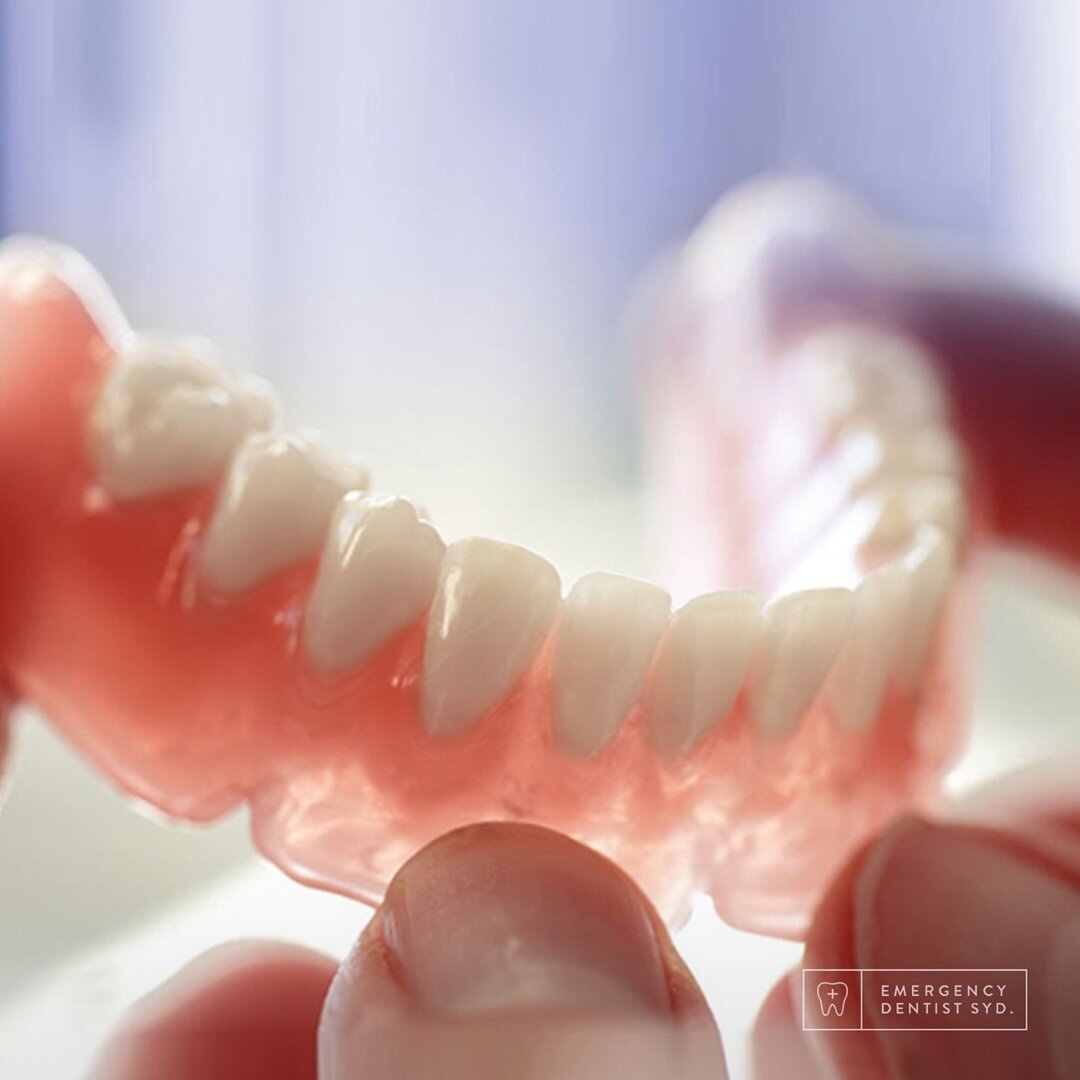
It's probably fair to say that no-one ever aspires to end up wearing dentures. In fact, avoidance of them is one of the biggest reasons that some people finally get a little more serious about looking after the teeth they have. Sometimes however the damage is unavoidable. This can be especially true for people who suffer from sleep apnea, as one of the complications that often comes along with that bothersome condition is something called sleep bruxism.
What is Sleep Bruxism?
Sleep bruxism is the 'proper' term for the sleep disorder involving the habit of clenching and grinding your teeth as you sleep. Although it can be a standalone condition many people who do grind their teeth also suffer from other sleep disorders like snoring and sleep apnea, a condition which causes pauses in breathing.
If a person does grind their teeth at night sadly, over the years, it can cause significant damage to the teeth, sometimes so much so that a tooth is damaged beyond repair, which is why it's not uncommon for those who suffer from sleep bruxism to end up needing partial dentures, or as is becoming more common, a dental implant.
Sleep Bruxism and Dental Implants
As an alternative to dentures or partial dentures, dental implants are quickly gaining popularity, and for lots of good reasons. Implants are permanent replacements, look more natural than even the best dentures and, obviously, make it easier to eat, drink, and smile with confidence than dentures might. They also seem like they would be the perfect solution for those who lose teeth due to sleep bruxism, but some recent studies have found that may not be the case.
Researchers from OSI Araba University Hospital in Victoria, Spain were conducting a study to determine if the most common form of sleep apnea, obstructive sleep apnea, affected the proper function and longevity of dental implants. They worked with a group of 67 people, some of whom had been diagnosed with OSA and some who had not. Of the 16 people in the study who eventually experienced complications with their dental implants 13 also suffered from obstructive sleep apnea, seeming to indicate that the damage to the implants might be directly related to OSA.
Implants, Sleep Apnea and Your Dentist
It should be noted that the study we have just mentioned was a small one and that more work needs to be done before assuming that for those who suffer from OSA dental implants are not the right solution for them.
When dealing with sleep bruxism, sleep apnea and trying to prevent possible tooth damage before dental implants are ever needed it's common wisdom that patients should work with both their doctor and their dentist to come up with a proper treatment and dental health plan. This allows patients to receive the best possible care to address both conditions.
With the right treatments, sleep apnea can be improved, and the same is true of sleep bruxism, and since the latter is considered a dental disorder it's your dentist who can help you out there. See them early enough and dental implants may never have to even become a consideration, something that we think you'd agree is the best possible outcome all around.
The Emergency Dentist Says:
The best way to deal with the possible dental complications that sleep apnea and sleep bruxism can cause, including the need for dental implants, is to speak to your dentist about it. Once you do that a proper treatment plan, one that may very well save your teeth altogether, allowing to keep your natural smile.

Pregnancy vs The Dentist
We might have some answers for you...
What is Safe?
An expectant Mum spends a great deal of the nine months of her pregnancy visiting with medical professionals. But here's a question for you; is it safe for those visits to include trips to the dentist?
If you answered 'no', you are wrong. But you are far from alone. Over the years skipping professional dental care while pregnant has joined other outdated advice - pregnant ladies shouldn't ever exercise, expectant mums should eat for two. That has been debunked by the medical profession but is a myth that is perpetrated by scare-mongering blog posts or well-meaning (but incorrect) friends and relatives.
Why You Should Nor to Skip Dental Care in Pregnancy
Unfortunately, studies here in Australia, as well as research conducted in the UK and the States, has found that up to half of expectant mums in any given year deal with serious dental issues like bleeding gums and pain and fail to make a dental appointment to get them addressed either because they assume such things are just another of the not so nice aspects of pregnancy or that visiting the dentists while expecting simply isn't safe.
The fact is though, not only is it safe to do so but very much advisable, as recent research has found that a lack of dental care in pregnancy can harm an unborn baby as well as his (or her) Mum.
Gum Disease and Unborn Babies
The research we mentioned studied a connection between premature birth and low birth weight and periodontal (gum) disease. Several studies have demonstrated some connection, and while more are ongoing to confirm these initial findings the common wisdom so far is that the inflammation and low grade infection that gum disease often causes leads to the body into concluding that Baby would be safer out in the world rather than in Mum's tum, and premature labour is triggered.
Good daily brushing and flossing can help keep gum disease at bay but as the hormonal changes that occur in pregnancy often soften gum tissue a preventative visit to the dentist is never a bad idea, just make sure that the staff are aware of your pregnancy, as some things, like x-rays, are not safe in pregnancy without special precautions being taken.
The Morning Sickness Problem
Morning sickness is one of the biggest downsides of pregnancy for many women, but there is a lot of comfort to be found in the fact that, for most, it goes away by the end of the first trimester.
It can leave damage to the teeth behind it though. Vomiting every day can erode the enamel of the teeth significantly, leading to cavities that should be treated as soon as possible to avoid tooth damage (or tooth loss'). Therefore, waiting another six to seven months until Baby has arrived to see a dentist is not a good idea.
It is agreed by both dentists and OBs these days that simple procedures like dental cleanings and fillings are perfectly safe in pregnancy, although an expectant Mum may want to schedule elective dental procedures before the 20-week mark, simply for her own comfort, as an hour in the dentist's chair can be rather uncomfortable for a heavily pregnant lady. In fact, many OBs now advise that a dental exam be a standard part of those essential first trimester checkups, both for the sake of Mum and her unborn child.
The Emergency Dentist Says:
A visit to the dentist really isn't something you should skip in pregnancy, even if you are not one of our biggest fans! If a dental visit is something that usually scares you a bit anyway, remember this time you'll be protecting your baby's health as well as your own, and we promise we'll be gentle!

5 Effective Ways to Overhaul Your Oral Hygiene Routine
It's important that your oral health routine focus on more than just the colour of your teeth...
Today
While most of us aspire to a celebrity-worthy pearly white smile, and will often spend a small fortune on whitening toothpastes, kits and treatments to achieve one, we can tend to overlook other important aspects of oral care and that's a big mistake. After all, what's the point in having pearly white gnashers if you also have rather rancid breath, inflamed gums, and or the beginnings of cavities lurking.
It's important that your oral health routine focus on more than just the colour of your teeth. Here are five very easy to implement changes you can make to your oral hygiene routine today to get a healthier smile, and not just a whiter one.
1. Practice Some Tongue Care
Your tongue is the single largest source of bacteria in your mouth, meaning it's a big contributor to bad breath and other oral nasties. And yet when most people clean their teeth they fail to clean their tongue, and it's very important to do so.
Yes, we know it sounds a bit weird but it's not a hard habit to get into. Some toothbrushes do come with a built-in tongue cleaner on the back, or you can buy an inexpensive tongue scraper. Either tool will strip your tongue of the excess gunk that builds up, but for an even better result follow up a scraping with a real brush of the tongue with toothbrush and toothpaste as well.
2. Forget the Hipster Toothpastes
Chances are your Mum and Dad have had you brushing with a fluoride toothpaste since you were a kid. But perhaps recently you've been noticing a number of new 'all-natural' toothpastes have been appearing that claim to do a better job at maintaining oral health than their traditional fluoride enhanced counterparts.
The simple fact is that they don't though. And while they may have cool packaging and funky, fun sounding flavours, we really do recommend sticking with the fluoride paste you grew up with. Fluoride guards your teeth from plaque and decay by strengthening the enamel and it's still a must in any effective oral hygiene routine.
3. Keep on Flossing
There's been a big debate of late over whether or not people really need to floss. It was opened up after a report was published that claimed research had shown that flossing had been overrated and that brushing might be enough.
Almost every dentist disagrees, but you don't even have to take their word for it. Even the fanciest, priciest toothbrush can't get all those little bits of food that get stuck between your teeth out, and if they stay where they are they'll begin to rot, leading to bad breath at best and cavities and infection at worst. Since flossing is a very effective way to get rid of between the teeth gunk on a daily basis to keep on using it really is just common sense.
4. Stay Hydrated
Bad breath - especially that rather potent 'morning breath' most of us are familiar with is, in large part, due to dehydration. When you sleep the production of cleansing saliva is decreased, as is the case when you are super-thirsty.
5. Don't Ditch Your Dental Appointments

Yes, we know, you're busy. And you really don't like going to the dentist. And because you do brush and floss every day like a good boy or girl you think your teeth are in pretty good shape, so it's probably OK to skip a check up this time around. But, no, it's really not.
In addition to that great deep cleaning you'll get, your dentist, as an expert in gum health as well, will be able to spot the signs of periodontal disease that it's harder for you to notice (until pain, swelling and/or infection sets in) and address it before it can cause any lasting damage. And although it sounds a bit morbid to mention it often the only way an oral cancer is diagnosed is after its symptoms are spotted by an eagle-eyed dentist.
The Emergency Dentist Says:
Good oral hygiene is about more than the shade of pearly white you can achieve with your 'brightening' toothpaste. An attractive mouth is one that is healthy as well as good looking, something that the tips we've shared here, really will help you achieve.

Give Bad Breath The Boot
There are a number of reasons why a person may suffer from bad breath. These are the most common causes...
5 Easy, Effective Ways to Combat a Bad Breath Problem

Bad breath. People who suffer from it are normally either unaware of the fact or truly embarrassed about it. They often wonder just what they should be doing about it, as strong chewing gums and breath sprays only seem to go so far. The good news is though that most cases of halitosis - that's the scientific name for bad breath - can be addressed pretty easily.
What Causes Bad Breath?
There are a number of reasons why a person may suffer from bad breath. The most common include:
- Poor dental hygiene
- Persistent dry mouth
- Tooth decay
- Gum disease
- Smoking
- The consumption of pungent foods (garlic etc.)
- Some medical conditions, including diabetes and acid reflux
In the case of the last item on that list it may be that the person has the best oral hygiene in the world but their health prevents them from having really fresh breath. In these cases a combination of a GP and a dentist's advice and care is called for to address a halitosis, problem. For many people though the issue can be solved with a change of habits and a little more awareness of the fact that the problem exists.
Here are usually very effective ways to combat bad breath:
- Improve Your Dental Hygiene.
Not only do people need to stick to the oft given advice that they brush at least twice a day with a good toothpaste they also need to address two other causes of bad breath due to poor dental hygiene; bacteria and food remnants stuck in the teeth.
It's not that hard to get food stuck in your teeth, but if it's allowed to remain there it will usually begin to rot (sounds horrible but it's true) and smell. Flossing on a daily basis (at least) will help remove stray food particles and bacteria can be addressed with an anti-bacterial mouthwash. Brushing your tongue, as strange as that may sound, will help as well.
- Stay Hydrated.
Dry mouth is another 'leading cause' of bad breath that can be fairly easily addressed. Many people don't realise that they are not drinking enough during the day but it's an easy fix. Get into the habit of sipping from a bottle of water throughout the day and try to consume the equivalent of two litres of water a day.
- Brush After You Eat Stinky Foods.
We could just say stop eating 'stinky' foods to avoid bad breath but, to be fair, there are a lot of great - and even great for you - foods that fall into that category.
A better idea then is to make sure you brush after consuming pungent foods, even when you are away from home. A travel toothbrush and paste isn't hard to fit into a handbag or pocket and these days you can even buy pre-pasted travel brushes relatively inexpensively that are even more convenient.
- Gum Can Be Your Friend.
Chewing gum can be a good way to remove stubborn food particles, keep dry mouth at bay and freshen breath, so yes, the adverts are right, it is always a good idea to keep a pack in your pocket.
- Don't Smoke.
We know, that's easier said than done. If you do still smoke these days despite all of the outside pressure to quit - and there's a lot - chances are you've been struggling to do so. In this case there's no shame in asking your GP or dentist to suggest ways to help, and they'll usually be quite happy to do so.
- Schedule Regular Checkups With Your Dentist.
Some underlying causes of bad breath, like tooth decay and gum disease - really need to be treated by a dentist. By making sure you stick to a regular check up schedule your dentist ill be able to spot - and treat - such problems and then help you tailor your dental hygiene plan to help prevent them from reoccurring.
The Emergency Dentist Says:

Bad breath is no laughing matter, it can really impact your life, especially your social life. In many cases though it's a problem that can be- with the help of your dentist - solved pretty easily.

Gum Disease & Your General Health
Do you happen to know what the leading cause of tooth loss is in Australian adults? Many adults often don't even know they have gum disease until it's almost too late...
Get the Facts Before It’s Too Late
Do you happen to know what the leading cause of tooth loss is in Australian adults? If you (logically) answered tooth decay then you aren't actually quite right. Although decay is responsible for more than its share of damage it is actually gum disease that wrecks the most havoc. And many adults often don't even know they have it until it's almost too late...
What is Gum Disease Anyway?
Gum disease - a condition that is also known by the posh scientific names of gingivitis and periodontitis - is primarily caused by plaque, just like tooth decay is. A plaque build up will damage the teeth but it won't stop there, it will damage the very structures that support the teeth, the gums doing damage that can, at times, be harder to treat than tooth decay is.
Gum disease can progress without ever showing any major symptoms. However all of the following can be big warning signs that all in the Land of Gum is not quite right:
Red, swollen or tender gums
Bleeding after brushing, flossing, or eating hard food
Gums that are recede or pulling away from the teeth, making teeth look longer than before
Teeth that feel looser than they did before
Persistent bad breath
Treating Gum Disease
As is almost always the case, when it comes to gum disease prevention is better than cure. But more about that in a minute. For now let's focus on how it's treated
Gum disease comes in two stages; gingivitis and periodontitis. When caught while it's still gingivitis treatment is relatively straightforward. Your dentists will use a process called scaling - a type of super intense cleaning - and then instruct you on how to improve your oral hygiene to help prevent the problem coming back. Gingivitis is totally reversible and so with prompt treatment your gums will return to their former healthy state.
Periodontitis is a bit of a different matter. It's usually more serious and calls for first more intensive scaling. You may need a local anaesthetic before the treatment and it may have to continue over the course of several treatments. In the most severe cases periodontitis may even need to be surgically treated by a dental specialist called a periodontist, one who has specialist in training in gum disease and its treatment.
Preventing Gum Disease
So we're sure by now that you've figured it out for yourself. Gum disease can be successfully treated by your dentist but it really would be a lot better - and easier - if it never came to that in the first place.
Daily oral hygiene is a big key to the prevention of gum disease. Teeth need to be brushed at least twice a day with a good toothbrush and a fluoride toothpaste. Smoking also increases the chance you'll develop gum disease so that is yet another reason to stop. Consider investing in an antibacterial mouthwash to be used on a regular basis and DO NOT skip those regular cleaning appointments at your dentist's office.
The Emergency Dentist Says:
Gum disease is nasty stuff, but it can be prevented, and if needed treated, very effectively with your dentist's help. You just have to make that first call.

Does a Toothache Always Equal an Extraction?
Does toothache equal extraction automatically? The answer is a little more complicated than you might think...
Here's The Rundown
You've been up half the night thanks to the pain from that nagging aching tooth. Come to think of it, you were up half of the night before as well. Painkillers from the local chemists aren't even touching the pain anymore and you know you really should book an appointment with a dentist ASAP. But you don't like needles and pain, you're not even that fond of dentists and you really don't want to go through a tooth extraction. So you're stalling...
But does toothache equal extraction automatically? The answer is a little more complicated than you might think...
What's Causing the Pain?
Before you start ringing around dentists in Sydney asking about tooth extraction pricing it's important to understand one thing; tooth pain has lots of different causes and they don't all mean that the first thing a dentist is going to want to do is yank the offending tooth out. In fact, it's probably the last thing they want to do as they actually spent all of those years in dental school learning to save teeth rather than just do extraction after extraction.
Alternatives to Tooth Extraction
Because there are lots of different reasons a tooth might be giving you trouble, there are also lots of ways to treat these problems. If a cavity is the culprit then a simple filling may be the answer. If it's actually a gum infection - something that's more common than you might think - then a good deep cleaning and a course of antibiotics often works wonders. A tooth extraction is not even the automatic recommendation when the pain involves wisdom teeth, whatever you might have been told. And the pain may not really even be coming from a tooth at all.
Getting to the Root of the Problem
As we mentioned, the real key to getting to the root of the problem when it comes to a toothache is a careful, considered dental examination. This will often involve taking x-rays and a chat about your past dental history as well as a routine exam. Only then can a dentist figure out what's really going on and present a patient with their treatment recommendations and options.
Isn't It Just Easier to Get a Bad Tooth Out?
In some cases, the problem that's really been causing a nasty toothache may come along with several different possible treatments options and yes, one of them might be extraction and that may sound like it's the quickest, easiest and possibly least expensive way to go.
However, before you choose that option based on time or money, listen carefully to what your dentist as to say. Every tooth in your head is there for a reason, even those pesky wisdom teeth, and if it's no longer there may very well be downsides you don't really won't 'get' until it's too late and the tooth is gone for good.
The #EmergencyDentist Says:

Don't automatically assume that an aching tooth is one that's going to have to come out. Give us a ring, come in for an appointment after hours, or when needed, and we'll work out the best course of treatment for you and your tooth.
Don't forget to checkout our Dental Emergency Care Tips if you're experiencing discomfort.
Patient Care First

Keep Up-To-Date with All Things Oral & General Health
RECENT ARTICLES










For 15 years, we've had one mission - when Sydney has a dental emergency, Emergency Dentist Sydney is there
We're proud to celebrate 15 years of providing emergency dental services to Sydney CBD and surrounding suburbs.