
Can Toothache Be Prevented?
How to Avoid Toothaches by Protecting Your Oral Health
How to Avoid Toothaches by Protecting Your Oral Health
Toothaches are fairly common but also extremely unpleasant. There are a number of problems that can cause toothaches including infection and abscesses. However, the most common cause is tooth decay. When this occurs, it means you will have to make an expensive trip to the dentist for a filling. Fortunately, it’s also fairly easy to avoid this kind of toothache. You just need to take better care of your oral health with the following steps.
1. Regular Brushing
You should brush your teeth at least twice a day for at least 2-3 minutes if you want to avoid emergency trips to the dentist with a toothache. And don’t guess at the timing either, make sure you take a watch with you, at least while you’re getting used to your new habit.
2. Floss Every Day
Brushing is good but it can’t get rid of the small particles of food that get stuck between your teeth. Flossing at least once a day will help you avoid the build-up of food and bacteria between your teeth that causes cavities.
3. Avoid Sugar and Sticky Foods
The bacteria in your mouth need sugars to survive and multiply. This means that your diet is incredibly important in determining the health of your teeth. Try to avoid sugary foods like soft drink and juice. You should also cut down on the amount of sticky foods you eat because they can easily become stuck to and between your teeth. This means cutting down on candy and caramels, or at least brushing and flossing well when you do eat them.
4. Eat Vegetables
If you want healthy teeth and a healthy body you need to eat lots of raw, healthy vegetables. Vegetables are packed with essential vitamins and nutrients and they also contain lots of water, which can help to clean the bacteria from your teeth.
5. Drink Lots of Water
Water is essential for every system in your body and that applies to your teeth as well. Drinking water helps to wash bacteria away from your teeth and it also encourages saliva production, which protects your teeth in between brushing.
6. Have Regular Check-Ups
If you want to keep your mouth healthy, you need to visit your dentist twice a year for a check-up. Your dentist will be able to see signs of problems early, which is key to quick and easy treatments. This will help you avoid late night visits to your after hours dentist. Your dentist will also give your teeth a complete and thorough cleaning, which will improve your overall oral health.
Emergency Dentist Sydney Says:
If you have a toothache after office hours, make sure you contact our Emergency Dentist in Sydney. Our caring and expert staff are available now to take care of all your emergency dental needs.

The Truth About Tooth Enamel
Tooth Enamel Facts You Need to Know
Tooth Enamel Facts You Need to Know
Tooth enamel is the hard, outer layer covering each tooth. It is the hardest substance in the human body and protects the sensitive inner layers from the discomfort of foods and drinks that are really hot and cold. You are also probably familiar with its vital role in protecting our teeth from damage and decay. What other tooth enamel facts do you know? Check out these common tooth enamel facts and tips below.
1. The Difference Between Abrasion and Erosion
There are two types of tooth enamel damage. Abrasion occurs when something brushes against your teeth, for example, using a hard-bristled toothbrush or scraping your teeth with a hard object. Erosion is caused by certain foods and drinks that are sugary and acidic. These foods and drinks are most damaging because when they interact with the bacteria in your mouth, lactic acid is produced, and this is something that can lead to the start of a cavity. When your teeth are eroding, you will notice that your teeth are becoming sensitive and are appearing slightly yellow.
2. Tooth Enamel Doesn't Come Back

Once your tooth enamel has eroded, it will not regrow. Enamel is made from minerals so it does not contain any living cells, making it impossible for it to repair itself. However, there are ways you can prevent this from happening and ways to treat the damage. Dental bonding can be used, or crowns can be applied but your dentist will be able to recommend you the right treatment option for you. In terms of prevention methods, you can start by eliminating certain foods and drinks out of your diet. When you have that craving for your favourite soda, use a straw. Another great tip is to gently rinse your mouth with water after eating because if you brush your teeth too soon after eating acidic food, that can actually make it worse. You can also start chewing sugarless gum.
3. Don't Neglect the Damage
Ignoring the damage or avoiding the dentist will not only cause more pain to your eroded teeth but will make treatments more expensive. As your teeth enamel erodes, your teeth will become overly sensitive as it will expose the inner sensitive layer underneath called ‘dentin’. Because your teeth won’t have the protection it needs from enamel, they will be susceptible to decay quickly. Your teeth will also be stained, giving your teeth a yellow appearance. Always make sure to have 6 monthly check ups so your dentist knows the state of your teeth.
Enamel is so important for our teeth and we need to take care and protect them as they protect us. It is vital to follow some of the tips mentioned above to prevent your enamel from eroding. It may sound difficult to give up your favourite sugary snacks and soft drinks, but the damage is way worse. If you do consume sugary and acidic foods and drinks, always remember to maintain good oral hygiene.
Emergency Dentist Sydney Says:
Protect your enamel and your overall dental health by practicing good oral hygiene habits like twice daily brushing and flossing. And don’t forget to visit your dentist every 6 months!

5 Tips To Keep Cavities At Bay
Protect and Prevent
Protect and Prevent
Our teeth have outer coatings called enamel. They are a hard, protective layer but once it is weakened by the different types of foods and drinks we consume, especially junk and acidic foods, a pit forms in or on the tooth surface. This is called a cavity and is the result of tooth decay. Children are very prone to cavities, as they are more likely to miss spots while brushing their teeth. Because of this, many people think only children can get cavities, which is not true. Adults get cavities for the exact same reason but don’t worry, there are many ways to prevent them! Have a read below for our top 5 tips to keep these cavities away for good.
1. Twice Daily Brushing and Flossing
This is a no-brainer, however, what most people don’t know is that the way you brush and what you use to brush are extremely important. Proper brushing includes using short, gentle strokes and paying extra attention to the back teeth. Don’t forget to brush your tongue too! We recommend a toothbrush with soft bristles or an electric toothbrush. Hard bristles will continue to take away the enamel on your teeth. Flossing is also really important as it is the best tool to remove trapped food from in between teeth. Your oral hygiene routine is a very simple yet effective way to prevent tooth decay and it only takes 2 minutes!
2. Mouth Wash
To reduce the amount of bacteria in your mouth after eating or drinking, use an antibacterial mouth rinse. A mouthwash containing fluoride is also another option as it is a natural mineral that strengthens tooth enamel and prevents cavities.
3. Drink More Water
Water is the healthiest drink and staying hydrated helps your body in many ways including your oral health. It’s hard not to drink your favourite soft drink or a fruit juice with your meals. Sorry to say but drinks that are high in sugar or very acidic are bad for your teeth. They take away the enamel on your teeth which will eventually lead to cavities. Our best tip for you is to drink a glass of water after having a cup of coffee, tea or any drink so that it can wash away the acid lingering in your mouth. It can also keep your saliva from becoming too sugary so that the sugars won’t transfer onto your teeth. Another great tip is to use a straw when drinking soft drinks and juices as it will keep the sugar off your teeth and out of your saliva.
4. No Smokes
The health risks related to smoking cigarettes such as cancer are plastered all over cigarette packets and tv ads, however, most people are still unaware of the damages it can cause on your teeth. Smoking cigarettes not only stain your teeth and give you bad breath but can lead to gum disease, tooth loss, and even oral cancer. Cigar smoking and tobacco chewing can also be just as bad. So even though it is difficult to quit, keep trying as it really is better for your health and the people around you.
5. Regular Check-Ups
It is super important to visit your dentist every 6 months for a deep clean. All the built-up plaque and tartar will be removed leaving your teeth and gums feeling fresh but more importantly to prevent any diseases such as gingivitis. For those who can feel a cavity on the way, there are also treatments for that including dental sealants.
Cavity prevention starts at home. Just follow the above tips and you can prevent tooth decay. If you already have a cavity or feel like you do, do not hesitate to call your dentist and make an appointment.
Emergency Dentist Sydney Says:
Your oral health is important so don’t delay any dental check ups and continue brushing your teeth everyday – the proper way.

Our Top Tips Handling Dental Emergencies
What To Do When You Can't See Your Dentist Right Away
What To Do When You Can't See Your Dentist Right Away
Dental emergencies happen all the time, like breaking a tooth from a fall or a painful toothache that won’t go away. Nobody wants to experience these dental situations…especially when it happens outside of business hours. Knowing what to do when you’re in a situation where you can’t see the dentist right away, will help you reduce the risk of further complications. Here are some tips you can use to protect your teeth and gums until you can see an emergency dentist.
Broken Tooth:
Gently clean the area in your mouth with warm water and protect the tooth from exposure to germs by covering it with a sterile gauze. Apply a cold compress to the face if swelling.
Knocked Out Tooth: Pick up the tooth by the crown and do not touch the roots. Rinse off any dirt with water but make sure not to remove any attached tissue fragments. If possible, gently insert the tooth in its socket. If you cannot insert the tooth back in, put the tooth in a cup of milk and take it to your dentist.
Cracked Tooth: Gently clean the area by rinsing with warm water and use a cold compress on your face to reduce any swelling.
Severe Toothache: Rinse your mouth with warm water and gently use a dental floss to ensure there is nothing caught between the teeth. Never put aspirin or any other painkiller against the gums near the aching tooth because it may burn the gum tissue. Visit the dentist even if the ache goes away.
Sore Gums:
This may be a sign of gum disease so immediate treatment is required. Before you contact your dentist, quickly but gently floss and ensure there is nothing caught between the teeth. Rinse gently with warm salt water and never put any painkillers against the infected gums as it may burn the gum tissue.
Broken Braces and Wires: If your wires and brackets are broken, use a soft object like an eraser to gently push the wire back into spot where it doesn’t cause any more discomfort. If you can’t reposition the wire, cover the end with orthodontic wax or a piece of gauze so that it doesn’t bother your gums or soft tissue. Never cut the wire as you could end up swallowing it or breathing it in. Make an appointment to see the dentist so that a more permanent solution will be given.
Objects Caught Between Teeth: Gently use dental floss to remove the object. If object does not come out, call your emergency dentist. Never use a sharp object like a pin to try and get the stuck object out.
Lost Filling: If your filling has fallen out, part of the interior of your tooth will be exposed so temporarily stick a piece of sugarless gum into the cavity. Do not use a sugar filled gum as this will cause immense pain. Another option is to use a dental cement which can be purchased over the counter.
Lost Crown: Temporarily replace the crown by coating the inside of the crown with denture adhesive or toothpaste to help it stay in place. Never use super glue. If you can’t position it in there properly, leave it and take it to your dentist.
Soft Tissue Injuries: Soft tissue injuries include the tongue, cheeks, gums and lips. These injuries can be cuts or swelling and can result in bleeding. To control the bleeding, gently rinse your mouth with salt water to disinfect the cuts. Then use a piece of damp gauze to apply pressure to the areas that are bleeding for 15 – 20 minutes. You can also hold a cool compress on your face to control the swelling. If you are still bleeding badly after 20 minutes, please call your emergency dentist. Continue to hold pressure on the affected area.
A dental emergency can occur at any time and at any place. It is helpful to know these tips just in case these situations arise. Always have an emergency dentist’s contact handy especially when you are travelling abroad. It will definitely save you time while you are trying not to panic. You can also check out our emergency dental care tips on our website.
Emergency Dentist Sydney Says:
Always contact your dentist when you have or think you have a dental emergency. It will make a huge difference to know what to do while you wait to see them.

Protect Your Teeth From Injuries
The Importance of Wearing a Mouthguard
The Importance of Wearing a Mouth Guard
Taking care of your teeth is very important but it doesn’t mean just brushing your teeth and eating healthy – it means always protecting them, especially when participating in sports and activities that can result in an injury to the face. Mouth guards provide the protection your teeth and gums need during play and practice. To help you decide if you or your child needs this protection, have a read below for a quick guide on mouth guards.
Why Buy a Mouth Guard?
Mouth guards help protect the teeth, gums, tongue and the mouth in general from impact or injury. It minimises the risk of teeth getting chipped or knocked out and helps cushion a blow to the face. Because some sports are extremely physical, you never know what can happen. Rather than losing a tooth or damaging the sensitive tissues of the mouth, it is a good idea to invest in a mouth guard. In the end, you will be saving money and more importantly protecting your mouth.
When Should Kids Wear a Mouth Guard?
Some kids love sport because they can run around with teammates and have a lot of fun. However, some sports can be dangerous and so it is essential to protect every part of their body. Mouth guards should be part of their sport gear from an early age just like knee pads and helmets. If your child plays AFL, any other type of football, hockey, or does boxing, they definitely need a mouth guard.
Why Buy a Custom Made Mouth Guard?
You can buy cheap mouth guards over the counter these days but custom made mouth guards are the way to go. Even though they are quite expensive, treating sport related dental injuries cause a bigger hole in your pocket. Custom mouth guards are a worthwhile investment. They are designed to fit perfectly to the unique shape of you or your child’s mouth and teeth. This means that they’re more comfortable to wear and provide the best protection. A bonus is that you won’t have to argue with your kid about using them if they get to choose a mouth guard to come in their favourite colour.
How Your Dentist Makes the Mouth Guard
Your dentist will make an impression of the mouth and teeth during a visit. The mouth guard will be ready after a week or so. Your dentist will make sure the mouth guard is the right fit and five you tips on how to care and maintain the mouth guard. So simple!
Emergency Dentist Sydney Says:
A custom made mouthguard is the best option if you or your child plays sport. With our custom-made mouth guards, we’ll help you protect your teeth.

Knocked Out Tooth?
Don't Panic, There's a Chance It Can be Saved
Don't Panic, There's a Chance It Can be Saved
Getting a tooth knocked out can feel like a nightmare. Although it may not be the most serious injury in the world, it can certainly seem like the world is close to ending. Who wants to be called Gappy when they are an adult? It was cute when you were six and knew it was very much a temporary situation, but a knocked-out tooth as a grownup? It sends shivers down most people's spines just thinking about it.
As shocking and scary as it is, thanks to modern dentistry if your tooth is knocked out, putting things right is a lot easier than it used to be, and the chances you won't lose your lovely smile for very long are high. As long as you take prompt action that is.
Dealing with a Knocked-Out Tooth: Immediate Steps to Take
Whether the cause is a sports injury, an accident, or you got into a fight - either with someone else or the pavement - it is important to know what to do immediately after a tooth has been knocked out.
When a tooth is knocked out it is quite literally severed from the socket (that's just one reason why it hurts so much) and usually, the ligament that once attached it to your gum and jaw is destroyed. The tooth can still be saved at this point, but you'll need as many of the tiny nerve fibres to remain attached as possible.
This means you'll have to be very careful when you pick up the tooth (we're assuming here it can be located) You should pick it up by the crown only, never the root. Pick it up the wrong way and those precious fibers will be gone.
Once you have the tooth, wipe away excess dirt (carefully) and either set it back into the socket or hold it between your cheek and gums in your mouth. Bathing your tooth in your saliva will help keep it alive. If you can't place it in your mouth putting it into a glass of cold whole milk is the next best thing.
At this point somebody - possibly not you as your mouth is busy trying to save a knocked-out tooth - should be on the phone with an emergency dentist. A tooth that is lost due to an accident has an 80-90% chance of being saved if these procedures are followed and you can get to the dentist's office quickly.
A healthy tooth that is. If a knocked-out tooth was loose already, something that is usually caused by periodontal disease, none of these measures may help, as a diseased tooth is usually beyond that at this point. You should still head right to the dentists though, as the damage done to the gums and potentially to surrounding teeth still needs to be accessed asap.
Preventing Tooth Loss
Accidents happen. We understand that. But there are some things you can do to help prevent getting a tooth knocked out in the first place. Some sensible measures include the following:
If you play sports, wear a mouth guard. Not just if you play cricket or footie and there are flying objects involved, but when you participate in any sport. You never know when an opponent’s arm, or the track, might connect with your face and knock your tooth out. You need to make sure it fits well though, so talk to your dentist and they'll help you find the right one.
Practice good dental hygiene and visit your dentist regularly to prevent gum disease and decay. As we already mentioned, an unhealthy tooth is knocked out far more easily than a healthy one and once it's out there's rarely any putting it back in.
Think when you drink. Yes, there's still tons of fun to be had, even if the summer's winding down. And while we are not suggesting you give up enjoying everything that Sydney has to offer - including all the great pubs and clubs - drink with care.
Once you get a bit beer wobbly you are far more likely to fall down and kiss the pavement (ouch, it hurts just thinking about it) and/or get into a bit of fisticuffs with a fellow 'happy' reveler. If you are drinking, take it steady and if you really can't walk straight (oops) don't try. Call a taxi, call an Uber, call a mate but don't try to walk home and certainly don't drive.
Emergency Dentist Sydney Says:
With prompt action a knocked-out tooth can often be saved. Just another reason why it pays to have our number in your phone, as you never know when you might need it at 2 am!

Loose Teeth
What to Expect from a Visit to an Emergency Dentist
What to Expect from a Visit to an Emergency Dentist
When you are a little kid a loose tooth is actually kind of fun. The adults think it's cute - there are probably at least one or two shots in the family album of a younger you wiggling a loose tooth for the camera - and as a kid, you know that when the tooth falls out it's time for the Tooth Fairy to pay up. And what child wouldn't look forward to that little windfall?
When you are an adult, however, and have the set of teeth that are now supposed to last for the rest of your life, it is no longer a laughing matter when a tooth is loose. It's not funny or sweet and, as far as we know, the Tooth Fairy isn't a big fan of grown-ups. Instead, a loose tooth in an adult is a cause for concern and often, for the person the tooth belongs to, a bit of a cause for panic.
The first thing we can say, as emergency dentists, is DON'T PANIC. There are many reasons why an adult might have a loose tooth, but with the right, prompt dental care there is a very good chance that the tooth can be saved.
What Causes Loose Teeth in Adults?
There can be all kinds of reasons why a tooth 'comes loose' in an adult's mouth but some of the most common include:
An accident in which the tooth has been hit or damaged
Gum disease surrounding the tooth which has loosened it over time
Decay that has become advanced enough to destabilise the tooth
Other factors, such as grinding your teeth in your sleep.
What Should You do if You Have a Loose Tooth?
See Your Dentist as Soon as Possible
This really should be something of a 'no-brainer' but many people actually avoid calling the dentist when they have a loose tooth because they are sure that it's a sign that they are going to need extensive dental work and sometimes the fear of that almost outweighs the fear of losing the tooth.
However, that may not be the case and by delaying dental treatment you could be throwing away any chance that the tooth can be saved. And even if it cannot a dentist can help ensure that the area surrounding the tooth is kept clean and free of infection and that the right ongoing treatments to deal with the situation are then planned. So, the basic advice here? Make that call as soon as you can.
Don't Play With it
While you wait to see a dentist resist the temptation to 'play' with the loose tooth. Don't wiggle it, don't pick and it and certainly never attempt to pull it yourself, even if it feels 'really loose'. As an adult doing so increases the risk of both infection and excessive bleeding and neither of those things could ever be described as fun (and could have serious implication for both your oral health and your general health overall)
Eat Soft Foods
If you are not heading to the dentist right away, you don't have to starve yourself while you wait but you should be careful. Avoid hard or sticky foods and keep that loose tooth as clean as possible but do so carefully. The best plan of action? Stick to soft foods and clean all off your teeth gently, being especially careful with the one that is loose.
What Will a Dentist do for Your Loose Tooth?
As you will discover when you get to their office your dentist will have a number of options for treating your loose tooth, and which one they choose will depend upon the unique situation at hand. However, some of the most common treatments include:
Tooth Splinting - This is a procedure in which the loose tooth is bonded to the teeth surrounding it to give it a chance to stabilise and re-implant firmly
Gum Treatments - Gum disease often leads to the gum 'losing its grip’ on a tooth, making it feel very loose. Treating the gum, with deep cleaning and other techniques can often begin healing the damaged gum tissue and, as the healing process proceeds the newly healthy gum will tighten around the loose tooth, securing it where it should be once more.
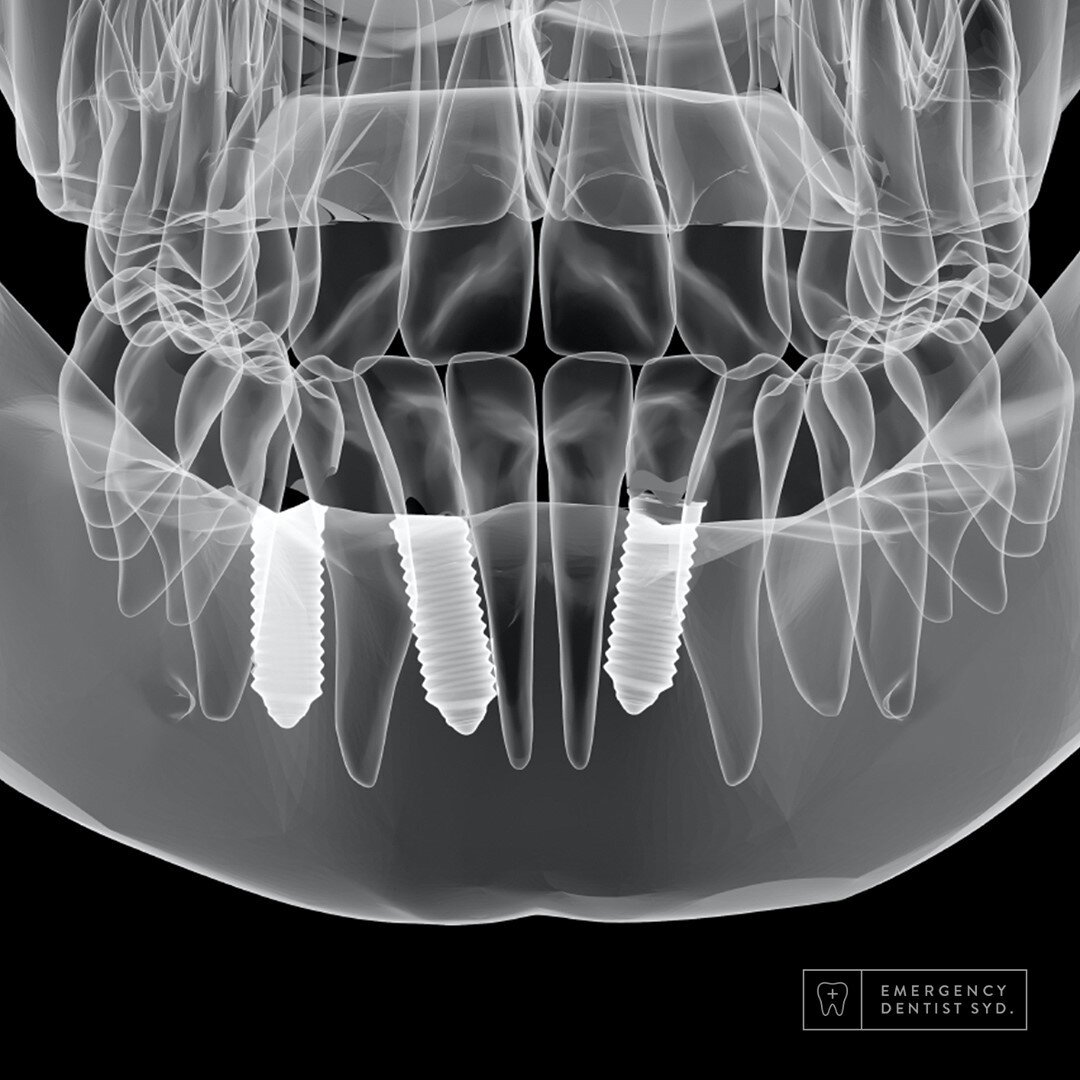
Extraction - Sometimes a loose tooth can't be saved. After it has been safely extracted and the socket and gum area has been thoroughly cleaned and treated discussions can begin between dentist and patient about preparing for an implant to be placed to replace it.
Emergency Dentist Sydney Says:
A loose tooth is concerning but should not be a cause for undue panic. Seeing a dentist as soon as possible can significantly increase the chances that the tooth can be saved while also helping to ensure the health of all your other teeth as well.

After the Emergency
Follow Up Treatments Explained
Follow Up Treatments Explained

Our name (sort of) says it all. Emergency Dentist Sydney. We're the people you can turn to at two in the morning on a Saturday night to help get rid of that terrible toothache that is making your life a misery (to say the least).
That is not, however, all we do. While we do everything we can to help you during your first visit to us, very often the real cause of that pain calls for follow-up treatments of a number of different kinds. The good news is that the same friendly, helpful and skilled dentists who helped you out during your emergency visit are ready, willing and able to perform those as well.
Common Emergency Follow Up Treatments Explained

You might be wondering what kinds of follow up treatments are called for after a visit to an emergency dentist. Here's a quick look at some of the most common:
Laser Root Canal
The days when all dentists wanted to do was yank teeth out are long gone. Losing a tooth - even one 'hidden away' at the back of the mouth - can be a very traumatic experience - so these days an extraction is usually only considered as a last resort.
Root canals can be used to save a tooth that has been damaged by decay or infection but of all the dental procedures people can undergo it's the one people are most scared of. Everyone always seems to be able to tell a horror story about the terrible time their Mum/Granny/best friend had with a root canal and those gory tales alone often put people off.
The fact is though that root canal procedures have changed a great deal, and that is especially true of the root canals we perform. We've replaced the scary, noisy drills and sharp pointy things with lasers. The lasers are as effective - often even more so - and most of our patients find that their pretreatment fears were completely unfounded after all.
Crowns and Veneers

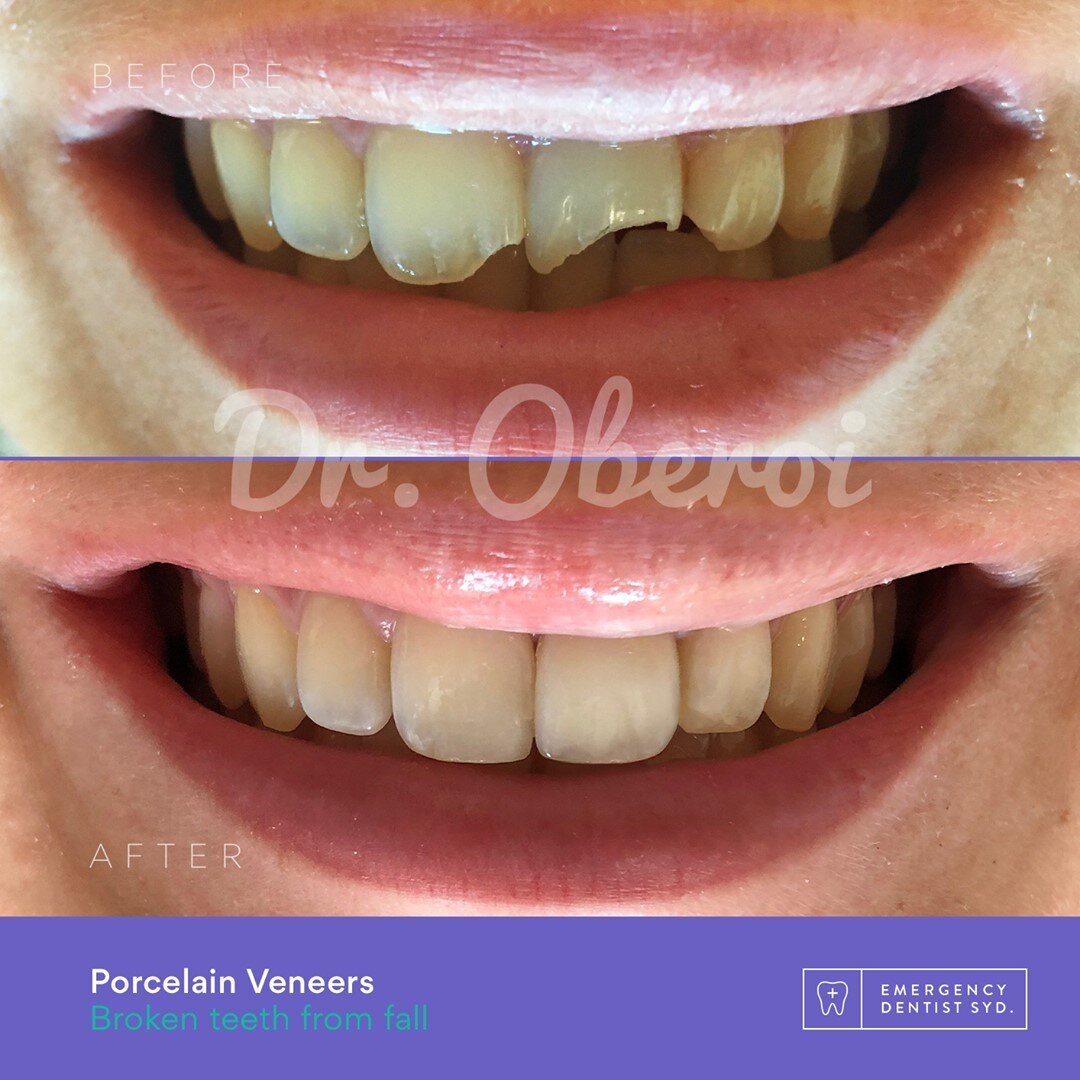
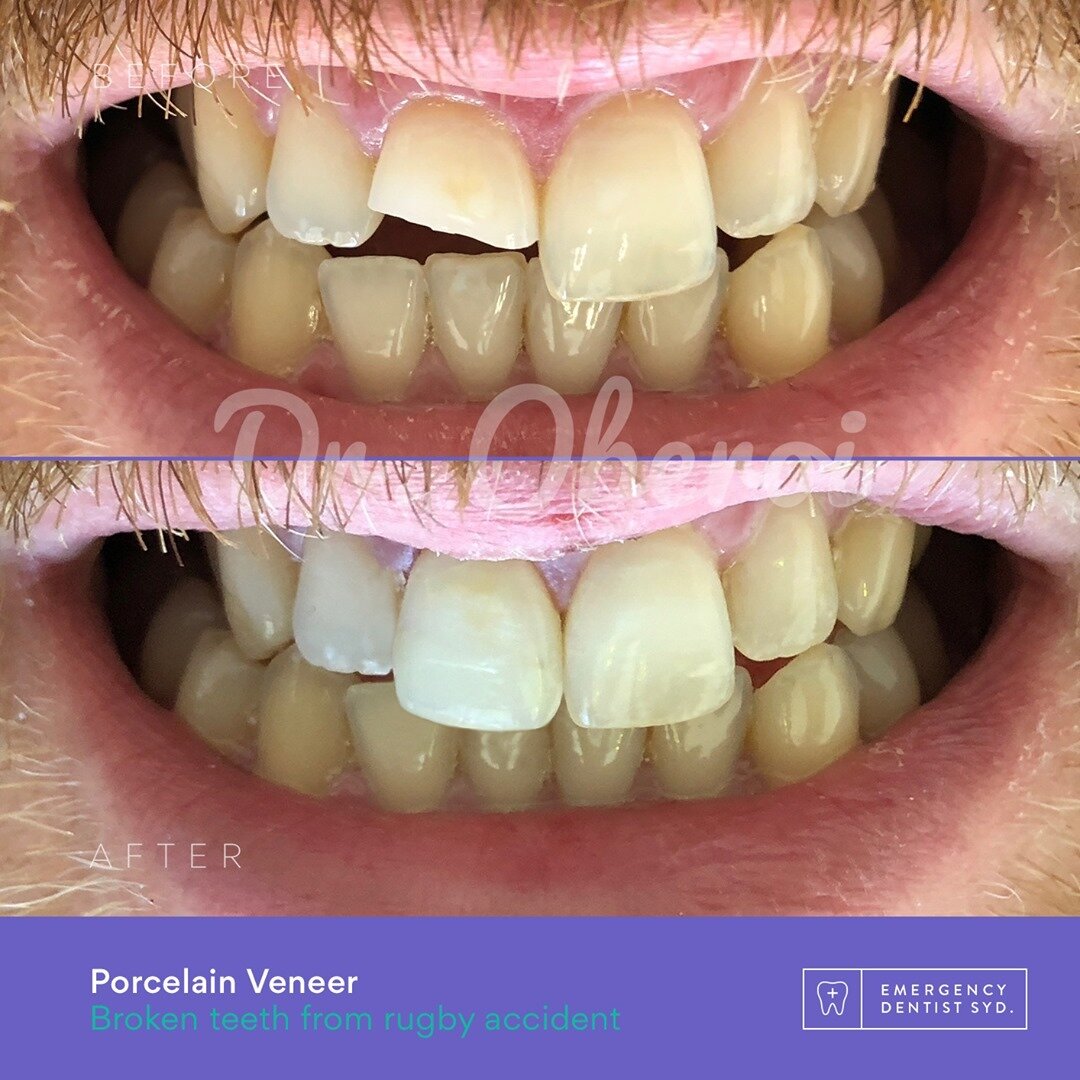
Broken teeth can be a nightmare too. Not only do they usually look less than appealing but a broken or chipped tooth is a magnet for infection and recurring pain. Crowns and veneers can be used to solve this problem and many others, including misshapen teeth and to protect a tooth that has been restored by a root canal.
Veneers and crowns today are a far cry from those used even as little as ten years ago. They look very natural, can be custom fit to suit any mouth.
Other Treatments
Sometimes the causes of the pain that sends a patient to us in the middle of the night are not quite what they expected. For example, did you know how much trouble (and pain) something like gum disease can cause? Or a stubborn wisdom tooth that cannot even be seen with the naked eye? The good news is that we have the expertise to treat these conditions as well.
Whatever the reason you initially come in to see us for there is one thing we can promise you. You'll never leave our office without a plan for future dental treatment and care that has been fully discussed with you, including the costs involved.
Emergency Dentist Sydney Says:
Although many of our patients first come to us as a 'last resort' we're happy to say that lots of them keep coming back. We're committed to providing the best possible oral health care for everyone, not only in their 'hour of need' but for years to come.

My Tooth is Killing Me
But How Much Will It Cost to Fix It?
But How Much Will It Cost to Fix It?
You are in pain. Agony actually. The toothache you've been trying to ignore for days because you were a little too busy to make it to the dentist (which is not exactly your favourite place to hang out anyway) refuses to be ignored any longer. Or respond to any kind of pain medication you can find in your bathroom cabinet or at the chemists.
Oh, look though, there's an emergency dentist. In Sydney. Not too far away actually. And they're open! But hold on. How much is it going to cost? Even through a fog of pain, our thrifty side tends to kick in. Which is understandable. That's why today we thought we'd spend a little time going over the basic costs associated with coming to see us.
Basic Costs Explained
Every toothache is different. Every toothache has a different cause and will require a slightly different treatment. So, putting an absolute, guaranteed price on your whole visit to an emergency dentist is impossible to do. We can, however, walk you through the basics so you have a better idea of to expect:
Step 1: Book an appointment online or on the phone
We are open 24/7 but taking a few minutes to book your appointment with us online - or over the phone - lets us know you are on your way so that we can be better prepared to help you as quickly as possible when you arrive.
Step 2: Head Down to See Us
We're not hard to find if you haven't been to see us before. We're opposite Hyde Park, The Sheraton on the Park and lots of buses stop right outside our door. If you do need help getting to the practice visit our Find Us page for more details.
Step 3: When You Arrive
The basic cost of a consultation - no matter what time of day or night - is $100. If you need a prescription - which many patients do as infected teeth are some of the most common problems we see - we can tell you that the cost will increase by another $50. during the consultation our dentists will examine you and determine additional costs as needed.
The one thing you should know is that every recommended treatment - and its associated costs - will be fully discussed with you before we do a thing beyond a basic examination. We pride ourselves on being as upfront and transparent as possible, as we understand that no one likes nasty surprises when it comes to money!
Step 4: After the Emergency
Many of the patients we see on an emergency basis do require follow-up treatments. We can offer patients all kinds of services to help ensure that the real cause of their dental emergency is addressed, and not just masked. These range from extractions and root canals to crowns, implants and veneers. However, once again, everything - including the costs involved - will be thoroughly discussed and explained.
Emergency Dentist Sydney Says:
We pride ourselves not only on the high quality of our services and the expertise of our dentists but also on the fairness and affordability of our pricing.

What is Dry Socket?
How Can I Prevent It From Happening to Me?
How Can I Prevent It From Happening to Me?
There are very few people who would actually be happy about the idea of having to get a tooth removed, but even with the best dental care, and personal oral hygiene, the procedure does sometimes become necessary. It's a scary thought for most people, but these days it's a relatively painless procedure that is over quickly and far less traumatic than years ago.
However skilled your dentist, there is a complication that patients should be aware can sometimes crop up after a tooth extraction; dry socket. Also known as alveolar osteitis the pain caused by this condition can be as bad as, or even worse, than any pain a patient experienced prior to the tooth extraction. The good news is however that it is perfectly preventable.
What is Dry Socket?
When a tooth is extracted the 'hole' left behind is referred to as the socket. Usually, immediately after an extraction a blood clot begins to form that effectively seals the hole and allows the whole area to begin to heal. Dry socket occurs when this clot is dislodged too soon, exposing the delicate nerve to the elements, which can be extremely painful.
Should this occur, a trip back to the dentist as quickly as possible is a must. They can carefully clean the area and then pack it with a sterile gauze to protect it. This can sometimes slow healing times though, so doing all you can to ensure the protective clot remains in place to do its job is the ideal.
Preventing Dry Socket
Occasionally a protective blood clot will dislodge on its own and there is really very little that could have been to predict or prevent it. In most cases though there was a preventable cause. Smoking significantly increases the risk that dry socket will occur, as does drinking from a straw.
For women who take birth control pills there can also be an increased risk of dry socket occurring, as higher doses of estrogen can prevent normal blood clotting. For this reason a patient on birth control should discuss scheduling their procedure, if at all possible, for a day when their pill will be delivering the lowest dose of the hormone into their bloodstream. A handful of other medications may also cause similar problems, so make sure your dentist is aware of any and all medications you take prior to a tooth extraction.
Finally, you will be given specific aftercare instructions after any tooth extraction procedure and they really do need to be followed to the letter for the best possible outcome. This includes calling your dentist right away if you suspect something has gone awry.
Emergency Dentist Sydney Says:
Fortunately, dry socket only becomes a problem in 2-5% of the patients who undergo a tooth extraction. With the right care and knowledge, as well as a little vigilance, you are far less likely to become one of them.

Easy Ways To Improve Your Dental Health in 2018
Avoid Needing Emergency Dental Care
Avoid Needing Emergency Dental Care

Most of us make resolutions for each new year and chances are at least a few of them are still in effect right now. Sticking to those promises you have made to yourself can be tough, but not impossible if you are serious about them. Take a resolution to keep your teeth healthier for example. Sticking to that need not be hard at all, especially if you follow these basic tips...
Cut Back the Sugar, For Real This Time
Yes, we sound like a broken record on this issue sometimes, but we're OK with that as it is such an important piece of advice for the good of your teeth and gums. And the good of your body overall.
Unlike calcium, or proteins, or even carbohydrates, no-one's body actually needs sugar, we just really like it. It's also very hard to avoid sometimes as it is included in all kinds of processed foods that you'd usually consider savory. But it's terrible for your teeth and pretty bad for your body overall as well.
If you can't imagine life without the occasional sweet treat we do understand; neither can we. But make it just that, occasional, and get into the habit of checking food labels when shopping for added extra sugars that could be avoided by making a different choice.
Commit to Flossing Daily
In case you are questioning if we even need to floss anymore, check out our myth busting article 'The Great Flossgate Debate'. With that out of the way, we know flossing can seem annoying but it doesn't taken that long once you get the hang of it.
To make it easier to do, consider investing in some purse and wallet friendly pre-made flossers from the chemists or, if you want to push the boat out a bit further (and are a bit of a tech head anyway) you can pick up an electric flosser for around $50 from your chemist or dentist.
Learn to Love Your Dentist

Very few people will tell you that a visit to the dentist is at the top of their list of favourite pastimes. But it really isn't as scary, or as much of a hassle, as you think. Modern dentistry focuses around providing great oral care with a minimum of pain and as little fuss and extra expense as possible.
In addition to a six-month regular checkup you could consider making this the year you invest in your smile in a bigger way, whether that means a few whitening treatments or a bit of cosmetic dentistry that makes a bigger difference.
Emergency Dentist Sydney Says:
Resolving to take better care of your teeth in 2018 is a great idea to maintain or improve your oral and general health and to avoid unnecessary dental expenses, such as emergency dentistry. If you are looking for dental advice or considering cosmetic dental treatment, get in touch with us today.

Extractions Don’t Need To be Feared
Toothache
Here's Why
Pulling teeth - or dental extractions as they are properly called - is one of the oral health services that gets a seriously bad rap.
In fact, the idea of getting a tooth pulled is so scary to some that it's one of the number one reasons they put off going to see a dentist when toothache strikes; a fear of the pull.
To be fair, the term 'pulling teeth' sounds pretty painful. That's why dentists really don't like it. A modern dental extraction is not a painful, terrifying experience at all, but we understand that some need a little extra convincing. So let's take a look at just how a dental extraction works in the 21st century.
How Does a Dental Extraction Work?
How can it not hurt to get a tooth extracted? That's a fair question we'd expect to hear. Back in the day, before dental technology was as good as it is today, getting a tooth pulled could indeed be a painful, somewhat bloody process. Today, it's a matter of the application of a numbing cream, the administration of a simple, safe local anesthetic, the extraction of the tooth, which in the hands of a skilled and experienced dentist literally takes seconds, and the application of a little gauze to the former site of the tooth to stem any bleeding and aid rapid blood clotting. It's all over in a matter of minutes and if the now removed tooth was causing the patient pain - which very often it was - that pain is gone and they will be on the road to better oral health overall right away.
Oh, and by the way, the term pulling a tooth is really misleading. There really is very little pulling involved. In fact if you were to attempt to pull your own tooth, and you took a pair of pliers and pulled at the offending tooth, you would find that it does not come out unless you bench 250. Why? Because any tooth is 'glued' into its socket by tiny ligament fibres that anchor it into the jaw. To remove the tooth a dentist gently loosens these fibres and 'pops' the tooth out, no yanking required. As he or she does so, you will very likely feel pressure, but, in the hands of a skilled dentist, that pressure should not become pain, even if the tooth is a little bit stubborn and tries to hold on (which some do.)
When Is a Dental Extraction Needed?
Now that you have a better understanding of what to expect during a dental extraction we need to move on to the next issue, when does a dentist decide to recommend a dental extraction? In a word, as a last resort. Once you remove a tooth it's gone for good, so doing so is not a decision to be taken lightly. A good dentist will recommend trying all other available avenues - often a root canal - before suggesting a dental extraction. Sometimes, however, there is just nothing to be done and removal is the very best option. Your dentist will explain why, and then, because dentistry has come so far so fast, discuss with you the possible options for replacement, with a crown or implant.
Emergency Dentist Sydney Says
Dentists don't actually relish pulling teeth, it's our job to try and save them, but when we can't we make the extraction process as easy and comfortable as possible.
Need Advice Or Emergency Dental Care In Sydney CBD?
Contact our friendly team




Patient Care First

Keep Up-To-Date with All Things Oral & General Health
RECENT ARTICLES


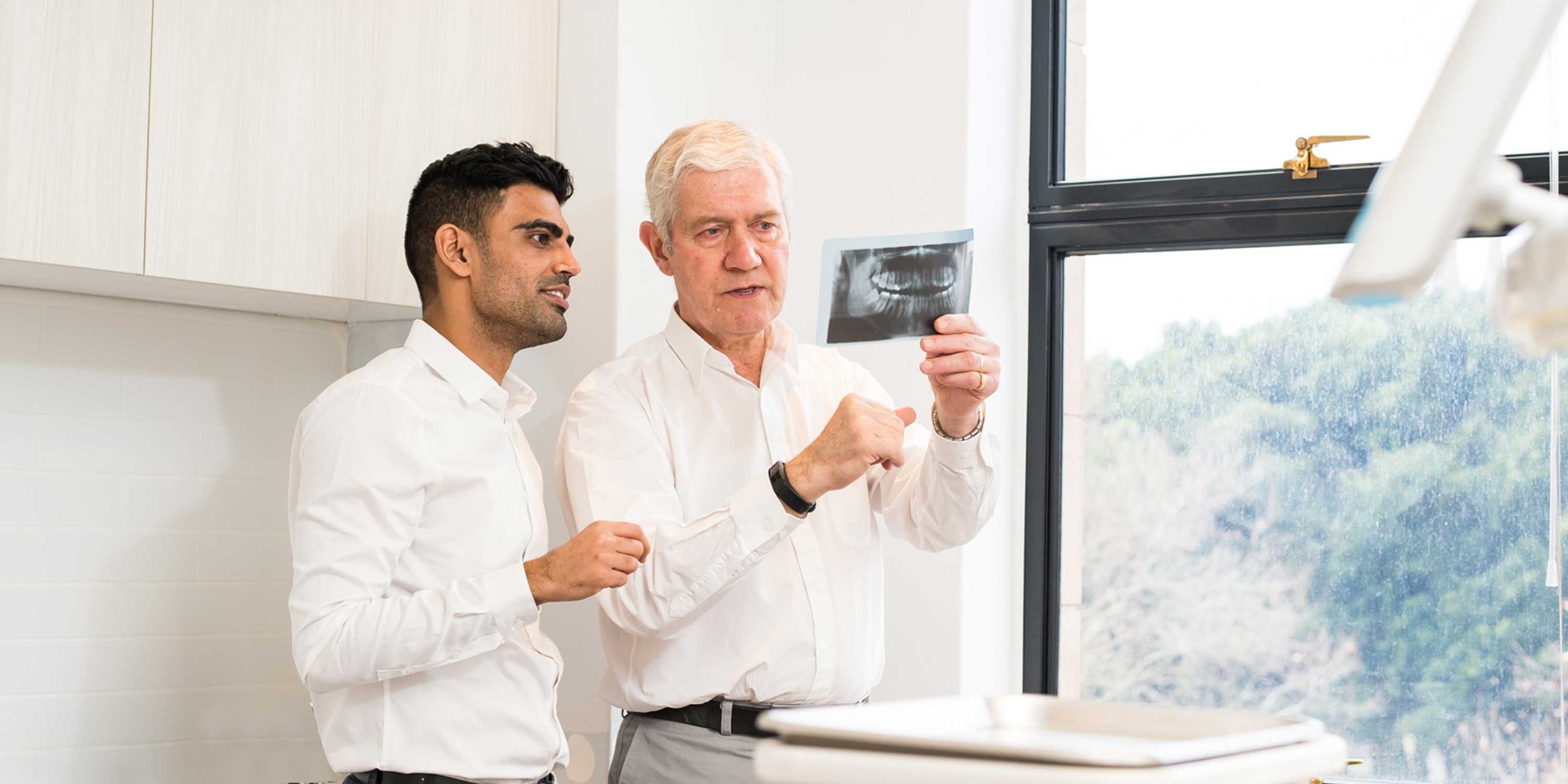




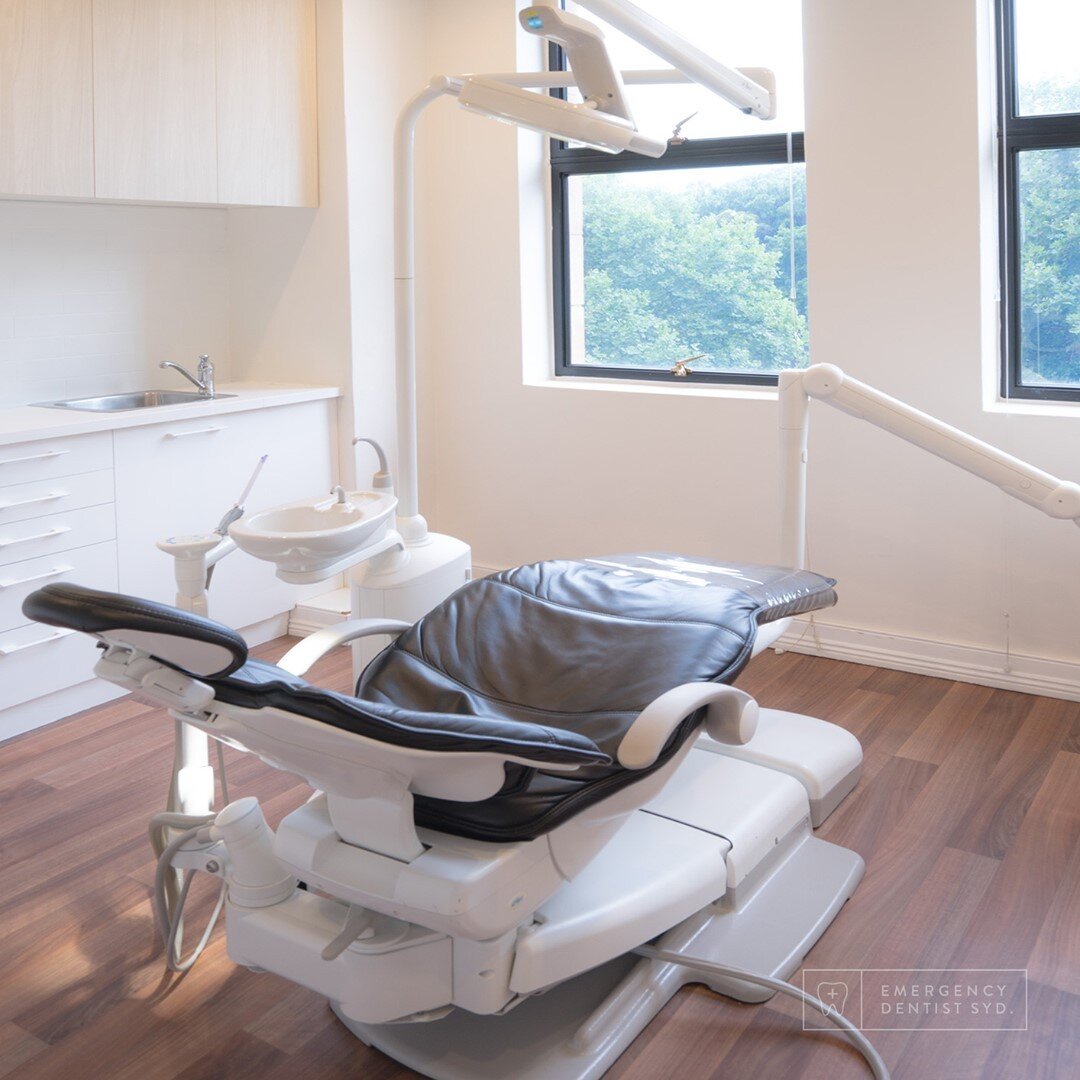





For 15 years, we've had one mission - when Sydney has a dental emergency, Emergency Dentist Sydney is there
We're proud to celebrate 15 years of providing emergency dental services to Sydney CBD and surrounding suburbs.