
Maintaining Oral Health with Braces
Your teeth will need some extra help during this time
Caring for your oral health when you have braces is a bit trickier but the payoff is amazing if done well. Follow these six tips and your path to beautiful straight teeth should be a bit more simple.
Your teeth will need some extra help during this time
Caring for your oral health when you have braces is a bit trickier but the payoff is amazing if done well. Follow these six tips and your path to beautiful straight teeth should be a bit more simple.
1. Don’t skip brushing your teeth
It’s recommended that you brush at least twice a day for 2 minutes each time. You might want to up the ante on this when you have braces though as they give food particles more places to hide and build up. If you are unable to brush after each meal, try to at least swish some water around to give them a good rinse. It’s always good to keep a toothbrush on you when out and about to keep your teeth clean and your braces free of debris.
2. Keep spare toothbrushes
Usually we’d tell you to replace your toothbrush every 3 months but those of you with braces will understand that you’ll go through toothbrushes a lot faster as your braces will create far more wear and tear on the bristles.
You may need to invest in special toothpick-like tools with bristles to get in to those hard to reach places that a standard toothbrush will find more difficult.
3. Flossing is more important than ever
Once you have your braces applied, you might need to reteach yourself how to floss but mastering this should be your priority.
Tools like a floss threader might come in handy or, that little toothpick tool with bristles we mentioned earlier may also assist you.
You may find that waxed floss is better for you during this time as it won’t shred as easily.
4. Some foods may need to take a backseat
A low sugar diet is great for your teeth in general but, more important than ever when you have braces. Given the additional hurdles you’ll be facing in keeping your teeth clean, you’ll want to do everything you can to avoid plaque build up as this can form cavities in your teeth and you already have enough to deal with right now.
If you want a snack, there’s a few that a better for braces wearers like cheese, yoghurt, fruits and veggies.
Sticky, chewy and hard foods are also a no-go area as they can damage your braces. Try to avoid lollies, popcorn and caramel as these are like magnets for braces and difficult to clean and remove around them.
When it comes to fruit a veggies try cutting them into smaller pieces rather than biting directly into them.
5. Bad habits become worse
Chewing on anything like pens, hard objects or even your nails should be stopped immediately. Doing this can bend the wires of your braces and loosen them causing more unwanted maintenance. Stopping these habits is also a wine for your overall oral health.
6. Keep your regular dental appointments
If your orthodontist and dentist are the same person, then this is super easy. Going to the orthodontist only isn’t enough for your oral care, you also need your regular 6 monthly dental check-ups for thorough cleanings.
Need Advice Or Emergency Dental Care In Sydney CBD?
Contact our friendly team


How Much Bacteria Is in My Mouth?
The Problems and Solutions
The Problems and Solutions

You might look in the mirror and think your teeth are clean but it’s the things you can’t see that matter. Bacteria are tiny organisms that live in every organ in your body and over every inch of your skin. And most of the time they’re absolutely harmless as well as essential to your continued health and wellbeing. But when it comes to your oral health, there are a few bacteria that can do a lot of damage.
Tooth Decay Bacteria


Bacteria can be found all through your mouth and can build up depending on what you eat and do. The most common type of bacteria that causes tooth decay is called Streptococcus mutans. This bacteria is always found in the mouth and feeds on the sugars and starches that you eat. The worst bit is that it secretes acids that attack the enamel of your teeth, causing cavities and gum disease.
Gum Disease Bacteria


Gum disease can cause a lot of damage to your mouth. There are two types of bacteria that usually cause gum disease, known as Treponema denticola and Porphyromonas gingivalis. These bacteria can increase in number and secrete toxins that disrupt the normal balance of bacteria in your mouth. When this occurs, the bacteria attack the gums and cause infection, pain, and even tooth loss. Gum disease can be a serious problem, so if you think you have it make sure you seek professional help as soon as possible as it must be treated by a qualifies dentist to ensure the best outcome possible.
How to Keep Your Mouth Healthy

It’s impossible to get rid of all the bacteria in your mouth, and if you managed to do so you would be extremely sick. However, you need to be aware of the problems that some of these bacteria can cause and take measures to control their numbers and keep your mouth healthy. The following steps will help you do that:
Brush at least twice a day, especially after meals.
Floss your teeth every time you brush.
Make sure you see your dentist regularly for check-ups and cleans.
Chew sugarless gum after meals to encourage saliva
Use an anti-bacterial mouthwash regularly.
Avoid sugary foods and drinks.
Emergency Dentist Sydney Says:
For the best general and emergency dental care, contact our Emergency Dentist in Sydney. Our caring and expert staff are available 24 hours a day to help you with all your emergency dental needs.

How Nail Biting Will Hurt Your Teeth
Why You Should Stop for the Sake of Your Oral Health
Why You Should Stop for the Sake of Your Oral Health
Nail biting is a very common habit that can start in childhood and continue throughout your life.
If you have this habit, you probably worry about the damage that it does to your nails and how it affects the appearance of your hands. But nail biting can do more than make it hard to wear nail polish. It can also impact your oral health and make you more likely to need a trip to an after hours dentist to repair the damage.
Why Bite Your Nails?
There is no clear cause of nail biting, but most of the time it’s associated with stress. This is a habit that often starts in childhood as a natural progression from finger or thumb sucking. Chewing your nails can help relieve tension, anxiety, stress or boredom. So when you find yourself in a situation that prompts these reactions, you’ll probably find yourself biting your nails. Unfortunately, this can be a difficult habit to break, even if you know that you’re damaging your oral health every time you bite.
How Nail Biting Affects Your Oral Health
Biting your nails can seriously affect the health of your gums and your teeth in a number of ways. Here are some of the problems that you might encounter if you bite your nails:
The grinding action can wear away the enamel on your teeth and cause cracked or chipped teeth.
Your nails get harder when you constantly bite them, which means that chewing them is even more difficult and will cause more damage the longer you have the habit.
Biting your nails puts pressure on your teeth, which can cause them to shift and leave gaps in your smile.
Biting your nails can weaken the roots of your teeth and cause your jaw bone to reabsorb them, which means that the affected tooth or teeth will fall out.
There is a lot of bacteria under your nails and every time you bite them you’re transferring it to your mouth, which can lead to gum disease.
Nail biting can do damage to your temporomandibular joint or TMJ, which can result in jaw pain or chewing difficulties.
If you chew your nails you’re more likely to develop Bruxism, which is a chronic teeth grinding habit that causes oral health problems as well as headaches and muscle pain.
How to Break the Habit
Breaking any habit is difficult and nail biting is no different. However, it’s also essential to break this habit if you want to protect and maintain your oral health. If you’re ready to get rid of this habit, here are some strategies that will help:
Find something else to do with your hands when you’re nervous, such as playing with a stress ball.
Keep your nails cut short and neat or get a manicure so they look too nice to ruin.
Get bad tasting nail polish from the chemist and put it on your nails.
Identify activities or experiences that set off the nail biting and plan to do something else instead.
Ask the people around you to stop you every time you start to bite your nails.
All of these strategies will help you find a better way to deal with negative emotions. And they will also help you avoid a late night visit to an after hours dentist with a serious dental problem.
Emergency Dentist Sydney Says
If you have a dental emergency, contact our Emergency Dentist in Sydney. Our caring and expert staff are available 24 hours a day to help you with all your emergency dental needs.
Need Advice Or Emergency Dental Care In Sydney CBD?
Contact our friendly team


Our Top 5 Emergency Treatments
The Biggest Threats to Your Oral Health After Hours
The Biggest Threats to Your Oral Health After Hours

If you have a problem with your teeth at night or on the weekends, you’ll probably need to see our after-hours dentist. This is more common than you think. It’s normal to want to avoid thinking about a niggling pain in your tooth for as long as possible. But unfortunately, this means that it can flare up just at the wrong time. When this happens you’ll need to see a dentist as soon as possible. At our Emergency Dentist in Sydney, we see all sorts of dental problems after hours, but there are some that are more common than others. To learn about these procedures, and their treatments, keep reading.
1. Extractions
If you have a tooth that’s too damaged to fix then you may need an extraction. This type of damage is usually caused by injury or decay. During an extraction the affected tooth is removed from the socket bone. If the tooth is clearly visible in the mouth, your dentist will loosen it and then remove it with forceps. However, if the tooth is broken off below the gum line or hasn’t come through the gum then it will have to be removed surgically. This is a more complicated procedure during which the gum is opened up to remove the offending tooth.
2. Root Canal Treatment
If you have an infection or inflammation in a tooth then you may need a root canal. This is a very common reason for trips to the after-hours dentist and causes a great deal of pain and discomfort. Tooth infections happen by deep decay, a chip or crack in the tooth, or previous dental surgeries.
If you need to have a root canal your dentist will remove all the infected pulp from inside the tooth. The whole area will be cleaned and sterilised to remove all traces of the infection before a filling is inserted into the tooth to replace the tooth pulp. This procedure can save the affected tooth and help you avoid further surgeries.
3. Fillings & Dental Bonding
If you have a hole in your tooth because of decay, then you’ll probably need a filling. This is a very common procedure and an easy way to alleviate the pain that can occur with decay. During a filling procedure, your dentist will remove the damaged section of the tooth and replace it with a filling. A filling can be made of a number of different types of material depending on the size of the hole and its position in your mouth.
Another common emergency procedure is dental bonding. This is the cheapest and quickest way to improve the appearance of a damaged, broken or decayed tooth. The bonding material is attached to the surface of the tooth and vastly improves its appearance. During this procedure, your dentist will lightly abrade the surface of the affected tooth, apply a conditioning liquid and attach the resin. This is like plastic, so it can be moulded to fit the shape of your tooth. The material is smoothed and then hardened using an ultraviolet light.
4. Wisdom Teeth
Wisdom teeth usually grow in the late teens or early twenties. Unfortunately, not everyone has enough room in their mouth for these extra teeth. If this is the case for you, the new wisdom teeth can push other teeth out of the way or become impacted, causing infection and pain. This can come on quite suddenly and result in a trip to the after-hours dentist.
At the dentist, you will need to have an exam to determine what the problem is and what has to be done to alleviate it. If there isn’t enough room for your wisdom teeth, you will probably need to have them taken out. However, wisdom teeth can also cause pain in the gums and jaw when they’re coming through. So even if they hurt, you won’t necessarily have to have them removed. That’s why it’s important to get them checked so you can plan your next step.
5. Re-cementing of Crowns, Veneers & Bridges
Crowns, veneers and bridges are all used to replace missing or damaged teeth. Crowns are used to encase an entire tooth. They’re most often used when the tooth is decayed or damaged and improve the strength and the appearance of the tooth. Veneers cover the front side of the tooth, the part that faces outward, and improve the appearance of a damaged or broken tooth. And finally, a bridge is an artificial tooth that’s attached to surrounding teeth.
Despite the strength and durability of these dental additions, they can sometimes become damaged or loose. This can occur when the procedure is fairly recent and hasn’t completely set yet, because of injury, or while you’re eating something hard. If you lose a crown, veneer or bridge, your dentist will need to evaluate the area to see if the original addition can be re-applied. If not, you will have to decide what step to take next. If the dental addition can be reapplied your dentist will clean your mouth and the implant and reattach it.
Emergency Dentist Sydney Says:
If you have a toothache after office hours, make sure you contact our Emergency Dentist in Sydney. Our caring and expert staff are available now to take care of all your emergency dental needs.

Can Toothache Be Prevented?
How to Avoid Toothaches by Protecting Your Oral Health
How to Avoid Toothaches by Protecting Your Oral Health
Toothaches are fairly common but also extremely unpleasant. There are a number of problems that can cause toothaches including infection and abscesses. However, the most common cause is tooth decay. When this occurs, it means you will have to make an expensive trip to the dentist for a filling. Fortunately, it’s also fairly easy to avoid this kind of toothache. You just need to take better care of your oral health with the following steps.
1. Regular Brushing
You should brush your teeth at least twice a day for at least 2-3 minutes if you want to avoid emergency trips to the dentist with a toothache. And don’t guess at the timing either, make sure you take a watch with you, at least while you’re getting used to your new habit.
2. Floss Every Day
Brushing is good but it can’t get rid of the small particles of food that get stuck between your teeth. Flossing at least once a day will help you avoid the build-up of food and bacteria between your teeth that causes cavities.
3. Avoid Sugar and Sticky Foods
The bacteria in your mouth need sugars to survive and multiply. This means that your diet is incredibly important in determining the health of your teeth. Try to avoid sugary foods like soft drink and juice. You should also cut down on the amount of sticky foods you eat because they can easily become stuck to and between your teeth. This means cutting down on candy and caramels, or at least brushing and flossing well when you do eat them.
4. Eat Vegetables
If you want healthy teeth and a healthy body you need to eat lots of raw, healthy vegetables. Vegetables are packed with essential vitamins and nutrients and they also contain lots of water, which can help to clean the bacteria from your teeth.
5. Drink Lots of Water
Water is essential for every system in your body and that applies to your teeth as well. Drinking water helps to wash bacteria away from your teeth and it also encourages saliva production, which protects your teeth in between brushing.
6. Have Regular Check-Ups
If you want to keep your mouth healthy, you need to visit your dentist twice a year for a check-up. Your dentist will be able to see signs of problems early, which is key to quick and easy treatments. This will help you avoid late night visits to your after hours dentist. Your dentist will also give your teeth a complete and thorough cleaning, which will improve your overall oral health.
Emergency Dentist Sydney Says:
If you have a toothache after office hours, make sure you contact our Emergency Dentist in Sydney. Our caring and expert staff are available now to take care of all your emergency dental needs.

What To Do When You Have Gingivitis
Prevent the Next Stages of Gum Disease
Prevent the Next Stages of Gum Disease
We only get one set of permanent teeth, so it is important to take good care of them. Having good oral health means you are taking care of your overall health. Unfortunately, this is not the case for some people. Without daily brushing and flossing, the bacteria that forms on our teeth builds up and causes an inflammation of the gums. This is called gingivitis, the first stage of gum disease. Here is a brief guide on what you need to know about gingivitis, so you don’t progress to the next stages that can cause infected bone and tooth loss.
There Are Three Stages of Gum Disease:

1. Gingivitis: this is the earliest stage of gum disease where the plaque build-up causes an inflammation of the gums. Your gums will be red and swollen and may bleed while brushing and flossing. Good news is that gingivitis can be reversed at this stage as it is still early and the bone that supports your teeth are not yet affected.
2. Periodontitis: This stage of gum disease is irreversible. The supporting bone that holds your teeth are affected to the point where your gums may begin to form a pocket below the gum line, trapping food and plaque.
3. Advanced Periodontitis: In this final stage of gum disease, the fibers and bone supporting your teeth are destroyed, which can cause your teeth to shift or loosen.
Gingivitis Symptoms
As mentioned above, your gums will become red and inflamed and will probably bleed during brushing. The area will be sore or tender and may actually recede (pull away from the teeth). It can also cause gaps to form between the teeth and the gums, which can collect food as well as plaque. As well as these less obvious problems, people with gingivitis often suffer from bad breath, even if the condition isn’t very advanced.
Treating Gingivitis
Gingivitis can be treated easily and simply only if it’s caught early. Your dentist will perform a deep clean to remove the hardened plaque. If your gingivitis is left untreated, it will worsen and progress to the next stage, Periodontitis. If the problem gets to this stage you will probably lose some of your teeth and cause permanent damage to your gums, teeth and other tissues in the mouth. That’s why it’s so essential that you make regular visits to your dentist to treat any problems as soon as they appear.
How to Avoid Gingivitis
To avoid gingivitis you need to see your dentist regularly for a professional cleaning. Your dentist will remove any plaque buildup and let you know of any problems before they become serious. Other than that, you have to make sure you maintain good oral hygiene, which means twice daily brushing, flossing, eating well, and avoiding substances that can cause damage such as smoking. If you make these habits a priority, you will enjoy good oral health throughout your life.
Emergency Dentist Sydney Says:
If it’s been a while since your last dental check-up and you are experiencing red and swollen gums, visit a dentist as soon as possible. It may be gingivitis and you won’t want it to progress to the next stage.

5 Tips To Keep Cavities At Bay
Protect and Prevent
Protect and Prevent
Our teeth have outer coatings called enamel. They are a hard, protective layer but once it is weakened by the different types of foods and drinks we consume, especially junk and acidic foods, a pit forms in or on the tooth surface. This is called a cavity and is the result of tooth decay. Children are very prone to cavities, as they are more likely to miss spots while brushing their teeth. Because of this, many people think only children can get cavities, which is not true. Adults get cavities for the exact same reason but don’t worry, there are many ways to prevent them! Have a read below for our top 5 tips to keep these cavities away for good.
1. Twice Daily Brushing and Flossing
This is a no-brainer, however, what most people don’t know is that the way you brush and what you use to brush are extremely important. Proper brushing includes using short, gentle strokes and paying extra attention to the back teeth. Don’t forget to brush your tongue too! We recommend a toothbrush with soft bristles or an electric toothbrush. Hard bristles will continue to take away the enamel on your teeth. Flossing is also really important as it is the best tool to remove trapped food from in between teeth. Your oral hygiene routine is a very simple yet effective way to prevent tooth decay and it only takes 2 minutes!
2. Mouth Wash
To reduce the amount of bacteria in your mouth after eating or drinking, use an antibacterial mouth rinse. A mouthwash containing fluoride is also another option as it is a natural mineral that strengthens tooth enamel and prevents cavities.
3. Drink More Water
Water is the healthiest drink and staying hydrated helps your body in many ways including your oral health. It’s hard not to drink your favourite soft drink or a fruit juice with your meals. Sorry to say but drinks that are high in sugar or very acidic are bad for your teeth. They take away the enamel on your teeth which will eventually lead to cavities. Our best tip for you is to drink a glass of water after having a cup of coffee, tea or any drink so that it can wash away the acid lingering in your mouth. It can also keep your saliva from becoming too sugary so that the sugars won’t transfer onto your teeth. Another great tip is to use a straw when drinking soft drinks and juices as it will keep the sugar off your teeth and out of your saliva.
4. No Smokes
The health risks related to smoking cigarettes such as cancer are plastered all over cigarette packets and tv ads, however, most people are still unaware of the damages it can cause on your teeth. Smoking cigarettes not only stain your teeth and give you bad breath but can lead to gum disease, tooth loss, and even oral cancer. Cigar smoking and tobacco chewing can also be just as bad. So even though it is difficult to quit, keep trying as it really is better for your health and the people around you.
5. Regular Check-Ups
It is super important to visit your dentist every 6 months for a deep clean. All the built-up plaque and tartar will be removed leaving your teeth and gums feeling fresh but more importantly to prevent any diseases such as gingivitis. For those who can feel a cavity on the way, there are also treatments for that including dental sealants.
Cavity prevention starts at home. Just follow the above tips and you can prevent tooth decay. If you already have a cavity or feel like you do, do not hesitate to call your dentist and make an appointment.
Emergency Dentist Sydney Says:
Your oral health is important so don’t delay any dental check ups and continue brushing your teeth everyday – the proper way.

I Have an Abscess
So You Have an Abscess. What Does That Mean?
So You Have an Abscess. What Does That Mean?
Your mouth is a sensitive and delicate area which is why there are so many things that can go wrong if poorly treated. Dental hygiene is vitally important as well as visiting your dentist regularly. One very major mouth problem is abscesses. If your mouth or jaw is aching and there is swelling and pain, you may have an abscessed tooth. Here is a guide on everything you need to know about abscesses.
What is an Abscess?
An abscessed tooth is an infection within a tooth. It is a pocket of pus that forms at different regions of the tooth and for different reasons. A gingival abscess (gum abscess) occurs on the surface of the tissue at the gum line of the teeth. If left untreated, it can lead to a periodontal abscess which the abscess on the tissue of the gum line drives deeper into the gum pockets. A periapical abscess commences in the soft pulp of the tooth, which later on will travel down to the nerves of the tooth.
Wherever the location of your abscess, it will become inflamed and can swell severely, obstructing your ability to chew or swallow properly. The abscess will keep growing and causing more pain so it is important to visit your dentist as soon as these symptoms occur.
Other symptoms of an abscess usually include:
A reddened area around the site
A bad taste in your mouth
Swollen face
Sensitive teeth to hot or cold food and drinks
Swollen glands in the neck
A pea-sized bump inside the mouth
As your condition advances, you may experience other symptoms such as a fever, vomiting, chills or nausea.
Where Do They Come From?
An abscess usually occurs because of poor dental health. Your mouth naturally contains bacteria but when your teeth are not regularly cleaned well, plaque will form on your teeth and gums, resulting in infections and decay. Other possible causes include:
Gum disease (gingivitis)
Dental injury (cracked tooth)
A poor diet
Some medications
Neglecting small wounds in the mouth or surgical sites from previous dental visits.
How Can They Be Treated?
If you have an abscess, you need to visit your dentist immediately. This is especially important if you feel sick or have any other symptoms of an advanced infection. The treatment depends on the seriousness of your condition but usually your dentist will drain the site to get rid of the pus and give you painkillers and antibiotics to combat the infection. A root canal treatment can also be carried out. A tooth extraction only happens if it is a severe infection of the tooth that cannot be saved.
If your abscess ruptures at home, before you can get to the dentist, rinse with warm water to help clear out all the pus and see your dentist as soon as possible.
Why You Shouldn't Delay Treatment
Waiting for the pain to subside or delaying treatment is the last thing you want to do. The pain may stop but that doesn’t stop the infection. The infection will continue to spread, leading to bigger problems. Early treatment can cure the infection and save the tooth.
Emergency Dentist Sydney Says:
If you suspect an abscessed tooth, it is crucial to visit a dentist as soon as possible, even if you are not in any more pain.

Health Funds
What do you accept?
What do you accept?
Even if they are in a great deal of pain, - which is far from unusual - when people call about visiting an emergency dentist they are concerned about just how they are going to cover the cost of their visit. One of the questions heard often is a simple one; "what health funds do you accept?"
Emergency Dentistry and Health Funds
One of the biggest reasons that many Australians choose to participate in a private health fund is to gain better access to dental care. Therefore, it’s little surprise that they want to try and make sure that any tie they need dental services of any kind they are covered by their particular health fund.
In answer to the question "what health funds do you accept?" at Emergency Dentist Sydney, we can honestly say 'all of them'. We do not have a preferred provider; we are willing to work with them all. In doing so we ensure that everyone has access to great dental care in an emergency and that worries about coverage are taken out of the equation and patients can concentrate on dealing with the real issue at hand; getting their dental emergency taken care of.
This means that at Emergency Dentist Sydney we can accept all the following health funds:
Using Your Health Fund Coverage at Emergency Dentist Sydney
When you visit us, and it’s planned that you’ll be receiving a dental treatment covered by your health fund, you will be able to claim instantly at your appointment, providing you can present your health fund identification (temporary ID cards are OK) to our staff at the time of the visit. Each claim is made individually, we don’t bulk bill as we are private providers and not a part of the public health system.
Emergency Dentist Sydney Says:
Because we believe that everyone should have access to the best possible dental care, both as a matter of routine and on an emergency basis, we make sure we can work with any health fund in Australia to allow more people to do so.

Smokers vs. The Dentist
The Tough Truth
The Tough Truth
There's been a lot of good news about smoking in Australia recently. According to the Australian Bureau of Statistics the number of smokers in the country has decreased by nearly 10% over the last two decades. Back in 1994 one in four Aussie adults smoked. By 2015 that had been cut to one in seven, and the numbers are still dropping.
However, that's still plenty of people lighting up on a regular basis. Do most of those people probably want to quit? More than likely. But it's tough, we know that. Lots of folks have to try, try and try again before they finally manage to kick the habit for good, so if you're struggling, you're not alone.
The one thing we do know as dentists is that whether they are actively trying to stop smoking or not, lots of smokers avoid coming to see us. And even if they do, they are often embarrassed, because they know that the lingering 'smoker's breath' and the discolouration years of nicotine causes on the teeth isn't attractive at all.
There are however, even bigger oral health concerns that smokers should be aware of. Smokers are at an increased risk for all of the following:
A dulled sense of taste and smell, even if they don’t know it. Often, when a person stops smoking it's the first time they realise all of the wonderful taste experiences and everyday scents they've been missing!
Slow healing after a tooth extraction or other dental surgery. This can seriously impact the effectiveness of what can be rather helpful and sometimes even transformative oral health treatments.
Gum disease. Gum disease is nasty stuff. It does not just affect smokers of course but it does tend to be a little worse, and harder to treat effectively, if the patient being treated smokes.
Oral cancer. This is obviously the biggie. Not to be overly heavy but smoking seriously increases the risk that you will develop some form of oral cancer.
By the way, we should point out that it is not just cigarette smokers who are at an increased risk for these oral health problems. Cigar smoking and tobacco chewing can be just as bad. And the bad news for vapers is that an increasing number of dental case studies and research projects are finding that vaping can potentially be as bad for your oral health as smoking regular cigarettes.
The one thing you should not do as you try to kick your habit though? Avoid seeing the dentist on a regular basis. Dentists, although yes, we will try and encourage you to stop smoking/vaping are not overly judgmental people. We get that it's hard and what we'd like to do is to address any damage you've already suffered to your oral health as a smoker while helping you learn to minimise future problems.
If you are still smoking, try all of the following, starting today:
Cut down as far as you are able. Every little step counts!
Pay particular attention to brushing your teeth at least twice a day
Try making use of a smoker's toothpaste (but make sure it's one that contains fluoride too)
Keep trying to quit. It really is better for your oral health, your overall health and even all the people around you.
Emergency Dentist Sydney Says:
Smoking is not good for your health, including your oral health. But it should not be a reason to skip dental treatment. Sticking to your regular checkup schedule - and seeking help right away if you experience tooth pain - can help minimize the damage smoking does to your teeth and gums.

The Truth about Temporary Fillings
They're just temporary
They're just temporary
Temporary fillings seem like such a strange idea. After all, if you have a hole in your tooth, why would your dentist only fit it for a short time?
But this is a simplistic view. Temporary fillings can be a very useful tool if used in the right circumstances. They’re a short term solution that eases the pain of damage and makes it possible for you to go about your life as normal until you can get the proper treatment. If you need to get a temporary filling, here is a quick guide to their use and care.
What is a temporary filling?
A temporary filling is a filling that has been placed to seal or build up part of a tooth. It is generally made from softer materials and is not intended as a permanent solution.
What is the procedure for a temporary filling?
The procedure for a temporary filling is similar to the procedure for a normal filling except much shorter. There is hardly ever any drilling or teeth shaving required, because the filling is not meant to be there forever, and so it can be done quickly so the patient can go about their day again. There are usually no needles needed for this procedure either.

Why do temporary fillings fall out?
Temporary fillings are temporary treatments for a number of problems. They aren’t meant to last forever. If you get a temporary filling, and don’t go back for the treatment, the filling will fall out sooner or later. Generally speaking, a temporary filling can last anywhere from a couple of days to a few months depending on where it’s located. This is dependent on other factors of course, such as general mouth health, food intake, and whether you ‘play’ with the filling a lot. But, if you’re careful and you go back to your dentist for the proper treatment, your temporary filling should last until the dentist can put something more permanent in there.
How can I care for my temporary filling?
When you have a temporary filling, mostly you need to be careful what you eat. Biting into hard foods such as nuts or seeds can cause the filing to come loose and fall out. If possible, chew on the side away from the filling. Apart from this, you can brush your teeth as normal without dislodging the filling. Just make sure you keep your tongue away from it as well. When temporary fillings fall out, it’s often because the patient is constantly digging at it with their tongue. With this kind of treatment, it’s no wonder they don’t last.
Emergency Dentist Sydney Says:
If you need professional and compassionate dental care, come and see us here at Paramount Dental Sydney. We’d be happy to work with you towards the best oral health of your life.
Need Advice Or Emergency Dental Care In Sydney CBD?
Contact our friendly team

Dentists Surprising Role in Treating Eating Disorders
Here are the facts...
Here Are The Facts
When most of us think about eating we associate it primarily with sustenance and pleasure. However, for a growing number of Australians, many of whom are young, the act of eating anything is a real trial, as they are one the increasing number of people suffering from an eating disorder. And, believe it or not, it is often their dentist who notices the problem first.
Eating Disorder Basic Facts
According to The National Eating Disorders Collaboration, Australia is in this case right in line with the rest of the developed world, in that that the incidence of eating disorders and body image issues has increased significantly over the last 30 years.
The NEDC estimates that approximately 9% of the Australian population currently suffers from an eating disorder and that figure is increasing, with eating disorders now being the 12th leading cause of mental health hospitalisation in Australia. And perhaps most worrying of all is the fact that up to 1 in 5 of the afflicted will die prematurely.
As we mentioned before, the problem is especially worrying among younger people. In a survey conducted by the NEDC 84.3% of the 15-25 year olds interviewed said that they personally knew of a peer that they believed suffered from an eating disorder and 62% said they knew of five or more.
How Dentists are Helping Those at Risk
No matter what kind of eating disorder a person is suffering from it is the norm that they are very secretive about both the problem and the behaviours it causes. It is very rare for them to voluntarily seek help alone, it usually takes the input of a concerned third party to persuade them to even begin to begin addressing their problem.
For the family GP, an eating disorder can be hard to spot, especially in a teenager or young twenty-something during a routine exam. The patient is not going to bring the issue up and fluctuations in weight are often considered fairly normal at this age. And as many young people are considered generally healthy they may not even visit the doctor anyway.
They probably do still visit the dentist though, at least once every six months, which is why it is becoming common that it is their dentist who notices a problem first.
The Toll of Eating Disorders on Oral Health
Eating disorders can - and do - take a real toll on the body, but much of this is not easily visible. Not everyone suffering is very obviously painfully thin and will often hide it even if they are with the way they dress. One place where symptoms and signs are more obvious however is the mouth, as eating disorders affect oral health in several significant ways.
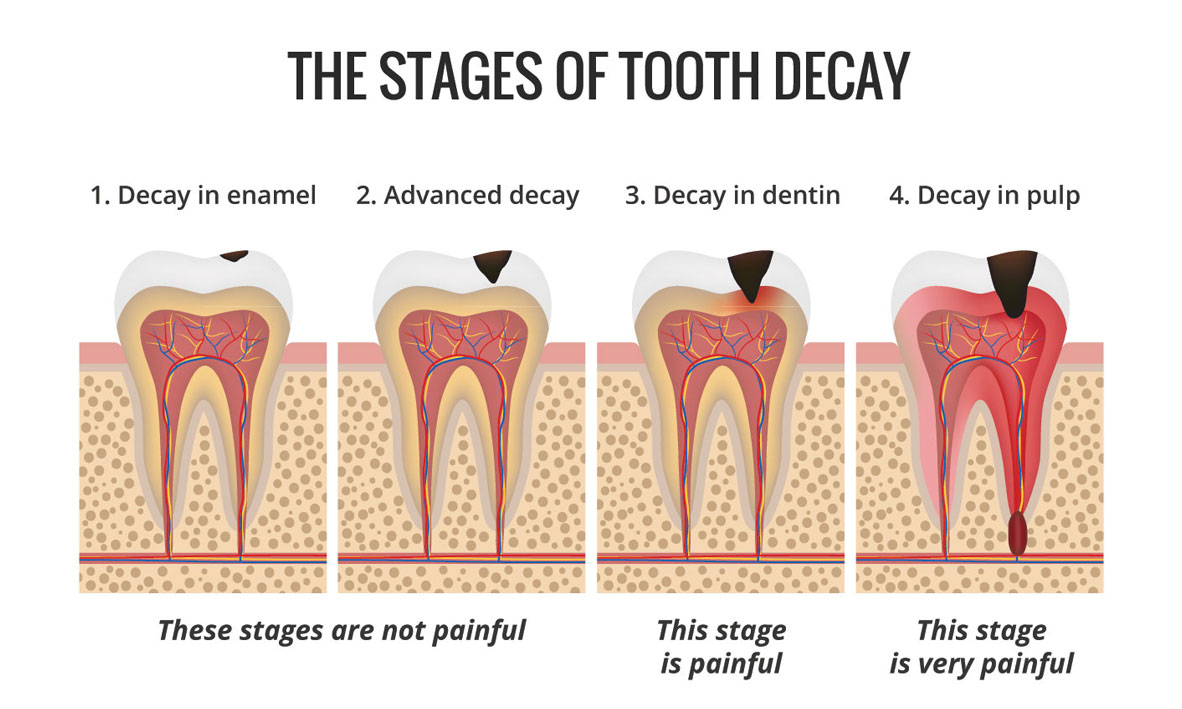
One big reason for this is the vomiting that is characteristic of eating disorders. Stomach acid is potent stuff, so the teeth of a person vomits on a very regular basis are often discoloured, or even almost translucent and may appear to be 'wearing away'. They may suffer from very bad breath, bleeding gums, tooth sensitivity, continually chapped lips and more, all of which a routine dental exam will reveal.
If a dentist does suspect an eating disorder problem they are in a great position to gently suggest that the patient begin seeking the right help. They can also help make sure that the damage to the teeth is minimised. As eating disorders are closely tied to image and self-esteem issues it can be very comforting for a recovering person to realise that they may not have damaged their teeth permanently and that like the rest of the body, they can be 'nursed' back to health with the right treatments.
The Emergency Dentist Says:
Eating disorders are a serious issue but something that can be very hard to deal with. Parents who suspect their child may have a problem should consider scheduling them a dentist's appointment, as they should be able to spot the warning signs and help get the patient onto the treatment path they need to be on.
Patient Care First

Keep Up-To-Date with All Things Oral & General Health
RECENT ARTICLES







For 15 years, we've had one mission - when Sydney has a dental emergency, Emergency Dentist Sydney is there
We're proud to celebrate 15 years of providing emergency dental services to Sydney CBD and surrounding suburbs.