
How to avoid tooth decay
How to avoid tooth decay
Tooth decay usually works silently until it becomes a bigger, sometimes irreversible problem. Learn what it is, the signs and how to avoid tooth decay here.
Learn how to Identify, prevent and treat Tooth Decay
Tooth decay is a common problem that affects people of all ages. It is caused by bacteria that feed on sugar in the mouth and produce acid. This acid can dissolve the enamel on the teeth, creating cavities. Tooth decay can lead to pain, infection, and even tooth loss.
What is tooth decay?
Tooth decay is a progressive disease that begins with the formation of plaque. Plaque is a sticky film of bacteria that builds up on the teeth. If plaque is not removed regularly, it can harden into tartar. Tartar is a difficult-to-remove deposit that can only be removed by a dentist.
Once tartar has formed, it can trap bacteria and food particles, producing acid. This acid can dissolve the enamel on the teeth, creating cavities. Cavities are small holes in the teeth that can cause pain and sensitivity. If left untreated, cavities can grow larger and eventually lead to tooth loss.

How to identify tooth decay:
Identifying tooth decay in its early stages is crucial for preventing further damage to your teeth and overall oral health. Here are some signs and symptoms of tooth decay that you should look out for:
Visible holes or pits in your teeth: As tooth decay progresses, it can create visible holes or pits in the affected teeth. These cavities may initially appear as small white or brown spots, but they can grow larger and darker as the decay worsens.
Toothache or sensitivity: Tooth decay can cause pain or discomfort, especially when you eat or drink hot, cold, or sweet foods or beverages. This sensitivity is a result of the exposed dentin, the layer beneath the enamel, which is more sensitive to temperature changes.
Dark stains on your teeth: Dark brown or black stains on your teeth can also indicate tooth decay. These stains are caused by the buildup of decay-causing bacteria and food particles.
Bad breath: Persistent bad breath or a foul taste in your mouth can be a sign of tooth decay. The bacteria that cause decay produce sulphurous compounds that contribute to unpleasant breath odour.
Pain when biting: If you experience pain when you bite down, it could be a sign of tooth decay or other dental problems, such as gum disease or a cracked tooth.
Swollen or bleeding gums: Swollen, red, or bleeding gums can also indicate tooth decay or gum disease. These symptoms are caused by inflammation and irritation of the gums due to plaque buildup and bacterial infection.
If you notice any of these signs or symptoms of tooth decay, it's important to schedule an appointment with your dentist as soon as possible. Early detection and treatment of tooth decay can help prevent further damage to your teeth and preserve your oral health. Emergency Dentist Sydney works around the clock to provide out-of-hours emergency dental care.
How serious is tooth decay?
Tooth decay is a serious problem that can have a significant impact on your oral health and overall well-being. Here are some of the consequences of tooth decay:
Pain and sensitivity: Cavities can cause pain and sensitivity, especially when eating or drinking hot or cold foods or beverages.
Infection: If left untreated, cavities can become infected. This can lead to an abscess, which is a painful collection of pus that can spread to the jawbone or other parts of the face.
Tooth loss: If cavities are not treated, they can grow larger and eventually lead to tooth loss. This can make it difficult to eat, speak, and smile.
Low self-esteem: Tooth decay can also affect a person's self-esteem. People with missing or damaged teeth may feel embarrassed to smile or speak in public.

How to prevent tooth decay
Tooth decay is a preventable disease. Here are 8 top tips which can help to prevent tooth decay, including:
Brush your teeth twice a day with fluoride toothpaste: Fluoride helps to strengthen the enamel on the teeth and makes them more resistant to decay.
Floss once a day: Flossing helps to remove plaque and food particles from between the teeth, where they can cause decay.
Eat a healthy diet: Limit your intake of sugary foods and drinks.
Visit your dentist for regular checkups and cleanings: Your dentist can check for cavities and other dental problems and provide preventive care.
Drink plenty of water: Water helps rinse plaque and food particles from the teeth.
Use a mouthwash: Mouthwash can help to kill bacteria in the mouth and reduce plaque buildup.
Chew sugar-free gum: Chewing sugar-free gum can help to increase saliva production, which helps to wash away plaque and food particles.
Avoid smoking: Smoking can damage the enamel on the teeth and make them more susceptible to decay.
Protect your teeth
By following these tips, you can help prevent tooth decay and keep your teeth healthy for years to come.
If you have noticed any of the signs of tooth decay, or if you have any questions at all then feel free to give Emergency Dentist Sydney a call or book a consultation.
NEED ADVICE OR EMERGENCY DENTAL CARE IN SYDNEY CBD?
Contact our friendly team


The 10 Most Common Oral Health Problems
The most common problems your dentist sees
The most common problems your dentist sees
You might think that your dentist just cleans teeth and puts in fillings all day, but the truth is that emergency dentistry can be extremely varied. Your after hours dentist sees lots of different types of oral health problems every day, and has solutions that can improve or eliminate those problems as well. Here are some of the most common problems that send people running to their emergency dentist.
1. A Toothache
If you experience pain in or around a tooth, then you need to make a trip to see your dentist. A toothache could be a sign of gum disease, infection, dental decay, or tooth damage. And if you delay your treatment the problem could get worse or spread to other parts of your mouth. If you can’t get to your after hours dentist immediately, rinse your mouth with warm water and brush and floss your teeth gently. This should help with the pain. You can also take an over the counter painkiller if necessary. And get to your dentist as soon as possible.
2. A Cavity
Cavities are caused by the build up of bacteria on your teeth that slowly eats through the enamel. If you have a cavity, you may experience pain in the tooth or increased sensitivity to hot, cold or sweets. If caught quickly, your dentist can easily fix your cavity with a filling. But if you leave it too long, the damage could become so extensive that the tooth is beyond saving. This means you’ll have to have a root canal, which is a much more involved dental treatment.
3. A Chipped Tooth
A chipped tooth is the most common type of dental injury and usually occurs because of accidents. However, it can also occur when you bite down on something hard. A chip usually isn’t painful, but you still need to get it checked by your dentist and repaired using dental bonding or a dental crown for a larger chip. If you ignore the chip, then it could spread over time into a large crack or split, and you could lose the tooth.
4. Impacted TeetH
If your teeth don’t come in properly, they can become impacted. This often occurs with wisdom teeth, because there often isn’t room for them in the mouth. As a result, the teeth can get stuck against the jaw or other teeth. If you have an impacted tooth, then you need to get it assessed. Only your dentist can tell you if it can stay in or needs to be extracted. But if the area becomes sore, changes colour, or starts to release pus, then you need to see your after hours dentist immediately.
5. A Cracked Tooth
A cracked tooth is much more serious than a chip. It usually occurs because of accident or injury and means that there’s a crack in your tooth from the biting surface down towards the root. Cracks can be very small and hard to see with the naked eye, which is why you need to visit your dentist if you experience tooth pain or sensitivity after an injury. Your dentist will assess the tooth to see if it can be saved using a root canal and a crown. But if the crack runs down into the gum, the tooth will need to be removed.
6. A Gum Infection
Gum infections are unfortunately becoming more common. They occur when there’s a build up of bacteria on the teeth and beneath the gum line. The best way to avoid gum disease is to brush and floss regularly and visit your dentist for a deep clean every 6 months. You will probably be able to tell if you have gum disease. Your gums will be sore and red and will bleed easily. They may even start to pull away from the bottom of the teeth, making them look longer and more jagged. If you don’t get your gums treated, you may lose teeth or experience bone loss in your jaw, which will change the shape of your jaw and the alignment of your teeth. Your after hours dentist will give your teeth a deep clean and scaling and perhaps even prescribe medications to help fight off the infection.
7. Wisdom Teeth Pain
Not everyone has room in their mouth for their wisdom teeth. This can cause them to come in crookedly so they push other teeth out of alignment, or they can even grow down into the jaw. If you experience sudden pain at the back of your mouth, then it may be because of your wisdom teeth and means that you need to visit your emergency dentist as soon as possible. They will be able to assess if your wisdom teeth can come through safely. If they can’t, your dentist will need to perform an extraction.
8. A Dislodged Tooth
Teeth can get knocked out because of accidents and sporting injuries. If this occurs, then you need to see your after hours dentist as soon as possible. If you act quickly, your dentist may be able to save and replace the tooth. Just make sure you pick up the tooth, clean it off, and keep it moist until your dentist can get to work.
9. Tooth Sensitivity
Sensitive teeth are a very common problem that can indicate a cavity, gum disease, or a crack in your tooth, but can also mean nothing. So, if you have sensitive teeth, or if a tooth suddenly becomes sensitive, you need to get it checked by your dentist. If the sensitivity is because of a dental problem, your dentist will be able to treat it with a filling, gum treatment, or root canal. And if there isn’t a problem, they can recommend an effective desensitizing toothpaste.
10. Food Stuck between your Teeth
Unfortunately, if you have unusually large gaps between your teeth, then hard foods and other particles can get stuck there. This can be very painful and annoying. Try to remove the food yourself by brushing and flossing your teeth first. You can also use a pair of tweezers to remove the obstacle. However, if all these strategies fail, then you can also make an appointment with your dentist, who will use dental instruments to get it out. Whatever you do, don’t just leave the obstacle there as the food will start to rot and cause tooth decay.
Emergency Dentist Sydney Says:
If you have a dental emergency, contact our Emergency Dentist in Sydney. Our caring and expert staff are available 24 hours a day to help you with all your emergency dental needs.
NEED ADVICE OR EMERGENCY DENTAL CARE IN SYDNEY CBD?
Contact our friendly team


Dental Health Week at Emergency Dentist Sydney
The best advice your dentist can give for good oral health this year
The best advice your dentist can give for good oral health this year
Between the 6th and 12th of August this year is Dental Health Week. This is a chance to focus on a part of your body that you probably ignore until something goes wrong. But if you want to avoid dental emergencies over this week, and for the rest of the year, here’s some advice from the staff at Emergency Dentist Sydney.
The Importance of Emergency Dental Services
The focus of this year’s Dental Health Week is to encourage everyone to have a regular dentist. This will ensure that you get consistently good, regular dental treatments. However, even if you have a regular dentist, you may still need the help of an after hours dentist. Accidents, injuries, and dental pain can occur at any time, so you need to know that expert help is only a phone call away.
Choosing the right emergency dentist is as important as choosing your regular dentist. You need to know that they can help you no matter what dental problem you have. That’s why, at Emergency Dentist Sydney, our staff focus on improving and maintaining their skills and experience. This helps ensure that every patient gets the best outcome possible whether it’s on the weekend or late at night.
Your Best Oral Health Through Prevention
About 50 percent of Australian adults don’t brush their teeth every day. This is a shocking statistic because regular brushing is the best thing you can do to protect and maintain your oral health. If you want to avoid trips to your after hours dentist as well as painful and potentially expensive dental problems, you need to take better care of your teeth. And this year’s Dental Health Week is the perfect opportunity to start this new habit. Here’s what you need to do:
Brush your teeth at least twice a day for at least 2 minutes.
Floss every day.
Visit your dentist every 6 months for a check up and clean.
Don’t ignore dental pain or problems, make an appointment immediately so you can enjoy the best outcome possible.
As Phoebe Bell, the dental hygienist here at Emergency Dentist Sydney points out, “…It is never too late to start looking after your dental health.” So, get started today.
Solutions for a Toothache
A toothache is one of the most common reasons why people visit an emergency dentist. This problem usually occurs when people have neglected their oral health for a long time, which means that plaque has built up on their teeth and caused a cavity. There are also other toothache causes such as gum disease, an accident or injury that causes a crack or chip, and impacted teeth. If you have a toothache, then you need to visit your emergency dentist as soon as possible to determine the cause. However, in the meantime, here are some ideas that will decrease the pain until then:
Rinse your mouth with warm water.
Gently brush and floss your teeth to remove any stuck food.
Take an anti-inflammatory or other painkiller.
Make an appointment with your after hours dentist.
Solutions for a Broken Tooth
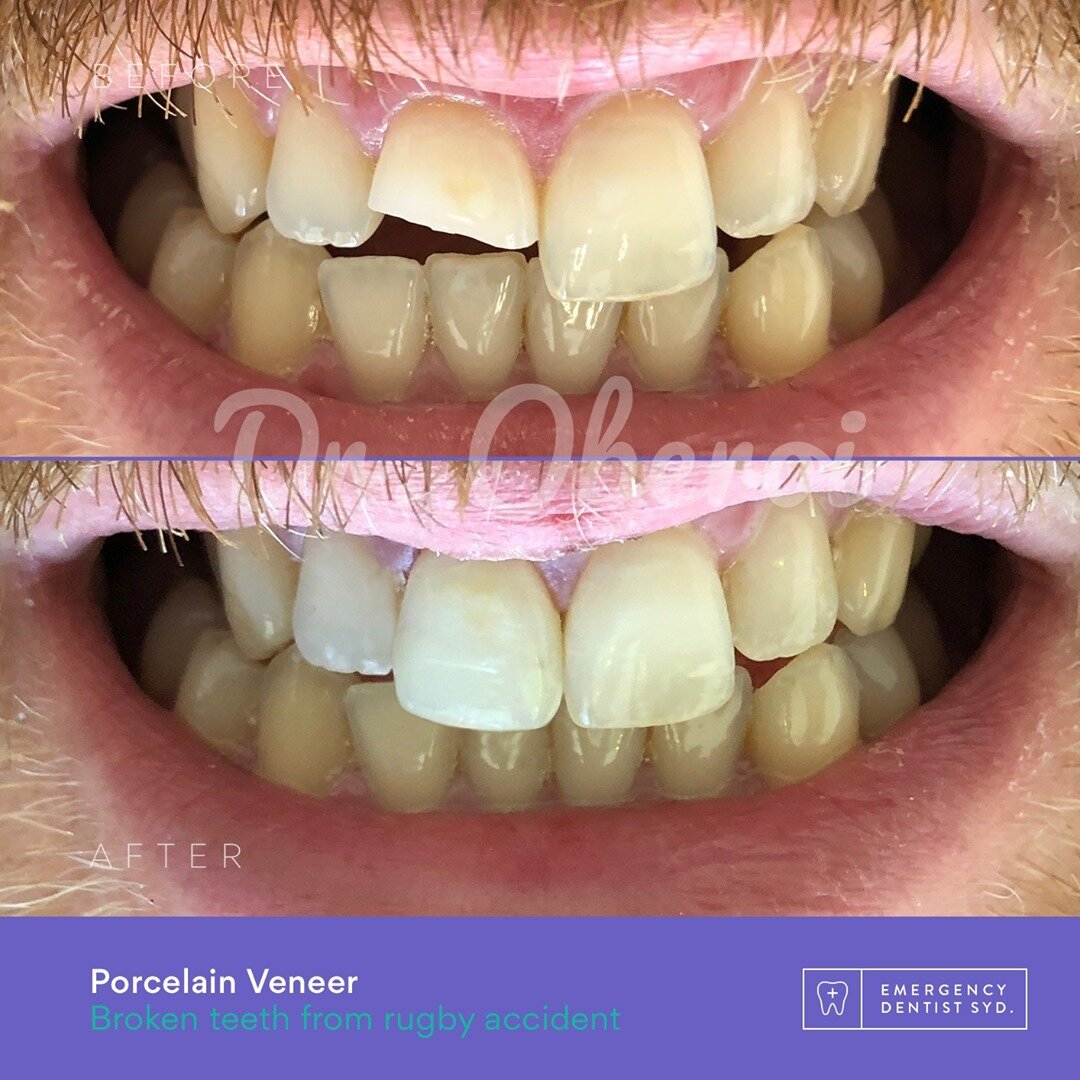
Tooth enamel is the hardest substance in your body, but that doesn’t mean it’s unbreakable. In fact, one of the most common reasons why people need to see their after hours dentist is because of broken teeth. If you experience an injury or accident that breaks one of your teeth, your dentist has a range of dental treatments that can repair or replace the tooth. Here are some of the options they can offer you:
Dental bonding, which can repair and strengthen a chipped tooth.
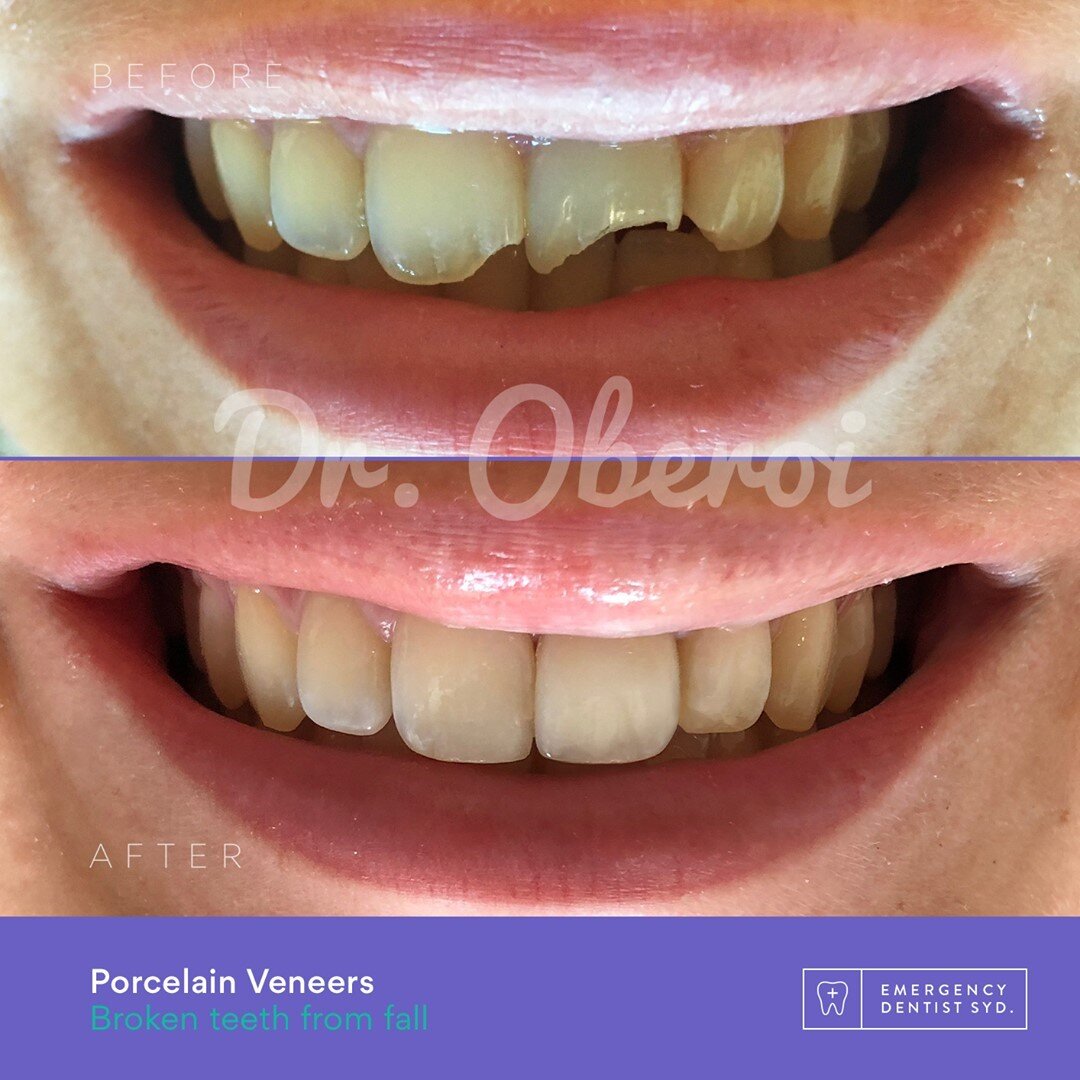
Crowns or veneers, which fit over broken teeth to both protect them and provide a strong substitute for the missing part of your tooth or teeth.
Extractions for teeth that are too damaged to save and dental implants to replace them.
So, this Dental Health Week, don’t put up with the pain and embarrassment of broken teeth any longer. Find a dentist you trust and talk to them about treatment options.
Why You Shouldn’t Fear a Root Canal
Dental procedures have advanced rapidly over the last few years, including root canals. The old days of squealing drills are long gone, and these days this procedure is usually quick, painless, and incredibly effective at removing pain or discomfort. When you have a severe infection or tooth decay, it will allow your dentist to save your tooth, which will help maintain the health and integrity of your entire mouth.
However, this doesn’t mean that a root canal is a simple procedure that anyone can perform. This is an invasive surgery that must be monitored by a single dentist to ensure that you get the best outcome possible. Otherwise, you could find yourself dealing with more complicated dental problems caused by an incomplete root canal, infection, or other related problems.
A Guide to Mouthguards
Australia is a country filled with children and adults who love to play sports. Unfortunately, this is also one of the most common causes of dental injuries including cracked or chipped teeth and even dislodged teeth. That’s why sports players of all ages need to wear a specially designed mouthguard. Your dentist can design a mouthguard that will fit perfectly to the curves and angles of your mouth. This means it will be more effective, it will fit better, and it’ll be more comfortable to wear.
So, no matter what sport you or your child plays, talk to your dentist about a mouthguard this Dental Health Week. Because you can’t look after your teeth if you don’t have them anymore.
The Importance of Follow-up Care
When you have a dental procedure, your dentist will give you a list of instructions for what you can, can’t, and must do after your treatment. It’s absolutely essential that you follow this advice because it will ensure that you get the best outcome possible from your treatment. After all, there’s no point shelling out for teeth whitening or other treatment to make your smile look amazing if you’re going to turn around and ruin it by going against your dentist’s instructions.
Your dentist has the training and the experience necessary to help you get the most from every dental treatment. So, make sure you listen to what they say if you want a trouble-free recovery and a better looking smile this Dental Health Week and afterwards. Your dentist should also follow-up with you after your surgery or procedure. This will give you the chance to ask any questions you forgot or address any concerns about the treatment or your oral health in general.
Emergency Dentist Sydney Says:
If you have a dental emergency, contact our Emergency Dentist in Sydney. Our caring and expert staff are available 24 hours a day to help you with all your emergency dental needs.

How Much Bacteria Is in My Mouth?
The Problems and Solutions
The Problems and Solutions

You might look in the mirror and think your teeth are clean but it’s the things you can’t see that matter. Bacteria are tiny organisms that live in every organ in your body and over every inch of your skin. And most of the time they’re absolutely harmless as well as essential to your continued health and wellbeing. But when it comes to your oral health, there are a few bacteria that can do a lot of damage.
Tooth Decay Bacteria


Bacteria can be found all through your mouth and can build up depending on what you eat and do. The most common type of bacteria that causes tooth decay is called Streptococcus mutans. This bacteria is always found in the mouth and feeds on the sugars and starches that you eat. The worst bit is that it secretes acids that attack the enamel of your teeth, causing cavities and gum disease.
Gum Disease Bacteria


Gum disease can cause a lot of damage to your mouth. There are two types of bacteria that usually cause gum disease, known as Treponema denticola and Porphyromonas gingivalis. These bacteria can increase in number and secrete toxins that disrupt the normal balance of bacteria in your mouth. When this occurs, the bacteria attack the gums and cause infection, pain, and even tooth loss. Gum disease can be a serious problem, so if you think you have it make sure you seek professional help as soon as possible as it must be treated by a qualifies dentist to ensure the best outcome possible.
How to Keep Your Mouth Healthy

It’s impossible to get rid of all the bacteria in your mouth, and if you managed to do so you would be extremely sick. However, you need to be aware of the problems that some of these bacteria can cause and take measures to control their numbers and keep your mouth healthy. The following steps will help you do that:
Brush at least twice a day, especially after meals.
Floss your teeth every time you brush.
Make sure you see your dentist regularly for check-ups and cleans.
Chew sugarless gum after meals to encourage saliva
Use an anti-bacterial mouthwash regularly.
Avoid sugary foods and drinks.
Emergency Dentist Sydney Says:
For the best general and emergency dental care, contact our Emergency Dentist in Sydney. Our caring and expert staff are available 24 hours a day to help you with all your emergency dental needs.

How is Pain Relieved in Dental Emergencies?
Why Your Dentist Can Help Immediately
Why Your Dentist Can Help Immediately
Dental pain can be scary. You’ll probably worry about the cause, about the treatment, and about how long you’ll have to tolerate the discomfort. But the one thing you don’t have to worry about is whether an after hours dentist can help. Your dentist has a variety of treatments that can alleviate your pain almost immediately. And this is the best strategy for allowing you to get back to your regular schedule once more.
About Dental Pain
Dental emergencies can happen anytime and without warning. This will usually be accompanied by pain, which can feel like the following:
General mouth pain which is hard to localise.
Sharp pain like someone’s stabbing at your tooth or gum.
Throbbing pain that’s like a heartbeat in your tooth.
Low grade pain that spikes when you eat or drink anything.
If you experience this type of pain and you can’t get to your after hours dentist immediately, there are some easy, short term ways to deal with the pain. According to Dr. Oberoi from Emergency Dentist Sydney, “Nurofen and Panadol are the best options for pain relief in the short term.” This will allow you to cope until you can get the problem fixed.
Common Causes of Dental Pain
There are a number of things that can cause dental pain including the following:
Tooth decay.
A broken filling.
A tooth abscess.
Infected gums.
Damage from repetitive movements such as grinding or chewing.
Pain Relief Options in Dental Emergencies
Once you get to an after hours dentist, they have a lot of options that will help relieve your pain during dental emergencies. These can be used to make your dental appointment much more pleasant and to relieve ongoing pain as the problem heals.
The most effective option for removing the pain caused by a toothache according to Dr. Oberoi is, “By removing the infection and draining it, and then treating the infection through antibiotics, this is the best way to treat pain.” This will remove the source of the pain itself, rather than masking it.
However, if your pain isn’t caused by infection, there are a number of options that your dentist can use to alleviate your pain while they treat the problem. Some of the most effective solutions are:
Local anaesthesia, which is used for simpler procedures such as fillings and root canals.
Happy gas, which can alleviate pain and anxiety during most types of dental procedures.
IV sedation, which is most commonly used for more complex procedures such as wisdom teeth extractions.
Oral sedation, which is used most often for anxious patients.
Emergency Dentist Sydney Says:
There’s no reason for you to be in pain when your dentist can fix it so easily. So if you do experience it, contact our Emergency Dentist in Sydney. Our caring and expert staff are available 24 hours a day to help you with all your emergency dental needs.

Is Immediate Pain Relief Always Possible?
What to Expect When You Visit Your Dentist with a Painful Problem
What to Expect When You Visit Your Dentist with a Painful Problem
If you’ve ever had a toothache then you know how uncomfortable it can be. In fact, this is probably the most common complaint that sends people to an after hours dentist. If you experience dental pain, you might worry about how much your dentist can actually help with it. After all, how much can they do apart from give you painkillers? Well, they can actually do a lot more than give you some tablets. To understand all the ways your dentist can alleviate your dental pain, keep reading.
Causes of Dental Pain
There are a number of things that can cause dental pain and send you to the after hours dentist. Some of the most common are:
Tooth decay or a cavity.
A cracked tooth.
An abscess.
Damaged dental work such as a broken filling or crown.
Gum disease.
Infection.
Damage or strain caused by repetitive movements such as grinding or chewing.
Dental Solutions to Pain
If you’re suffering from dental pain, the first thing your dentist will do is treat the problem. So if you have a cavity, they will put a filling in. If you have an infection, they will treat the cause of the infection and clean the infected tissue. This will help to completely eliminate the cause of the pain, prevent further problems, and return you to normal functioning again. There are a number of options that your dentist can offer for pain relief including oral medication, laughing gas, and IV sedation.
How Long Until You’re Pain Free?
In most cases, your dentist can eliminate your pain almost immediately with the three different pain options available in the clinic. Once the pain is alleviated, the source of the pain can be treated. This will eliminate the pain at its source so you’re comfortable once the painkillers wear off. If the pain returns after the treatment, then it means you need to visit your after hours dentist again.
As Dr. Oberoi from Emergency Dentist Sydney says, “If the pain gets worse or comes back it means that something has gone wrong or the issue hasn’t been addressed.” So talk to your dentist if you experience any further problems.
The only real exception to this is if you have a severe infection. Dr. Oberoi warns that, “In terms of pain relief we try and alleviate the pain straight away, and a lot of times we can. But in the case of severe infection it can take 24 to 48 hours for the pain to go away completely.” Which is all the more reason to visit your dentist before a problem gets to this stage.
What About Surgical Pain?
If you have some kind of dental surgery there will be some pain and discomfort afterwards. This is the case for any type of surgery, and it can usually be treated with over the counter pain medication. But you can also minimise your discomfort by choosing the right dentist for the surgery.
Dr. Oberoi states, “It depends on how the surgery is done. If the surgeon is careful to cause little trauma, then there’s less pain. That’s why it’s important to get the right people for your dental surgery.” So before you have any dental surgery, make sure that your dentist is well trained and experienced. That will help ensure that you have the best outcome possible from the procedure and it will cut down on your recovery time as well.
Emergency Dentist Sydney Says:
If you’re experiencing dental pain, contact Emergency Dentist Sydney. Our caring and expert staff are available 24 hours a day to help you with all your emergency dental needs.

Do All Toothaches Come From Bad Hygiene?
The Truth About Your Sore Tooth
The Truth About Your Sore Tooth

If you have a toothache you might worry that it’s because of bad hygiene. This worry could make you embarrassed to visit your dentist, because you don’t want to be told that you aren’t taking care of your teeth properly. But there are a number of reasons why your tooth might hurt and send you to the after hours dentist, and some of them have nothing to do with your oral hygiene. If you want to understand why your tooth is hurting, here are some of the most common causes.
The Effects of Bad Dental Hygiene
As Dr. Oberoi from Emergency Dentist Sydney says, “Toothaches are caused by nerve pain, gum infection, trauma, wisdom teeth, grinding, or extreme sensitivity. There are a lot of reasons why your teeth may hurt.”
However, problems associated with toothache are most commonly caused by bad dental hygiene. That’s why it’s so important that you brush and floss regularly and visit your dentist for regular check-ups. This will prevent any problems from getting worse and help you avoid getting a toothache.
The most common dental problems caused by bad dental hygiene are:
Tooth decay or cavities.
If you have a toothache, it’s very likely that it’s because you have tooth decay because this is the most common cause of dental pain. Tooth decay is caused by poor oral hygiene. So make sure you brush and floss regularly if you want to avoid a trip to the after hours dentist with a hole in your tooth.
An abscessed tooth
If you ignore tooth decay for a long time it may result in an abscessed tooth. This is an infection within the tooth that occurs when a cavity penetrates down to the pulp of the tooth. It can result in severe pain, infected and swollen gums, and can even result in the loss of a tooth.
Gum disease
If you neglect your oral health it will do more than make you more likely to get a cavity. It can also cause gum disease. Gum disease occurs when plaque builds up on your teeth and isn’t regularly removed. Plaque contains millions of bacteria which attack the gums, causing redness, swelling and bleeding. If gum disease is left untreated it can cause tooth loss and other serious problems.
Toothaches That Aren’t Related to Hygiene
There are also a number of common dental problems that can cause a toothache and aren’t related to your dental hygiene. These include:
Injury or trauma
This is a very obvious cause of pain. If you fall or hurt yourself during sports you can crack a tooth or damage your gums, both of which cause pain. If this occurs, see an after hours dentist as soon as possible to avoid further damage.
Wisdom teeth
Most people just don’t have room in their mouth for their wisdom teeth. This doesn’t stop them growing however, and if there isn’t room for them they can become impacted. This can result in infection or it can push your other teeth out of alignment. When wisdom teeth become impacted they’re very painful, and the pain is usually centred at the back of the mouth. So if you experience this pain, visit your dentist as soon as possible to avoid further problems.
Teeth grinding
If you grind your teeth at night you probably won’t know it until your teeth start to hurt. Grinding can wear down the enamel on your teeth, causing pain and trauma as well as other dental problems. So if you think that you grinding your teeth then you need to talk to your dentist about it as soon as possible.
A number of dental problems can cause pain and some of them are caused by poor oral hygiene. But this isn’t all bad, because it means that you can avoid these problems by taking care of your mouth and teeth and by visiting your dentist for regular check-ups.
Emergency Dentist Sydney Says:
If you have a dental emergency, contact our Emergency Dentist in Sydney. Our caring and expert staff are available 24 hours a day to help you with all your emergency dental needs.

What to Do If You Need an Emergency Root Canal
From an Experienced Emergency Dentist
From An Experienced Emergency Dentist
If you suddenly experience a severe toothache late at night or on the weekends it’s important that you know what to do. It may be tempting to just call the closest dentist to get help, but that could end up causing more problems than it solves. An emergency root canal can be a complicated procedure. That’s why you need to make sure that the after hours dentist you see is appropriately experienced and trained in this procedure.
What is a Root Canal?

A root canal is a very common procedure that’s performed when a tooth becomes infected because of decay or poor oral health. The infection can cause the tissue inside the tooth to become diseased and damaged. If it isn’t treated at this stage, then the tooth will have to be extracted and the infection can also spread, causing problems with other teeth and with the rest of the mouth.
This can come on quite suddenly. You may have a tooth that bothers you a little for a while, and then suddenly one night you’re in a lot of pain and looking for an after hours dentist. But this is where you need to be careful. Although root canals are common, that doesn’t mean that you should just see the first dentist who answers the phone. As Dr. Oberoi from Emergency Dentists Sydney says, “A root canal is a complex procedure so it’s important that the staff are trained properly so that patients get the best treatment.”
It’s fairly easy for something to go wrong during this procedure, or for infected tissue to be missed, which can affect the outcome and lead to a tooth extraction. So if you want to avoid complications, you need to make sure that your after hours dentist is appropriately experienced and trained in the procedure.
Emergency Dentist Sydney

If you suddenly need an emergency root canal late at night or on the weekend, you need to know that you’re in good hands. As Dr. Oberoi states, “Patients are nervous and have limited choice in who they see out of hours, so they need to know that their dentist can do the job properly.”
The staff at Emergency Dentist Sydney have been focussed on emergency procedures for many years and have performed literally thousands of root canals. They have experience in almost every type of dental emergency imaginable, from toothaches to broken teeth and problems with fixtures such as crowns and veneers. So no matter what’s happened to your teeth, you can get the help you need from our 24 hour dentist whenever you need it most.
Emergency Dentist Sydney Says:
So if you have a toothache after office hours, make sure you contact our Emergency Dentist in Sydney. Our caring and expert staff are available now to take care of all your emergency dental needs.

Can Toothache Be Prevented?
How to Avoid Toothaches by Protecting Your Oral Health
How to Avoid Toothaches by Protecting Your Oral Health
Toothaches are fairly common but also extremely unpleasant. There are a number of problems that can cause toothaches including infection and abscesses. However, the most common cause is tooth decay. When this occurs, it means you will have to make an expensive trip to the dentist for a filling. Fortunately, it’s also fairly easy to avoid this kind of toothache. You just need to take better care of your oral health with the following steps.
1. Regular Brushing
You should brush your teeth at least twice a day for at least 2-3 minutes if you want to avoid emergency trips to the dentist with a toothache. And don’t guess at the timing either, make sure you take a watch with you, at least while you’re getting used to your new habit.
2. Floss Every Day
Brushing is good but it can’t get rid of the small particles of food that get stuck between your teeth. Flossing at least once a day will help you avoid the build-up of food and bacteria between your teeth that causes cavities.
3. Avoid Sugar and Sticky Foods
The bacteria in your mouth need sugars to survive and multiply. This means that your diet is incredibly important in determining the health of your teeth. Try to avoid sugary foods like soft drink and juice. You should also cut down on the amount of sticky foods you eat because they can easily become stuck to and between your teeth. This means cutting down on candy and caramels, or at least brushing and flossing well when you do eat them.
4. Eat Vegetables
If you want healthy teeth and a healthy body you need to eat lots of raw, healthy vegetables. Vegetables are packed with essential vitamins and nutrients and they also contain lots of water, which can help to clean the bacteria from your teeth.
5. Drink Lots of Water
Water is essential for every system in your body and that applies to your teeth as well. Drinking water helps to wash bacteria away from your teeth and it also encourages saliva production, which protects your teeth in between brushing.
6. Have Regular Check-Ups
If you want to keep your mouth healthy, you need to visit your dentist twice a year for a check-up. Your dentist will be able to see signs of problems early, which is key to quick and easy treatments. This will help you avoid late night visits to your after hours dentist. Your dentist will also give your teeth a complete and thorough cleaning, which will improve your overall oral health.
Emergency Dentist Sydney Says:
If you have a toothache after office hours, make sure you contact our Emergency Dentist in Sydney. Our caring and expert staff are available now to take care of all your emergency dental needs.

The Truth About Tooth Enamel
Tooth Enamel Facts You Need to Know
Tooth Enamel Facts You Need to Know
Tooth enamel is the hard, outer layer covering each tooth. It is the hardest substance in the human body and protects the sensitive inner layers from the discomfort of foods and drinks that are really hot and cold. You are also probably familiar with its vital role in protecting our teeth from damage and decay. What other tooth enamel facts do you know? Check out these common tooth enamel facts and tips below.
1. The Difference Between Abrasion and Erosion
There are two types of tooth enamel damage. Abrasion occurs when something brushes against your teeth, for example, using a hard-bristled toothbrush or scraping your teeth with a hard object. Erosion is caused by certain foods and drinks that are sugary and acidic. These foods and drinks are most damaging because when they interact with the bacteria in your mouth, lactic acid is produced, and this is something that can lead to the start of a cavity. When your teeth are eroding, you will notice that your teeth are becoming sensitive and are appearing slightly yellow.
2. Tooth Enamel Doesn't Come Back

Once your tooth enamel has eroded, it will not regrow. Enamel is made from minerals so it does not contain any living cells, making it impossible for it to repair itself. However, there are ways you can prevent this from happening and ways to treat the damage. Dental bonding can be used, or crowns can be applied but your dentist will be able to recommend you the right treatment option for you. In terms of prevention methods, you can start by eliminating certain foods and drinks out of your diet. When you have that craving for your favourite soda, use a straw. Another great tip is to gently rinse your mouth with water after eating because if you brush your teeth too soon after eating acidic food, that can actually make it worse. You can also start chewing sugarless gum.
3. Don't Neglect the Damage
Ignoring the damage or avoiding the dentist will not only cause more pain to your eroded teeth but will make treatments more expensive. As your teeth enamel erodes, your teeth will become overly sensitive as it will expose the inner sensitive layer underneath called ‘dentin’. Because your teeth won’t have the protection it needs from enamel, they will be susceptible to decay quickly. Your teeth will also be stained, giving your teeth a yellow appearance. Always make sure to have 6 monthly check ups so your dentist knows the state of your teeth.
Enamel is so important for our teeth and we need to take care and protect them as they protect us. It is vital to follow some of the tips mentioned above to prevent your enamel from eroding. It may sound difficult to give up your favourite sugary snacks and soft drinks, but the damage is way worse. If you do consume sugary and acidic foods and drinks, always remember to maintain good oral hygiene.
Emergency Dentist Sydney Says:
Protect your enamel and your overall dental health by practicing good oral hygiene habits like twice daily brushing and flossing. And don’t forget to visit your dentist every 6 months!

5 Tips To Keep Cavities At Bay
Protect and Prevent
Protect and Prevent
Our teeth have outer coatings called enamel. They are a hard, protective layer but once it is weakened by the different types of foods and drinks we consume, especially junk and acidic foods, a pit forms in or on the tooth surface. This is called a cavity and is the result of tooth decay. Children are very prone to cavities, as they are more likely to miss spots while brushing their teeth. Because of this, many people think only children can get cavities, which is not true. Adults get cavities for the exact same reason but don’t worry, there are many ways to prevent them! Have a read below for our top 5 tips to keep these cavities away for good.
1. Twice Daily Brushing and Flossing
This is a no-brainer, however, what most people don’t know is that the way you brush and what you use to brush are extremely important. Proper brushing includes using short, gentle strokes and paying extra attention to the back teeth. Don’t forget to brush your tongue too! We recommend a toothbrush with soft bristles or an electric toothbrush. Hard bristles will continue to take away the enamel on your teeth. Flossing is also really important as it is the best tool to remove trapped food from in between teeth. Your oral hygiene routine is a very simple yet effective way to prevent tooth decay and it only takes 2 minutes!
2. Mouth Wash
To reduce the amount of bacteria in your mouth after eating or drinking, use an antibacterial mouth rinse. A mouthwash containing fluoride is also another option as it is a natural mineral that strengthens tooth enamel and prevents cavities.
3. Drink More Water
Water is the healthiest drink and staying hydrated helps your body in many ways including your oral health. It’s hard not to drink your favourite soft drink or a fruit juice with your meals. Sorry to say but drinks that are high in sugar or very acidic are bad for your teeth. They take away the enamel on your teeth which will eventually lead to cavities. Our best tip for you is to drink a glass of water after having a cup of coffee, tea or any drink so that it can wash away the acid lingering in your mouth. It can also keep your saliva from becoming too sugary so that the sugars won’t transfer onto your teeth. Another great tip is to use a straw when drinking soft drinks and juices as it will keep the sugar off your teeth and out of your saliva.
4. No Smokes
The health risks related to smoking cigarettes such as cancer are plastered all over cigarette packets and tv ads, however, most people are still unaware of the damages it can cause on your teeth. Smoking cigarettes not only stain your teeth and give you bad breath but can lead to gum disease, tooth loss, and even oral cancer. Cigar smoking and tobacco chewing can also be just as bad. So even though it is difficult to quit, keep trying as it really is better for your health and the people around you.
5. Regular Check-Ups
It is super important to visit your dentist every 6 months for a deep clean. All the built-up plaque and tartar will be removed leaving your teeth and gums feeling fresh but more importantly to prevent any diseases such as gingivitis. For those who can feel a cavity on the way, there are also treatments for that including dental sealants.
Cavity prevention starts at home. Just follow the above tips and you can prevent tooth decay. If you already have a cavity or feel like you do, do not hesitate to call your dentist and make an appointment.
Emergency Dentist Sydney Says:
Your oral health is important so don’t delay any dental check ups and continue brushing your teeth everyday – the proper way.

Dental Implants
A Basic Guide to Replacing Your Tooth
A Basic Guide to Replacing Your Tooth
Dental implants are an effective treatment for cracked or broken teeth. It is a great option for people who have damaged a tooth due to sudden accidents or who have lost teeth due to decay and disease. Here’s everything you need to know if you are in need of a replacement tooth or teeth.
What are Dental Implants?

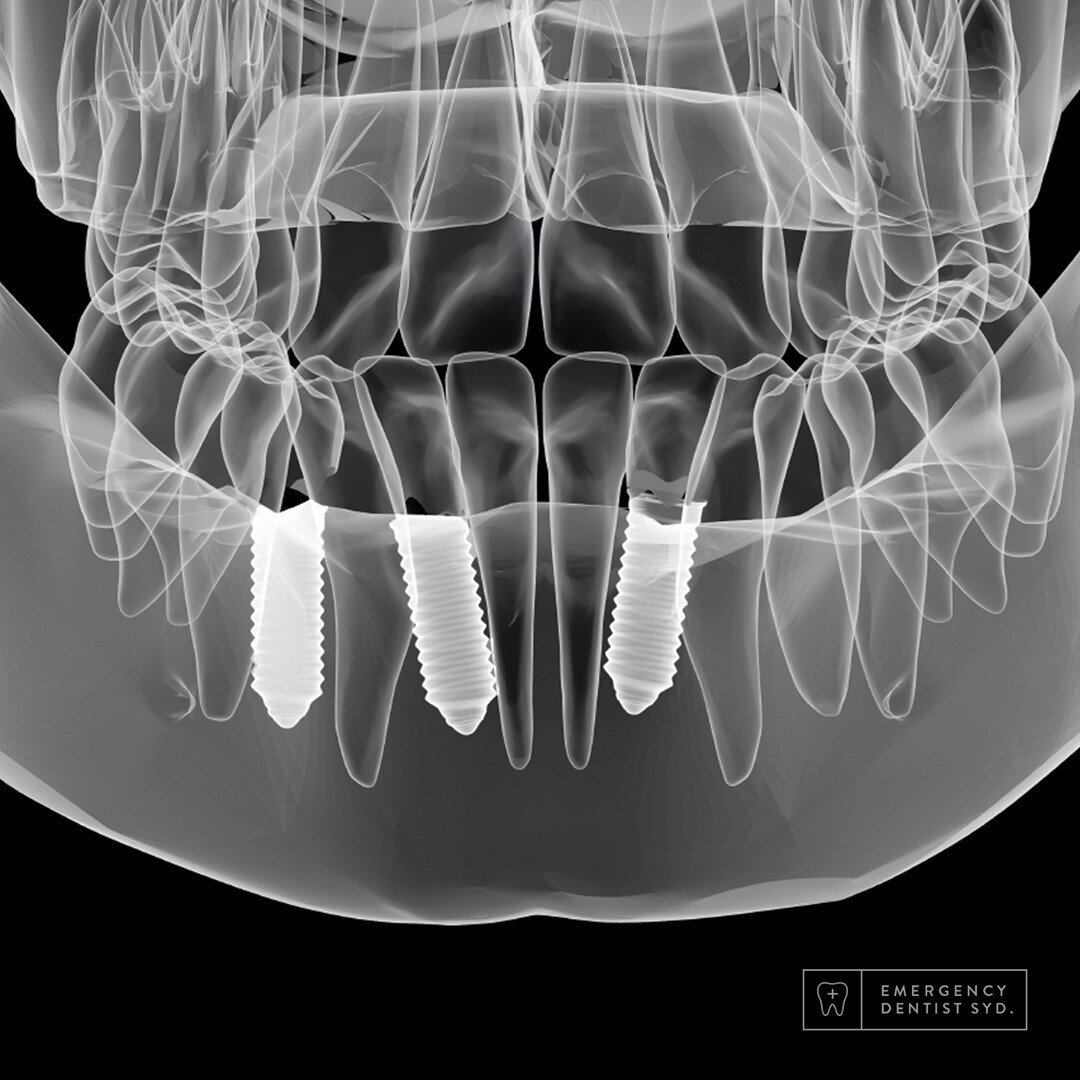
Dental implants are a permanent solution for badly damaged teeth. If you decide to get them or if your dentist suggests this treatment, the first step is to remove your broken teeth roots and replace them with metal posts. They are artificial roots made with strong and long-lasting materials. This procedure is the same whether you’re getting one tooth replaced or all of them. These metal posts can be cylindrical or can be a screw. Once your mouth has healed around these new structures, your dentist can attach brand new teeth to the metal foundation. Dental implants require several treatments, but once they’re in, they feel and look just like normal teeth.
What are the Advantages of Dental Implants?
The main advantage of dental implants is that it creates the most natural as well as durable solution to your missing tooth. They are designed to look like your original teeth. Dental implants also replace loose dentures and partial plates that look fake, fall out, and can be painful to wear. They’re extremely sturdy, and although they can decay if you don’t take care of them, they’re stronger than natural teeth. Getting dental implants will not only improve the look and feel of your mouth, it will also improve your ability to eat because when you have broken teeth, it is difficult to eat and your diet becomes restricted. The end result of dental implant procedures will make it feel like your natural teeth.
The Importance of Avoiding Bone Loss
When you have missing teeth, the bone around the removed tooth root gets partially absorbed into your body. This causes the jaw bone to become thin and weak, causing various problems for your oral health and for your appearance. If you have bone loss, you may need to build up the bone again with a bone grafting procedure and then be able to have dental implants. Your teeth may also become crooked and uneven, because the bone beneath them is uneven. And in the worst cases, the lower third of the face can actually collapse inwards because there isn’t enough bone to support it anymore.
Dental implants can help you avoid this problem as they will protect and strengthen your jaw bone. The screw that is placed into the bone protects the bone from being absorbed by the body. The screw also integrates into the bone, strengthening it and protecting it from future damage.
Single Tooth Implant

A single tooth implant replaces a single missing tooth as well as its root. This is a good procedure to have if you’re missing a single tooth and want to avoid having a gap in your smile, or repair your bite. It has several advantages over other replacement options such as a bridge, which damages the health of your surrounding teeth because they need to be ground down to fit with the new dental work.
Multiple Teeth Implants

Multiple teeth implants are for replacing several missing teeth and their roots. Other replacement options require support from adjacent teeth, which can cause wear and damage and even result in the support teeth themselves becoming loose. But multiple teeth implants don’t require any support, they look and function just like real teeth.
Full Mouth Implants

Full mouth implants are best if you need all of your teeth replaced because of decay or damage. With this procedure, all of your remaining teeth and their roots are removed before the screws are placed into your jaw. While they heal, temporary teeth can be worn. Once your mouth has healed, new teeth are fixed into place using small metal bars. Once the teeth are in place, you can’t see any of the metal work, and you can show off your great new smile.
Emergency Dentist Sydney Says:
If your teeth are cracked or broken, call us immediately and book an appointment. We are here to help you find the best treatment for your damaged teeth.
Patient Care First

Keep Up-To-Date with All Things Oral & General Health
RECENT ARTICLES







For 15 years, we've had one mission - when Sydney has a dental emergency, Emergency Dentist Sydney is there
We're proud to celebrate 15 years of providing emergency dental services to Sydney CBD and surrounding suburbs.