
How is Pain Relieved in Dental Emergencies?
Why Your Dentist Can Help Immediately
Why Your Dentist Can Help Immediately
Dental pain can be scary. You’ll probably worry about the cause, about the treatment, and about how long you’ll have to tolerate the discomfort. But the one thing you don’t have to worry about is whether an after hours dentist can help. Your dentist has a variety of treatments that can alleviate your pain almost immediately. And this is the best strategy for allowing you to get back to your regular schedule once more.
About Dental Pain
Dental emergencies can happen anytime and without warning. This will usually be accompanied by pain, which can feel like the following:
General mouth pain which is hard to localise.
Sharp pain like someone’s stabbing at your tooth or gum.
Throbbing pain that’s like a heartbeat in your tooth.
Low grade pain that spikes when you eat or drink anything.
If you experience this type of pain and you can’t get to your after hours dentist immediately, there are some easy, short term ways to deal with the pain. According to Dr. Oberoi from Emergency Dentist Sydney, “Nurofen and Panadol are the best options for pain relief in the short term.” This will allow you to cope until you can get the problem fixed.
Common Causes of Dental Pain
There are a number of things that can cause dental pain including the following:
Tooth decay.
A broken filling.
A tooth abscess.
Infected gums.
Damage from repetitive movements such as grinding or chewing.
Pain Relief Options in Dental Emergencies
Once you get to an after hours dentist, they have a lot of options that will help relieve your pain during dental emergencies. These can be used to make your dental appointment much more pleasant and to relieve ongoing pain as the problem heals.
The most effective option for removing the pain caused by a toothache according to Dr. Oberoi is, “By removing the infection and draining it, and then treating the infection through antibiotics, this is the best way to treat pain.” This will remove the source of the pain itself, rather than masking it.
However, if your pain isn’t caused by infection, there are a number of options that your dentist can use to alleviate your pain while they treat the problem. Some of the most effective solutions are:
Local anaesthesia, which is used for simpler procedures such as fillings and root canals.
Happy gas, which can alleviate pain and anxiety during most types of dental procedures.
IV sedation, which is most commonly used for more complex procedures such as wisdom teeth extractions.
Oral sedation, which is used most often for anxious patients.
Emergency Dentist Sydney Says:
There’s no reason for you to be in pain when your dentist can fix it so easily. So if you do experience it, contact our Emergency Dentist in Sydney. Our caring and expert staff are available 24 hours a day to help you with all your emergency dental needs.

Emergencies Aren't Always a One-Stop-Shop
What You Should Expect
What You Should Expect
There are few things as frightening as a dental emergency. You’re in pain, confused about what to do, and just want to go back to normal. But this isn’t always possible, at least not without diminishing your oral health in the long term. With some dental problems, you may need more than one visit to solve the issue. So when you visit an after hours dentist, you need to be prepared to come back until the issue is resolved. Because sometimes the quickest route to normal functioning isn’t the best one.
The Problem with Dental Emergencies
The real problem with dental emergencies is that they can cause people to make the wrong decision. This is understandable. After all, when you see an emergency dentist you’re probably traumatised, in pain, and bleeding, and who wouldn’t want to fix those problem as soon as possible? As Dr. Oberoi from Emergency Dentist Sydney points out, “When people are in pain they want a quick fix, they don’t always think about the long term.”
But decisions made in the heat of the moment can have long term consequences. Which is why you need to listen to your dentist and take a longer view on your oral health.
One Stop Treatments
There are a number of different dental problems that an after hours dentist can fix immediately so you can go about your day as if it never happened. Some of them are as follows:
Mild decay where you only need a filling.
Small cracks in your teeth which can be fixed using dental bonding.
More advanced decay when a root canal can be performed.
Treatments That Take Time
There are a number of dental treatments that will take time and multiple treatments before they can be fixed. However, not everyone wants to wait that long. As Dr. Oberoi says, “People come in with a sore tooth and just want it taken out when there are better options.” This often results in people getting treatments that aren’t the best for them in the long term. So they come in with an infected tooth, and leave with a gap in their mouth that will have to be filled at some point. This could have been avoided if they were willing to wait and commit to a longer treatment that could have saved their tooth.
This situation doesn’t only occur with infected tooth. It can also be the case when you have severe gum disease, a tooth that needs to be extracted, or a broken tooth that needs a dental crown or bridge. You may also need multiple treatments if you have impacted wisdom teeth.
So when you have to pay a visit to an after hours dentist, remember that it isn’t a one stop shop. Sometimes, the best solution will take time and multiple treatments. If this is the case, taking the longer option will be the best way for you to enjoy good oral health over the long term.
Emergency Dentist Sydney Says:
If you have a dental emergency, contact our Emergency Dentist in Sydney. Our caring and expert staff are available 24 hours a day to help you with all your emergency dental needs.

The Importance of Good Quality Emergency Dentistry
Avoid Long Term Dental Problems
Avoid Long Term Dental Problems
You may not always get the opportunity to choose your emergency dentist. If you injure your mouth after hours, you’ll be in pain, confused and worried, as well as struggling to find an after hours dentist. But that doesn’t mean that you should settle for just any dentist who answers the phone. In fact, choosing the right Emergency Dentist in Sydney can be pivotal in getting the effective and expert help that you need.
The Importance of Choosing the Right Emergency Dentist
You need to choose an after hours dentist with the same care that you use when you choose your regular dentist. Emergency dentists must have a specific set of skills that are related to what patients need when they experience an injury or other dental problem. As Dr. Oberoi from Emergency Dental Sydney explains, “Emergency dentists have to be trained well in managing people with dental pain or dental trauma. They’re like Emergency Doctors in a lot of ways. They have more experience in diagnosing and giving appropriate treatment.” This extra training is essential to ensure you get the right treatment and the best outcome possible no matter what type of treatment you need.
If you don’t choose the right dentist, you may find yourself with someone who doesn’t have the depth of experience they need to cope with your dental emergency. This can result in substandard work, which causes more problems in the long run. If your dental work isn’t completed properly it can result in further trauma, infection or injury. And this will probably mean that you’ll have to have further work done to correct the problem or suffer long term pain or discomfort.
If you want to avoid these problems, then you need to put some thought into choosing an after hours dentist.
What to Look For in an Emergency Dentist

Obviously an after hours dentist should be appropriately qualified and experienced, but this isn’t really a big issue these days because of the regulations surrounding this profession. But that doesn’t mean that you should just go to anyone. As Dr. Oberoi says, “It’s important to choose an emergency dentist based on how good the dentist is. Because if the work isn’t done to the highest level then it can lead to further problems.”
This means that you shouldn’t default to just any dental provider even if you’re looking for a dentist after hours. It’s always better to visit a dentist who has a proven record in emergency treatments and can ensure the best outcome possible for your dental problem.
Emergency Dentist Sydney Says:
If you have a dental emergency, contact our Emergency Dentist in Sydney. Our caring and expert staff are available 24 hours a day to help you with all your emergency dental needs.

Is Immediate Pain Relief Always Possible?
What to Expect When You Visit Your Dentist with a Painful Problem
What to Expect When You Visit Your Dentist with a Painful Problem
If you’ve ever had a toothache then you know how uncomfortable it can be. In fact, this is probably the most common complaint that sends people to an after hours dentist. If you experience dental pain, you might worry about how much your dentist can actually help with it. After all, how much can they do apart from give you painkillers? Well, they can actually do a lot more than give you some tablets. To understand all the ways your dentist can alleviate your dental pain, keep reading.
Causes of Dental Pain
There are a number of things that can cause dental pain and send you to the after hours dentist. Some of the most common are:
Tooth decay or a cavity.
A cracked tooth.
An abscess.
Damaged dental work such as a broken filling or crown.
Gum disease.
Infection.
Damage or strain caused by repetitive movements such as grinding or chewing.
Dental Solutions to Pain
If you’re suffering from dental pain, the first thing your dentist will do is treat the problem. So if you have a cavity, they will put a filling in. If you have an infection, they will treat the cause of the infection and clean the infected tissue. This will help to completely eliminate the cause of the pain, prevent further problems, and return you to normal functioning again. There are a number of options that your dentist can offer for pain relief including oral medication, laughing gas, and IV sedation.
How Long Until You’re Pain Free?
In most cases, your dentist can eliminate your pain almost immediately with the three different pain options available in the clinic. Once the pain is alleviated, the source of the pain can be treated. This will eliminate the pain at its source so you’re comfortable once the painkillers wear off. If the pain returns after the treatment, then it means you need to visit your after hours dentist again.
As Dr. Oberoi from Emergency Dentist Sydney says, “If the pain gets worse or comes back it means that something has gone wrong or the issue hasn’t been addressed.” So talk to your dentist if you experience any further problems.
The only real exception to this is if you have a severe infection. Dr. Oberoi warns that, “In terms of pain relief we try and alleviate the pain straight away, and a lot of times we can. But in the case of severe infection it can take 24 to 48 hours for the pain to go away completely.” Which is all the more reason to visit your dentist before a problem gets to this stage.
What About Surgical Pain?
If you have some kind of dental surgery there will be some pain and discomfort afterwards. This is the case for any type of surgery, and it can usually be treated with over the counter pain medication. But you can also minimise your discomfort by choosing the right dentist for the surgery.
Dr. Oberoi states, “It depends on how the surgery is done. If the surgeon is careful to cause little trauma, then there’s less pain. That’s why it’s important to get the right people for your dental surgery.” So before you have any dental surgery, make sure that your dentist is well trained and experienced. That will help ensure that you have the best outcome possible from the procedure and it will cut down on your recovery time as well.
Emergency Dentist Sydney Says:
If you’re experiencing dental pain, contact Emergency Dentist Sydney. Our caring and expert staff are available 24 hours a day to help you with all your emergency dental needs.

The Top 6 Causes of Dental Emergencies
The Most Common Reasons for Seeing an After Hours Dentist
The Most Common Reasons for Seeing an After Hours Dentist
People call emergency dentists for all kinds of reasons. After all, it’s not like your teeth know that it’s the weekend or late at night and they need to wait for a more convenient time. However, you can decrease the chances that you will need to make an after hours trip to the dentist. To help you with that, here are the most common reasons people need an emergency dentist and how to avoid them.
1. Neglect or Poor Hygiene
Taking care of your teeth is essential if you want to avoid a late night trip to the dentist. You need to brush at least twice a day, floss regularly, and see your dentist for regular check-ups. Neglecting one or all of these activities will lead to dental problems, guaranteed. These problems can include poor dental hygiene, cavities, and possibly even infections. And all of them are painful and can result in a trip to your after hours dentist.
But avoiding the dentist is just as bad. Lots of people put off their dental appointments, usually because of nerves or fear. But this will only lead to further problems. Your teeth need to be cleaned and checked by the dentist on a regular basis. Regular check-ups mean that your dentist can identify and treat any potential problems before they turn into late night problems.
2. Trauma from Falls
Anyone can fall over, and most of the time it’s not a big deal. But sometimes it can have serious consequences. Falling can do more than hurt your knees and hands, it can also knock out your teeth or even break your teeth. Unfortunately, there’s really no way to avoid this problem, apart from being careful if you’re prone to falls.
If you do damage or break one of your teeth, your dentist may be able to fix the problem. If the crack is small, dental bonding can be applied to repair the damage. Larger cracks can be covered with a crown. And if you have a tooth knocked out, your dentist may be able to put it back in place. The success of these interventions depends on you and on how quickly you seek treatment. That’s why it’s vitally important that you contact your after hours dentist as soon as possible after the injury so you can learn about your treatment options.
3. Trauma from Sporting Accidents
If you play sports where there’s a lot of physical contact, you should be wearing a mouth guard at all times. Your dentist can make a mould of your mouth and design a guard that’s specifically shaped to fit you.
However, this doesn’t completely eliminate the danger of some sports. If you play contact sports there’s always the risk of injuring your mouth or your teeth even with a mouthguard. You can crack or break a tooth or teeth, or even knock one out. If this occurs, your dentist needs to assess the damage so they can determine the best treatment option.
4. Poor Diet
If your diet is high in sugars, carbohydrates, or starches, it can increase the plaque production in your mouth and lead to decay. Soft drinks and sweets are particularly bad for your teeth, and if you eat a lot of these foods you’re more likely to experience a dental emergency. You can decrease the damage these foods do by brushing and flossing after every meal, but the best way to avoid damage is to change your diet. Eating plenty of vegetables, lean proteins, and healthy carbohydrates will keep your teeth healthy and markedly reduce the risk of a trip to the late night dentist.
5. Fixing Existing Dental Issues
Another issue that often sends people to the late night dentist is problems with their existing dental hardware. This can be cracked or loose crowns, fillings that fall out, or damage to braces or other dental implants. These problems may be the result of poor dental work or they can be caused by eating hard food or physical injury.
No matter what causes the issue, you need to consult your dentist to discuss your treatment options. In most cases, the dental work can be replaced or redone without too much trouble so you can go about your daily life again.
6. Lack of Education on Dental Health
A lack of education about dental health is still a big problem in the modern world. It can lead to poor dietary habits and poor oral hygiene habits, both of which can seriously affect dental health. This problem may also cause people to avoid going to the dentist until it’s absolutely essential, which means that they only get dental care in emergency situations. If you avoid the dentist for this reason, it will be incredibly detrimental to your long term dental health.
The best solution to this problem is to pay a visit to your dentist. They will be able to give you all the latest information on dental care and make suggestions for your ongoing oral health. They’ll also be able to identify any existing problems so that you can avoid emergency trips to the after hours dentist.
Emergency Dentist Sydney Says:
If you have a dental emergency, contact our Emergency Dentist in Sydney. Our caring and expert staff are available 24 hours a day to help you with all your emergency dental needs.

What to Do If You Need an Emergency Root Canal
From an Experienced Emergency Dentist
From An Experienced Emergency Dentist
If you suddenly experience a severe toothache late at night or on the weekends it’s important that you know what to do. It may be tempting to just call the closest dentist to get help, but that could end up causing more problems than it solves. An emergency root canal can be a complicated procedure. That’s why you need to make sure that the after hours dentist you see is appropriately experienced and trained in this procedure.
What is a Root Canal?

A root canal is a very common procedure that’s performed when a tooth becomes infected because of decay or poor oral health. The infection can cause the tissue inside the tooth to become diseased and damaged. If it isn’t treated at this stage, then the tooth will have to be extracted and the infection can also spread, causing problems with other teeth and with the rest of the mouth.
This can come on quite suddenly. You may have a tooth that bothers you a little for a while, and then suddenly one night you’re in a lot of pain and looking for an after hours dentist. But this is where you need to be careful. Although root canals are common, that doesn’t mean that you should just see the first dentist who answers the phone. As Dr. Oberoi from Emergency Dentists Sydney says, “A root canal is a complex procedure so it’s important that the staff are trained properly so that patients get the best treatment.”
It’s fairly easy for something to go wrong during this procedure, or for infected tissue to be missed, which can affect the outcome and lead to a tooth extraction. So if you want to avoid complications, you need to make sure that your after hours dentist is appropriately experienced and trained in the procedure.
Emergency Dentist Sydney

If you suddenly need an emergency root canal late at night or on the weekend, you need to know that you’re in good hands. As Dr. Oberoi states, “Patients are nervous and have limited choice in who they see out of hours, so they need to know that their dentist can do the job properly.”
The staff at Emergency Dentist Sydney have been focussed on emergency procedures for many years and have performed literally thousands of root canals. They have experience in almost every type of dental emergency imaginable, from toothaches to broken teeth and problems with fixtures such as crowns and veneers. So no matter what’s happened to your teeth, you can get the help you need from our 24 hour dentist whenever you need it most.
Emergency Dentist Sydney Says:
So if you have a toothache after office hours, make sure you contact our Emergency Dentist in Sydney. Our caring and expert staff are available now to take care of all your emergency dental needs.

After the Emergency
Follow Up Treatments Explained
Follow Up Treatments Explained

Our name (sort of) says it all. Emergency Dentist Sydney. We're the people you can turn to at two in the morning on a Saturday night to help get rid of that terrible toothache that is making your life a misery (to say the least).
That is not, however, all we do. While we do everything we can to help you during your first visit to us, very often the real cause of that pain calls for follow-up treatments of a number of different kinds. The good news is that the same friendly, helpful and skilled dentists who helped you out during your emergency visit are ready, willing and able to perform those as well.
Common Emergency Follow Up Treatments Explained

You might be wondering what kinds of follow up treatments are called for after a visit to an emergency dentist. Here's a quick look at some of the most common:
Laser Root Canal
The days when all dentists wanted to do was yank teeth out are long gone. Losing a tooth - even one 'hidden away' at the back of the mouth - can be a very traumatic experience - so these days an extraction is usually only considered as a last resort.
Root canals can be used to save a tooth that has been damaged by decay or infection but of all the dental procedures people can undergo it's the one people are most scared of. Everyone always seems to be able to tell a horror story about the terrible time their Mum/Granny/best friend had with a root canal and those gory tales alone often put people off.
The fact is though that root canal procedures have changed a great deal, and that is especially true of the root canals we perform. We've replaced the scary, noisy drills and sharp pointy things with lasers. The lasers are as effective - often even more so - and most of our patients find that their pretreatment fears were completely unfounded after all.
Crowns and Veneers

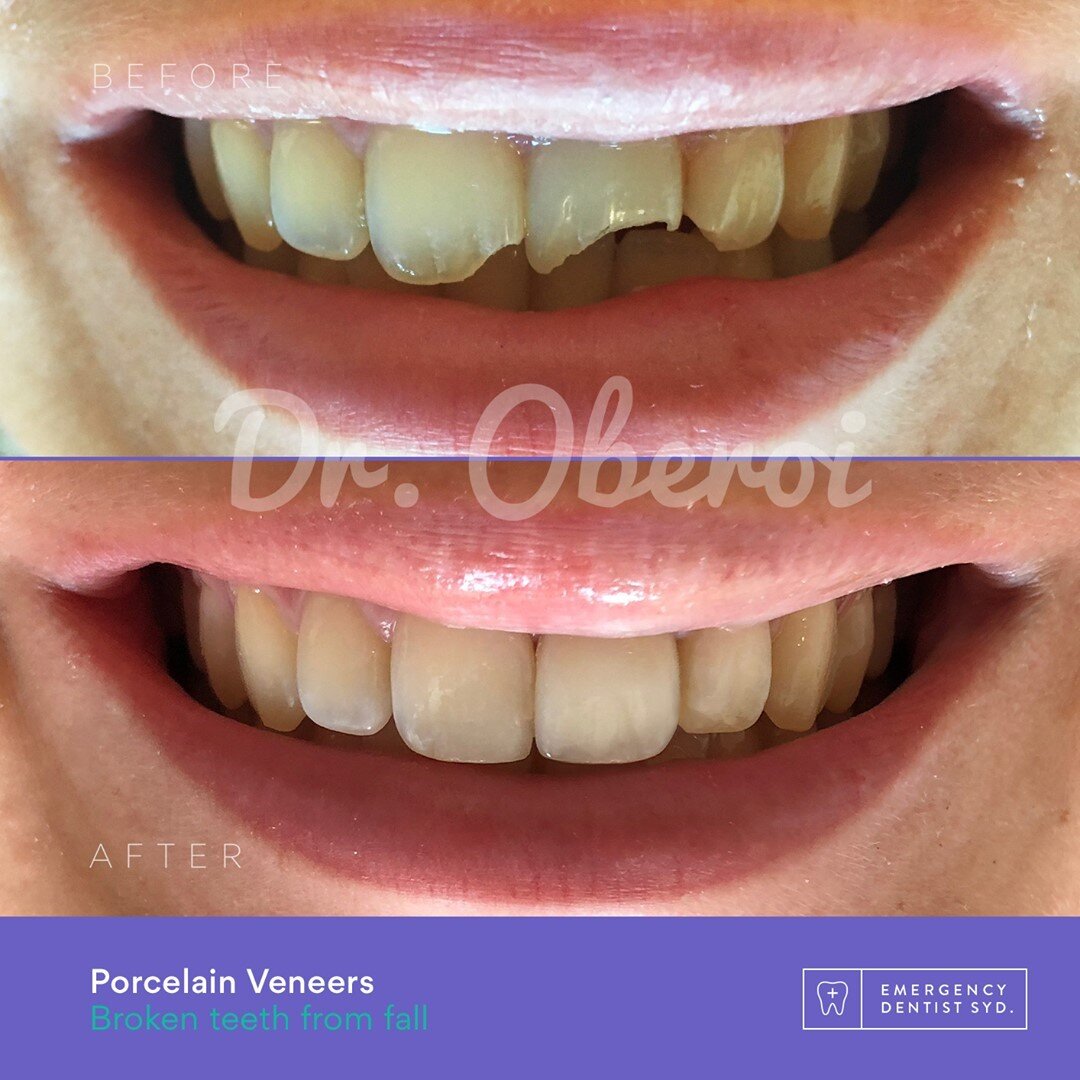
Broken teeth can be a nightmare too. Not only do they usually look less than appealing but a broken or chipped tooth is a magnet for infection and recurring pain. Crowns and veneers can be used to solve this problem and many others, including misshapen teeth and to protect a tooth that has been restored by a root canal.
Veneers and crowns today are a far cry from those used even as little as ten years ago. They look very natural, can be custom fit to suit any mouth.
Other Treatments
Sometimes the causes of the pain that sends a patient to us in the middle of the night are not quite what they expected. For example, did you know how much trouble (and pain) something like gum disease can cause? Or a stubborn wisdom tooth that cannot even be seen with the naked eye? The good news is that we have the expertise to treat these conditions as well.
Whatever the reason you initially come in to see us for there is one thing we can promise you. You'll never leave our office without a plan for future dental treatment and care that has been fully discussed with you, including the costs involved.
Emergency Dentist Sydney Says:
Although many of our patients first come to us as a 'last resort' we're happy to say that lots of them keep coming back. We're committed to providing the best possible oral health care for everyone, not only in their 'hour of need' but for years to come.

Resolving Oral Health Problems in Emergencies
Our best advice for when you least expect it...
Our Best Advice
Most people do know that regular dental checkups are a must for the good of their oral health in the same way that a checkup with their GP is for the rest of their body. What they don't always understand is why emergency dentists exist. That is until they need one that is.
Oral health emergencies - broken teeth, knocked out teeth, severe toothache - are no respecters of schedules and appointments. And as 'silly' as it sounds, until it happens to you, tooth pain can be some of the worst there is, especially at midnight on a Sunday evening. That's why emergency dentists exist though, to help people deal with their oral health emergencies as soon as possible to get the best possible results.
What Can an Emergency Dentist Really Do?
If you have yet to ever need the services of an emergency dentist, you might wonder just what they can do, and how taking a trip to one in the middle of the night, or on a big public holiday, can make a difference versus waiting for an appointment during 'normal' business hours. The simple answer is that often prompt treatment can not only help relieve pain - which is the number one reason people seek emergency dental care - but also get treatments started that, if delayed, could lead to poorer outcomes. Here are some examples.
A Knocked-Out Tooth

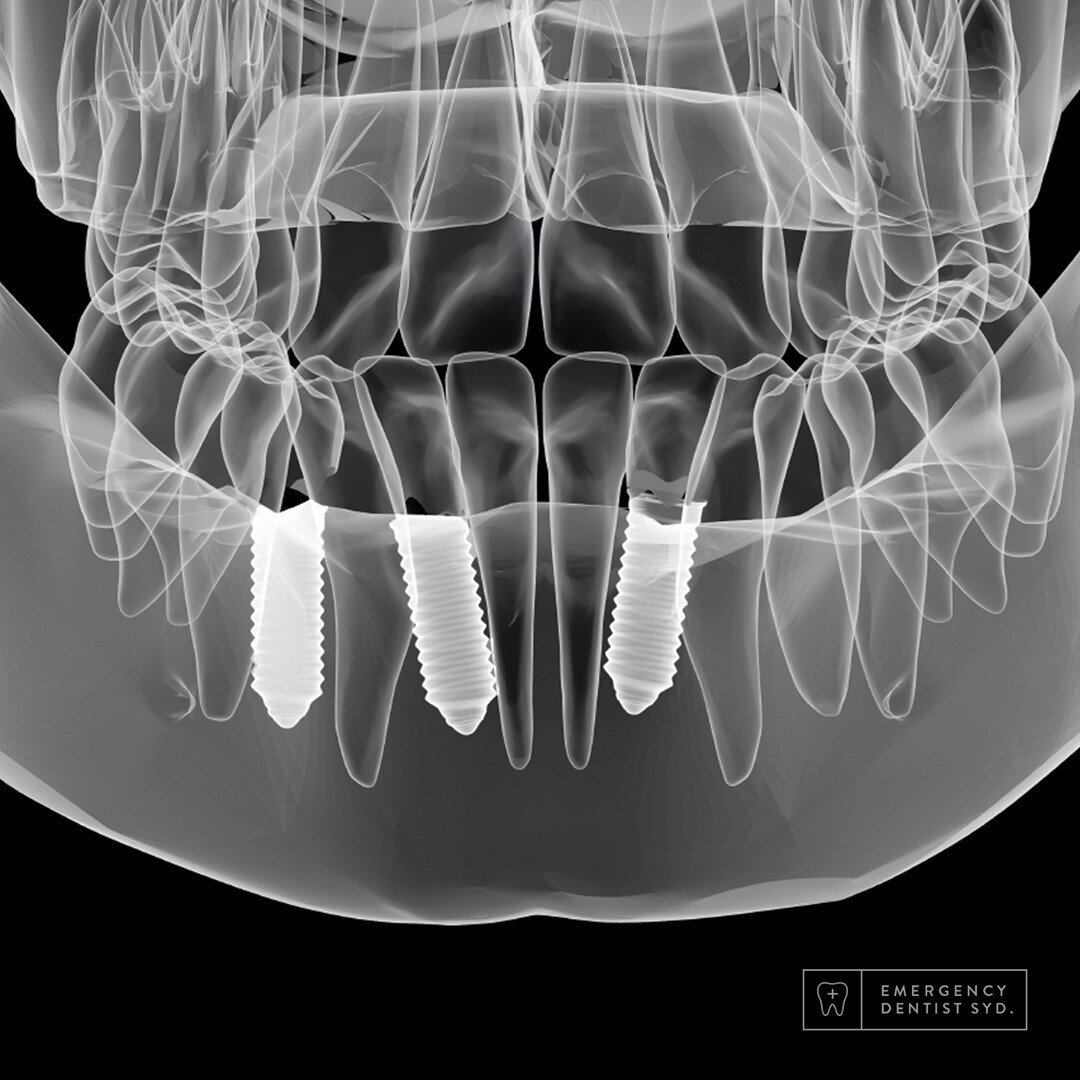
Dental implants have become a popular treatment.
Getting a tooth knocked out is for many one of their worst nightmares, especially if it's one that is in a very visible spot. As shocking and upsetting as it is though, fast action can make all the difference.
What you might not know is that if an adult tooth is intact it can often be saved if action is taken within the hour. So, in this situation, getting yourself - and that tooth - off to the dentist as soon as possible is a must. If the tooth can be re-implanted and it 'takes' you may still need a root canal later but at least you'll still have your natural tooth. And if it can't, it's not the end of the world as your emergency dentist can help get the process of getting an implant or dental bridge to replace it started.
A Painful Chipped Tooth
It's all too easy to chip a tooth. Bite into something a little too hard - a very cold ice lolly, a hard piece of crackling, a very crisp apple - and a piece of your tooth may suddenly be gone.
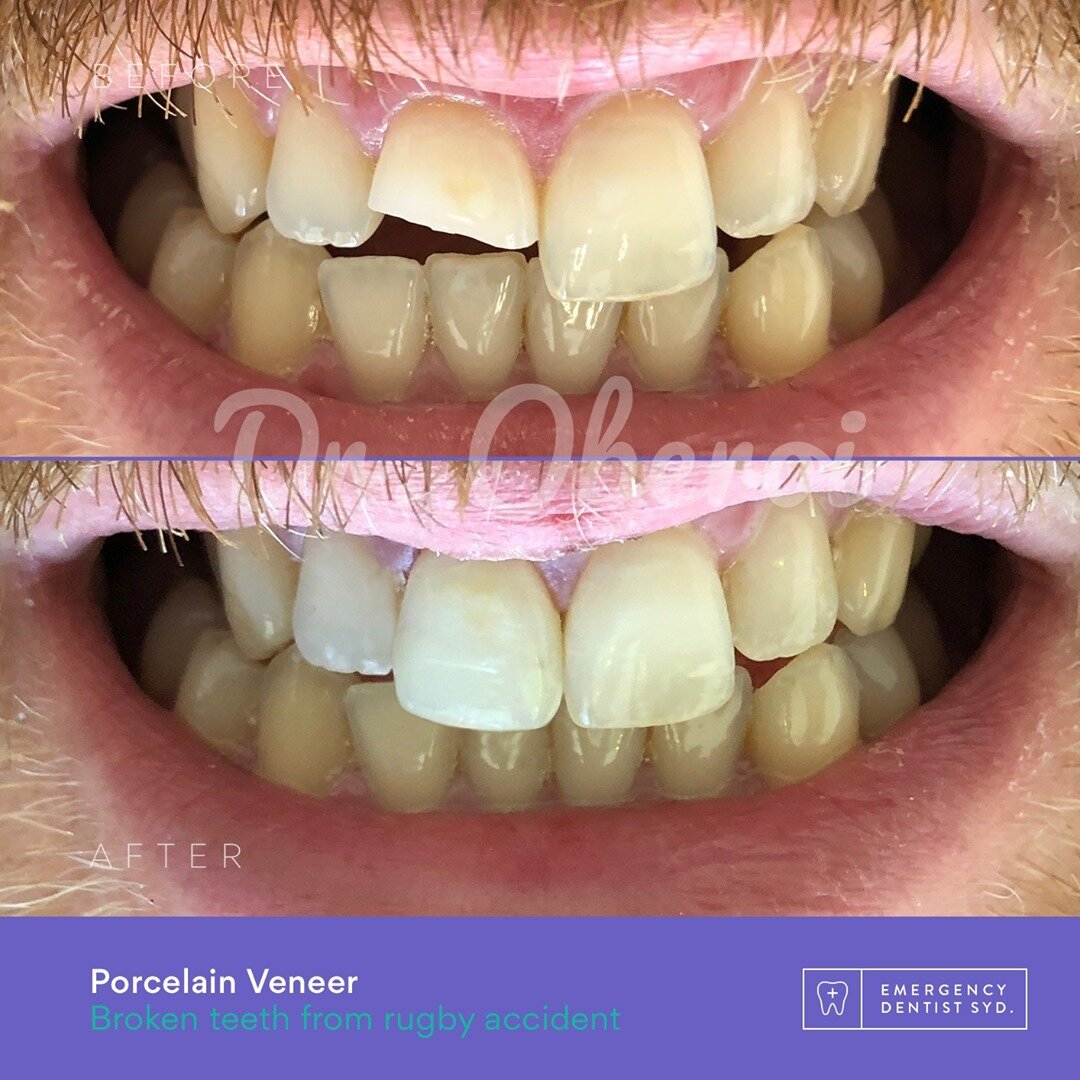
A small chip doesn't always have to be treated after hours but if there is pain present, discomfort or distress from the appearance of the tooth, it should be treated as soon as possible. As a solution there are a few options depending on the damage. Dental composites (bonding), crowns, porcelain veneers and fillings can all be used to treat a chipped tooth.
Abscesses

Traditional and laser root canal treatment.
Some of the most severe toothache people experience is not actually cause by their teeth at all, but by an abscess, either in the gum or the pulpal (soft) matter in a tooth's root. Pain aside - and the pain can be truly excruciating - these abscesses are often infected, and so treating them immediately is a must. The underlying cause of the abscess - gum disease, tooth necrosis - will probably call for additional treatments but an emergency dentist can begin the diagnosis process and get you on the antibiotics that will treat infection and begin killing that terrible pain.
These are just a few of the conditions that warrant a speedy visit to an emergency dentist, there are more. Although not all oral health emergencies can be solved overnight, the faster you get help, the better, a great reason to make sure that you add the number of an emergency dentist to that list of important numbers in your phone (or on your fridge).
The Emergency Dentist Says:
The faster you get help for your oral health emergency the better the outcome is likely to be. And if you're not sure if yours is a real emergency give us a call and we'll help you figure it out.

5 Effective Ways to Overhaul Your Oral Hygiene Routine
It's important that your oral health routine focus on more than just the colour of your teeth...
Today
While most of us aspire to a celebrity-worthy pearly white smile, and will often spend a small fortune on whitening toothpastes, kits and treatments to achieve one, we can tend to overlook other important aspects of oral care and that's a big mistake. After all, what's the point in having pearly white gnashers if you also have rather rancid breath, inflamed gums, and or the beginnings of cavities lurking.
It's important that your oral health routine focus on more than just the colour of your teeth. Here are five very easy to implement changes you can make to your oral hygiene routine today to get a healthier smile, and not just a whiter one.
1. Practice Some Tongue Care
Your tongue is the single largest source of bacteria in your mouth, meaning it's a big contributor to bad breath and other oral nasties. And yet when most people clean their teeth they fail to clean their tongue, and it's very important to do so.
Yes, we know it sounds a bit weird but it's not a hard habit to get into. Some toothbrushes do come with a built-in tongue cleaner on the back, or you can buy an inexpensive tongue scraper. Either tool will strip your tongue of the excess gunk that builds up, but for an even better result follow up a scraping with a real brush of the tongue with toothbrush and toothpaste as well.
2. Forget the Hipster Toothpastes
Chances are your Mum and Dad have had you brushing with a fluoride toothpaste since you were a kid. But perhaps recently you've been noticing a number of new 'all-natural' toothpastes have been appearing that claim to do a better job at maintaining oral health than their traditional fluoride enhanced counterparts.
The simple fact is that they don't though. And while they may have cool packaging and funky, fun sounding flavours, we really do recommend sticking with the fluoride paste you grew up with. Fluoride guards your teeth from plaque and decay by strengthening the enamel and it's still a must in any effective oral hygiene routine.
3. Keep on Flossing
There's been a big debate of late over whether or not people really need to floss. It was opened up after a report was published that claimed research had shown that flossing had been overrated and that brushing might be enough.
Almost every dentist disagrees, but you don't even have to take their word for it. Even the fanciest, priciest toothbrush can't get all those little bits of food that get stuck between your teeth out, and if they stay where they are they'll begin to rot, leading to bad breath at best and cavities and infection at worst. Since flossing is a very effective way to get rid of between the teeth gunk on a daily basis to keep on using it really is just common sense.
4. Stay Hydrated
Bad breath - especially that rather potent 'morning breath' most of us are familiar with is, in large part, due to dehydration. When you sleep the production of cleansing saliva is decreased, as is the case when you are super-thirsty.
5. Don't Ditch Your Dental Appointments

Yes, we know, you're busy. And you really don't like going to the dentist. And because you do brush and floss every day like a good boy or girl you think your teeth are in pretty good shape, so it's probably OK to skip a check up this time around. But, no, it's really not.
In addition to that great deep cleaning you'll get, your dentist, as an expert in gum health as well, will be able to spot the signs of periodontal disease that it's harder for you to notice (until pain, swelling and/or infection sets in) and address it before it can cause any lasting damage. And although it sounds a bit morbid to mention it often the only way an oral cancer is diagnosed is after its symptoms are spotted by an eagle-eyed dentist.
The Emergency Dentist Says:
Good oral hygiene is about more than the shade of pearly white you can achieve with your 'brightening' toothpaste. An attractive mouth is one that is healthy as well as good looking, something that the tips we've shared here, really will help you achieve.

Give Bad Breath The Boot
There are a number of reasons why a person may suffer from bad breath. These are the most common causes...
5 Easy, Effective Ways to Combat a Bad Breath Problem

Bad breath. People who suffer from it are normally either unaware of the fact or truly embarrassed about it. They often wonder just what they should be doing about it, as strong chewing gums and breath sprays only seem to go so far. The good news is though that most cases of halitosis - that's the scientific name for bad breath - can be addressed pretty easily.
What Causes Bad Breath?
There are a number of reasons why a person may suffer from bad breath. The most common include:
- Poor dental hygiene
- Persistent dry mouth
- Tooth decay
- Gum disease
- Smoking
- The consumption of pungent foods (garlic etc.)
- Some medical conditions, including diabetes and acid reflux
In the case of the last item on that list it may be that the person has the best oral hygiene in the world but their health prevents them from having really fresh breath. In these cases a combination of a GP and a dentist's advice and care is called for to address a halitosis, problem. For many people though the issue can be solved with a change of habits and a little more awareness of the fact that the problem exists.
Here are usually very effective ways to combat bad breath:
- Improve Your Dental Hygiene.
Not only do people need to stick to the oft given advice that they brush at least twice a day with a good toothpaste they also need to address two other causes of bad breath due to poor dental hygiene; bacteria and food remnants stuck in the teeth.
It's not that hard to get food stuck in your teeth, but if it's allowed to remain there it will usually begin to rot (sounds horrible but it's true) and smell. Flossing on a daily basis (at least) will help remove stray food particles and bacteria can be addressed with an anti-bacterial mouthwash. Brushing your tongue, as strange as that may sound, will help as well.
- Stay Hydrated.
Dry mouth is another 'leading cause' of bad breath that can be fairly easily addressed. Many people don't realise that they are not drinking enough during the day but it's an easy fix. Get into the habit of sipping from a bottle of water throughout the day and try to consume the equivalent of two litres of water a day.
- Brush After You Eat Stinky Foods.
We could just say stop eating 'stinky' foods to avoid bad breath but, to be fair, there are a lot of great - and even great for you - foods that fall into that category.
A better idea then is to make sure you brush after consuming pungent foods, even when you are away from home. A travel toothbrush and paste isn't hard to fit into a handbag or pocket and these days you can even buy pre-pasted travel brushes relatively inexpensively that are even more convenient.
- Gum Can Be Your Friend.
Chewing gum can be a good way to remove stubborn food particles, keep dry mouth at bay and freshen breath, so yes, the adverts are right, it is always a good idea to keep a pack in your pocket.
- Don't Smoke.
We know, that's easier said than done. If you do still smoke these days despite all of the outside pressure to quit - and there's a lot - chances are you've been struggling to do so. In this case there's no shame in asking your GP or dentist to suggest ways to help, and they'll usually be quite happy to do so.
- Schedule Regular Checkups With Your Dentist.
Some underlying causes of bad breath, like tooth decay and gum disease - really need to be treated by a dentist. By making sure you stick to a regular check up schedule your dentist ill be able to spot - and treat - such problems and then help you tailor your dental hygiene plan to help prevent them from reoccurring.
The Emergency Dentist Says:

Bad breath is no laughing matter, it can really impact your life, especially your social life. In many cases though it's a problem that can be- with the help of your dentist - solved pretty easily.

Gum Disease & Your General Health
Do you happen to know what the leading cause of tooth loss is in Australian adults? Many adults often don't even know they have gum disease until it's almost too late...
Get the Facts Before It’s Too Late
Do you happen to know what the leading cause of tooth loss is in Australian adults? If you (logically) answered tooth decay then you aren't actually quite right. Although decay is responsible for more than its share of damage it is actually gum disease that wrecks the most havoc. And many adults often don't even know they have it until it's almost too late...
What is Gum Disease Anyway?
Gum disease - a condition that is also known by the posh scientific names of gingivitis and periodontitis - is primarily caused by plaque, just like tooth decay is. A plaque build up will damage the teeth but it won't stop there, it will damage the very structures that support the teeth, the gums doing damage that can, at times, be harder to treat than tooth decay is.
Gum disease can progress without ever showing any major symptoms. However all of the following can be big warning signs that all in the Land of Gum is not quite right:
Red, swollen or tender gums
Bleeding after brushing, flossing, or eating hard food
Gums that are recede or pulling away from the teeth, making teeth look longer than before
Teeth that feel looser than they did before
Persistent bad breath
Treating Gum Disease
As is almost always the case, when it comes to gum disease prevention is better than cure. But more about that in a minute. For now let's focus on how it's treated
Gum disease comes in two stages; gingivitis and periodontitis. When caught while it's still gingivitis treatment is relatively straightforward. Your dentists will use a process called scaling - a type of super intense cleaning - and then instruct you on how to improve your oral hygiene to help prevent the problem coming back. Gingivitis is totally reversible and so with prompt treatment your gums will return to their former healthy state.
Periodontitis is a bit of a different matter. It's usually more serious and calls for first more intensive scaling. You may need a local anaesthetic before the treatment and it may have to continue over the course of several treatments. In the most severe cases periodontitis may even need to be surgically treated by a dental specialist called a periodontist, one who has specialist in training in gum disease and its treatment.
Preventing Gum Disease
So we're sure by now that you've figured it out for yourself. Gum disease can be successfully treated by your dentist but it really would be a lot better - and easier - if it never came to that in the first place.
Daily oral hygiene is a big key to the prevention of gum disease. Teeth need to be brushed at least twice a day with a good toothbrush and a fluoride toothpaste. Smoking also increases the chance you'll develop gum disease so that is yet another reason to stop. Consider investing in an antibacterial mouthwash to be used on a regular basis and DO NOT skip those regular cleaning appointments at your dentist's office.
The Emergency Dentist Says:
Gum disease is nasty stuff, but it can be prevented, and if needed treated, very effectively with your dentist's help. You just have to make that first call.

Hot New Trend: Braces for Adults
The waning of a stereotype as more and more adults embrace teeth straightening treatments...
The Waning of A Stereotype
Not so long ago, for a teenager, hearing a dentist say that they needed braces seemed like the end of the world. Never mind that the end result would be straighter teeth and a better smile. In the short term that meant risking being called 'brace face' - or worse - every time they opened their mouth, delaying dating because they were afraid of ripping someone's lip with their metal brace when kissing, the actual mouth full of metal and more.
The 21st Century Attitude to Braces
Things have certainly changed when it comes to braces over the last decade or so. Improvements in orthodontics mean that braces are now far more discreet, smaller, easier to live with and in many cases even get the job done - the job of straightening teeth that is - faster.
Something else that has changed is most kids' attitude to getting braces. In the age of even seven seconds selfies a beautiful smile is possibly more desirable than ever before, so according to some dentists they actually have to upset younger kids coming into their surgeries by telling them they are not quite old enough for braces yet!
Am I Too Old for Braces?
All of this has left many grown ups, grown ups who fought Mum and Dad tooth and nail back in the day and did not get braces when they were a kid, wishing that they could get them now. They'd like to smile in selfies too. They know that a healthier looking - and actually healthier - straighter smile would be a lovely self confidence booster for starters. But it's all too late now...isn't it?
The simple answer is that no, it's not. People in their 20s and 30s are getting braces. People in their 40s and 50s - including a gent called Tom Cruise - are getting them. There are even a few OAPs who have given braces a shot.
What Will People Think?
While more and more adults are getting braces these days it's still something people are afraid might raise a few eyebrows. And be a pain in the you know what to boot when it comes to actually living with tooth correction devices.
In response to those concerns what can we say? Well, today's braces are far less noticeable than ever before, so most strangers will probably never even notice. They are also easier to wear, easier to remove and easier to clean. You don't even need to see the dentist for check ups anywhere near as often as in the past. And as to what people think? Even if they do notice the braces and snicker a bit who cares? You'll be the one with the big (beautiful) cheesy grin in a few months and then all they'll be is jealous!
The #EmergencyDentist Says:
Modern braces are better than ever and so are the end results, so don't let age get between you and a straighter, healthier smile.
Patient Care First

Keep Up-To-Date with All Things Oral & General Health
RECENT ARTICLES







For 15 years, we've had one mission - when Sydney has a dental emergency, Emergency Dentist Sydney is there
We're proud to celebrate 15 years of providing emergency dental services to Sydney CBD and surrounding suburbs.