
How to get after-hours dental care
How to get after-hours dental care
You can never plan the right time for something to go wrong with your oral health. Find out how to get after-hours dental care and the steps to take here.
After-Hours Dental Care: What to Expect When Visiting an Emergency Dentist
Emergencies can strike at any time, including dental emergencies. Knowing what to expect and how to get after-hours dental care when you’re facing an emergency can alleviate stress and ensure you receive prompt and appropriate support.
Let's explore the ins and outs of after-hours dental care, from identifying emergencies to financial preparedness and prevention tips.
What is a Dental Emergency?
A dental emergency refers to any situation involving the teeth, gums, or mouth that requires immediate attention to alleviate pain, stop bleeding, or prevent further damage. Common dental emergencies include:
Severe toothache
Knocked-out tooth
Cracked or broken tooth
Lost filling or crown
Abscess or infection
Trauma to the mouth or jaw
If you experience any of these symptoms or have concerns about your dental health outside of regular office hours, seeking emergency dental care is essential.
What to Do When You Face Emergency Dental Work
In the event of a dental emergency, taking swift and appropriate action can make a significant difference in the outcome. Here's what to do before you seek after-hours dental care:
Assess the Situation: Evaluate the severity of the injury or pain. If there is bleeding, swelling, or intense discomfort, it's likely a dental emergency.
Contact an Emergency Dentist: Look for dental practices that offer after-hours emergency care. Many dentists have on-call services or emergency hotlines to assist patients outside of regular business hours.
Follow First-Aid Measures: While waiting to see the dentist, take steps to manage pain and prevent further damage. Rinse your mouth with warm water, apply a cold compress to reduce swelling, and take over-the-counter pain medication as needed.
Retrieve Lost Teeth or Fragments: If a tooth has been knocked out or broken, handle it carefully by the crown (top) and avoid touching the root. Rinse it gently with water and try to place it back into the socket if possible. Otherwise, store it in a container of milk or saliva until you can see the dentist.

How to Financially Prepare for a Dental Emergency
Facing a dental emergency can be stressful, especially if you're concerned about the cost of treatment. Here are some tips for financial preparedness:
Dental Payment Plans
Some dental clinics offer flexible payment plans, including Emergency Dentist Sydney, so you can break the cost of your dental treatment into multiple smaller repayments over time. We offer Afterpay and Zip Pay which means you won’t even pay interest!
Consider dental insurance or supplemental plans that cover emergency procedures to mitigate out-of-pocket expenses.
Set aside a portion of your budget for unexpected medical and dental costs to ensure you're financially prepared for emergencies.
How to Avoid a Dental Emergency
While some dental emergencies are unavoidable, there are steps you can take to minimize your risk:
Practice good oral hygiene by brushing and flossing regularly to prevent tooth decay and gum disease.
Wear a mouthguard during sports or recreational activities to protect your teeth from injury.
Avoid chewing on hard objects like ice, popcorn kernels, or pens, which can crack or chip your teeth.
Schedule regular dental check-ups and cleanings to catch potential issues early and maintain optimal oral health.
Speak to an Expert (Emergency Dentist Sydney)
Navigating a dental emergency can be daunting, but with the right knowledge and preparation, you can face it with confidence. Remember to prioritise your oral health, stay informed about emergency procedures, and have a plan in place for unexpected situations. With proactive steps and access to reliable dental care, you can safeguard your smile and well-being for years to come.
Finding reliable after-hours dental care is crucial for peace of mind in case anything ever does go wrong. Emergency Dentist Sydney is your trusted source for prompt and compassionate emergency dental services. With a team of experienced professionals and state-of-the-art facilities, we are committed to providing exceptional care when you need it most.
Don't let a dental emergency disrupt your life – contact Emergency Dentist Sydney for expert assistance around the clock.
NEED ADVICE OR EMERGENCY DENTAL CARE IN SYDNEY CBD?
Contact our friendly team


Emergency Dentist Sydney's 2019 Team
Starting the New Year With a Solid Team
Starting the New Year With a Solid Team
2018 has been a great year here at Emergency Dentist Sydney, with a lot of changes for both staff and patients. As the year draws to a close, it’s important that we remember the year that’s just passed even as we anticipate the year that’s coming, which is why we’re creating this 2018 summary.
Emergency Dentist Sydney in 2018
This year has been a busy one for the team at Emergency Dentist Sydney. Not only have they seen around 500 emergency patients during the year, they’ve also kept their focus on what’s important. For the team, this means constantly updating their skills to keep up with medical and technological advances in the dental field. And this is what allows them to offer patients the best possible treatment and experience.
Another important focus for the staff at Emergency Dentist Sydney is relieving patient anxiety. This is a major barrier to the oral health of a lot of people, which is why our staff continue to learn new ways to relieve this problem and help patients overcome their fear and stress. So if you’ve been avoiding the dentist out of fear or anxiety, then we probably have the solution.
The Emergency Dentist Sydney Team
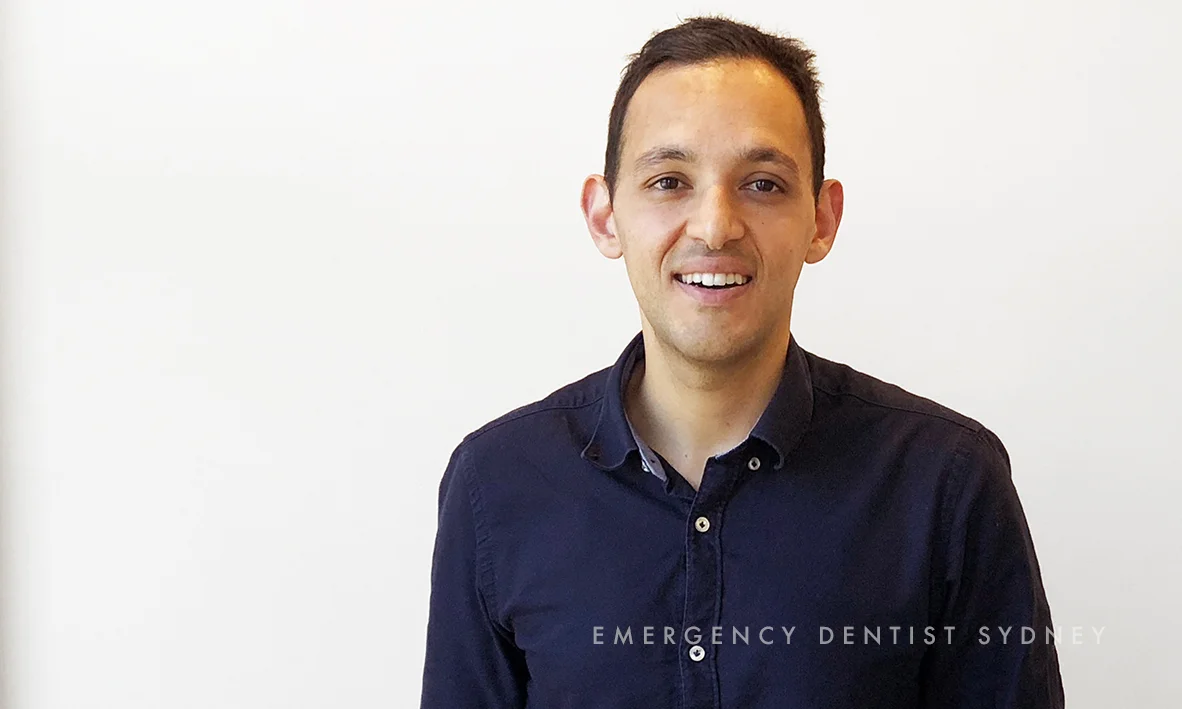
There is a varied team here at Emergency Dentist Sydney and that’s by design. Each member of the team has their own role and specialities. This helps ensure that patients get the best possible treatment no matter what oral health problems or concerns they have. As Doctor Oberoi says, “Our emergency team includes myself, the principal dentist. We have an oral surgeon on the team, a gum hygienist, and an associate dentist who does weekend work.”
The team here at Emergency Dentist Sydney includes:

Doctor Oberoi
Our Principal Dentist who performs a range of general and cosmetic dental procedures from dental implants to anti-wrinkle injections.

Doctor Graham
A dental surgeon who works 2 days a week and has a special interest in bruxism.
Doctor Raj
An oral surgeon who is involved with more complex dental procedures such as difficult extractions, wisdom teeth and lip and tongue ties.

Phoebe Bell
Emergency Dentist Sydney’s dental hygienist, who focuses on preventative dentistry and education as well as cosmetic procedures such as teeth whitening.

Jenna
Jenna is the Practice Manager and oversees all the day to day necessities of the clinic.

Larissa
Larissa is the Patient Co-Ordinator, which means that she’s the primary dental nurse and is involved in all aspects of patient care and treatment from check-ups to more complex procedures.
Emergency Dentist Sydney Says:
If you have a dental emergency, contact our Emergency Dentist in Sydney. Our caring and expert staff are available 24 hours a day to help you with all your emergency dental needs.

Do I Have a True Dental Emergency?
When to Call the Dentist
When to Call the Dentist
If you have a problem with your teeth on the weekend or late at night, you might worry about contacting an after hours dentist. After all, when you’re in pain, it can be hard to tell if the problem is an emergency, and what kind of medical professional you should contact. To help with that, here are some of the most common dental emergencies and what you should do about them.
What is a Dental Emergency?
This may seem obvious. For most people, a dental emergency is when your tooth really hurts and you want it fixed. However, there are a few different types of emergencies that after hours dentists see. Here are some common dental emergencies.
Any problem that threatens the health and placement of a tooth. This broken, lose and cracked teeth.
Severe pain.
Bleeding from the mouth tissues that won’t stop.
A severe infection that suddenly flares up. This can be life threatening, so it’s important that you see an after hours dentist as soon as possible if this occurs.
What to do in a Dental Emergency
If you experience a dental emergency, then you need to get help as soon as possible if you want to solve the problem. This will also help you to preserve the health of your mouth and teeth over the long term. With that in mind, here’s what to do for some specific dental situations:

A toothache
If you experience severe pain after hours, you can take Nurofen to alleviate it until you can get to an after hours dentist. Don’t try to brush the area, but you can rinse with warm water to gently clean it.
Bleeding
If the bleeding isn’t too bad, rinse your mouth with warm water and apply pressure to the area to encourage it to stop. If the bleeding is severe, seek medical help immediately.

Dislodged teeth
If you have a tooth or teeth knocked out because of some type of injury, retrieve the tooth and rinse with water to clean it. Reposition gently in the tooth socket without pressing it down. If you can’t put it back in your mouth, put the tooth in milk to keep it moist. And contact an after hours dentist immediately so the tooth can be put back where it belongs.

Cracked teeth.
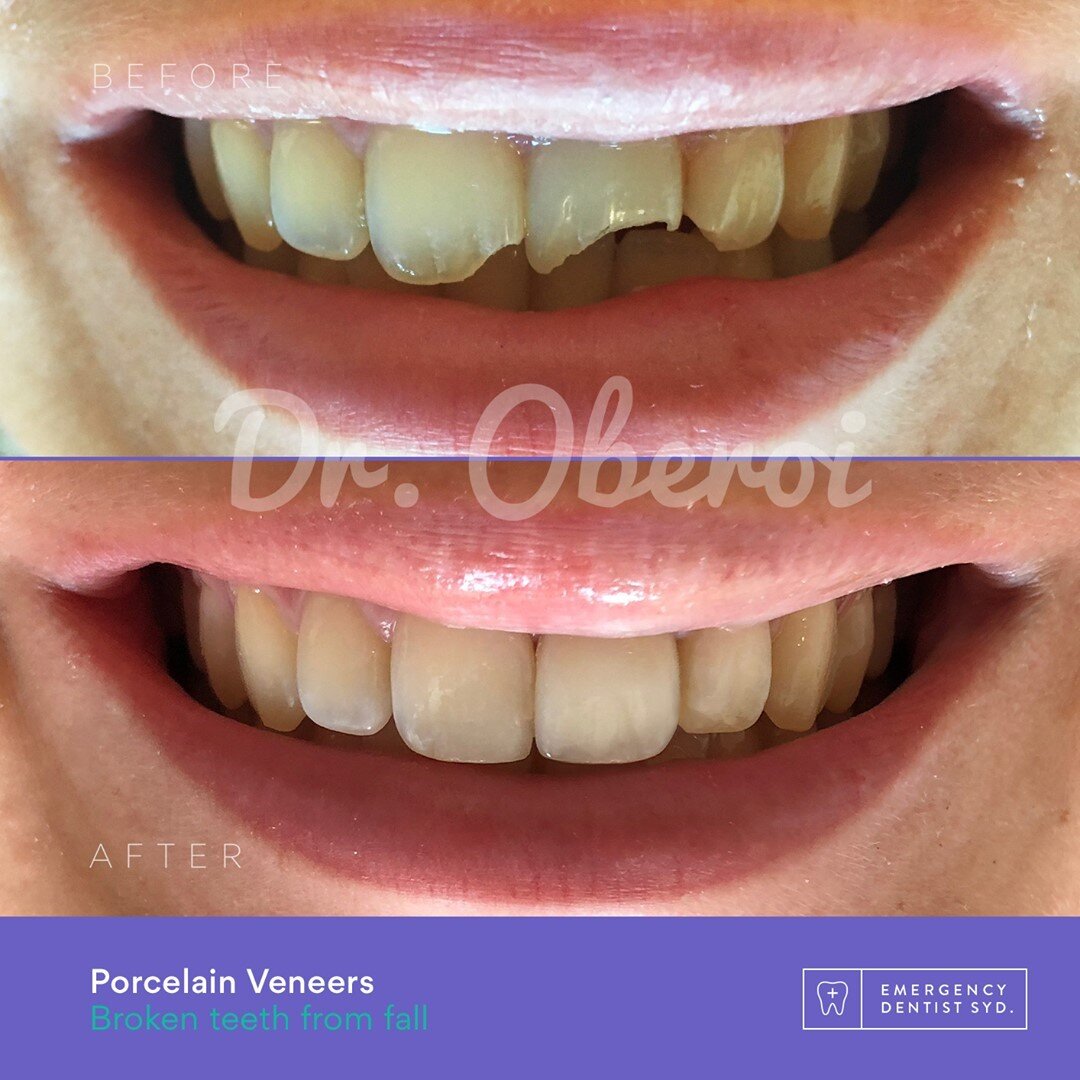
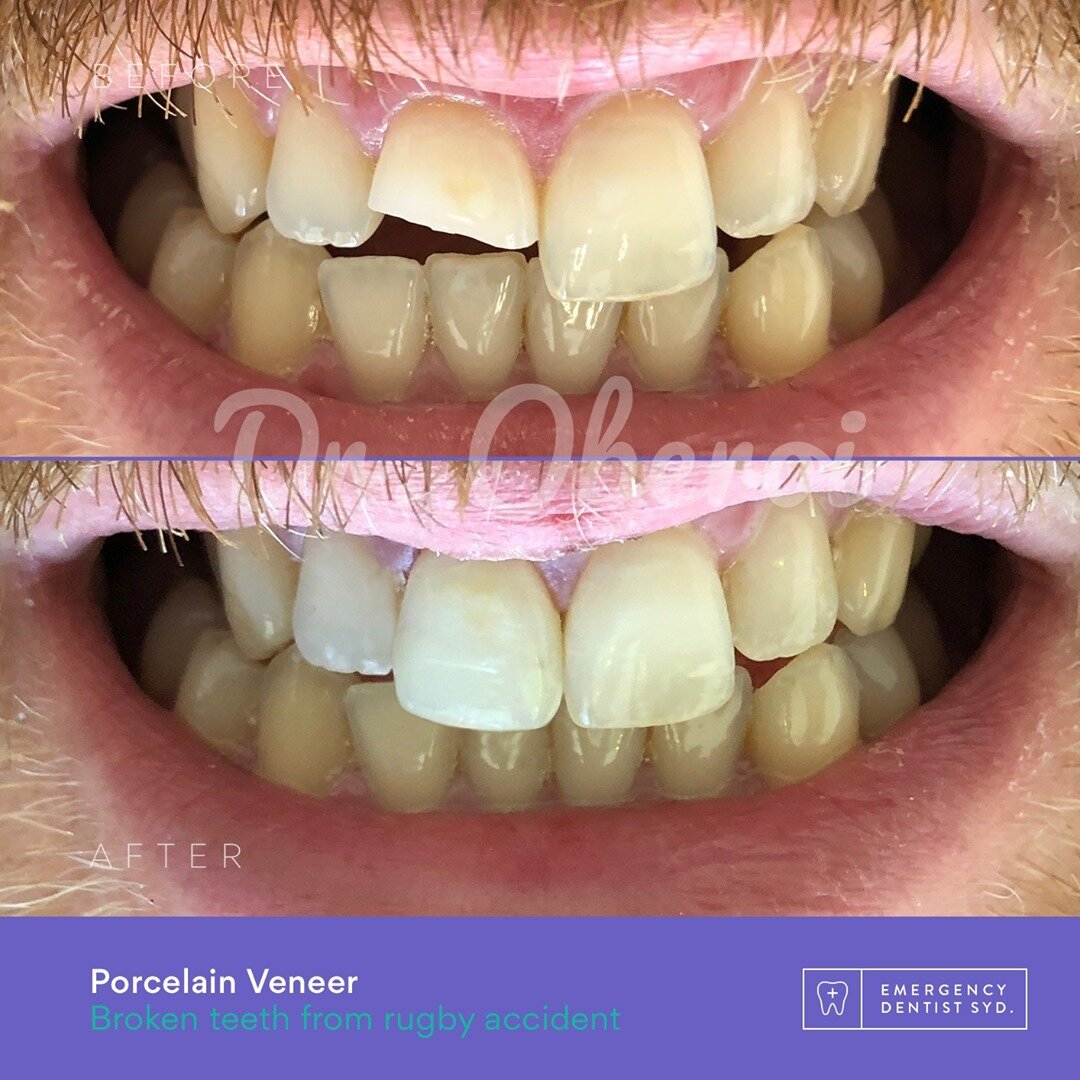
It’s easier than you think to crack a tooth or teeth. If you experience this, rinse your mouth with warm water, apply a cold compress to the face and see an after hours dentist as soon as possible. Your dentist will be able to repair the tooth using a porcelain crown or veneer, dental bonding, or a dental bridge.

Something stuck in your tooth.
Unless it’s extremely painful or bleeding, this usually isn’t a dental emergency. Try to gently remove the obstruction with your fingers or tweezers. You can also try flossing around the object. If this doesn’t remove the problem, make an appointment with your dentist.

Severed gum or lips.
This is considered a medical emergency, not a dental emergency. So apply pressure to slow the bleeding and go to your doctor or to the emergency room if it’s after hours.
Emergency Dentist Sydney Says:
If you have a dental emergency, contact our Emergency Dentist in Sydney. Our caring and expert staff are available 24 hours a day to help you with all your emergency dental needs.

What to Do If You Need an Emergency Root Canal
From an Experienced Emergency Dentist
From An Experienced Emergency Dentist
If you suddenly experience a severe toothache late at night or on the weekends it’s important that you know what to do. It may be tempting to just call the closest dentist to get help, but that could end up causing more problems than it solves. An emergency root canal can be a complicated procedure. That’s why you need to make sure that the after hours dentist you see is appropriately experienced and trained in this procedure.
What is a Root Canal?

A root canal is a very common procedure that’s performed when a tooth becomes infected because of decay or poor oral health. The infection can cause the tissue inside the tooth to become diseased and damaged. If it isn’t treated at this stage, then the tooth will have to be extracted and the infection can also spread, causing problems with other teeth and with the rest of the mouth.
This can come on quite suddenly. You may have a tooth that bothers you a little for a while, and then suddenly one night you’re in a lot of pain and looking for an after hours dentist. But this is where you need to be careful. Although root canals are common, that doesn’t mean that you should just see the first dentist who answers the phone. As Dr. Oberoi from Emergency Dentists Sydney says, “A root canal is a complex procedure so it’s important that the staff are trained properly so that patients get the best treatment.”
It’s fairly easy for something to go wrong during this procedure, or for infected tissue to be missed, which can affect the outcome and lead to a tooth extraction. So if you want to avoid complications, you need to make sure that your after hours dentist is appropriately experienced and trained in the procedure.
Emergency Dentist Sydney

If you suddenly need an emergency root canal late at night or on the weekend, you need to know that you’re in good hands. As Dr. Oberoi states, “Patients are nervous and have limited choice in who they see out of hours, so they need to know that their dentist can do the job properly.”
The staff at Emergency Dentist Sydney have been focussed on emergency procedures for many years and have performed literally thousands of root canals. They have experience in almost every type of dental emergency imaginable, from toothaches to broken teeth and problems with fixtures such as crowns and veneers. So no matter what’s happened to your teeth, you can get the help you need from our 24 hour dentist whenever you need it most.
Emergency Dentist Sydney Says:
So if you have a toothache after office hours, make sure you contact our Emergency Dentist in Sydney. Our caring and expert staff are available now to take care of all your emergency dental needs.

Emergency Repair to Fixtures
Should Only Pain Be Treated as an Emergency Situation?
Should Only Pain Be Treated as an Emergency Situation?
Pain, as it is obviously known is a major concern to everyone as it is very disturbing and highly discomforting. Tooth pain, however, has been considered over time to be a very serious issue simply because it has been rated one of the worst pains anyone can ever have. Tooth pain, however, is not the only dental condition that should be treated as an emergency. It is not until you are experiencing some form of pain that you should remember your dentist, it is important to note that there are still some conditions that would require the prompt intervention of the dentist, else, a lot of things might get ignorantly damaged.
Other Conditions to Be Treated as an Emergency
Apart from the emergency that comes with pains, aches or cracks. Some conditions should not also be handled with levity, especially the ones involving minor and easily overlooked conditions coming from tooth treatment. Conditions like this should not be underestimated so as to avoid unnecessary prolongation of treatment. Also, it isn’t a crime to look beautiful and dentists can make that happen, so, do not relegate yourself as a second-class citizen simply because you do not want to see a dentist. Some of these conditions listed should be treated as emergency cases and promptly resolved:
· Broken Denture
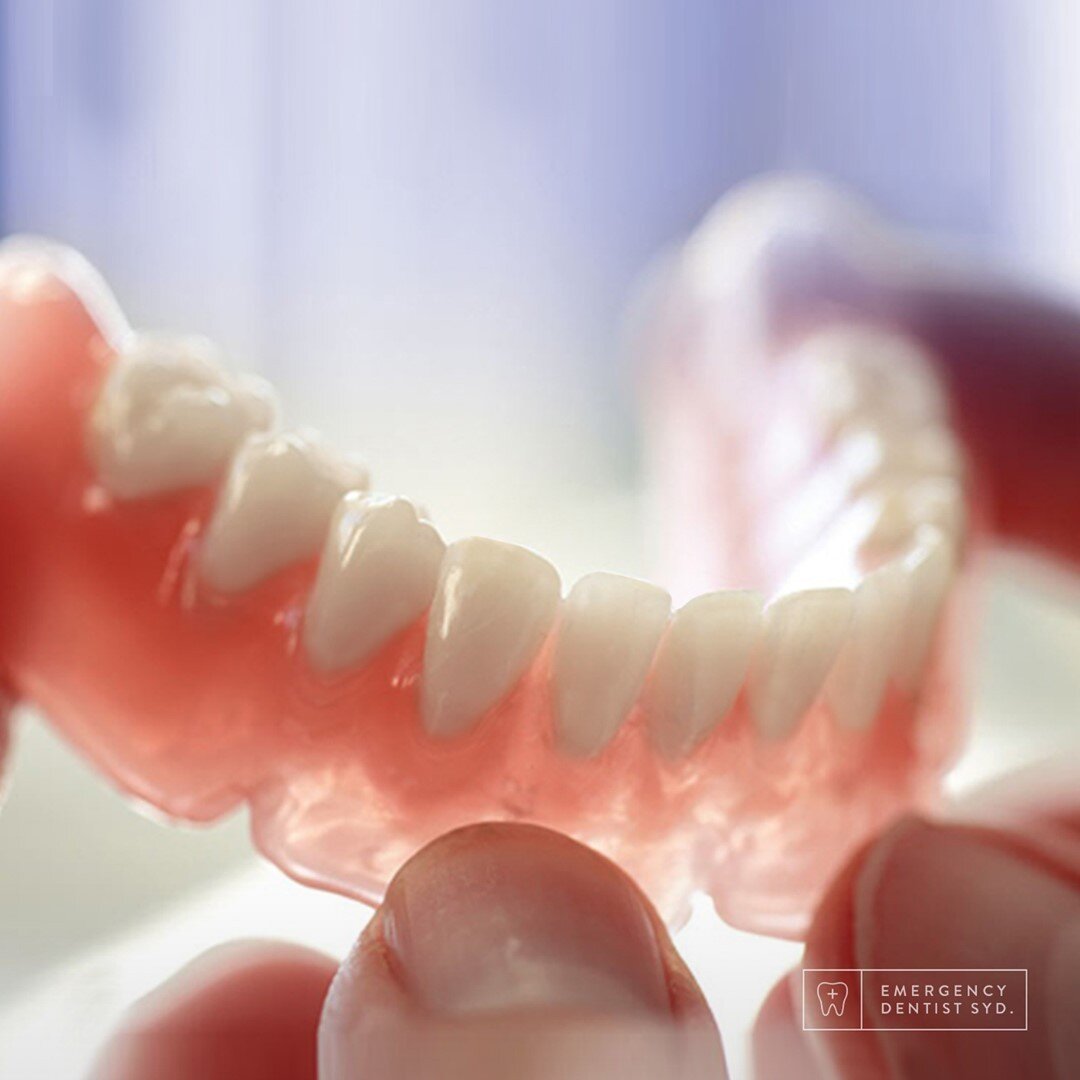
Dentures are metal frameworks attached to someone tooth for the purpose of realignment. When a denture gets broken for whatever reason, it should not be treated as a minor issue. While a broken denture can be overlooked, it can be very embarrassing and seriously disfiguring. This condition should not be allowed to stay with you for too long when the solution is just around the corner. It should be treated as an emergency situation, for aesthetic purpose and also not to cause a further damage to the tooth and thus incurring more cost for lack of knowledge.
· A Chipped Crown or Veneer
When a crown or veneer becomes chipped or slightly cracked, you should reach out to your dentist immediately in order not to unnecessarily prolong your treatment and cause more damage to the tooth in question. If left untreated, the tooth might eventually become loose, thus, the essence of the treatment getting to be in vain.
· Popped out wires from Braces
For those using braces to align your dentition, you should take note of the wires being out of place and thus popping out. If this occurs, there is a very high tendency of distortion in treatment as orthodontic work required precision. This would eventually lead to prolongation of treatment. It can also affect your eating ability or damage your mouth, so it is very important to take it as an emergency situation.
· Broken Retainers
The main purpose of wearing a retainer is to perfect the work of the orthodontist. When your retainer gets broken, return to your dentist immediately and it would be easily rectifiable provided you treat it as an emergency situation and do not delay it.
Some other conditions that should be treated as an emergency are getting to starve yourself to sleep because you have lost your sleep appliances and also losing fillings and ramifications due to unnecessary delay in getting it fixed.
Emergency Dentist Sydney Says:
All these conditions should be treated as an emergency situation once it happens and you should call your dentist immediately so as to get the proper care.

Acute Pain
What to Expect
What to Expect
Pain in the tooth has been recorded to be the second most painful form of pain in the human body. Acute tooth pain can be very discomforting. It is an experience that should never be gotten as it is always difficult to forget experiences like that. This is because the pain takes all of you and you just cannot get yourself to concentrate on any other thing. No one who has ever had a tooth pain prays to keep having it.
What are the Causes?
Acute pain can be caused by a lot of factors which ranges from coming from the upper part of the tooth to the ones radiating from deep within the gum. Tooth pain can also be gotten as a result of infections from other parts of the body associated with the tooth. Some of the main causes of acute tooth pain are:
Tooth Decay: This is a major factor that causes acute tooth ache and it is due to bacterial infection. It occurs when the bacteria traversed through, reaching the roots of the tooth thus causing an abscess. The pain can be very terrible and highly unbearable.
Fractured Tooth: When a tooth is fractured, the nerve gets exposed and the exposure of a nerve causes excruciating pain because nerve exposure usually leads to the formation of an abscess.
Gum Disease: When the gum of an individual is infected and not quickly treated, it can lead to an inflamed gum, periodontitis and other root canal infections and this also is a leading cause of acute tooth pain.
Symptoms
When toothache occurs, some of the obvious symptoms that it comes with are:
Confusion and severe headache
Persistent increase in temperature
Obvious swelling and palpable tenderness of the gum and generally in the mouth
Blurred and/or double vision
Treatment Options
Acute pain should be taken as an emergency situation and be treated as such. The first and main treatment is to contact your dentist right away. This is important because the pain might trigger lots of other problems and complications might arise. While preparing to see the dentist though, some of these treatments can be quickly applied:
Properly rinse your mouth with warm water in order to get it cleansed.
Take two tablets of Ibuprofen or Advil and then wait for three hours.
Then, take two Panadol tablets and then wait for another three hours before repeating the second step.
These tablets to cause a significant reduction in the swelling in case there is an inflammation and also reduce the pain to a bearable minimum. It is very important to note that you should not directly apply aspirin, you should see your dentist instead.
Before getting to the end of these treatments, you must have been able to reach your dentist and get the proper care.
In cases whereby the pain is severe, has lasted more than a day or you have other associated pain apart from the toothache, it is very expedient to see the dentist quicker because other treatment options may be needed as all these may be due to abscesses or deep root canal infections and it warrants more serious treatments such as:
Extractions or removal of the tooth
Filling of the tooth
Gum or Periodontal treatment
Root Canal treatment
All these would require serious treatment and some minor surgical procedures, but, there is no need to panic as long as you visit the right dentist.
Emergency Dentist Sydney Says:
If your toothache is severe, follow these emergency dental care tips. If it has lasted for more than 24 hours and you just can't take it anymore, give us a call.

Do I Really Have a Dental Emergency?
What counts as one?
What counts as one?
It's late. Most businesses, including your regular dentist's office - have been closed for hours and won't be open again for hours either. Or if it's the weekend, possibly days. Which would usually be fine. Except you have a toothache that just won't quit. Or a chipped tooth that is both sharp and painful. Or, worse still, a tooth that is hanging by a thread, or knocked out altogether. But it is late, getting across town might be a pain and although you know that emergency dentists exist, don't they charge an arm and a leg?
The fact is that it is important to know what kinds of oral health problems or dental injuries do require emergency treatment and which can probably wait until a more civilised hour. No, if you can avoid a mad midnight dash to the dentist's it's probably more convenient, but it won't always be the best thing for your oral health.

Take that knocked out tooth for example. A couple of decades ago everyone would have told you to suck it up, stop crying and deal with the fact that the tooth was gone. These days a lot has changed and a tooth that has been dislodged can be saved, but usually only if you act fast.
The toothache that just won't quit? Even though you have taken the bottle-recommended dose of Nurofen - and then some Panadol - twice and it's still there throbbing away, although in a slightly more muted fashion than before? Is that worth a visit to an emergency dentist? Will they be able to help or is toughing it out until the morning the most sensible option here?
Figuring out what is or isn't a dental emergency can indeed be hard. However, as a general rule of thumb all of the following may very well be 'serious' enough to warrant the emergency trip:
A knocked-out tooth
A severely chipped tooth that is very sensitive (indicating that there may be nerve damage)
Objects stuck in the tooth
Severely bleeding teeth or gums
An abscessed tooth or gum area that is causing a great deal of pain.
One of the best things you can do in any potential emergency oral health situation is give an emergency dentist a call before you go anywhere. The staff at Emergency Dentist Sydney are available via phone 24 hours a day, seven days a week. They are all trained to help even the most panicked patients and advise them about the best way to proceed to treat their unique dental emergency.
That might involve coming in to see a dentist right away, making an appointment for the next day or, in some rare cases, proceeding to the hospital emergency department instead.
The one thing you should not do is wait and wonder. It's only a simple phone call and if it turns out the problem can wait no one will think any less of you for having checked. Your oral health is hugely important - and so is your peace of mind - so no matter what the time it's better to be safe than sorry!
Emergency Dentist Sydney Says:
Want to learn more about dental emergencies and their basic treatments? Check out the informative guide we put together here.

My Tooth is Killing Me
But How Much Will It Cost to Fix It?
But How Much Will It Cost to Fix It?
You are in pain. Agony actually. The toothache you've been trying to ignore for days because you were a little too busy to make it to the dentist (which is not exactly your favourite place to hang out anyway) refuses to be ignored any longer. Or respond to any kind of pain medication you can find in your bathroom cabinet or at the chemists.
Oh, look though, there's an emergency dentist. In Sydney. Not too far away actually. And they're open! But hold on. How much is it going to cost? Even through a fog of pain, our thrifty side tends to kick in. Which is understandable. That's why today we thought we'd spend a little time going over the basic costs associated with coming to see us.
Basic Costs Explained
Every toothache is different. Every toothache has a different cause and will require a slightly different treatment. So, putting an absolute, guaranteed price on your whole visit to an emergency dentist is impossible to do. We can, however, walk you through the basics so you have a better idea of to expect:
Step 1: Book an appointment online or on the phone
We are open 24/7 but taking a few minutes to book your appointment with us online - or over the phone - lets us know you are on your way so that we can be better prepared to help you as quickly as possible when you arrive.
Step 2: Head Down to See Us
We're not hard to find if you haven't been to see us before. We're opposite Hyde Park, The Sheraton on the Park and lots of buses stop right outside our door. If you do need help getting to the practice visit our Find Us page for more details.
Step 3: When You Arrive
The basic cost of a consultation - no matter what time of day or night - is $100. If you need a prescription - which many patients do as infected teeth are some of the most common problems we see - we can tell you that the cost will increase by another $50. during the consultation our dentists will examine you and determine additional costs as needed.
The one thing you should know is that every recommended treatment - and its associated costs - will be fully discussed with you before we do a thing beyond a basic examination. We pride ourselves on being as upfront and transparent as possible, as we understand that no one likes nasty surprises when it comes to money!
Step 4: After the Emergency
Many of the patients we see on an emergency basis do require follow-up treatments. We can offer patients all kinds of services to help ensure that the real cause of their dental emergency is addressed, and not just masked. These range from extractions and root canals to crowns, implants and veneers. However, once again, everything - including the costs involved - will be thoroughly discussed and explained.
Emergency Dentist Sydney Says:
We pride ourselves not only on the high quality of our services and the expertise of our dentists but also on the fairness and affordability of our pricing.

Resolving Oral Health Problems in Emergencies
Our best advice for when you least expect it...
Our Best Advice
Most people do know that regular dental checkups are a must for the good of their oral health in the same way that a checkup with their GP is for the rest of their body. What they don't always understand is why emergency dentists exist. That is until they need one that is.
Oral health emergencies - broken teeth, knocked out teeth, severe toothache - are no respecters of schedules and appointments. And as 'silly' as it sounds, until it happens to you, tooth pain can be some of the worst there is, especially at midnight on a Sunday evening. That's why emergency dentists exist though, to help people deal with their oral health emergencies as soon as possible to get the best possible results.
What Can an Emergency Dentist Really Do?
If you have yet to ever need the services of an emergency dentist, you might wonder just what they can do, and how taking a trip to one in the middle of the night, or on a big public holiday, can make a difference versus waiting for an appointment during 'normal' business hours. The simple answer is that often prompt treatment can not only help relieve pain - which is the number one reason people seek emergency dental care - but also get treatments started that, if delayed, could lead to poorer outcomes. Here are some examples.
A Knocked-Out Tooth

Dental implants have become a popular treatment.
Getting a tooth knocked out is for many one of their worst nightmares, especially if it's one that is in a very visible spot. As shocking and upsetting as it is though, fast action can make all the difference.
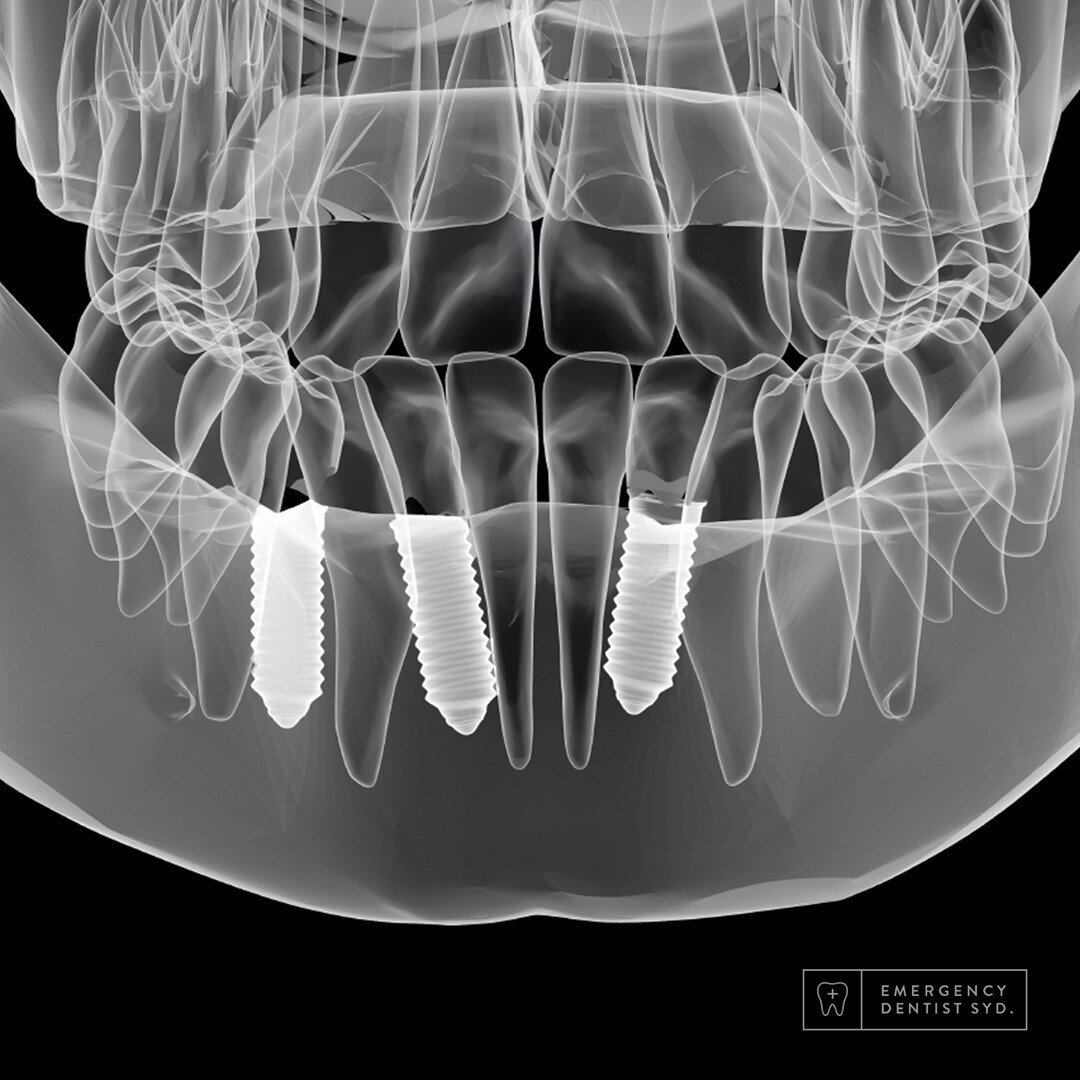
What you might not know is that if an adult tooth is intact it can often be saved if action is taken within the hour. So, in this situation, getting yourself - and that tooth - off to the dentist as soon as possible is a must. If the tooth can be re-implanted and it 'takes' you may still need a root canal later but at least you'll still have your natural tooth. And if it can't, it's not the end of the world as your emergency dentist can help get the process of getting an implant or dental bridge to replace it started.
A Painful Chipped Tooth
It's all too easy to chip a tooth. Bite into something a little too hard - a very cold ice lolly, a hard piece of crackling, a very crisp apple - and a piece of your tooth may suddenly be gone.
A small chip doesn't always have to be treated after hours but if there is pain present, discomfort or distress from the appearance of the tooth, it should be treated as soon as possible. As a solution there are a few options depending on the damage. Dental composites (bonding), crowns, porcelain veneers and fillings can all be used to treat a chipped tooth.
Abscesses

Traditional and laser root canal treatment.
Some of the most severe toothache people experience is not actually cause by their teeth at all, but by an abscess, either in the gum or the pulpal (soft) matter in a tooth's root. Pain aside - and the pain can be truly excruciating - these abscesses are often infected, and so treating them immediately is a must. The underlying cause of the abscess - gum disease, tooth necrosis - will probably call for additional treatments but an emergency dentist can begin the diagnosis process and get you on the antibiotics that will treat infection and begin killing that terrible pain.
These are just a few of the conditions that warrant a speedy visit to an emergency dentist, there are more. Although not all oral health emergencies can be solved overnight, the faster you get help, the better, a great reason to make sure that you add the number of an emergency dentist to that list of important numbers in your phone (or on your fridge).
The Emergency Dentist Says:
The faster you get help for your oral health emergency the better the outcome is likely to be. And if you're not sure if yours is a real emergency give us a call and we'll help you figure it out.

What You Need to Know About Temporomandibular Joint Disorder (TMJ)
If you suffer from facial pain, jaw pain, migraines or even the occasional 'jaw lock’ then you may have had it suggested to you that you are suffering from TMJ...
TMD 101: What You Need to Know About Temporomandibular Joint Disorder (TMJ)
If you suffer from facial pain, jaw pain, migraines or even the occasional 'jaw lock’ then you may have had it suggested to you that you are suffering from TMJ. Or TMD. But the question is which one might it be and what are these conditions anyway?
MJ vs. TMD - Which is Correct?
When various people discuss the symptoms we just described above, they might use the terms TMJ and TMD interchangeably. In fact that happens quite often, but it's actually a mistake, as they are two different things.
TMJ is the abbreviation for temporomandibular joint, the hinge joint that connects the lower jaw to the temporal bone of the skull and it's located right in front of your ear. TMD on the other hand, stands for temporomandibular joint disorder, a blanket term for the problems with the joint a person might develop. So TMD is the correct term, but if you are suffering then the chances are that you really don't care too much about all of this, you just want to know why you are in pain and how to make it stop!
TMD Causes and Symptoms
TMD symptoms vary from person to person, as does their severity. Some of them - facial pain, pain when 'opening up wide', a 'tired' feeling in your face and especially a jaw that 'locks - are all symptoms that can be fairly easily recognised as TMD. Others -like toothaches, headaches, facial swelling, dizziness and hearing problems - can have a number of other causes as well, so are not immediately connected to TMD .
If you are diagnosed with TMD, just what might have caused it? Traumatic injury can do it, as can a habit of grinding your teeth. In some, osteoarthritis or rheumatoid arthritis may be at work and stress can even be a trigger for TMD as those who are 'stressed out' do develop a tendency to over-tighten their facial and jaw muscles and clench their teeth, putting undue pressure on the temporomandibular joint.

Treating TMD
The obvious first step in the successful treatment of TMD for anyone is a proper diagnosis. While you may have diagnosed yourself while consulting with Dr. Google, only a dentist familiar with TMD can tell you for sure.
Once a diagnosis is made, many experts prefer to follow a conservative course of treatment initially. This is because after a patient has been educated about some simple habit and lifestyle changes - things like avoiding very hard foods, relieving pain with icepacks, changing sleeping habits etc. - the condition improves on its own. However, for those not so lucky other treatments, including medications, splints, acupuncture and even surgery, are indicated.
The Locked Jaw Emergency
For most people who suffer from TMD is painful, it’s annoying and can be rather limiting, but they can, for the most part, live with the problem as their treatments begin to take effect. However, if their TMD leads to a locked jaw it's a bit of a different story. It's very scary when you just can't open your mouth and it's hugely uncomfortable - and often painful - too. In this situation waiting until Monday, or even until the morning, to get help really isn't an option. This is one of those times when it's best to seek immediate care from an emergency dentist who will be able to start working on 'unlocking' that troublesome jaw right away.

The #EmergencyDentist Says
Whether you have already been diagnosed with TMD or you just suspect that it may be causing your symptoms, a locked jaw is a problem that needs to be addressed right away, even if a less than helpful pal thinks it's rather funny (or cool) that you suddenly can't even utter a word!
NEED ADVICE OR EMERGENCY DENTAL CARE IN SYDNEY CBD?
Contact our friendly team


How Much Does a Wisdom Tooth Extraction Cost?
At The Emergency Dentist Sydney we are pretty used to dealing with wisdom teeth and the trouble they can cause...
Wisdom Tooth Extractions Costs Vary: Here's Why

At The Emergency Dentist Sydney we are pretty used to dealing with wisdom teeth and the trouble they can cause. That is not always the case for the patients experiencing those problems, folks who are usually in pain, frustrated and worried, often about the costs of the treatment they might need as much as they are about the pain they're in.
Unfortunately, as helpful as we like to try and be at all times, one of the questions we really can't answer right away is what the treatment for a patient's unique wisdom tooth issues might cost, as every case is different. We can however explain why those costs might vary. Here's a look at some of the factors involved:
The Type of Procedure You Need
There is no one-size-fits-all procedure for wisdom tooth extraction. For some people it can be a pretty straightforward affair, one not too different from a standard extraction. For others though, patients who might be dealing with a severe infection or an odd angled impaction, the treatment involved is usually more complex. And yes, complex costs more.
The Type of Surgeon You Need
In dentistry, just like in standard medicine, different dental surgeons do different things. When it comes to extracting a wisdom tooth, complications can arise that call for a specialist surgeon, usually because wisdom teeth, as a part of their often very pesky nature, will sometimes locate themselves in a very sensitive area of the jawline, one where important nerves could be damaged if someone did not know exactly what they were doing. Obviously if a specialist is called in the pricing will increase, but in reality be worth every penny as a botched job on a wisdom tooth is something no-one should ever have to deal with.
The 'Little' Things
Before getting to the actual extraction of a wisdom tooth, there's usually work to be done. Dentists need x-rays - or sometimes even CT scans - so that they know exactly what is going on where. They also need to talk anaesthesia with a patient. Some of the simpler extractions can be performed very successfully under a local anaesthetic but for the more complex stuff even the bravest, toughest of patients are going to need to be knocked out, aka treated under general anaesthesia, once again hiking the final costs.
The #EmergencyDentist Says:

Fear of costs should never be a reason to leave a painful or infected wisdom tooth untreated. At The Emergency Dentist Sydney we keep our rates as reasonable as possible and won't charge for 'bells and whistles' you don't need. Another reason to get treated as soon as a wisdom tooth problem rears its ugly head? The whole think is likely to be easier - and cheaper - than it would be if you suffer on for weeks until you can't take any more!

What Advice Would You Give Your Younger Self?
When it comes to dental care and oral hygiene we know now how important it is to begin good habits from a young age...
What Advice Would You Give Your Younger Self?

At the Emergency Dentist Sydney we got to talking about our habits as children and what we might say to our younger selves. When it comes to dental care and oral hygiene we know now how important it is to begin good habits from a young age. Not everyone is knowledgable on the effects of poor oral hygiene on quality of life in your later years.
Toothache or pain and loss of teeth, resulting in the inability to chew comfortably can lead to malnutrition, weight loss, weakening of the immune system and infection. As we age we notice the obvious stuff like wrinkles and hair loss but we may not be as aware of changes in our teeth and mouths.
We asked ourselves the question, what advice would you give your younger self about oral hygiene and dental care? These are our top responses:
- Don’t smoke, if you do, stop, yuk!
- Stick to the food pyramid when it comes to eating. Eat a variety of food, eat food which is full of vitamins, minerals and fibres and get lots of variety where you can.
- Visit a dentists regularly for checkups, no excuses.
- Learn how to floss properly and do it daily.
- Brush twice daily, regardless of how tired you are at night or how busy you are in the morning.
- Rinse your mouth with water during the day when you’ve eaten processed foods, sweet foods or foods and drinks that can stain the teeth.
- Don’t put off dental problems. If you have concerns make sure you see your Dentist and avoid long-term complications.
You may think it doesn’t really matter, you can just get dentures, veneers, browns or crewed in teeth when you’re older, but this comes at some loss to your long term health.
Well looked after teeth are a reflection of your general health. Retaining your real teeth means better health long term. The American Journal of Public Health reports that ‘chewing with removable dentures is at least 30 to 40 percent less efficient than chewing with natural teeth. Persons with extensive or complete tooth loss are more likely to substitute easier-to chew foods such as those rich in saturated fast and cholesterol for foods high in carotenes, vitamin C and fibre’. Poorly looked after gums also comes with an array of long term side effects.
These are a few of the more common side effects of poor oral health:
- Loss. To the structure of your jaw and face.
- Cardiovascular Disease. Bacteria from inflamed mums and periodontal disease can enter your bloodstream and travel to your arteries in the heart. This can then cause such things as heart attack or stroke resulting in an endocarditis or myocarditis.
- Dementia. Bacteria from gingivitis may enter the brain and can lead to the development of Alzheimer’s disease.
- Respiratory Infections. The Journal of Periodontology warns gum disease can cause infections in your lungs, including pneumonia. This isn’t always an instant infection but, imagine breathing in bacteria over time from infected teeth and gums.
- Diabetic Complications. Poor oral hygiene can make it harder to control your blood sugar. This can increase the symptoms of diabetes and make them worse.
The #EmergencyDentist Says:
The the beauty of hindsight means we can see how things could be. With the knowledge of what can very well happen, we think sticking to these 7 tips will keep your oral health and your general health kicking strong in to the future.
Patient Care First

Keep Up-To-Date with All Things Oral & General Health
RECENT ARTICLES


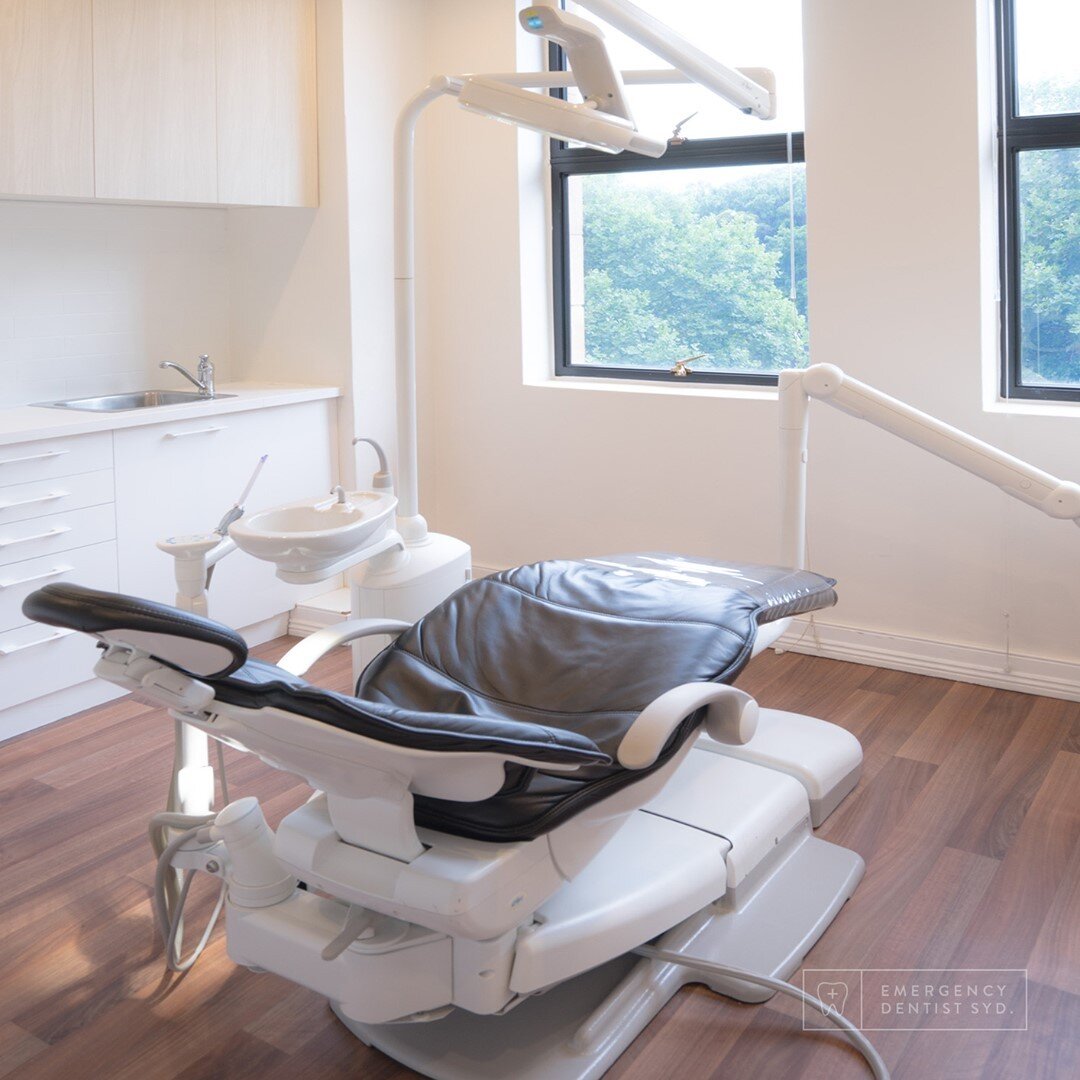





For 15 years, we've had one mission - when Sydney has a dental emergency, Emergency Dentist Sydney is there
We're proud to celebrate 15 years of providing emergency dental services to Sydney CBD and surrounding suburbs.