

How to handle common dental emergencies
How to Handle Common Dental Emergencies
Learn what to do when a dental emergency strikes. From your immediate response to dental help, following the right steps is important. Find out what they are.
how to handle Common Dental Emergencies before visiting the dentist
Dental emergencies can strike unexpectedly, causing pain and distress. Knowing how to respond promptly can make all the difference in preserving your oral health.
In this comprehensive guide, we’ll explore common dental emergencies, step-by-step actions to take, and the importance of seeking professional help.
What is a Dental Emergency?
A dental emergency is any sudden or unexpected oral health issue that requires immediate attention. These situations may include:
Toothache Troubles: A sudden toothache disrupts your daily routine. Causes can range from decay to infection or a cracked tooth. If you experience a toothache, rinse your mouth with warm water and use dental floss to remove lodged food particles. If the pain persists, consult your dentist.
Dealing with Knocked-Out Teeth: Accidents happen, and a knocked-out tooth is common. If this occurs, hold the tooth by the crown, rinse it gently, and try to reinsert it into the socket. If that’s not possible, place it in a container of milk and seek immediate dental attention.
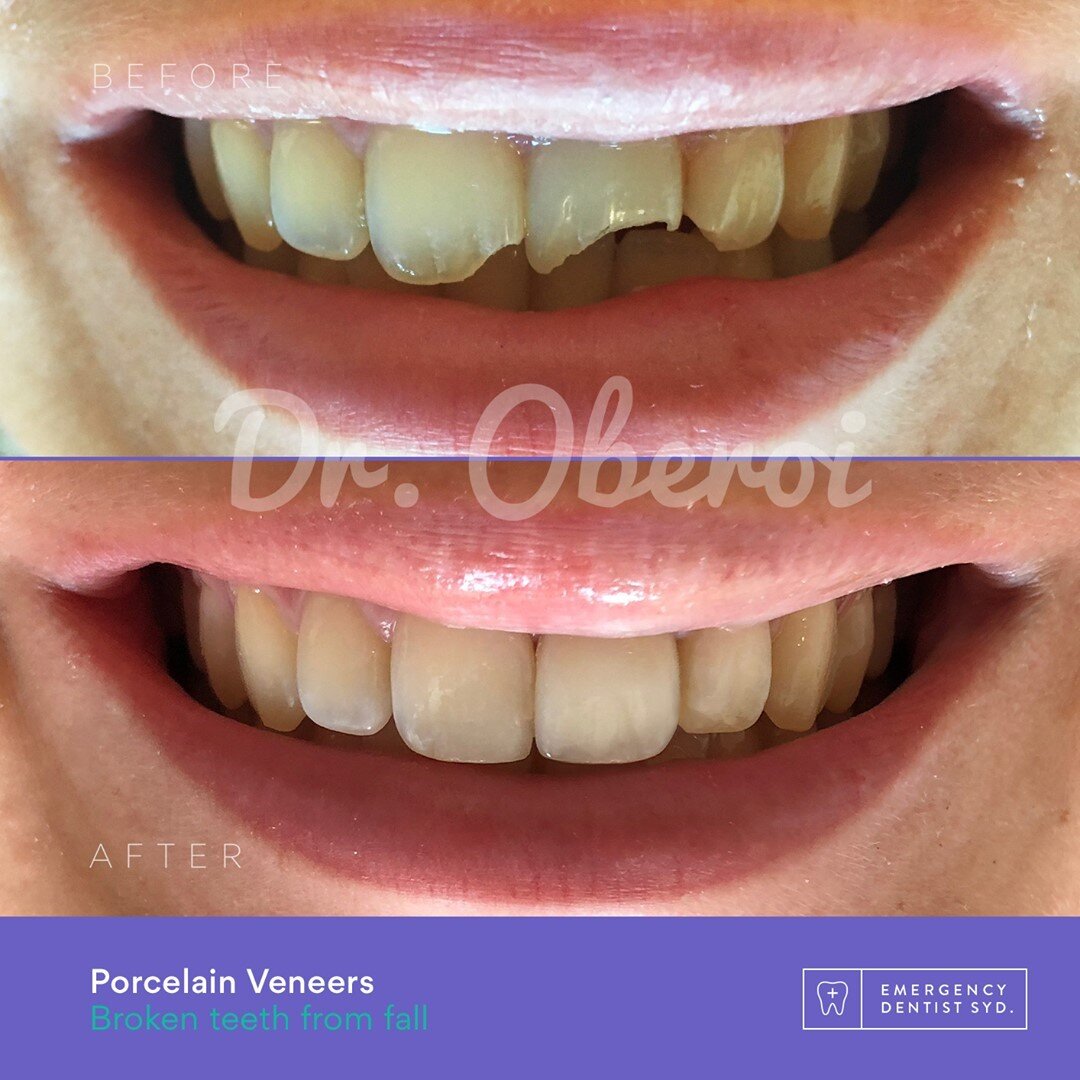
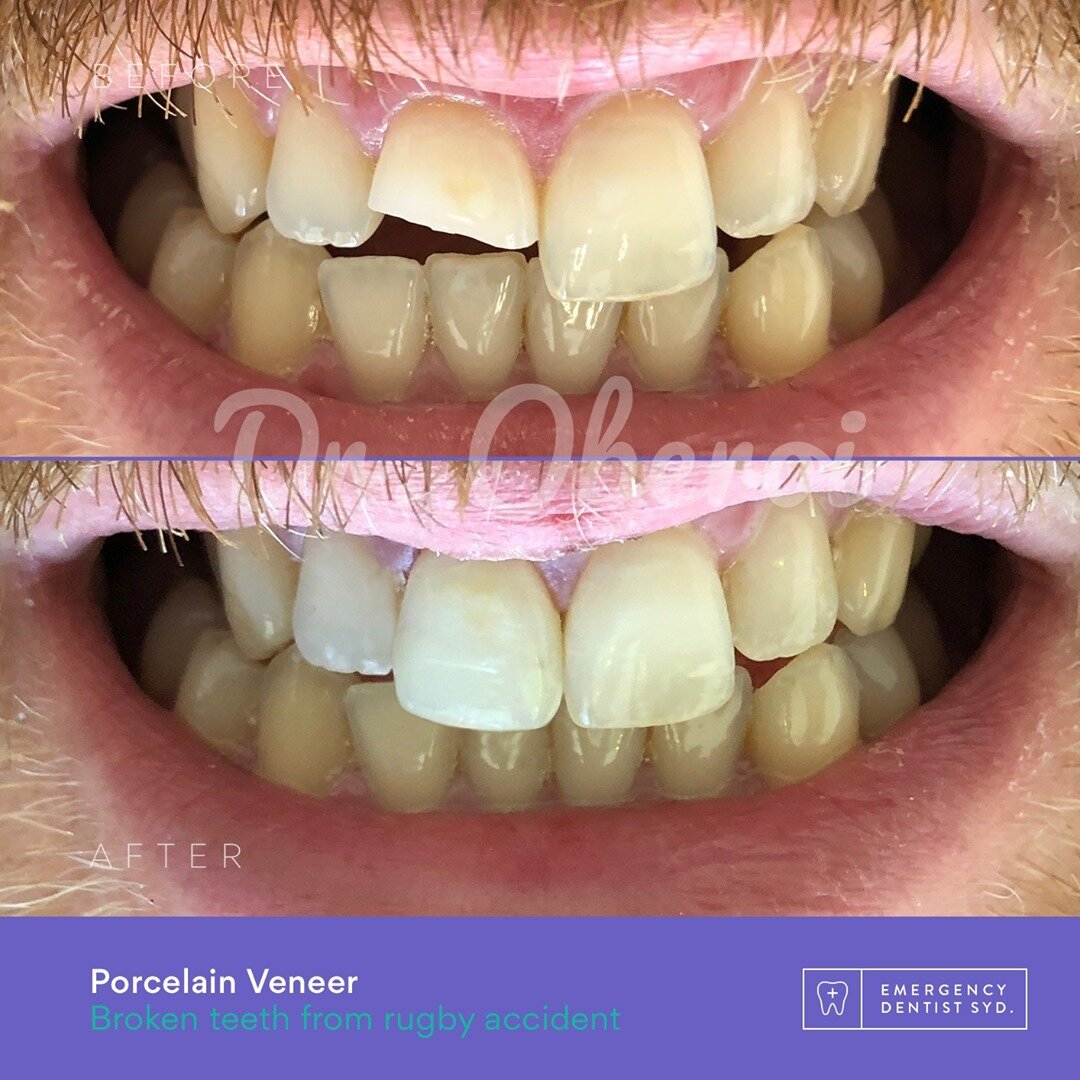
Broken or Chipped Teeth: A fall, blow to the face, or biting into something hard can lead to broken or chipped teeth. Rinse your mouth with warm water, apply a cold compress to reduce swelling, and see your dentist promptly for repair options.
Immediate First Aid for Dental Emergencies
When faced with a dental emergency, follow these steps for immediate relief:
Pain Management:
Take over-the-counter pain relievers like ibuprofen to alleviate discomfort.
Avoid placing aspirin directly on the affected area to prevent gum irritation.
Controlling Bleeding:
If bleeding occurs, use a clean cloth or gauze to apply gentle pressure to the area.
This helps control bleeding until you reach your dentist for professional care.
Maintaining Oral Health
Regular Dental Checkups:
Prevention is key. Schedule regular dental checkups to identify potential issues before they become emergencies.
Early detection saves you unnecessary pain and discomfort.
Oral Hygiene Practices:
Brush and floss regularly to prevent common dental problems.
Use fluoride toothpaste and replace your toothbrush every three to four months for optimal oral health.

Consequences of Leaving Dental Emergencies Untreated
Leaving a dental emergency untreated can have serious repercussions:
Infection Spread: An untreated infection can lead to an abscess, causing damage to surrounding tissue and teeth. In severe cases, it may become life-threatening.
Tooth Loss: Delayed treatment may result in tooth loss, affecting your smile and overall oral health.
Chronic Pain: Ignoring dental emergencies can lead to persistent pain and discomfort.
Common Treatment Options for Dental Emergencies
Restorative Dentistry:
Broken or cracked teeth can be restored with dental crowns or veneers.
Root Canal Therapy:
Severe toothaches and abscesses may require root canal therapy to remove infected tissue and save the tooth.
Tooth Extraction:
In some cases, a severely damaged tooth may need extraction to prevent further infection and pain.
Soft Tissue Repair:
Bitten tongue, lip, or cheek injuries can be managed with proper care and pain relief.
Remember, while first aid provides temporary relief, seeking professional dental help is crucial. Dentists address underlying issues and provide long-term solutions to prevent future emergencies. Don’t hesitate to contact Emergency Dentist Sydney for expert care and peace of mind.
NEED ADVICE OR EMERGENCY DENTAL CARE IN SYDNEY CBD?
Contact our friendly team


Learn When to Get Emergency Root Canal
Learn When to Get Emergency Root Canal
The faster you can react when facing a health problem the better, and this is no different for oral health. Learn when to get an emergency root canal here.
Can Root Canal Therapy Be Done in Dental Emergencies?
When dental emergencies strike, the pain and urgency can be overwhelming. From severe toothaches to traumatic injuries, the need for immediate dental care becomes paramount.
Among the various treatments available, root canal therapy is a critical procedure for addressing infections and saving teeth from extraction. But is an emergency root canal a worthy solution when disaster strikes? Let's delve into this question to understand the role of root canal therapy in emergency dental care.
Understanding Root Canal Therapy
Root canal therapy, often referred to as endodontic treatment, is a procedure aimed at saving a severely infected or damaged tooth. It involves removing the infected pulp tissue from within the tooth, cleaning and disinfecting the root canals, and then sealing them to prevent further infection.
Common reasons why Emergency root canal therapy might be necessary include:
Deep decay that has reached the pulp of the tooth.
Trauma or injury to the tooth that has caused damage to the pulp.
Infection or abscess at the root of the tooth.
The procedure is typically performed by an endodontist or a general dentist with specialised training in endodontics.
Emergency Dental Situations
Dental emergencies encompass a wide range of urgent dental issues that require immediate attention. Some of the common dental emergencies include:
Severe toothache or dental pain.
Trauma or injury to the teeth or jaw.
Swelling or abscess in the mouth.
Loose or knocked-out teeth.
In many cases, these emergencies involve conditions that might necessitate root canal therapy to alleviate pain, treat infection, and preserve the affected tooth.
Can Root Canal Therapy Be Done in Dental Emergencies?
The short answer is yes, root canal therapy can indeed be performed during dental emergencies. In fact, it often serves as a crucial intervention to address acute dental problems and provide relief to patients experiencing severe pain or discomfort.

Here's why root canal therapy is a viable option in dental emergencies
Pain Relief: Dental emergencies often involve intense pain, which can be caused by infection or inflammation of the dental pulp. Root canal therapy targets the source of the pain by removing the infected tissue, thereby offering prompt relief to the patient.
Infection Control: Untreated dental infections can spread rapidly and lead to serious complications, including systemic infections and abscess formation. Root canal therapy effectively removes the infected pulp and disinfects the root canal system, halting the spread of infection and promoting healing.
Tooth Preservation: In many cases, the alternative to root canal therapy is tooth extraction. However, preserving natural teeth is always preferable whenever possible. Root canal therapy allows the dentist to save the natural tooth structure, maintaining oral function and aesthetics in the long term.
Immediate Intervention: Dental emergencies demand swift action to address the underlying issues and alleviate the patient's distress. Root canal therapy can often be performed during the emergency visit, providing timely treatment and preventing the escalation of dental problems.
Comprehensive Care: Emergency dental practices, such as Emergency Dentist Sydney, are equipped to handle a wide range of dental emergencies, including those requiring root canal therapy. They have the necessary expertise, equipment, and resources to perform the procedure efficiently and effectively.
Root canal therapy plays a vital role in emergency dental care, offering a reliable solution for addressing severe infections, relieving pain, and preserving natural teeth.
When faced with a dental emergency involving tooth infection or trauma, seeking prompt treatment from a qualified emergency dentist is crucial. With timely intervention, root canal therapy can help patients regain comfort, functionality, and peace of mind amidst dental crises.
Remember, if you're experiencing a dental emergency, don't hesitate to contact Emergency Dentist Sydney or your nearest emergency dental clinic for immediate assistance. Your oral health and well-being are paramount, and timely intervention can make all the difference in preserving your smile.
NEED ADVICE OR EMERGENCY DENTAL CARE IN SYDNEY CBD?
Contact our friendly team

Can I ignore a cracked tooth?
Can I ignore a cracked tooth?
Do you grind your teeth? Do you already have a cracked tooth? This article could save you a tooth or two. Learn what to do if you have a cracked tooth here.
The Dilemma of a Cracked Tooth: To Ignore or Not to Ignore?
A cracked tooth might seem like a minor inconvenience, but it could signal underlying issues that, if left unaddressed, could lead to significant complications. Understanding the causes, potential risks, and available remedies is crucial for maintaining oral health.
Causes Behind a Cracked Tooth
Various factors contribute to a cracked tooth, including unexpected trauma, biting down on hard substances, bruxism (teeth grinding), or even simple temperature changes causing contractions within the tooth structure.
Some of the most common causes include biting into hard candy, opening bottles with your teeth, biting popcorn kernels and even biting items such as plum or olive seeds by accident. Each of these can easily cause a tooth to crack.
Solutions for a Cracked Tooth
When faced with a cracked tooth, seeking urgent dental care is crucial. The approach to fixing a cracked tooth depends on the extent of damage and its location within the tooth structure. There are 4 main solutions, which we discuss in depth below:
Dental Bonding: Repairing Minor Cracks
Dental bonding involves applying a tooth-coloured resin material to the affected tooth. This method effectively repairs minor cracks and chips, restoring the tooth's functionality and appearance.
Dental Crown: Protecting and Restoring
For more substantial damage, a dental crown might be necessary. This involves placing a cap over the damaged tooth, protecting it from further harm while restoring its strength and aesthetics.
Root Canal Treatment: Addressing Deeper Damage
In cases where the crack extends deeper into the tooth, affecting the pulp, a root canal might be recommended. This procedure involves removing the damaged pulp, cleaning the area, and sealing it to prevent infection, thus preserving the tooth's integrity.
Tooth Extraction: A Last Resort
In severe instances where the tooth is extensively damaged and cannot be salvaged, extraction becomes the last resort. While not the ideal scenario, it eliminates the risk of infection spreading and allows for potential replacement options like implants or bridges.

Risks Associated with Neglecting a Damaged Tooth
Ignoring a cracked tooth can lead to various complications, including heightened sensitivity, pain, an increased risk of infection, and potential tooth loss. Delaying treatment might escalate the problem, making it more challenging and costlier to address later.
Preventing a Cracked Tooth
As mentioned, prompt action is crucial when dealing with a cracked tooth. Even seemingly minor cracks can worsen over time if left untreated, potentially leading to more extensive procedures or tooth loss.
Taking preventive measures, such as avoiding hard substances and using a mouthguard if you grind your teeth, significantly reduces the risk of developing a cracked tooth.
Need help with a cracked tooth?
A cracked tooth demands attention and timely intervention. Now you understand the causes, available treatments, and risks associated with neglecting a damaged tooth, you will be more capable of making appropriate decisions about your own oral health.
Remember, consulting a dental professional is imperative for proper assessment and tailored treatment, ensuring the preservation of your beautiful smile and overall dental well-being. Don't wait; prioritise your oral health to prevent minor cracks from turning into major problems.
The team at Emergency Dentist Sydney are here to help, no matter what day or time. We work around the clock for you.
NEED ADVICE OR EMERGENCY DENTAL CARE IN SYDNEY CBD?
Contact our friendly team

How does root canal work?
Root Canal to the rescue
If you're experiencing sudden tooth discomfort then there's a chance your tooth pulp could be damaged/infected and you could require Root Canal to fix the issue. But how does Root Canal work? Find out here.
Root Canal To The Rescue
Root canal is a common dental procedure that is performed to remove infected or damaged pulp from the inside of a tooth. The pulp is a soft tissue in the centre of a tooth that contains nerves and blood vessels. When the pulp becomes infected or damaged, it can cause pain, swelling, and even tooth loss if left untreated. Root canal therapy removes the infected or damaged pulp and saves the tooth.
While root canal therapy may have a reputation for being painful and scary, in actual fact, it's actually a pretty cool procedure that can save your tooth from certain doom! In this blog, we're going to take a closer look at root canal therapy and explain why it's not as bad as you may have heard.
What is root canal?
Root canal is a highly effective procedure that can prevent the need for more extensive and expensive dental treatments in the future. If you are experiencing pain or other symptoms associated with an infected or damaged tooth, it is important to seek treatment as soon as possible.
So, what exactly is a root canal? It's a procedure where your dentist removes the damaged or infected pulp (the soft tissue inside your tooth that contains nerves and blood vessels) and replaces it with a material known as ‘Gutta Percha’ which can save your tooth. It's like getting a second chance at a healthy, functioning tooth!
Whenever possible, your dental professional will always recommend that you go for root canal as opposed to extracting the tooth and replacing it with an artificial solution such as a dental implant. Root canal is far less intrusive and can last a much longer time than anything artificial is likely to.
How much does root canal cost?
The cost of a root canal in Sydney can vary, but on average it ranges from $1,800 to $2,500 for a front tooth and $1,800 to $4,000 for a molar. The exact cost will depend on the location of the tooth being treated, the extent of the damage or infection, and the dentist's fees.
If you have dental insurance, then this may cover some (or all) of the cost of a root canal, but this will depend on your specific plan and coverage. Before taking on a new insurance plan, always remember to find out what is covered and to get an estimate of your out-of-pocket expenses.
It is also important to remember that neglecting a damaged or infected tooth can lead to more serious and costly problems in the future, so it is generally a good investment to get the necessary treatment.
If you suddenly find yourself experiencing prolonged pain then make sure to always seek out a dentist as quickly as possible. Like with any health-related concern, the quicker you react to an issue, the more likely it is to get fixed successfully. The Emergency Dentist Sydney team are always ready for a call, night or day.

how root canal works:
Anesthesia: First things first, your dentist will numb the area around the tooth to reduce any discomfort during the procedure. You may feel a bit of a tingle, but it's nothing to worry about.
Accessing the pulp: Your dentist will then make a small opening in the top of the tooth to access the pulp. This is where the magic happens!
Cleaning and shaping the canal: Using tiny instruments, your dentist will remove the damaged or infected pulp from the canal. (This part is a bit like cleaning out a clogged drain - but instead of hair and gunk, it's damaged pulp). They will then shape the canal to prepare it for filling.
Filling the canal: Once the canal is cleaned, your dentist will fill it with a rubber-like material called gutta-percha to prevent bacteria from entering the tooth. (This step is like putting a plug in the drain to keep it from clogging up again).
Sealing the tooth: Your dentist will then place a temporary filling in the opening and send you to another appointment where a permanent crown or filling will be placed to protect your tooth. (like putting a lid on a jar to keep the contents safe and secure).
So there you have it - that's how root canal therapy works! And despite its reputation, it's actually not that bad. You may experience some discomfort and sensitivity after the procedure, but over-the-counter pain relievers can help manage any pain. And the best part? Your saved tooth can last a lifetime with proper care and maintenance.

How effective is root canal?
While root canal therapy is highly effective with a first-time success rate of over 95%, the effectiveness of root canal therapy depends on the extent of the damage or infection, the health of the surrounding teeth and gums, and the patient's compliance with aftercare instructions.
Dental professionals today have access to advanced technology and training, meaning that root canal therapy can be performed to the highest standards. This is why it is important to choose a dentist with a high level of expertise. The better the dentist and equipment used, the higher the chance of success and the longer your saved tooth will last.
Today, due to advances in technology, rather than using a traditional drill to perform root canal therapy, a laser can be used instead. According to Paramount Dental Sydney: “Making use of a laser, instead of a drill, really does make a difference. The laser can 'boil away' the damaged tissue with far greater accuracy and speed and the tooth is left considerably cleaner”. You can find out more laser root canal vs traditional root canal here.
Is Root Canal right for me?
In conclusion, root canal therapy is an extremely common and highly effective procedure that can ultimately save your tooth. The next time you hear someone say "root canal", remember that it's really not very scary at all!
If you are experiencing symptoms associated with an infected or damaged tooth, it is important to seek treatment from a dentist as soon as possible.
Need Advice Or Emergency Dental Care In Sydney CBD?
Contact our friendly team

Why Do Some Root Canal Treatments Fail?
And Why It Isn’t Your Dentist’s Fault
And Why It Isn’t Your Dentist’s Fault
Root canals aren’t usually people’s favourite procedures. If you have to have one, it means that you’ve probably been in pain or discomfort for a while and have made a trip to an after hours dentist. After all that trouble, you probably think that the root canal should solve everything. But sometimes, your problems will continue after the root canal, meaning that you have to get further treatments. If this happens to you, then you need to know why it happens and why it isn’t always your dentist’s fault.
Why Do You Need a Root Canal?
In basic terms, people need a root canal when the pulp or inside of their tooth has become infected. During a root canal, the nerve and pulp inside your tooth are cleared out and the area is sealed so that bacteria can’t get in there again. To complete the procedure, your dentist will usually put a crown over the top of the tooth to increase its strength and repair its appearance. This procedure usually alleviates any pain immediately because the nerve, the part of your tooth that registers pain, is gone. And once the area has healed, you will be able to go back to your normal eating routine and probably won’t even notice that you ever had the procedure done.
If you have an infected tooth, your dentist will usually try to treat the infection with antibiotics first. However, if the infection has gone too far, if it threatens the health of surrounding tissue, it’s usually better to perform a root canal. Otherwise it can cause problems such as abscesses or pain and infection in other parts of the face and even in the rest of the body.
Some causes of tooth pulp infection include:
A cavity that has been left too long.
A crack or chip that hasn’t been repaired and has let bacteria into the centre of the tooth.
Repeated procedures on a tooth.
Gum infections that have been left untreated and infected a tooth.
Face traumas.
What if the Root Canal Doesn’t Work?
Most people who get a root canal go back to their normal lives without any further problems. In fact, between 90 and 95 percent of root canals are completely successful. However, there are a small percentage of people who aren’t so lucky.
There can be a number of reasons why a root canal may fail. And the first and most common is related to the original infection. As Doctor Oberoi from Emergency Dentist Sydney says about root canals, “If they haven’t been done properly in the first place and the infection is still there they can fail.” That’s why you need to make sure that your root canal is done by a properly qualified and experienced after hours dentist.
Another reason why a root canal may fail has to do with the condition of the tooth itself. Doctor Oberoi points out, “…if there’s a crack in the tooth then it can affect the root canal. That’s why we usually recommend putting a crown over the tooth.”
A root canal may also fail if it isn’t taken care of after the procedure. You need to make sure that you follow your dentist’s instructions closely when it comes to after care. Otherwise the gum or surrounding teeth could become infected, resulting in more dental work.
Emergency Dentist Sydney Says:
If you need a root canal or any other emergency procedure, contact our Emergency Dentist in Sydney. Our caring and expert staff are available 24 hours a day to help you with all your emergency dental needs.

What to Do If You Need an Emergency Root Canal
From an Experienced Emergency Dentist
From An Experienced Emergency Dentist
If you suddenly experience a severe toothache late at night or on the weekends it’s important that you know what to do. It may be tempting to just call the closest dentist to get help, but that could end up causing more problems than it solves. An emergency root canal can be a complicated procedure. That’s why you need to make sure that the after hours dentist you see is appropriately experienced and trained in this procedure.
What is a Root Canal?

A root canal is a very common procedure that’s performed when a tooth becomes infected because of decay or poor oral health. The infection can cause the tissue inside the tooth to become diseased and damaged. If it isn’t treated at this stage, then the tooth will have to be extracted and the infection can also spread, causing problems with other teeth and with the rest of the mouth.
This can come on quite suddenly. You may have a tooth that bothers you a little for a while, and then suddenly one night you’re in a lot of pain and looking for an after hours dentist. But this is where you need to be careful. Although root canals are common, that doesn’t mean that you should just see the first dentist who answers the phone. As Dr. Oberoi from Emergency Dentists Sydney says, “A root canal is a complex procedure so it’s important that the staff are trained properly so that patients get the best treatment.”
It’s fairly easy for something to go wrong during this procedure, or for infected tissue to be missed, which can affect the outcome and lead to a tooth extraction. So if you want to avoid complications, you need to make sure that your after hours dentist is appropriately experienced and trained in the procedure.
Emergency Dentist Sydney

If you suddenly need an emergency root canal late at night or on the weekend, you need to know that you’re in good hands. As Dr. Oberoi states, “Patients are nervous and have limited choice in who they see out of hours, so they need to know that their dentist can do the job properly.”
The staff at Emergency Dentist Sydney have been focussed on emergency procedures for many years and have performed literally thousands of root canals. They have experience in almost every type of dental emergency imaginable, from toothaches to broken teeth and problems with fixtures such as crowns and veneers. So no matter what’s happened to your teeth, you can get the help you need from our 24 hour dentist whenever you need it most.
Emergency Dentist Sydney Says:
So if you have a toothache after office hours, make sure you contact our Emergency Dentist in Sydney. Our caring and expert staff are available now to take care of all your emergency dental needs.

Laser Root Canal Treatment
Why It's the Best Option for Your Oral Health
Why It's the Best Option for Your Oral Health
The root canal is a very old dental treatment and it’s something that most people try to avoid. In the old days, this treatment was frightening and painful and people only agreed to it when there was absolutely no other option. But this has all changed with the invention of laser dentistry. Keep reading to learn all about the benefits of laser root canal treatments and how it can make visits to your after hours dentist much easier.
What is Laser Dentistry?

Laser dentistry uses focused beams of light to clear away and reshape tissue in the mouth and this can be used in a range of dental procedures including root canals. During a root canal, your dentist will use the laser to open a hole in your tooth and clear out the diseased tissue. The laser can also be used to shape and prepare the canal so it can be filled. This new root canal procedure has a number of benefits over the old one, where dentists used a drill to open the tooth. So if you have a toothache late at night and worry about going to your after hours dentist for a root canal, make sure you talk to them about laser procedures.
The Benefits of Laser Root Canal Treatment
When dentists started adopting the use of lasers in their procedures, it was a great step forward for dentistry as a whole. Here are some of the benefits of using a laser during root canal treatments specifically, though many of them apply to other procedures as well:
Faster procedures
During old root canal procedures, a drill was used to cut through the tooth and then the dentist manually removed the damaged tissue within the tooth. This was usually a very slow process. But performing these tasks using a laser is much faster, with the whole procedure usually taking less than 30 minutes from start to end.
Less bleeding and damage
Lasers are much more precise than drills, which means there are less damage and bleeding. So after you have a laser root canal, your recovery time will usually be much shorter than with the older procedure.
Fewer infections
Because lasers are so precise, they ensure that all the diseased tissue is removed from within the tooth. This cuts down on the rate of infection after the procedure, which ensures a better outcome.
Healthy tissue is better protected

One of the problems with the old root canal surgery was the fact that healthy tissue around the affected tooth was sometimes damaged by the drill or by other instruments. But because the laser is so precise, this is much less likely to happen during the new procedure.
The drill isn’t always necessary
One of the worst things about root canals is the sound of the drill as it opens up your tooth. But because of the laser, most dentists don’t use a drill at all during a root canal these days. And if it is still necessary, it will be for a much shorter time.
Better outcomes
All the benefits of laser root canals add up to one thing, better outcomes. If a root canal doesn’t work, it usually means that the tooth has to be extracted. But because this procedure is so effective, this is much less common these days as long as the new procedure is used.
Pain-free procedures
Your dentist will completely numb the tooth and the surrounding area during the laser root canal, so there shouldn’t be any pain during the procedure. However, most patients report that they experience much less pain after a laser root canal than with the old version of the procedure. And that’s probably the best benefit of this new way of doing the procedure.
So the next time you need to have a root canal, talk to your dentist about whether a laser procedure is right for you.
Emergency Dentist Sydney Says:
And if you have a toothache after office hours, make sure you contact our Emergency Dentist in Sydney. Our caring and expert staff are available now to take care of all your emergency dental needs.

Our Top 5 Emergency Treatments
The Biggest Threats to Your Oral Health After Hours
The Biggest Threats to Your Oral Health After Hours

If you have a problem with your teeth at night or on the weekends, you’ll probably need to see our after-hours dentist. This is more common than you think. It’s normal to want to avoid thinking about a niggling pain in your tooth for as long as possible. But unfortunately, this means that it can flare up just at the wrong time. When this happens you’ll need to see a dentist as soon as possible. At our Emergency Dentist in Sydney, we see all sorts of dental problems after hours, but there are some that are more common than others. To learn about these procedures, and their treatments, keep reading.
1. Extractions
If you have a tooth that’s too damaged to fix then you may need an extraction. This type of damage is usually caused by injury or decay. During an extraction the affected tooth is removed from the socket bone. If the tooth is clearly visible in the mouth, your dentist will loosen it and then remove it with forceps. However, if the tooth is broken off below the gum line or hasn’t come through the gum then it will have to be removed surgically. This is a more complicated procedure during which the gum is opened up to remove the offending tooth.
2. Root Canal Treatment
If you have an infection or inflammation in a tooth then you may need a root canal. This is a very common reason for trips to the after-hours dentist and causes a great deal of pain and discomfort. Tooth infections happen by deep decay, a chip or crack in the tooth, or previous dental surgeries.
If you need to have a root canal your dentist will remove all the infected pulp from inside the tooth. The whole area will be cleaned and sterilised to remove all traces of the infection before a filling is inserted into the tooth to replace the tooth pulp. This procedure can save the affected tooth and help you avoid further surgeries.
3. Fillings & Dental Bonding
If you have a hole in your tooth because of decay, then you’ll probably need a filling. This is a very common procedure and an easy way to alleviate the pain that can occur with decay. During a filling procedure, your dentist will remove the damaged section of the tooth and replace it with a filling. A filling can be made of a number of different types of material depending on the size of the hole and its position in your mouth.
Another common emergency procedure is dental bonding. This is the cheapest and quickest way to improve the appearance of a damaged, broken or decayed tooth. The bonding material is attached to the surface of the tooth and vastly improves its appearance. During this procedure, your dentist will lightly abrade the surface of the affected tooth, apply a conditioning liquid and attach the resin. This is like plastic, so it can be moulded to fit the shape of your tooth. The material is smoothed and then hardened using an ultraviolet light.
4. Wisdom Teeth
Wisdom teeth usually grow in the late teens or early twenties. Unfortunately, not everyone has enough room in their mouth for these extra teeth. If this is the case for you, the new wisdom teeth can push other teeth out of the way or become impacted, causing infection and pain. This can come on quite suddenly and result in a trip to the after-hours dentist.
At the dentist, you will need to have an exam to determine what the problem is and what has to be done to alleviate it. If there isn’t enough room for your wisdom teeth, you will probably need to have them taken out. However, wisdom teeth can also cause pain in the gums and jaw when they’re coming through. So even if they hurt, you won’t necessarily have to have them removed. That’s why it’s important to get them checked so you can plan your next step.
5. Re-cementing of Crowns, Veneers & Bridges
Crowns, veneers and bridges are all used to replace missing or damaged teeth. Crowns are used to encase an entire tooth. They’re most often used when the tooth is decayed or damaged and improve the strength and the appearance of the tooth. Veneers cover the front side of the tooth, the part that faces outward, and improve the appearance of a damaged or broken tooth. And finally, a bridge is an artificial tooth that’s attached to surrounding teeth.
Despite the strength and durability of these dental additions, they can sometimes become damaged or loose. This can occur when the procedure is fairly recent and hasn’t completely set yet, because of injury, or while you’re eating something hard. If you lose a crown, veneer or bridge, your dentist will need to evaluate the area to see if the original addition can be re-applied. If not, you will have to decide what step to take next. If the dental addition can be reapplied your dentist will clean your mouth and the implant and reattach it.
Emergency Dentist Sydney Says:
If you have a toothache after office hours, make sure you contact our Emergency Dentist in Sydney. Our caring and expert staff are available now to take care of all your emergency dental needs.

Traditional Vs. Laser Root Canal Treatment
Why It's Better to Go High Tech
Why It's Better to Go High Tech
You may have heard of laser root canals and you may be a little scared but fear not, there is nothing strange or scary about laser treatments at all. In fact, using lasers in dentistry make treatments faster, more effective and a lot less uncomfortable. Have a read below for the advantages a laser root canal can offer over a traditional root canal procedure.
Why Would I need a Root Canal Anyway?
There are several reasons that your dentist might suggest a root canal. A tooth that has deep decay, has cracks or chips that have resulted in damage to the pulp of the tooth itself, or it may have suffered as a result of repeated dental procedures but is not totally beyond repair. The idea behind root canal treatment is to alleviate the pain associated with pulp damage and give the tooth a chance to heal before it is restored with a filling or a crown at a later date.
Laser Vs. Traditional
A traditional root canal makes use of a drill to create a tiny opening in the tooth to be treated. The inflamed/damaged pulp is then removed and the root within the tooth is cleansed and disinfected before the little hole is filled back up again with a rubber like solution.
A laser root canal follows basically the same procedure, but making use of a laser, instead of a drill, really does make a difference. The laser can 'boil away' the damaged tissue with far greater accuracy and the tooth is left considerably cleaner. There is also often less bleeding involved - a plus for anyone because no one really likes to see blood, especially if it's their own - and some patients who have had a root canal in the past they can compare the laser procedure to have reported that the pain and discomfort they experienced immediately after their dental surgery was noticeably less.
But are Lasers Really Safe?
Some people are a little afraid that an oral surgeon could slip up and the dental laser will cut their tooth. Lasers can indeed cut, but any dentist performing a laser root canal has been extensively trained in the procedure and is as skilled with their laser as they are with their drill.
Emergency Dentist Sydney Says:
We are happy to explain everything at great length and together make a decision on which treatment is best for you. Whether you prefer a laser or traditional root canal, we will provide you with the best possible experience.
Need Advice Or Emergency Dental Care In Sydney CBD?
Contact our friendly team
Patient Care First

Keep Up-To-Date with All Things Oral & General Health
RECENT ARTICLES








For 15 years, we've had one mission - when Sydney has a dental emergency, Emergency Dentist Sydney is there
We're proud to celebrate 15 years of providing emergency dental services to Sydney CBD and surrounding suburbs.