
Give Bad Breath The Boot
There are a number of reasons why a person may suffer from bad breath. These are the most common causes...
5 Easy, Effective Ways to Combat a Bad Breath Problem

Bad breath. People who suffer from it are normally either unaware of the fact or truly embarrassed about it. They often wonder just what they should be doing about it, as strong chewing gums and breath sprays only seem to go so far. The good news is though that most cases of halitosis - that's the scientific name for bad breath - can be addressed pretty easily.
What Causes Bad Breath?
There are a number of reasons why a person may suffer from bad breath. The most common include:
- Poor dental hygiene
- Persistent dry mouth
- Tooth decay
- Gum disease
- Smoking
- The consumption of pungent foods (garlic etc.)
- Some medical conditions, including diabetes and acid reflux
In the case of the last item on that list it may be that the person has the best oral hygiene in the world but their health prevents them from having really fresh breath. In these cases a combination of a GP and a dentist's advice and care is called for to address a halitosis, problem. For many people though the issue can be solved with a change of habits and a little more awareness of the fact that the problem exists.
Here are usually very effective ways to combat bad breath:
- Improve Your Dental Hygiene.
Not only do people need to stick to the oft given advice that they brush at least twice a day with a good toothpaste they also need to address two other causes of bad breath due to poor dental hygiene; bacteria and food remnants stuck in the teeth.
It's not that hard to get food stuck in your teeth, but if it's allowed to remain there it will usually begin to rot (sounds horrible but it's true) and smell. Flossing on a daily basis (at least) will help remove stray food particles and bacteria can be addressed with an anti-bacterial mouthwash. Brushing your tongue, as strange as that may sound, will help as well.
- Stay Hydrated.
Dry mouth is another 'leading cause' of bad breath that can be fairly easily addressed. Many people don't realise that they are not drinking enough during the day but it's an easy fix. Get into the habit of sipping from a bottle of water throughout the day and try to consume the equivalent of two litres of water a day.
- Brush After You Eat Stinky Foods.
We could just say stop eating 'stinky' foods to avoid bad breath but, to be fair, there are a lot of great - and even great for you - foods that fall into that category.
A better idea then is to make sure you brush after consuming pungent foods, even when you are away from home. A travel toothbrush and paste isn't hard to fit into a handbag or pocket and these days you can even buy pre-pasted travel brushes relatively inexpensively that are even more convenient.
- Gum Can Be Your Friend.
Chewing gum can be a good way to remove stubborn food particles, keep dry mouth at bay and freshen breath, so yes, the adverts are right, it is always a good idea to keep a pack in your pocket.
- Don't Smoke.
We know, that's easier said than done. If you do still smoke these days despite all of the outside pressure to quit - and there's a lot - chances are you've been struggling to do so. In this case there's no shame in asking your GP or dentist to suggest ways to help, and they'll usually be quite happy to do so.
- Schedule Regular Checkups With Your Dentist.
Some underlying causes of bad breath, like tooth decay and gum disease - really need to be treated by a dentist. By making sure you stick to a regular check up schedule your dentist ill be able to spot - and treat - such problems and then help you tailor your dental hygiene plan to help prevent them from reoccurring.
The Emergency Dentist Says:

Bad breath is no laughing matter, it can really impact your life, especially your social life. In many cases though it's a problem that can be- with the help of your dentist - solved pretty easily.

Gum Disease & Your General Health
Do you happen to know what the leading cause of tooth loss is in Australian adults? Many adults often don't even know they have gum disease until it's almost too late...
Get the Facts Before It’s Too Late
Do you happen to know what the leading cause of tooth loss is in Australian adults? If you (logically) answered tooth decay then you aren't actually quite right. Although decay is responsible for more than its share of damage it is actually gum disease that wrecks the most havoc. And many adults often don't even know they have it until it's almost too late...
What is Gum Disease Anyway?
Gum disease - a condition that is also known by the posh scientific names of gingivitis and periodontitis - is primarily caused by plaque, just like tooth decay is. A plaque build up will damage the teeth but it won't stop there, it will damage the very structures that support the teeth, the gums doing damage that can, at times, be harder to treat than tooth decay is.
Gum disease can progress without ever showing any major symptoms. However all of the following can be big warning signs that all in the Land of Gum is not quite right:
Red, swollen or tender gums
Bleeding after brushing, flossing, or eating hard food
Gums that are recede or pulling away from the teeth, making teeth look longer than before
Teeth that feel looser than they did before
Persistent bad breath
Treating Gum Disease
As is almost always the case, when it comes to gum disease prevention is better than cure. But more about that in a minute. For now let's focus on how it's treated
Gum disease comes in two stages; gingivitis and periodontitis. When caught while it's still gingivitis treatment is relatively straightforward. Your dentists will use a process called scaling - a type of super intense cleaning - and then instruct you on how to improve your oral hygiene to help prevent the problem coming back. Gingivitis is totally reversible and so with prompt treatment your gums will return to their former healthy state.
Periodontitis is a bit of a different matter. It's usually more serious and calls for first more intensive scaling. You may need a local anaesthetic before the treatment and it may have to continue over the course of several treatments. In the most severe cases periodontitis may even need to be surgically treated by a dental specialist called a periodontist, one who has specialist in training in gum disease and its treatment.
Preventing Gum Disease
So we're sure by now that you've figured it out for yourself. Gum disease can be successfully treated by your dentist but it really would be a lot better - and easier - if it never came to that in the first place.
Daily oral hygiene is a big key to the prevention of gum disease. Teeth need to be brushed at least twice a day with a good toothbrush and a fluoride toothpaste. Smoking also increases the chance you'll develop gum disease so that is yet another reason to stop. Consider investing in an antibacterial mouthwash to be used on a regular basis and DO NOT skip those regular cleaning appointments at your dentist's office.
The Emergency Dentist Says:
Gum disease is nasty stuff, but it can be prevented, and if needed treated, very effectively with your dentist's help. You just have to make that first call.

Hot New Trend: Braces for Adults
The waning of a stereotype as more and more adults embrace teeth straightening treatments...
The Waning of A Stereotype
Not so long ago, for a teenager, hearing a dentist say that they needed braces seemed like the end of the world. Never mind that the end result would be straighter teeth and a better smile. In the short term that meant risking being called 'brace face' - or worse - every time they opened their mouth, delaying dating because they were afraid of ripping someone's lip with their metal brace when kissing, the actual mouth full of metal and more.
The 21st Century Attitude to Braces
Things have certainly changed when it comes to braces over the last decade or so. Improvements in orthodontics mean that braces are now far more discreet, smaller, easier to live with and in many cases even get the job done - the job of straightening teeth that is - faster.
Something else that has changed is most kids' attitude to getting braces. In the age of even seven seconds selfies a beautiful smile is possibly more desirable than ever before, so according to some dentists they actually have to upset younger kids coming into their surgeries by telling them they are not quite old enough for braces yet!
Am I Too Old for Braces?
All of this has left many grown ups, grown ups who fought Mum and Dad tooth and nail back in the day and did not get braces when they were a kid, wishing that they could get them now. They'd like to smile in selfies too. They know that a healthier looking - and actually healthier - straighter smile would be a lovely self confidence booster for starters. But it's all too late now...isn't it?
The simple answer is that no, it's not. People in their 20s and 30s are getting braces. People in their 40s and 50s - including a gent called Tom Cruise - are getting them. There are even a few OAPs who have given braces a shot.
What Will People Think?
While more and more adults are getting braces these days it's still something people are afraid might raise a few eyebrows. And be a pain in the you know what to boot when it comes to actually living with tooth correction devices.
In response to those concerns what can we say? Well, today's braces are far less noticeable than ever before, so most strangers will probably never even notice. They are also easier to wear, easier to remove and easier to clean. You don't even need to see the dentist for check ups anywhere near as often as in the past. And as to what people think? Even if they do notice the braces and snicker a bit who cares? You'll be the one with the big (beautiful) cheesy grin in a few months and then all they'll be is jealous!
The #EmergencyDentist Says:
Modern braces are better than ever and so are the end results, so don't let age get between you and a straighter, healthier smile.

The Effects of Alcohol Abuse on Your Oral Health
Indulging in a few too many alcoholic 'refreshers' can leave you with more than just a banging headache the next day...
Be Aware of The Impact
Some might say hot, sunny Sydney days - and nights - and a cold beer were made for each other, especially if you happen to be out with your mates. And as we have no less than fourteen separate wine regions in NSW, a trip out to a vineyard for a tasting is a tempting way to spend a summer's day too. But did you know that indulging in a few too many alcoholic 'refreshers' can leave you with more than just a banging headache the next day, it can also be very bad for your oral health?
Alcohol and Oral Health - Worst Case Scenarios
A number of research studies conducted all over the world have indicated that those who drink alcohol on a regular basis may be up to six times more likely to develop oral cancers than those who do not. Alcohol abuse is also the cause of a number of oral related accidents - chipped teeth, broken teeth, lost teeth, that kind of thing - because, well, drunk people do tend to fall down far more often than others and they can often get a bit fighty too.
Gum disease is another potentially nasty problem that alcohol abuse can lead too, as is tooth decay. The major reason for this is all of the fermented sugars that alcohol contains coupled with fact that alcohol is actually very dehydrating (no matter how refreshing that cold one seems to be) which leads to a very dry mouth. The perfect 'conditions' for the development of both tooth decay and gum disease.
Drinking Responsibly - for Your Teeth
So, are we suggesting that you spend every single summer's day sipping on a oft drink while all around you crack open a celebratory can of beer? Not necessarily, but we are suggesting you drink in a way that is a lot kinder to your teeth and gums. What's the best way to do that? Here's some pointers:
Drink in moderation This really should be a general rule of thumb anyway. Not only is binge drinking or excessive alcohol consumption bad for your oral and general health is there really much point in spending a fortune on booze when you go out if you get so drunk you won't remember anything the next day?
Watch the Sugar Content of What You Drink People tend to forget just how much sugar there is in alcoholic beverages. And in many cases there's a lot, both in beer and in wine and mixed drinks and cocktails can be even worse. Not only is too much sugar bad for your teeth in general if you are drinking all night it's going to be sitting on your teeth getting ready to do some damage.
To help alleviate the problem alternate every drink with one of water (which helps you drink less anyway) as doing so will keep you better hydrated and help prevent dry mouth while also 'washing away' some of that sugary film on your teeth.
Never Go to Bed Without Cleaning Your Teeth No matter how tired you are when you get in after a night out you should never skip cleaning your teeth, especially if you are fond of highly coloured drinks - red wine, those frothy multi-coloured cocktails - that can also stain your teeth easily.
The #EmergencyDentist Says:
Alcohol and teeth are well-known adversaries, especially during the very social Sydney summer season. However, with a little extra care and attention it's OK to indulge once in a while, just don't make a big habit of it.

Got A Chipped Tooth?
A trip, a fall, biting into a harder than you expected apple, even knocking your tooth a bit too hard on a coffee mug can all quite easily result in a chipped tooth...
It's Now an Easy Fix, Here’s How
It's not hard to chip a tooth. In fact it's a lot easier than you might think. A trip, a fall, biting into a harder than you expected apple, even knocking your tooth a bit too hard on a coffee mug can all quite easily result in a chipped tooth.
The aesthetic effect is what upsets many people most. All that time spent brushing and flossing, going for regular dental checkups and doing just what the dentist said in order to get the best smile possible is now, in their minds, ruined because of a Granny Smith that was more like a rock than a healthy addition to their diet.
But there are other reasons why a chipped tooth can be a problem too. A chip allows bacteria to get into the tooth, where it will eventually erode away the dentine, which is a soft layer that lies directly beneath the tooth enamel. This will eventually result in the soft pulp of the tooth being compromised too, leading to cavities and tooth decay.
Dealing with a Chipped Tooth
So, by now you will have figured out that dealing with a chipped tooth, and doing so as quickly as possible, really is a must. And there is some very good news here. Advances in dental technology have made it possible for a good dentist to treat and fix a chipped tooth more effectively than ever before.
The reason for this is that these days nasty metal fillings - as fillings are often the best solution for a chipped tooth - really are a thing of the past. Today's fillings are not only more durable and somewhat easier for a dental professional to place but they are also tooth coloured.
Not tooth coloured in the way that a plaster is flesh coloured, in that the colour matches someone's flesh somewhere but certainly not yours, but in that the fillings can be mixed to match your unique tooth colour for a finished effect that is not only wonderfully durable but also pretty darn good looking as well.
The Techie Stuff
The way that dentists can do all of this is pretty impressive as well. Using a composite quartz resin - basically a really tough plastic - and a special LED light - once it's in place a filling can be hardened in about ten seconds and within minutes you and your newly repaired tooth will basically be good to go. The new part of the tooth can be brushed and cared for usual and it will be as tough as the 'real' tooth it replaced. Don't forget we're always here after hours during the Christmas season to help you out.
The #EmergencyDentist Says:
We get more incidents of chipped teeth during the December January silly season than any other time. Watch yourself at those christmas parties, new years parties and sprints across the hot sand or cement at the beach ;)
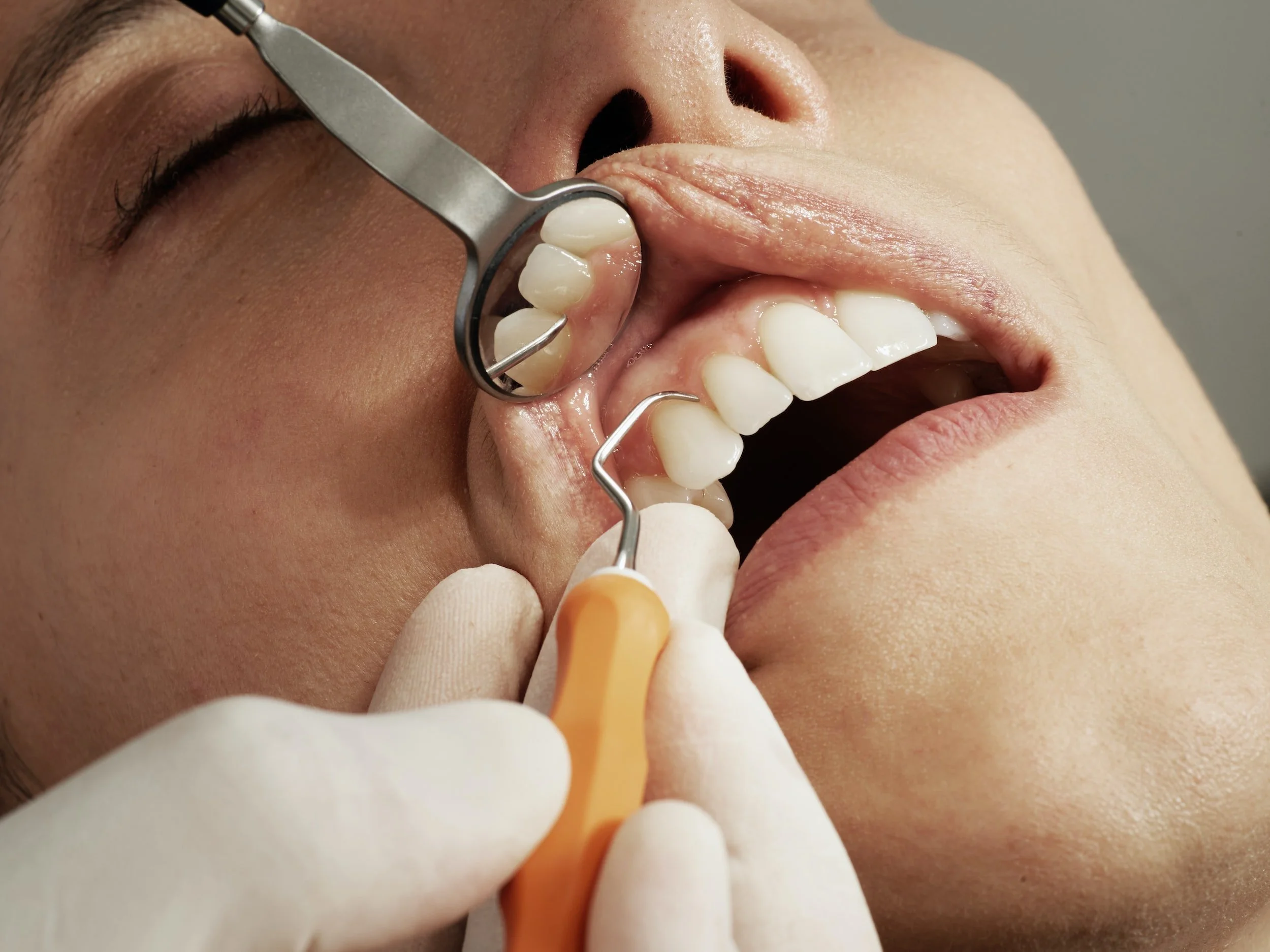
Does a Toothache Always Equal an Extraction?
Does toothache equal extraction automatically? The answer is a little more complicated than you might think...
Here's The Rundown
You've been up half the night thanks to the pain from that nagging aching tooth. Come to think of it, you were up half of the night before as well. Painkillers from the local chemists aren't even touching the pain anymore and you know you really should book an appointment with a dentist ASAP. But you don't like needles and pain, you're not even that fond of dentists and you really don't want to go through a tooth extraction. So you're stalling...
But does toothache equal extraction automatically? The answer is a little more complicated than you might think...
What's Causing the Pain?
Before you start ringing around dentists in Sydney asking about tooth extraction pricing it's important to understand one thing; tooth pain has lots of different causes and they don't all mean that the first thing a dentist is going to want to do is yank the offending tooth out. In fact, it's probably the last thing they want to do as they actually spent all of those years in dental school learning to save teeth rather than just do extraction after extraction.
Alternatives to Tooth Extraction
Because there are lots of different reasons a tooth might be giving you trouble, there are also lots of ways to treat these problems. If a cavity is the culprit then a simple filling may be the answer. If it's actually a gum infection - something that's more common than you might think - then a good deep cleaning and a course of antibiotics often works wonders. A tooth extraction is not even the automatic recommendation when the pain involves wisdom teeth, whatever you might have been told. And the pain may not really even be coming from a tooth at all.
Getting to the Root of the Problem
As we mentioned, the real key to getting to the root of the problem when it comes to a toothache is a careful, considered dental examination. This will often involve taking x-rays and a chat about your past dental history as well as a routine exam. Only then can a dentist figure out what's really going on and present a patient with their treatment recommendations and options.
Isn't It Just Easier to Get a Bad Tooth Out?
In some cases, the problem that's really been causing a nasty toothache may come along with several different possible treatments options and yes, one of them might be extraction and that may sound like it's the quickest, easiest and possibly least expensive way to go.
However, before you choose that option based on time or money, listen carefully to what your dentist as to say. Every tooth in your head is there for a reason, even those pesky wisdom teeth, and if it's no longer there may very well be downsides you don't really won't 'get' until it's too late and the tooth is gone for good.
The #EmergencyDentist Says:

Don't automatically assume that an aching tooth is one that's going to have to come out. Give us a ring, come in for an appointment after hours, or when needed, and we'll work out the best course of treatment for you and your tooth.
Don't forget to checkout our Dental Emergency Care Tips if you're experiencing discomfort.

The Paleo Diet vs Oral Health
Does following a Paleo diet lead to tooth decay or other oral health problems or does it prevent these things?
Can Eating Like a Caveman Cure Tooth Decay? The Paleo Diet vs Oral Health
By now you've probably heard at least a little bit about the Paleo Diet. It's a diet plan that began, as many of these things do, over in The States, 'pioneered' by Dr. Loren Cordain, a historian by original trade. The idea is that you alter your diet to make it more like one that Stone Age people may have eaten and this, the theory goes, is a far healthier way to eat than 'modern people' are generally used to doing.
Whether or not the Paleo Diet is a good thing or another crazy fad is not something we are really going to get into too far. The 'movement' has its fans and its critics and even noted medical professionals can't quite agree whether eating like a caveman (cave person) is really that good for you. What we do want to get into however, is the question of does following a Paleo diet lead to tooth decay or other oral health problems or does it prevent these things?
Paleo Diet Basics
OK, so the Paleo Diet says you'll be eating like your distant, distant, distant ancestors. But what does that actually mean? In general, apparently that means a diet that's high in fat, moderate in animal protein and low to moderate in carbohydrates. And as few 'over-processed' food items as possible. Calorie counting is not encouraged, neither is strict portion control. Oh and there is no dairy allowed and bread of any kind (actually all grains in general, as caveman supposedly did not have them) is right out too.
Paleo and Your Teeth
So you think you're ready to ditch sandwiches, soda and dairy and give this Paleo stuff a try. But what is the change going to do to your teeth? Well, in some ways chances are that it can only be a good thing. As the diet emphasizes eating far less sugar, then in terms of basic dental health and cavity prevention it has to be a plus.
One potential downside of the Paleo diet as far as your teeth are concerned however is the lack of dairy. You've probably been told since you were a little kid that milk builds strong bones and teeth and research has proved again and again that yes, calcium does build stronger teeth and they are teeth that you are likely to hold onto longer as well. This does not necessarily rule out the Paleo diet though, you'll just need to make sure you eat plenty of nondairy, 'Paleo- Friendly' sources of calcium like broccoli, edamame, salmon (even the canned stuff is OK) and tofu if you still want the stronger teeth (and bones) boost that calcium offers.
The Tooth Decay Cure Claim
lAs is the case for almost every trendy diet plan, there are a lot of wild claims made about the benefits of the Paleo Diet and one is that it can 'cure' tooth decay. The simple answer to this is no, it can't. The diet may cut out some of the things that can cause tooth decay - like all of those added sugars - but only proper oral hygiene and getting regular dental checkups will do that. So go ahead and eat like a caveman if you like, but understand that proper dental care is a must for everyone, even those eating the VERY old-fashioned d way.
The #EmergencyDentist Says:
Whether you prefer a cheese sandwich and a big glass of milk or grass fed beef and broccoli rabe for lunch, everyone needs proper dental care and they need it for life, whether their current diet is based in the 21st century or it's from 10,000 years ago.

What You Need to Know About Temporomandibular Joint Disorder (TMJ)
If you suffer from facial pain, jaw pain, migraines or even the occasional 'jaw lock’ then you may have had it suggested to you that you are suffering from TMJ...
TMD 101: What You Need to Know About Temporomandibular Joint Disorder (TMJ)
If you suffer from facial pain, jaw pain, migraines or even the occasional 'jaw lock’ then you may have had it suggested to you that you are suffering from TMJ. Or TMD. But the question is which one might it be and what are these conditions anyway?
MJ vs. TMD - Which is Correct?
When various people discuss the symptoms we just described above, they might use the terms TMJ and TMD interchangeably. In fact that happens quite often, but it's actually a mistake, as they are two different things.
TMJ is the abbreviation for temporomandibular joint, the hinge joint that connects the lower jaw to the temporal bone of the skull and it's located right in front of your ear. TMD on the other hand, stands for temporomandibular joint disorder, a blanket term for the problems with the joint a person might develop. So TMD is the correct term, but if you are suffering then the chances are that you really don't care too much about all of this, you just want to know why you are in pain and how to make it stop!
TMD Causes and Symptoms
TMD symptoms vary from person to person, as does their severity. Some of them - facial pain, pain when 'opening up wide', a 'tired' feeling in your face and especially a jaw that 'locks - are all symptoms that can be fairly easily recognised as TMD. Others -like toothaches, headaches, facial swelling, dizziness and hearing problems - can have a number of other causes as well, so are not immediately connected to TMD .
If you are diagnosed with TMD, just what might have caused it? Traumatic injury can do it, as can a habit of grinding your teeth. In some, osteoarthritis or rheumatoid arthritis may be at work and stress can even be a trigger for TMD as those who are 'stressed out' do develop a tendency to over-tighten their facial and jaw muscles and clench their teeth, putting undue pressure on the temporomandibular joint.

Treating TMD
The obvious first step in the successful treatment of TMD for anyone is a proper diagnosis. While you may have diagnosed yourself while consulting with Dr. Google, only a dentist familiar with TMD can tell you for sure.
Once a diagnosis is made, many experts prefer to follow a conservative course of treatment initially. This is because after a patient has been educated about some simple habit and lifestyle changes - things like avoiding very hard foods, relieving pain with icepacks, changing sleeping habits etc. - the condition improves on its own. However, for those not so lucky other treatments, including medications, splints, acupuncture and even surgery, are indicated.
The Locked Jaw Emergency
For most people who suffer from TMD is painful, it’s annoying and can be rather limiting, but they can, for the most part, live with the problem as their treatments begin to take effect. However, if their TMD leads to a locked jaw it's a bit of a different story. It's very scary when you just can't open your mouth and it's hugely uncomfortable - and often painful - too. In this situation waiting until Monday, or even until the morning, to get help really isn't an option. This is one of those times when it's best to seek immediate care from an emergency dentist who will be able to start working on 'unlocking' that troublesome jaw right away.

The #EmergencyDentist Says
Whether you have already been diagnosed with TMD or you just suspect that it may be causing your symptoms, a locked jaw is a problem that needs to be addressed right away, even if a less than helpful pal thinks it's rather funny (or cool) that you suddenly can't even utter a word!
NEED ADVICE OR EMERGENCY DENTAL CARE IN SYDNEY CBD?
Contact our friendly team


Sudden Tooth Pain: The Complete List of Causes & Treatments
Brain Freeze! We are all prone to occasional aches and pains that any kind of tooth pain can be particularly bothersome...
Diagnosing What's Causing It.. And Making it Stop!
Brain Freeze! We are all prone to occasional aches and pains, but it's fair to say, we think, that any kind of tooth pain can be particularly bothersome (to say the least.) Like a headache that just won't go away, tooth pain can be truly miserable and the problem's only made worse by the fact that much of the time you can't even be sure why you are in pain or how to begin treat it.
There are, in fact, all kinds of reasons that a tooth (or teeth) may start giving you gip, but these are the ones most commonly seen at Emergency Dentist Sydney:
Pain after Eating or Drinking Very Cold - of Very Hot - Foods
This can be the kind of sharp pain that really knocks you for six, if only for a minute or so. But it keeps happening and all the joy of eating an ice cream or downing a morning cup of Joe is fading fast.
The problem here is often is what the toothpaste ads often refer to as 'sensitive teeth'. There can be all kinds of causes; a slightly exposed nerve, a forming cavity, weakened tooth enamel or gum damage of some kind. In the short term try switching to a softer toothbrush and trying one of the toothpastes made to help 'desensitise' teeth. If the problem is a long term one however make a not to book a dentist's appointment to discuss a better solution.
Pain When Eating or Drinking Hot and Cold Foods After Dental Work
This particular issue is not unusual, especially if you have had a root canal or a filling recently. It's a temporary sensitivity that should disappear in a few days as things begin to heal up properly. In the meantime aspirin can help and following the dentist's post treatment care instructions is a must. However, if the pain persists for longer than expected, or gets worse rather than improving, you should contact your dentist right away.
Pain When Biting on Food
Eating regular, everyday foods should never be painful. And when and if it is, the chances are good that there is a problem that needs to be addressed and probably as soon as possible. The issue may be a cracked tooth, a loose filling, a cavity or, well, it could be a number of things. In this situation make a dentist's appointment as soon as possible so that the cause of the pain can be diagnosed and treated quickly, before any further damage occurs.
Aching Pressure on Upper Teeth/Sinus Area
This one is hard to even begin to self-diagnose as pain from infected sinuses can feel like terrible upper back tooth pain and vice versa. This is because there are a bunch of shared nerves back there, so really only a doctor's visit or a trip to the dentist can determine the true cause. Whatever you do though, wherever you go first, don't wait, because this is a horrible, nagging pain that very rarely goes away on its own.
Swollen, Painful, Inflamed Gums
Gum disease is all too common and if it's not addressed early then 'simple' gingivitis can progress into periodontitis, a condition in which the gums and even the bone that holds the teeth in place can be severely weakened. Often painful, swollen gums are a sign of infection, something that needs to be treated as soon as possible, not only to potentially save a tooth or two but to prevent the spread of infection through the rest of your body.
The #EmergencyDentist Says:

'Oh it's only a toothache'. Not. Tooth pain sucks. Pure and simple. It sucks even more if it strikes outside of 'business hours'. But you don't have to wait it out like a trooper just to try and be big and brave. The Emergency Dentist Sydney can help you anytime time any day when you need us.

How Much Does a Wisdom Tooth Extraction Cost?
At The Emergency Dentist Sydney we are pretty used to dealing with wisdom teeth and the trouble they can cause...
Wisdom Tooth Extractions Costs Vary: Here's Why

At The Emergency Dentist Sydney we are pretty used to dealing with wisdom teeth and the trouble they can cause. That is not always the case for the patients experiencing those problems, folks who are usually in pain, frustrated and worried, often about the costs of the treatment they might need as much as they are about the pain they're in.
Unfortunately, as helpful as we like to try and be at all times, one of the questions we really can't answer right away is what the treatment for a patient's unique wisdom tooth issues might cost, as every case is different. We can however explain why those costs might vary. Here's a look at some of the factors involved:
The Type of Procedure You Need
There is no one-size-fits-all procedure for wisdom tooth extraction. For some people it can be a pretty straightforward affair, one not too different from a standard extraction. For others though, patients who might be dealing with a severe infection or an odd angled impaction, the treatment involved is usually more complex. And yes, complex costs more.
The Type of Surgeon You Need
In dentistry, just like in standard medicine, different dental surgeons do different things. When it comes to extracting a wisdom tooth, complications can arise that call for a specialist surgeon, usually because wisdom teeth, as a part of their often very pesky nature, will sometimes locate themselves in a very sensitive area of the jawline, one where important nerves could be damaged if someone did not know exactly what they were doing. Obviously if a specialist is called in the pricing will increase, but in reality be worth every penny as a botched job on a wisdom tooth is something no-one should ever have to deal with.
The 'Little' Things
Before getting to the actual extraction of a wisdom tooth, there's usually work to be done. Dentists need x-rays - or sometimes even CT scans - so that they know exactly what is going on where. They also need to talk anaesthesia with a patient. Some of the simpler extractions can be performed very successfully under a local anaesthetic but for the more complex stuff even the bravest, toughest of patients are going to need to be knocked out, aka treated under general anaesthesia, once again hiking the final costs.
The #EmergencyDentist Says:

Fear of costs should never be a reason to leave a painful or infected wisdom tooth untreated. At The Emergency Dentist Sydney we keep our rates as reasonable as possible and won't charge for 'bells and whistles' you don't need. Another reason to get treated as soon as a wisdom tooth problem rears its ugly head? The whole think is likely to be easier - and cheaper - than it would be if you suffer on for weeks until you can't take any more!

The 'Green Food Diet'
After 10 plus years in dentistry we know prevention is the best medicine. In fact, what we do or don't eat can be very important when it comes to your smile...
Our Top 7 Green Foods For Good Health

At The Emergency Dentist Sydney we believe in holistic oral health care. General daily care, such as brushing and flossing, go a long way to your overall oral health but there's a lot more you can do to ensure a healthy smile. After 10 plus years in dentistry we know prevention is the best medicine. In fact, what we do or don't eat can be very important when it comes to your smile.
So, we say scrap the White Food Diet, green is the new white this St Patrick's Day. We have our top 7 picks for the most super duper green foods to keep your oral health and general health looking as good as your four year old self the first time you found a four leaf clover.
1. Green Tea
We recommend a good cup of green tea after any meal. Green tea is great for controlling bacteria in your saliva and lowering the level of acidity in it, which can cause cavities. It's also works great as an anti-inflammatory which is particularly useful in the control of periodontal (gum) disease. To top off green tea as a great choice for your oral health, it is also associated with good breath! We believe this is likely because the microbes that make our breath bad are broken down by the tea.
2. Snap Peas & Green Beans
The high fibre content of these crisp green vegetables help scrub your teeth, which breaks up the biofilm and plaque buildup on your teeth. This all happens while you chew, mimicking a toothbrush or flossing. The extra effort you put in to chewing these veggies speeds up saliva production, which keeps your teeth strong and helps digest your food. Overall, a great snack to help boost your smile.
3. Kiwi Fruit
Kiwi fruit has the highest concentration of vitamin C (along with strawberries). Vitamin C helps to prevent collagen in your gum tissue from breaking down and without collagen your gums become tender and open to disease and infection, such as periodontal (gum) disease. They're also a yummy fruit snack too.
4. Green Apples
One of your oral health's best friends. Green apples are a water rich food which stimulate saliva production and and keep your oral bacteria looking pretty good. Not only that, green apples are also a high fibre food which create a brushing or scrubbing effect when biting. This quite literally cleanses the surface of your teeth as you eat, wiping away bacteria. Ahh that fresh feeling after eating a green apple.
5. Celery
Similar to the kiwi fruit, celery is packed with Vitamin C. It's great to help fight against inflammation of your gums. The texture of the celery stick is also another great green food that acts as a mother nature's brush, cleaning your teeth as you chew.
6. Broccoli
Broccoli does two great things for your teeth, whiten and protect. A bad cook will serve you over cooked broccoli, boiled for too long. The key to this vegetable is to steam it. This cooks it just long enough for the florets (they're the dark green tops) to heat but also retain all of their vitamins. Broccoli contains vitamin C (see Kiwi Fruit), vitamin E, which helps aid the body in healing and has a good source of vitamin b2 and calcium, which help keep your teeth strong and white.
7. Avo
Who doesn't love an avo! Avocado's are great for helping your body absorb all of the good nutrients you need from all foods to help maintain good overall health. Not only that but they contain a great level of calcium, helping your teeth strong and vitamin B6, another essential nutrient which is good for your overall oral health.
The #EmergencyDentist Says:

We always recommend a well balanced healthy diet full of a variety of foods. If you're planning on celebrating St Patrick's Day this year have a Guiness on us and remember The #Emergency Dentist Sydney is always open for dental emergencies.

Keep Your Family Hydrated This Summer
We know how to take care of our skin but can’t forget to keep your kids hydrated...
Keep Your Family Hydrated This Summer
With summer holidays already here we should be taking extra precautions for our little ones as the temperatures sizzle, especially following the sugary festive season. We know how to take care of our skin but can’t forget to keep your kids hydrated!
Did you know that good hydration is vital in maintaining healthy teeth? We’ve got some tooth friendly tips on keeping your children hydrated this summer.
1. Drink mostly water
Sports drinks, soft drink, and juice are all packed full of sugar (we’ve said this before - sugar is the enemy!), which will only dehydrate the munchkins even further. Water is by far the best option, and it is definitely the cheapest!
2. Use straws and drink bottles
Make drinking water fun with special straws. Even adults can’t deny silly straws are fun! There are lots that go round and round, or do squiggly shapes, or really really long ones that kids will love. Otherwise let them pick a fun, bright water bottle.
3. Make it exciting
If your kids find plain water too boring, you may be tempted to try adding fresh or frozen fruit to their water or even freezing the fruit in the ice-cube tray to make colourful ice-cubes. Whilst this is a fun way to get kids to drink more water it must be kept in mind that fruit still contains sugar and acid and if sipped on throughout the day will contribute to tooth decay.
4. Eat hydrating fruit
Some fruits like bananas and watermelon are very high in water content and are great source of liquid. Keep your watermelon in the fridge, so it’s nice and cold – the perfect refreshing snack! Mmm Mmm
5. Make water readily available
Children will drink when they’re thirsty if there is a drink available. Make sure water bottles are easy to open and within easy reach for kids, and make sure you always pack a water bottle when heading outside. Don’t forget to keep kids hydrated when you’re playing in the backyard, at the beach, or simply catching up with friends.
6. Parents; Set a good example
Teach your kids the importance of drinking water by setting a good example, and keep your hydration levels up. You might want to take regular water breaks together, or try matching water bottles.
The #EmergencyDentist Says:

Getting your kids to drink more water comes down to availability and appeal! Make fresh water available at all times, make it part of your families daily habits. Add ice cubes, fill a special cup with it, add fruit (in moderation)… whatever works.
Patient Care First

Keep Up-To-Date with All Things Oral & General Health
RECENT ARTICLES


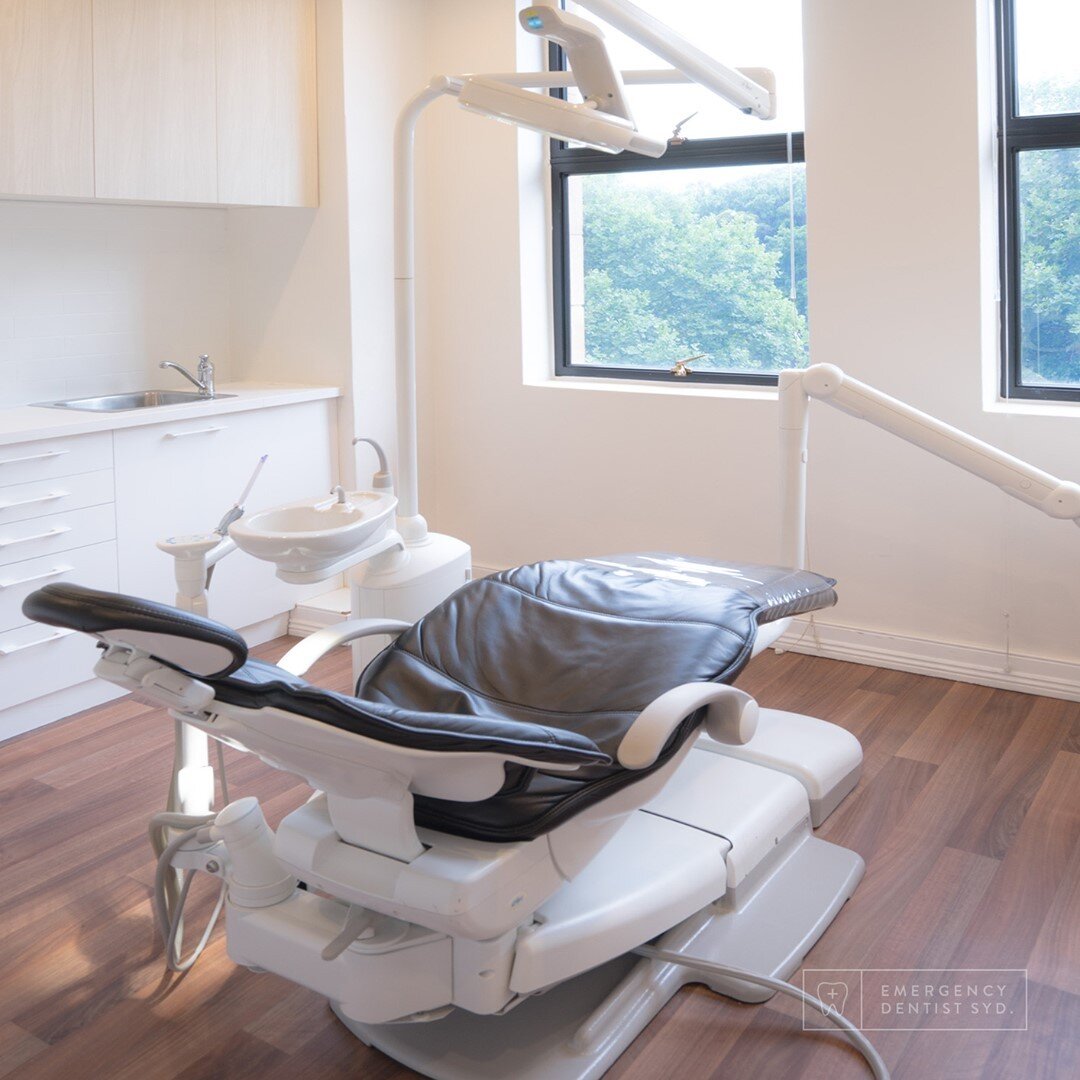

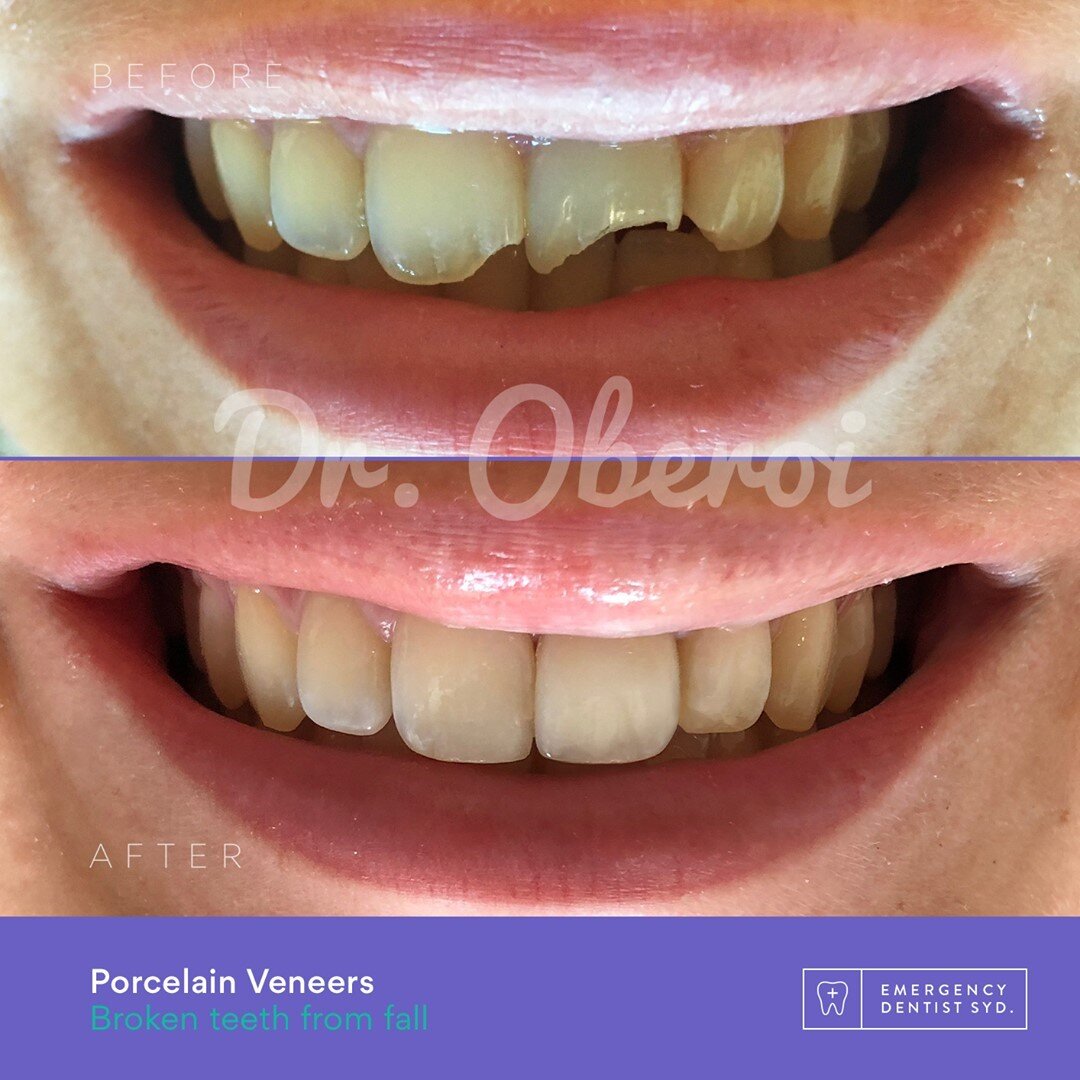




For 15 years, we've had one mission - when Sydney has a dental emergency, Emergency Dentist Sydney is there
We're proud to celebrate 15 years of providing emergency dental services to Sydney CBD and surrounding suburbs.