
Common Emergency Situations
What Problems Do We See Most?
What Problems Do We See Most?

At Emergency Dentist Sydney, we are often asked just which dental emergencies we treat most often. And while we certainly see all kinds of cases - you might be surprised what we see - there are indeed certain dental emergencies that we spend more time dealing with than others. Here's a brief look at some of them:
Loose Teeth
There are a number of reasons why a tooth loosens but often when patients come to see us it is because their tooth has been loosened as a result of a trauma; a sports injury, a fall in which the tooth has been damaged and yes, sometimes when it's owner has been on the receiving end of a blow of some kind. A loose tooth isn't always a tooth that is destined to be lost though, as, if it's deemed appropriate a loose tooth treated quickly can be replaced and saved.
Knocked Out Teeth
Getting a tooth knocked out is a traumatic experience no matter who it happens to and just how the injury occurs. In years gone by once, a tooth was knocked out it was thought to be pretty much the end of it, and a dentist's primary job at that point was to 'clean up the mess' and then help patients make a plan to move on without the tooth. These days however with prompt and expert treatment a knocked-out tooth can often be saved.
Fractured Teeth
A fractured tooth, just like a fractured bone elsewhere in the body, can be more of a problem than people often think. As is the case with bones, fractured teeth vary in severity as well, from small cracks and chips that may call for primarily cosmetic dentistry to deep fractures that may have damaged the root of the tooth, calling for a more serious surgical procedure.
Toothache
There are lots of different reasons why a tooth might hurt, and the middle of the night is not a time that anyone really wants to start playing guessing games. That's why a great many patients we see on an emergency basis simply know that they are in terrible pain that just won't seem to quit and they leave it up to us to figure out why that is and what we can best do to help.
Acute Pain
Not all mouth pain is radiating from the teeth. Damaged and/or diseased gums or even an abscess may be to blame instead. When treating patients in acute pain on an emergency basis we can often help determine just what the problem is quickly and begin treating the cause of the pain effectively, and not just the pain itself.
Tender, Inflamed or Bleeding Gums
Not every case of swollen or bleeding gums needs to be treated on an emergency basis but there are some that call for swift treatment in order for patients to make the best possible recovery, especially as bleeding gums can often be a sign of another oral health problem as well.
Emergency Dentist Sydney Says:
Not sure if the dental problem you are experiencing is an emergency? Give us a call, we'll help you figure it out.

Health Funds
What do you accept?
What do you accept?
Even if they are in a great deal of pain, - which is far from unusual - when people call about visiting an emergency dentist they are concerned about just how they are going to cover the cost of their visit. One of the questions heard often is a simple one; "what health funds do you accept?"
Emergency Dentistry and Health Funds
One of the biggest reasons that many Australians choose to participate in a private health fund is to gain better access to dental care. Therefore, it’s little surprise that they want to try and make sure that any tie they need dental services of any kind they are covered by their particular health fund.
In answer to the question "what health funds do you accept?" at Emergency Dentist Sydney, we can honestly say 'all of them'. We do not have a preferred provider; we are willing to work with them all. In doing so we ensure that everyone has access to great dental care in an emergency and that worries about coverage are taken out of the equation and patients can concentrate on dealing with the real issue at hand; getting their dental emergency taken care of.
This means that at Emergency Dentist Sydney we can accept all the following health funds:
Using Your Health Fund Coverage at Emergency Dentist Sydney
When you visit us, and it’s planned that you’ll be receiving a dental treatment covered by your health fund, you will be able to claim instantly at your appointment, providing you can present your health fund identification (temporary ID cards are OK) to our staff at the time of the visit. Each claim is made individually, we don’t bulk bill as we are private providers and not a part of the public health system.
Emergency Dentist Sydney Says:
Because we believe that everyone should have access to the best possible dental care, both as a matter of routine and on an emergency basis, we make sure we can work with any health fund in Australia to allow more people to do so.

Do I Really Have a Dental Emergency?
What counts as one?
What counts as one?
It's late. Most businesses, including your regular dentist's office - have been closed for hours and won't be open again for hours either. Or if it's the weekend, possibly days. Which would usually be fine. Except you have a toothache that just won't quit. Or a chipped tooth that is both sharp and painful. Or, worse still, a tooth that is hanging by a thread, or knocked out altogether. But it is late, getting across town might be a pain and although you know that emergency dentists exist, don't they charge an arm and a leg?
The fact is that it is important to know what kinds of oral health problems or dental injuries do require emergency treatment and which can probably wait until a more civilised hour. No, if you can avoid a mad midnight dash to the dentist's it's probably more convenient, but it won't always be the best thing for your oral health.

Take that knocked out tooth for example. A couple of decades ago everyone would have told you to suck it up, stop crying and deal with the fact that the tooth was gone. These days a lot has changed and a tooth that has been dislodged can be saved, but usually only if you act fast.
The toothache that just won't quit? Even though you have taken the bottle-recommended dose of Nurofen - and then some Panadol - twice and it's still there throbbing away, although in a slightly more muted fashion than before? Is that worth a visit to an emergency dentist? Will they be able to help or is toughing it out until the morning the most sensible option here?
Figuring out what is or isn't a dental emergency can indeed be hard. However, as a general rule of thumb all of the following may very well be 'serious' enough to warrant the emergency trip:
A knocked-out tooth
A severely chipped tooth that is very sensitive (indicating that there may be nerve damage)
Objects stuck in the tooth
Severely bleeding teeth or gums
An abscessed tooth or gum area that is causing a great deal of pain.
One of the best things you can do in any potential emergency oral health situation is give an emergency dentist a call before you go anywhere. The staff at Emergency Dentist Sydney are available via phone 24 hours a day, seven days a week. They are all trained to help even the most panicked patients and advise them about the best way to proceed to treat their unique dental emergency.
That might involve coming in to see a dentist right away, making an appointment for the next day or, in some rare cases, proceeding to the hospital emergency department instead.
The one thing you should not do is wait and wonder. It's only a simple phone call and if it turns out the problem can wait no one will think any less of you for having checked. Your oral health is hugely important - and so is your peace of mind - so no matter what the time it's better to be safe than sorry!
Emergency Dentist Sydney Says:
Want to learn more about dental emergencies and their basic treatments? Check out the informative guide we put together here.

After the Emergency
Follow Up Treatments Explained
Follow Up Treatments Explained

Our name (sort of) says it all. Emergency Dentist Sydney. We're the people you can turn to at two in the morning on a Saturday night to help get rid of that terrible toothache that is making your life a misery (to say the least).
That is not, however, all we do. While we do everything we can to help you during your first visit to us, very often the real cause of that pain calls for follow-up treatments of a number of different kinds. The good news is that the same friendly, helpful and skilled dentists who helped you out during your emergency visit are ready, willing and able to perform those as well.
Common Emergency Follow Up Treatments Explained

You might be wondering what kinds of follow up treatments are called for after a visit to an emergency dentist. Here's a quick look at some of the most common:
Laser Root Canal
The days when all dentists wanted to do was yank teeth out are long gone. Losing a tooth - even one 'hidden away' at the back of the mouth - can be a very traumatic experience - so these days an extraction is usually only considered as a last resort.
Root canals can be used to save a tooth that has been damaged by decay or infection but of all the dental procedures people can undergo it's the one people are most scared of. Everyone always seems to be able to tell a horror story about the terrible time their Mum/Granny/best friend had with a root canal and those gory tales alone often put people off.
The fact is though that root canal procedures have changed a great deal, and that is especially true of the root canals we perform. We've replaced the scary, noisy drills and sharp pointy things with lasers. The lasers are as effective - often even more so - and most of our patients find that their pretreatment fears were completely unfounded after all.
Crowns and Veneers

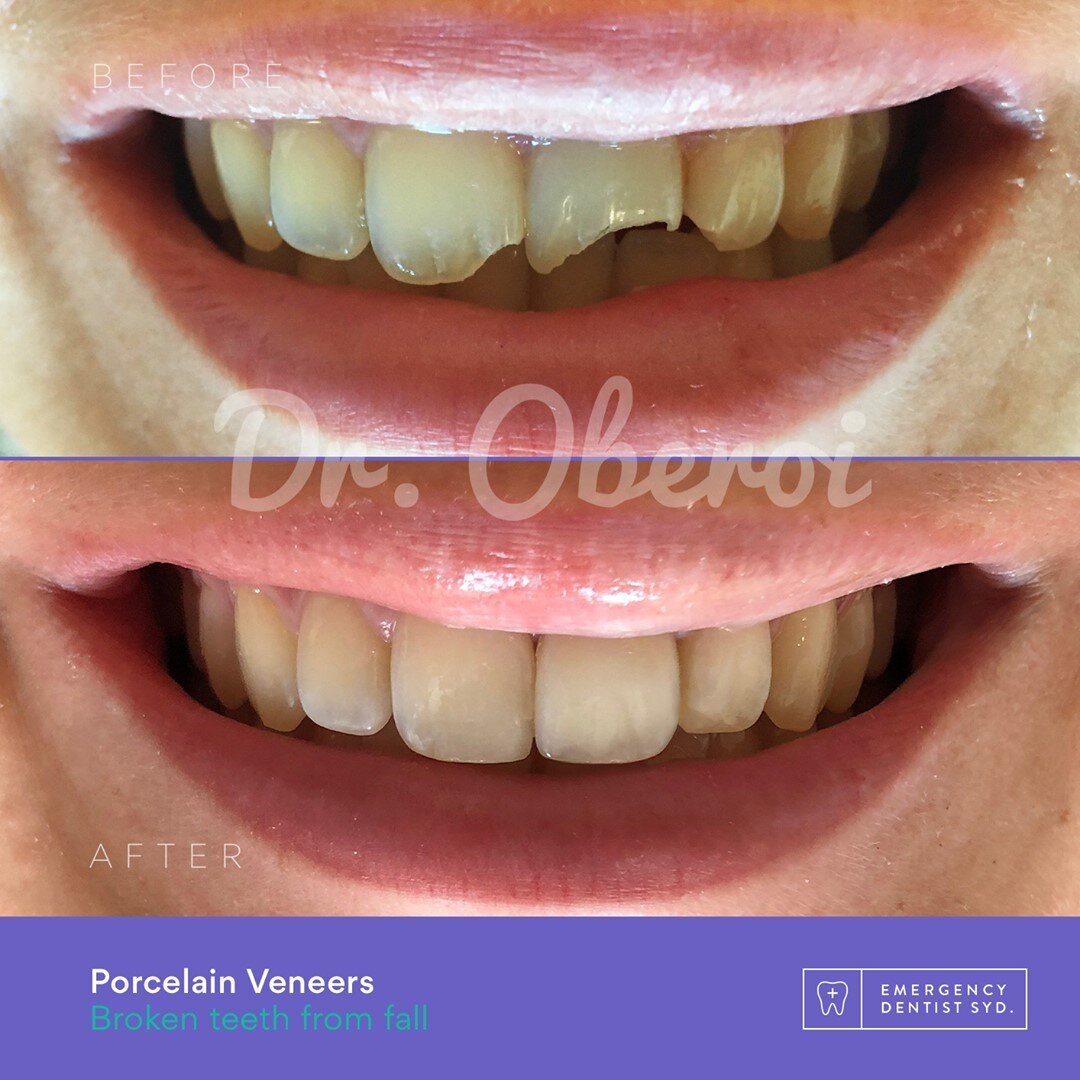
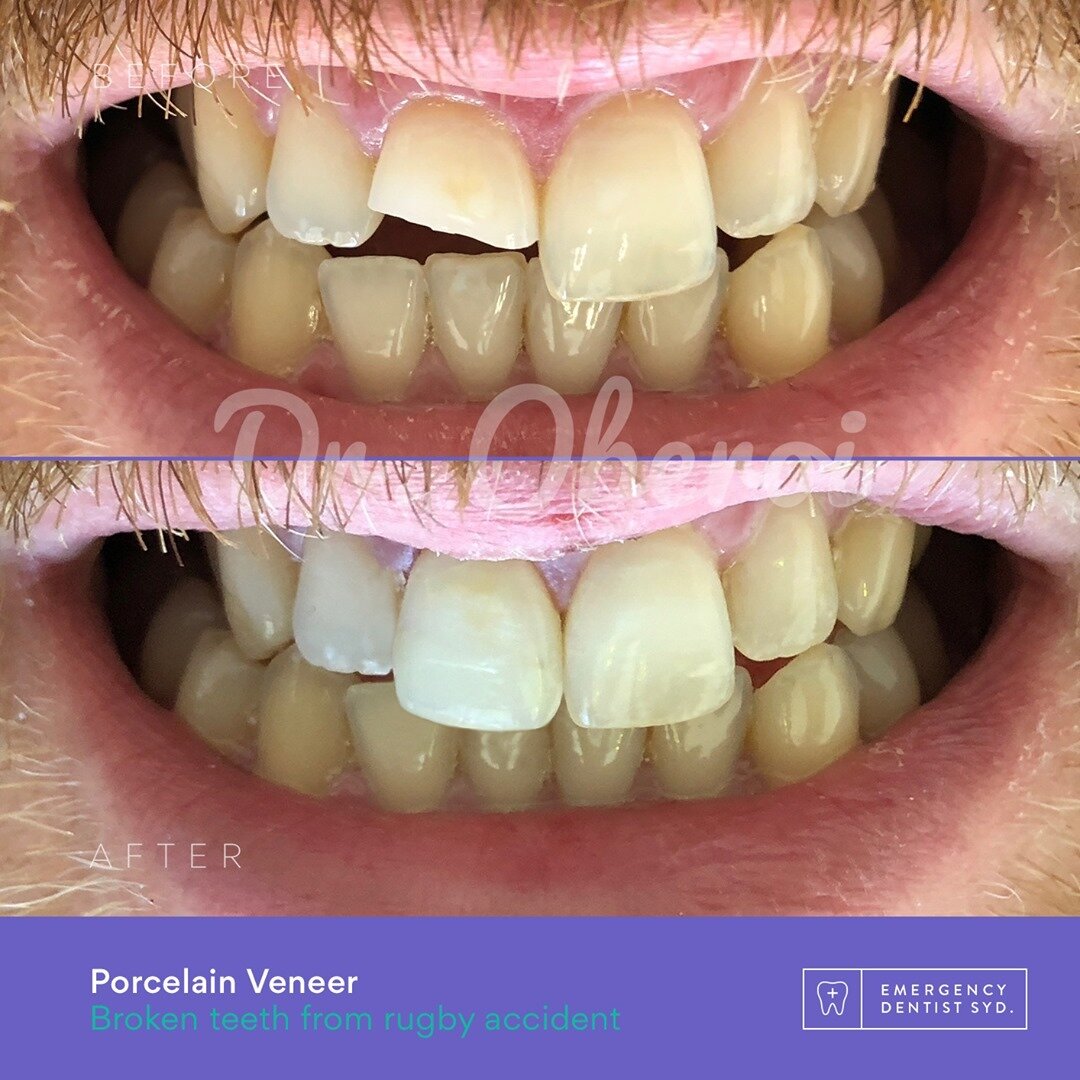
Broken teeth can be a nightmare too. Not only do they usually look less than appealing but a broken or chipped tooth is a magnet for infection and recurring pain. Crowns and veneers can be used to solve this problem and many others, including misshapen teeth and to protect a tooth that has been restored by a root canal.
Veneers and crowns today are a far cry from those used even as little as ten years ago. They look very natural, can be custom fit to suit any mouth.
Other Treatments
Sometimes the causes of the pain that sends a patient to us in the middle of the night are not quite what they expected. For example, did you know how much trouble (and pain) something like gum disease can cause? Or a stubborn wisdom tooth that cannot even be seen with the naked eye? The good news is that we have the expertise to treat these conditions as well.
Whatever the reason you initially come in to see us for there is one thing we can promise you. You'll never leave our office without a plan for future dental treatment and care that has been fully discussed with you, including the costs involved.
Emergency Dentist Sydney Says:
Although many of our patients first come to us as a 'last resort' we're happy to say that lots of them keep coming back. We're committed to providing the best possible oral health care for everyone, not only in their 'hour of need' but for years to come.

What is Dry Socket?
How Can I Prevent It From Happening to Me?
How Can I Prevent It From Happening to Me?
There are very few people who would actually be happy about the idea of having to get a tooth removed, but even with the best dental care, and personal oral hygiene, the procedure does sometimes become necessary. It's a scary thought for most people, but these days it's a relatively painless procedure that is over quickly and far less traumatic than years ago.
However skilled your dentist, there is a complication that patients should be aware can sometimes crop up after a tooth extraction; dry socket. Also known as alveolar osteitis the pain caused by this condition can be as bad as, or even worse, than any pain a patient experienced prior to the tooth extraction. The good news is however that it is perfectly preventable.
What is Dry Socket?
When a tooth is extracted the 'hole' left behind is referred to as the socket. Usually, immediately after an extraction a blood clot begins to form that effectively seals the hole and allows the whole area to begin to heal. Dry socket occurs when this clot is dislodged too soon, exposing the delicate nerve to the elements, which can be extremely painful.
Should this occur, a trip back to the dentist as quickly as possible is a must. They can carefully clean the area and then pack it with a sterile gauze to protect it. This can sometimes slow healing times though, so doing all you can to ensure the protective clot remains in place to do its job is the ideal.
Preventing Dry Socket
Occasionally a protective blood clot will dislodge on its own and there is really very little that could have been to predict or prevent it. In most cases though there was a preventable cause. Smoking significantly increases the risk that dry socket will occur, as does drinking from a straw.
For women who take birth control pills there can also be an increased risk of dry socket occurring, as higher doses of estrogen can prevent normal blood clotting. For this reason a patient on birth control should discuss scheduling their procedure, if at all possible, for a day when their pill will be delivering the lowest dose of the hormone into their bloodstream. A handful of other medications may also cause similar problems, so make sure your dentist is aware of any and all medications you take prior to a tooth extraction.
Finally, you will be given specific aftercare instructions after any tooth extraction procedure and they really do need to be followed to the letter for the best possible outcome. This includes calling your dentist right away if you suspect something has gone awry.
Emergency Dentist Sydney Says:
Fortunately, dry socket only becomes a problem in 2-5% of the patients who undergo a tooth extraction. With the right care and knowledge, as well as a little vigilance, you are far less likely to become one of them.

Festive Season Dental Emergencies
We've Seen It All
We've Seen It All

The Christmas holidays are usually a fabulous time for everybody. Family! Fun! Friends! Pressies! Food! Booze! Lots of food and booze normally. Santa surprises all the kiddies and then we get to ring in a New Year with even more parties, even more fun and, you got it, even more food and booze.
It might surprise you to learn that while most companies have a quieter time during the Christmas holidays, at Emergency Dentist Sydney it’s one of our busiest periods. Why? Because the festive season is fun, but not always very tooth friendly. Which is what we want to discuss today; the dangers that might be facing your teeth this Christmas and what you can do about them.
The Stress Catches Up
It's been a long year for all of us. Busy at work. Or busy at school. Certainly, busy at home and usually busy outside the home as well. The world has certainly been a strange place this year as well, and many of us are heading into the holidays feeling more than a little bit stressed.
What you may not know is that all that stress can affect your teeth. Those under a great deal of it are more prone to developing pericoronitis, inflammation in the soft tissues surrounding the crown of a tooth that is only partially erupted, usually a wisdom tooth.
This can cause pain, swelling, difficulty eating, even fever and fainting at times. In most cases it is a final signal that it is time to plan on finally getting those wisdom teeth properly accessed and removed, so that the patient can go into a new year pain free and with a much happier smile.
Eating Emergencies
As we mentioned, food plays a huge part in the festive season. All kinds of extra goodies are around to tempt us and lots of them are the sticky, sugary kind that are far from friendly to teeth. Combine this with a tendency to consume more sugary beverages - and that includes those colourful Christmas cocktails most of which are loaded with the stuff - and possibly poorer than usual oral hygiene, thanks to being too tired or 'tired' (drunk) to remember to brush and floss at bedtime and you often have a recipe for future disaster for your teeth.
New Year's Disasters
New Year's is a very strange time. Full of hope for the new year and nostalgia for the old many adults venture out to have a great night partying ahead of the big countdown at midnight. And all too often a few (a lot) more drinks than usual leads to falls, fights and broken - or knocked out - teeth. And even if you do stay in control and in good spirits once again you are quite likely to forget to start the new year with a good tooth brushing before bed as you may not actually remember how you got there!
Seasonal Oral Health Safety Tips
Don't slack on your oral healthcare routine- No matter how busy (or 'tired') you are twice daily brushing is a must and you shouldn't slow down the flossing either. With all the work you'll be asking them to do your teeth deserve a little extra pampering and TLC at this time of year, and that should always begin by making sure they are clean.
Cut down on the sweet stuff - Yes there are tons of cakes, puddings, sweeties and choccies around during the Christmas holidays but there is lots of other good stuff as well. Try to include more savoury snacks than sweet on your buffet plate and if possible find a way to brush your teeth after eating, or at the very least chew on a piece of sugar free gum and have a glass of water to help wash some of that nasty decay causing bacteria away.
Don't suffer in silence - If you do find that your wisdom teeth flare up, or that near cavity is becoming a real cavity now that it’s been exposed to too many sweets, or you have tooth pain for reasons you don't understand, you do not have to spend the holidays suffering in silence. Call an emergency dentist, they'll be there to help.
And if the 'worst' should occur and you fall (or fight) and crack, break or even lose a tooth don't panic. There are lots of things an emergency dentist can do to help in these understandably upsetting situations that will still allow you to start a new year with a smile.
Emergency Dentist Sydney Says:
We hope you have a lovely festive season and that dental problems are the last thing on your mind. But if they do crop up we're here to help and we'll even put the Christmas films on the telly for you if you must come in and see us, so that you don't lose too much of that festive vibe!

"I Haven't Been To The Dentist In 10 Years"
Here's What To Expect When You Do
Here's What To Expect When You Do
It does happen. Life gets busy. Work is crazy and you barely have a free minute at home either, and when you do, you like to spend that precious spare time doing something happy and fun. Next thing you know, you wake up one morning with a bit of a nagging toothache and you realise it's been 2, 5, maybe even ten years since you actually visited a dentist. How the heck did that happen? And what is a dentist going to say when you have to tell them you've been so remiss?
In this situation, some people would be tempted to put off a visit to a dentist, even though they now seem to actually need one. They are simply a bit too embarrassed to consider having to admit that , although they really do do the whole brushing and flossing daily thing, and haven't had a problem with their teeth at all - they are even pretty white - they have neglected what they know is the most important part of oral health care; a regular dental checkup.
The fact is though, if you haven't made it to the dentist in a while, and yes, even if it's been ten years, we won't judge you. Life happens. As good dentists we will be glad you're there now and that you are finally taking proper charge of your oral health, even if it's taken a bad toothache to get you to see us.
The other thing that makes people in this situation very nervous is not really knowing what to expect once they do make it to the dentist's chair. Although it will of course vary from patient to patient, here's a little about how it'll generally go.
The Paperwork

We don't do paper anymore! Emergency Dentist Sydney is almost completely digital. New patients simply fill in a digital form on our iPad upon arrival and sit in our comfy reception until we are ready to see you – which won't be long we promise!
The Examination

If you haven't been to a dentist in ten years, chances are you'll be rather surprised by how much things have changed around a dentist's office in general. TVs with Netflix in the waiting rooms? That's new. Free tea, coffee or water? Well that didn't used to happen before. They do laser root canals now? Well isn't that some Star-Treky stuff!
Once you've got past the pleasant surprises in the waiting room your appointment will begin with a basic checkup and a chat with the doctor about your oral health history and any issues you seem to be having right now (like that toothache) No lectures, no looks of shocked horror, and no patient shaming when you admit just how long it's taken you to get there, just a chat about starting afresh!
The X-Rays

Even if you did manage to dig up old x-rays, you'll need some new ones. Ideally, dental x-rays should be repeated on an annual basis, as a lot can change, even for an adult. We know that x-rays can be uncomfortable, but they don't hurt and they'll be over in a flash and give your dentist the below the gum line view they need to ensure that any and all oral health issues you might be experiencing, even if you don't know they exist (yet), can be properly addressed.
Treatment

A lot can happen in ten years in terms of anyone's oral health. That toothache? It might be caused by a cavity, it might be caused by gum disease, it may even be caused by pesky wisdom teeth still lurking below the gum line. And now's the time you'll find out, and, if there are problems, talk with the dentist about the plan going forward to sort them out.
If you are one of the lucky ones, you might not even need that much work done at all. But a proper, professional cleaning is certainly a must and gosh will you be surprised by how clean your teeth look and feel once that's over. Then, if we're completely honest, it might be time for a little lecture. A really little, gentle one, that emphasises the importance of keeping up the good work you've started and making the time - and the effort - to make going to the dentist a part of your life again.
Emergency Dentist Sydney Says:
If the last time you saw the dentist was a decade ago, don't be shy, come on back. It really is never too late to take full charge of your dental health and in ten years from now, you'll be really glad you did. And you might even have learned to like us by then!
Need Advice Or Emergency Dental Care In Sydney CBD?
Contact our friendly team


Extractions Don’t Need To be Feared
Toothache
Here's Why
Pulling teeth - or dental extractions as they are properly called - is one of the oral health services that gets a seriously bad rap.
In fact, the idea of getting a tooth pulled is so scary to some that it's one of the number one reasons they put off going to see a dentist when toothache strikes; a fear of the pull.
To be fair, the term 'pulling teeth' sounds pretty painful. That's why dentists really don't like it. A modern dental extraction is not a painful, terrifying experience at all, but we understand that some need a little extra convincing. So let's take a look at just how a dental extraction works in the 21st century.
How Does a Dental Extraction Work?
How can it not hurt to get a tooth extracted? That's a fair question we'd expect to hear. Back in the day, before dental technology was as good as it is today, getting a tooth pulled could indeed be a painful, somewhat bloody process. Today, it's a matter of the application of a numbing cream, the administration of a simple, safe local anesthetic, the extraction of the tooth, which in the hands of a skilled and experienced dentist literally takes seconds, and the application of a little gauze to the former site of the tooth to stem any bleeding and aid rapid blood clotting. It's all over in a matter of minutes and if the now removed tooth was causing the patient pain - which very often it was - that pain is gone and they will be on the road to better oral health overall right away.
Oh, and by the way, the term pulling a tooth is really misleading. There really is very little pulling involved. In fact if you were to attempt to pull your own tooth, and you took a pair of pliers and pulled at the offending tooth, you would find that it does not come out unless you bench 250. Why? Because any tooth is 'glued' into its socket by tiny ligament fibres that anchor it into the jaw. To remove the tooth a dentist gently loosens these fibres and 'pops' the tooth out, no yanking required. As he or she does so, you will very likely feel pressure, but, in the hands of a skilled dentist, that pressure should not become pain, even if the tooth is a little bit stubborn and tries to hold on (which some do.)
When Is a Dental Extraction Needed?
Now that you have a better understanding of what to expect during a dental extraction we need to move on to the next issue, when does a dentist decide to recommend a dental extraction? In a word, as a last resort. Once you remove a tooth it's gone for good, so doing so is not a decision to be taken lightly. A good dentist will recommend trying all other available avenues - often a root canal - before suggesting a dental extraction. Sometimes, however, there is just nothing to be done and removal is the very best option. Your dentist will explain why, and then, because dentistry has come so far so fast, discuss with you the possible options for replacement, with a crown or implant.
Emergency Dentist Sydney Says
Dentists don't actually relish pulling teeth, it's our job to try and save them, but when we can't we make the extraction process as easy and comfortable as possible.
Need Advice Or Emergency Dental Care In Sydney CBD?
Contact our friendly team



Why You Should Never Just Assume You Need a Filling
Toothache
Toothache

Even if you are usually fairly fastidious about your oral healthcare routine, and you try your best to keep up with those recommended regular dental checkups there may very well come a time when you are blindsided by a sudden toothache. Not fun, and often not easy to soothe.
It's at this point that many people assume that, despite all of their best efforts, they have a cavity and it's time to steel their nerves to head into the dentist's office for a filling. However, although often that does turn out to be the case (and modern fillings are painless and very natural looking by the way, so it's not the end of the world) it is not always a cavity causing that pain, and other forces may be at work.
Here's a look at some of the other possibilities...
Sensitive Teeth
If the pain occurred - or occurs - after eating or drinking something very hot, or very cold, then it may be caused by a fairly simple case of sensitivity. While there are lots of toothpastes available that are designed to help ease this the best first course of action is a visit to the dentist. There he or she will be able to rule out things like excessively thinning tooth enamel or receding gums, conditions which have to be treated in a different way, and then recommend a suitable daily oral health care routine to follow in the future to minimise the problem.
Cracked or Chipped Tooth


Even if you can't quite see it a crack or chip in one of your tooth may be the cause of your discomfort, as even the smallest of these can expose a nerve, leading to a surprising amount pain. Your dentist has a number of methods at their disposal to repair these defects, but they can't do that until you go in and see them!
Gum Disease
Sometimes the pain you assume is radiating from a tooth gone bad is actually coming from the gum surrounding it instead. A gum infection, which can be caused by a number of different things, can be excruciatingly painful and does need to be treated as soon as possible. Often a course of dental laser treatment and cleaning, along with medication to clear up the current infection, is extremely effective and you can be out of pain very quickly.
TWhen You Need More than a Filling
Some tooth decay cannot be effectively treated with just a filling. If a tooth is significantly damaged by decay its root is often affected as well, and in this case slightly more treatment is called for, often in the form of a root canal, if the tooth is to be saved. This is a scary prospect for many, as they have heard nightmarish tales of pain and agony that lasts for days. This is not the case at all in the 21st century. A root canal can be performed quickly and efficiently using dental lasers and the pain and discomfort is minimal (really).
Emergency Dentist Sydney Says:
It's easy to try to treat a toothache at home because you don't have the time/patience/guts to head to the dentist's to get it properly diagnosed and treated. But even if a toothache seems fairly minor, or it comes and goes, tooth pain is always a sign of a problem of some kind, and the faster you get it treated the better off you - and your oral health in general - will be.

Soft Teeth
Is there really such a thing?
Is there really such a thing?

If you haven't said it yourself chances are that you've heard someone say it; I have soft teeth. But exactly what is that supposed to mean and is there really such a thing? The simple answer is no.
The Soft Teeth Myth
People often use the term 'soft teeth' to describe teeth that seem 'naturally susceptible' to tooth decay and cavities. When using the term people believe that such things are caused by some genetic flaw, as bad teeth do seem to run in their family. However, they are mistaken. Everyone is 100% in control of their dental destiny. No matter how many cavities your Dad has had fixed, or how many times your Mum has been in the dentist's chair to get bleeding gums looked at their oral health problems cannot be passed on to you.
There may be something that you have in common with your parents and other family members that may be contributing towards oral health problems; poor oral hygiene, and you are the only person who can change that.
Preventing 'Soft Teeth' Problems
Having established that there really is no such thing as soft teeth all of the problems that people associate with them are very real and do need to be addressed. Tooth decay - which leads to those fillings - is primarily caused by bacteria, and maintaining a good daily oral health routine will go a long way towards preventing it. Brush twice a day - at least - with a good toothbrush, floss at least once a day and avoid consuming too many sugary foods; it's not hard at all, but such a routine is still very effective.
There are of course other factors that can contribute to tooth decay. Those who still smoke are at greater risk and some medications can cause problems as well. The best way to address these issues is to discuss them with your dentist, so they can help you come up with a better way to care for your teeth. And speaking of the dentist, they are the other big part of the puzzle, as those regular checkups are also a must in the 'battle' against tooth decay and other oral health problems.
Setting a Good Example
The one time you can influence someone else's oral health destiny is when you are raising your kids. It's important that kids are taught about good oral health practices as early as possible, even when they still have their first set of teeth. All too often parents feel that toddler tooth problems are less serious and less worthy of treatment as the teeth kids have at this point are not permanent. Another myth. 'First tooth problems' can indeed impact the growth and development of permanent teeth and so establishing a good oral health routine right from the start, including dental checkups, is essential, and the one time it is a family issue!
Emergency Dentist Sydney Says:
It's time to face facts; ‘soft teeth’ ae a myth. They’re just teeth that need better care, and the responsibility for that care begins with you (and your dentist of course.)

Toothache: What to Do When the Pain is Too Much
An expert opinion...
An Expert Opinion
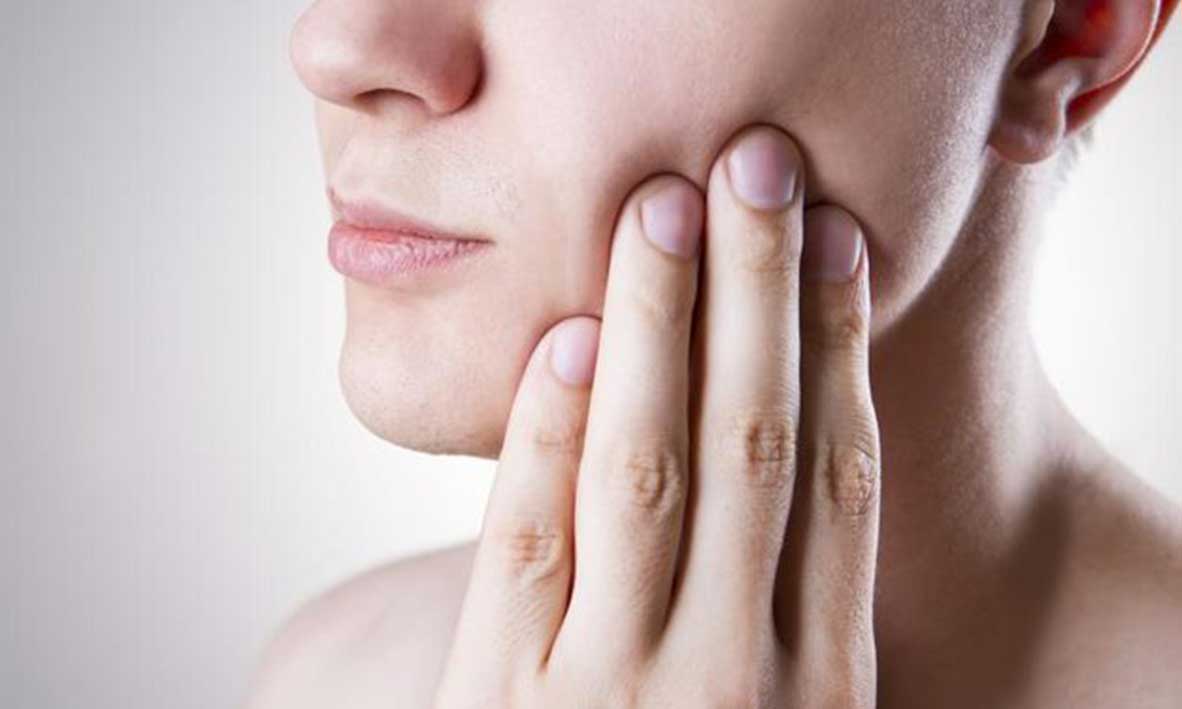
A severe toothache can, as many know, be a real nightmare. The pain can be horrible and, at its worst, it can be unbearable. And when pain is unbearable, people do silly things. If you Google toothache you'll quickly find page after page of advice on how to cope with it. Some of it's good, but an alarming majority of it isn't and can even make things worse.
Why Does a Toothache Hurt So Bad?
In many ways, a toothache is a unique form of pain unlike any other you might experience in your body. For starters, this is literally a pain in your head, so it's almost impossible to find a comfortable position that might help alleviate the pain in the way you might for, for example, a sprained ankle.
Secondly, a tooth does not respond to trauma in the way other parts of your body do. If you hit your arm hard it bruises, because the injury is being mitigated by a rush of blood to the damaged area that is the beginning of the healing process. But because a tooth is a solid, closed container - even though it's full of soft tissues and a surprisingly large number of nerves - the blood supply is not as plentiful and the healing process is not as effective.
Finally, often a toothache has an underlying, hidden to the untrained eye cause. If you have a broken or cracked tooth then the reason for the agony you're in is a little more obvious, as that sensitive soft pulp is usually exposed to the world and it's easy to understand why it hurts. However, if a tooth is infected or decayed, or perhaps there's an underlying gum problem, it's harder to see and harder to understand. In fact, all you know is that you're in pain and you want that pain to stop as soon as possible.
The Wrong Ways to Deal with Tooth Pain
As we mentioned, some people get pretty desperate when they are stuck with a toothache that just won't quit. Two aspirins didn't work, so they take four. Four don't work either so they take four more. That, however, is a terrible idea. The correct dosage of an anti-inflammatory OTC pain reliever might provide some relief - hopefully it does - but if it doesn't, taking so many more that you start to rattle a bit is not going to help.
It also won't help to try to booze away the pain. Well, it might for a little while, if you drink enough, but within a couple of hours you'll have a banging hangover AND a terrible toothache to contend with and, if you were also popping Advil, you could seriously have damaged your health.
Then there are those weird home remedies that Google's thrown up for you. A few temporary pain killing home remedies do work (more about that in a moment) but most are nonsense. Some suggest gobbling garlic over a visit to a dentist asap, but unless you are also dealing with a vampire infestation or something, that really won't help. And don't even think about trying something daft like pulling your own tooth, whatever Grandpa might say.
The Right Ways to Deal with Tooth Pain
A toothache almost never goes away on its own. And even if it does dissipate for a little while, it's usually back pretty quickly. For tooth pain you really do need to see a dentist and you need to see one asap. If, while you are waiting for your dentist to open, or for an emergency dentist to have you come in, you want to try rinsing with warm salt water or dabbing the painful tooth with clove oil (dabbing, not swallowing, the stuff can really burn) these are things that might provide a little temporary relief. However, in the end, even if you're not a big fan of them, a trip to the dentist is your best chance at finally getting rid of a toothache, and the sooner you get there, the faster you'll feel better.
Emergency Dentist Sydney Says:
Toothache is horrible and it's one of the biggest reasons emergency dentists exist in the first place. 'Toughing out' a toothache isn't being brave, it's being silly. So when toothache strikes at the wrong time, give us a ring, it's the only sensible thing to do.
Need Advice Or Emergency Dental Care In Sydney CBD?
Contact our friendly team

Mending A Broken Smile
Cosmetic Dentistry in the 21st Century...
Cosmetic Dentistry in the 21st Century
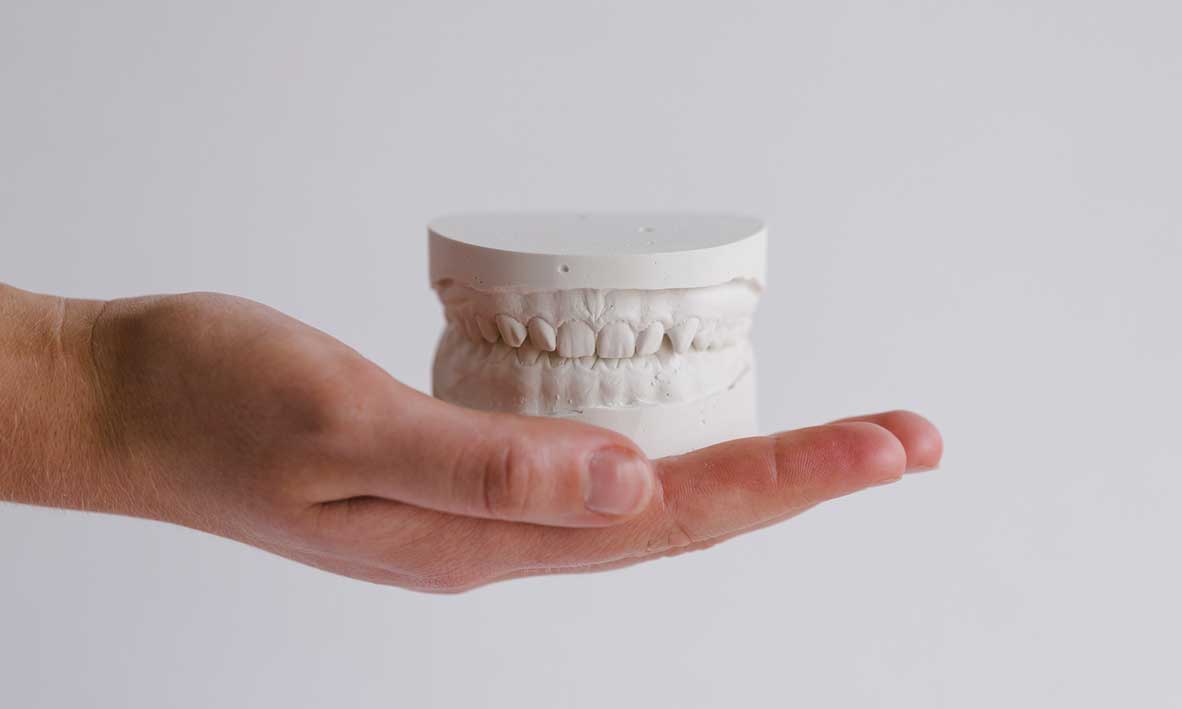
There is no doubt that the way your teeth look is important. And if they are damaged it's often hard to hide that fact, something that many find more than a little distressing.
The good news is that cosmetic dentistry has come a long way over the last few decades and it is continuing to get better and more innovative every day. This often means that even teeth that a person thought were beyond repair can not only be fixed but restored to their former glory in terms of aesthetics as well.
There are lots of ways teeth can be damaged and there are also a number of other cosmetic dental issues that simply develop to spoil your smile. Here's a look at some of the most common and how they are treated.
Missing Teeth
Losing a tooth as a kid is exciting. It means you are growing up AND you're likely to be waking up to a few extra dollars left in the night by the elusive tooth fairy (no, before you ask, even dentists have no idea what she wants all those teeth for) Losing a tooth as an adult is a very different matter. It's traumatic, shocking and ultimately very upsetting. How are you supposed to the face the world with that big embarrassing gap in what was once a nice smile?
Thanks to the skill of a good cosmetic dentist a missing tooth does not have to be the end of the world (or the end of that nice smile anyway) The treatments used vary according to the location and size of the missing tooth but bridges, crowns and implants are all ways that a 'gappy' smile can be restored to its former glory with relative ease.
Cracked/Broken Teeth
It's easier than you might think to crack, chip or break a tooth. They may seem tough but a particularly crispy apple, an argument with a pavement or a dozen other accidental scenarios are more than a match for tooth sometimes, and even though it survives the trauma it doesn't do so intact, leaving you with a damaged tooth that not only looks pretty bad but is also now prone to decay, infection and further collapse if not treated promptly.
Natural looking fillings, a treatment known as bonding, crowns and other cosmetic dental innovations can be used to correct all kinds of cracks, breaks and similar damage to teeth, but for them to be most effective you will need to see your dentist asap after the damage is first done.
Discoloured Teeth
Seems like everyone is in pursuit of that dazzling white smile these days. The chemist's is not really the best place to begin your quest though. Most over the counter whitening kits are both pretty ineffective and often contain harsh chemicals that can actually damage teeth. Your dentist, on the other hand, has the safe, effective and long lasting whitening solutions you are looking for, as well as a few tips for how changing the way you eat, drink and care for your teeth can keep them that way.
Emergency Dentist Sydney Says:
Cosmetic dentistry can work wonders, but don't overlook the fact that preventive care can also help keep teeth stronger, healthier and less prone to damage in the first place.
Patient Care First

Keep Up-To-Date with All Things Oral & General Health
RECENT ARTICLES


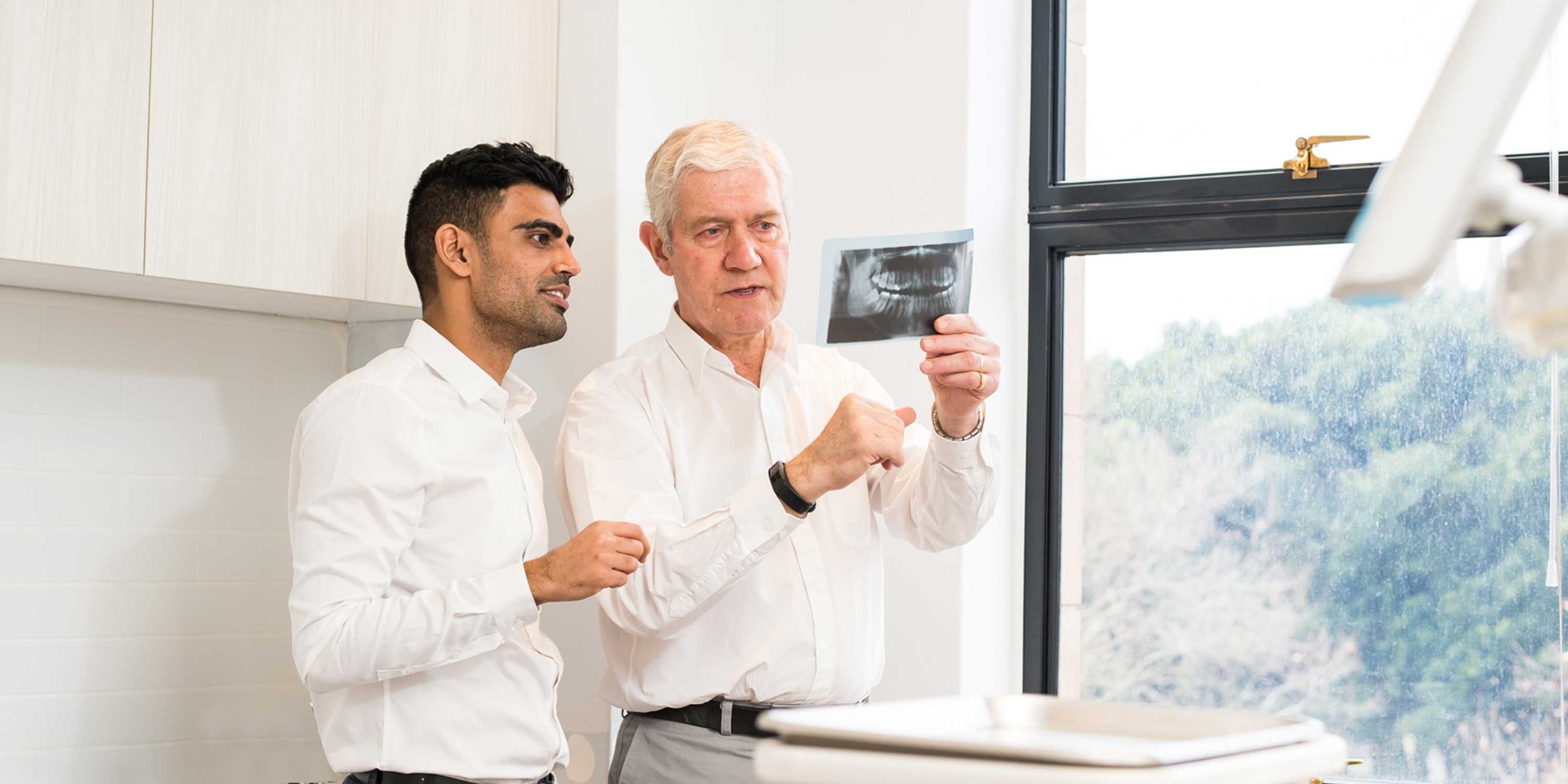









For 15 years, we've had one mission - when Sydney has a dental emergency, Emergency Dentist Sydney is there
We're proud to celebrate 15 years of providing emergency dental services to Sydney CBD and surrounding suburbs.