
Sudden Toothache and Emergency Dental Treatment
How We Can Help
How We Can Help
Those who have never experienced a serious toothache really don't know just how bad the pain from something as 'minor' as tooth pain can be. Most of those who have been through such pain before, on the other hand, understand all too well just how terrible toothache can be. And although it's often a matter of personal perception, somehow it often seems as if the toothaches that strike late at night, or at the weekend, when most dentists' offices are closed feels even worse than one that strikes during 'regular' business hours.
What Causes Sudden Toothaches
A bad toothache can strike like lightning - and in many cases be so painful that it actually feels like something hit you - but often the problem has been 'brewing' for weeks (or even months).
Untreated tooth decay 'suddenly' leads to the beginnings of a painful infection, or a nerve that has become exposed due to the decay becomes hugely sensitive. Or gum disease results in a painful abscess. Or that wisdom tooth you've been warned about (several) times before is trying to erupt again and causing pain that can be excruciating.
Trauma can lead to a severe toothache as well of course. A blow to the mouth, a tooth that gets cracked or dislodged or an injury to the gum line can all lead to a terrible toothache as well.
When is a Toothache an Emergency?
You've tried Panadol. You've tried taking the afternoon off. You've tried ice. You've tried heat. Your toothache isn't improving though, and, in fact, it seems to be getting worse. But is this really a situation that merits a visit to an emergency dentist or should you just try to tough things out until office hours, even though that is getting harder and harder to do?
In many cases, the simple answer is yes. No one should suffer needlessly, and so if the pain is severe, if it has come on very suddenly and/or has lasted for more than 24 hours a call to an emergency dentist really is the best course of action. It becomes even more important that you do so if your pain is accompanied by a fever or is radiating to other places - your ears for example - as well.
Whatever the cause of your pain is eventually determined to be (more about that in a moment) prompt action can not only help you stop the pain faster but may also help save your tooth (or teeth)
What Can an Emergency Dentist do for Toothaches?
What an emergency dentist will do for your toothache depend upon what the problem is determined to be. Therefore, that will be the first order of business, by way of a full examination and a set of x-rays. Once the cause of your toothache has been diagnosed your dentist will discuss treatment options with you, but they may include any of the following:
Removal of the tooth or extractions
Fillings
Gum Treatment or Periodontal Treatment
Root Canal Treatment
Can Toothache be Prevented?
Many of the causes of a sudden toothache are indeed preventable. Tooth decay and gum disease can often be prevented with simple good oral hygiene - brushing and flossing at least twice a day, regular visits to the dentist and routine care as needed. If you get into the habit of visiting your dentist every three to six months the simple fact is that you may never need emergency dental treatments at all.
Emergency Dentist Sydney Says:
If your toothache is severe, follow these emergency dental care tips. If it has lasted for more than 24 hours and you just can't take it anymore, give us a call.

Cracked a Tooth?
What to Expect When You Visit the Dentist
What to Expect When You Visit the Dentist
Cracked teeth happen, but they can happen in a number of different ways. A trip, a fall, a blow to the mouth. Biting down on an apple that's just a bit too hard. Grinding your teeth at night and doing so just a little too hard. Or maybe you notice that after such an incident your tooth doesn't seem to be cracked or broken but it does seem to have been dislodged or pushed back and that too is rather disconcerting.
Sometimes there isn't actually much pain involved when a tooth gets cracked. Sometimes it's only painful when you eat or drink something very hot or very cold. Sometimes there is lots of pain. So, when should you actually see a dentist? Should you even bother?
The answer to the second question will always be a 'yes'. Whenever a tooth has been cracked, fractured or dislodged there is a very real danger of permanent damage. Should you see a dentist on an emergency basis? That may vary from case to case, but to be on the safe side it may be a good idea to call an emergency dentist for advice as to how best to proceed based upon what has happened to you.
How are Cracked Teeth Treated?
So, you are headed to the dentist to get your damaged tooth looked at. What can you expect once you get there? That again will depend very much upon what damage has actually been done to the tooth. In some cases, cracked teeth can cause nerve damage as well as damage to the outer surface of the tooth. In others, there may be a danger of infection to any exposed pulp. And in almost every case we see, a patient is concerned about what can be done to minimise the aesthetic damage to their smile.
Common treatments for cracked or broken teeth, however, include all of the following:
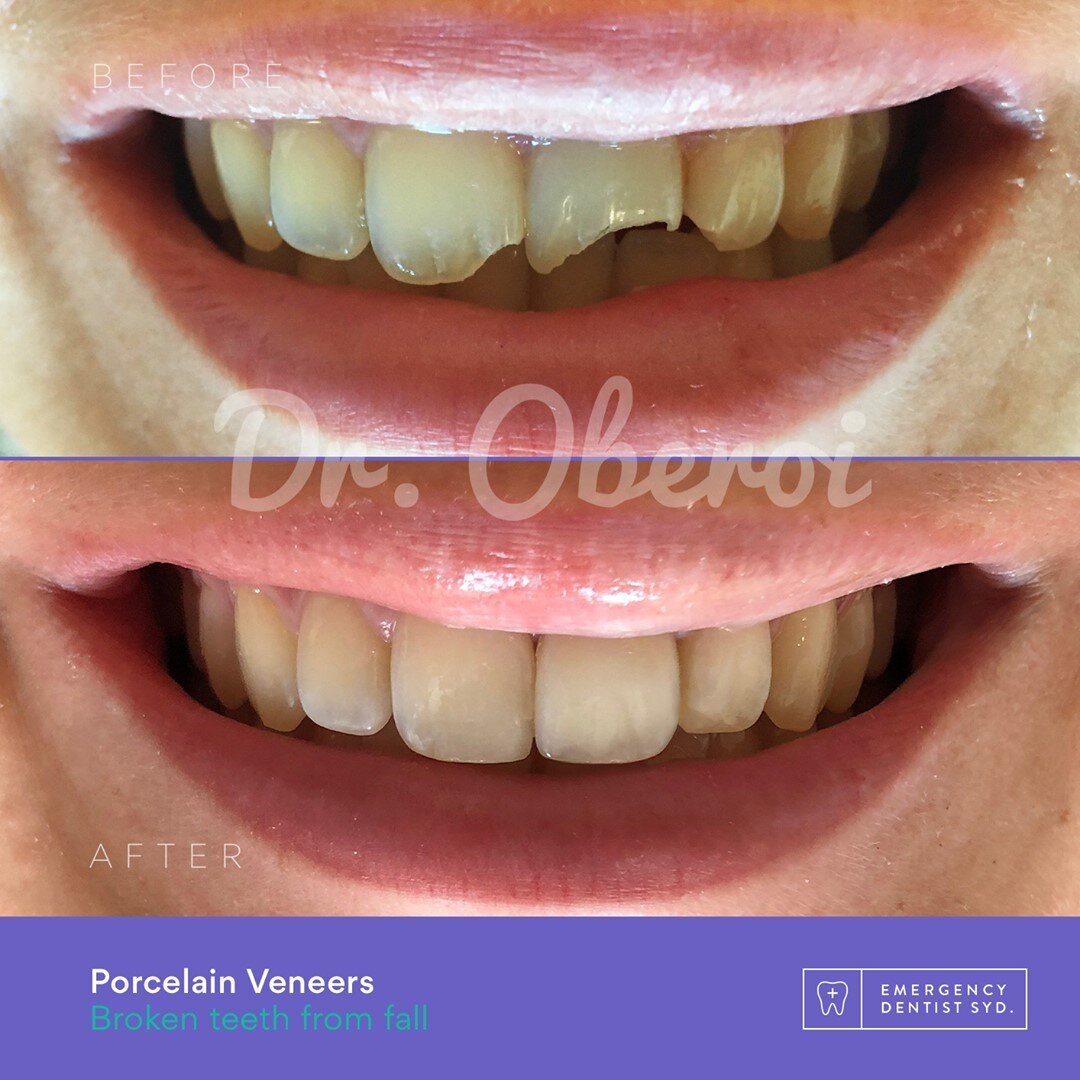
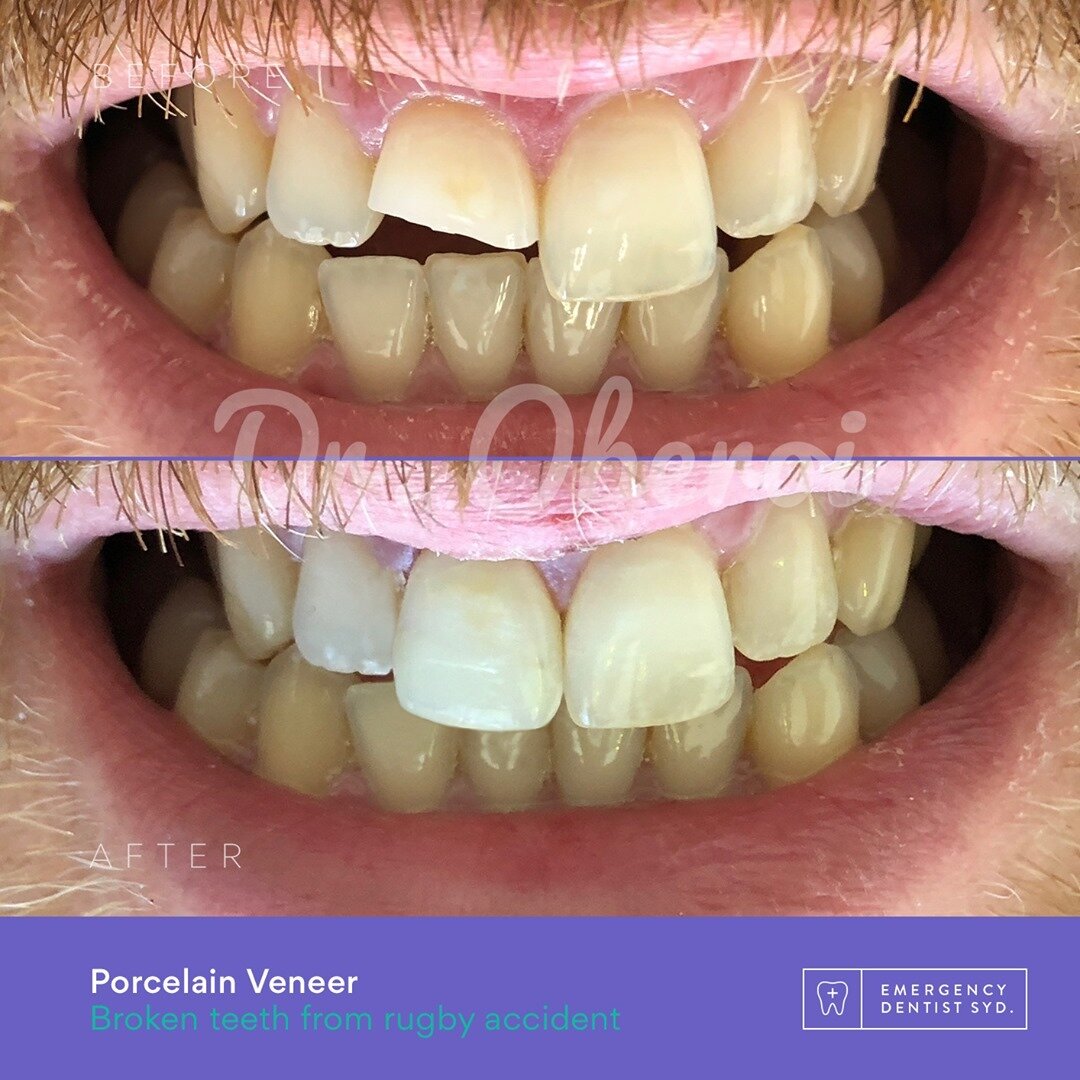
Porcelain Crowns or Veneers
Temporary braces or brackets
Teeth Whitening
Removal of the teeth or Extractions
Gum Treatment or Periodontal Treatment
As you can see, the possible treatments vary quite widely. Just which will be appropriate for you is a decision you and your dentist will make after you have undergone a thorough dental examination and, very importantly, x-rays, that will help determine just what damage has been done.
Whatever treatments you do eventually need for your cracked or dislodged tooth the one thing you should not do is ignore the problem or put off a trip to the dentist. Modern dental techniques can help repair all kinds of damage and save teeth that may otherwise have had to be pulled, but often time is of the essence.
Emergency Dentist Sydney Says:
Cracked or dislodged teeth can be effectively treated and repaired. Prompt treatment is the key, however, so the faster you see a dentist after cracking a tooth the better

Knocked Out Tooth?
Don't Panic, There's a Chance It Can be Saved
Don't Panic, There's a Chance It Can be Saved
Getting a tooth knocked out can feel like a nightmare. Although it may not be the most serious injury in the world, it can certainly seem like the world is close to ending. Who wants to be called Gappy when they are an adult? It was cute when you were six and knew it was very much a temporary situation, but a knocked-out tooth as a grownup? It sends shivers down most people's spines just thinking about it.
As shocking and scary as it is, thanks to modern dentistry if your tooth is knocked out, putting things right is a lot easier than it used to be, and the chances you won't lose your lovely smile for very long are high. As long as you take prompt action that is.
Dealing with a Knocked-Out Tooth: Immediate Steps to Take
Whether the cause is a sports injury, an accident, or you got into a fight - either with someone else or the pavement - it is important to know what to do immediately after a tooth has been knocked out.
When a tooth is knocked out it is quite literally severed from the socket (that's just one reason why it hurts so much) and usually, the ligament that once attached it to your gum and jaw is destroyed. The tooth can still be saved at this point, but you'll need as many of the tiny nerve fibres to remain attached as possible.
This means you'll have to be very careful when you pick up the tooth (we're assuming here it can be located) You should pick it up by the crown only, never the root. Pick it up the wrong way and those precious fibers will be gone.
Once you have the tooth, wipe away excess dirt (carefully) and either set it back into the socket or hold it between your cheek and gums in your mouth. Bathing your tooth in your saliva will help keep it alive. If you can't place it in your mouth putting it into a glass of cold whole milk is the next best thing.
At this point somebody - possibly not you as your mouth is busy trying to save a knocked-out tooth - should be on the phone with an emergency dentist. A tooth that is lost due to an accident has an 80-90% chance of being saved if these procedures are followed and you can get to the dentist's office quickly.
A healthy tooth that is. If a knocked-out tooth was loose already, something that is usually caused by periodontal disease, none of these measures may help, as a diseased tooth is usually beyond that at this point. You should still head right to the dentists though, as the damage done to the gums and potentially to surrounding teeth still needs to be accessed asap.
Preventing Tooth Loss
Accidents happen. We understand that. But there are some things you can do to help prevent getting a tooth knocked out in the first place. Some sensible measures include the following:
If you play sports, wear a mouth guard. Not just if you play cricket or footie and there are flying objects involved, but when you participate in any sport. You never know when an opponent’s arm, or the track, might connect with your face and knock your tooth out. You need to make sure it fits well though, so talk to your dentist and they'll help you find the right one.
Practice good dental hygiene and visit your dentist regularly to prevent gum disease and decay. As we already mentioned, an unhealthy tooth is knocked out far more easily than a healthy one and once it's out there's rarely any putting it back in.
Think when you drink. Yes, there's still tons of fun to be had, even if the summer's winding down. And while we are not suggesting you give up enjoying everything that Sydney has to offer - including all the great pubs and clubs - drink with care.
Once you get a bit beer wobbly you are far more likely to fall down and kiss the pavement (ouch, it hurts just thinking about it) and/or get into a bit of fisticuffs with a fellow 'happy' reveler. If you are drinking, take it steady and if you really can't walk straight (oops) don't try. Call a taxi, call an Uber, call a mate but don't try to walk home and certainly don't drive.
Emergency Dentist Sydney Says:
With prompt action a knocked-out tooth can often be saved. Just another reason why it pays to have our number in your phone, as you never know when you might need it at 2 am!

Loose Teeth
What to Expect from a Visit to an Emergency Dentist
What to Expect from a Visit to an Emergency Dentist
When you are a little kid a loose tooth is actually kind of fun. The adults think it's cute - there are probably at least one or two shots in the family album of a younger you wiggling a loose tooth for the camera - and as a kid, you know that when the tooth falls out it's time for the Tooth Fairy to pay up. And what child wouldn't look forward to that little windfall?
When you are an adult, however, and have the set of teeth that are now supposed to last for the rest of your life, it is no longer a laughing matter when a tooth is loose. It's not funny or sweet and, as far as we know, the Tooth Fairy isn't a big fan of grown-ups. Instead, a loose tooth in an adult is a cause for concern and often, for the person the tooth belongs to, a bit of a cause for panic.
The first thing we can say, as emergency dentists, is DON'T PANIC. There are many reasons why an adult might have a loose tooth, but with the right, prompt dental care there is a very good chance that the tooth can be saved.
What Causes Loose Teeth in Adults?
There can be all kinds of reasons why a tooth 'comes loose' in an adult's mouth but some of the most common include:
An accident in which the tooth has been hit or damaged
Gum disease surrounding the tooth which has loosened it over time
Decay that has become advanced enough to destabilise the tooth
Other factors, such as grinding your teeth in your sleep.
What Should You do if You Have a Loose Tooth?
See Your Dentist as Soon as Possible
This really should be something of a 'no-brainer' but many people actually avoid calling the dentist when they have a loose tooth because they are sure that it's a sign that they are going to need extensive dental work and sometimes the fear of that almost outweighs the fear of losing the tooth.
However, that may not be the case and by delaying dental treatment you could be throwing away any chance that the tooth can be saved. And even if it cannot a dentist can help ensure that the area surrounding the tooth is kept clean and free of infection and that the right ongoing treatments to deal with the situation are then planned. So, the basic advice here? Make that call as soon as you can.
Don't Play With it
While you wait to see a dentist resist the temptation to 'play' with the loose tooth. Don't wiggle it, don't pick and it and certainly never attempt to pull it yourself, even if it feels 'really loose'. As an adult doing so increases the risk of both infection and excessive bleeding and neither of those things could ever be described as fun (and could have serious implication for both your oral health and your general health overall)
Eat Soft Foods
If you are not heading to the dentist right away, you don't have to starve yourself while you wait but you should be careful. Avoid hard or sticky foods and keep that loose tooth as clean as possible but do so carefully. The best plan of action? Stick to soft foods and clean all off your teeth gently, being especially careful with the one that is loose.
What Will a Dentist do for Your Loose Tooth?
As you will discover when you get to their office your dentist will have a number of options for treating your loose tooth, and which one they choose will depend upon the unique situation at hand. However, some of the most common treatments include:
Tooth Splinting - This is a procedure in which the loose tooth is bonded to the teeth surrounding it to give it a chance to stabilise and re-implant firmly
Gum Treatments - Gum disease often leads to the gum 'losing its grip’ on a tooth, making it feel very loose. Treating the gum, with deep cleaning and other techniques can often begin healing the damaged gum tissue and, as the healing process proceeds the newly healthy gum will tighten around the loose tooth, securing it where it should be once more.
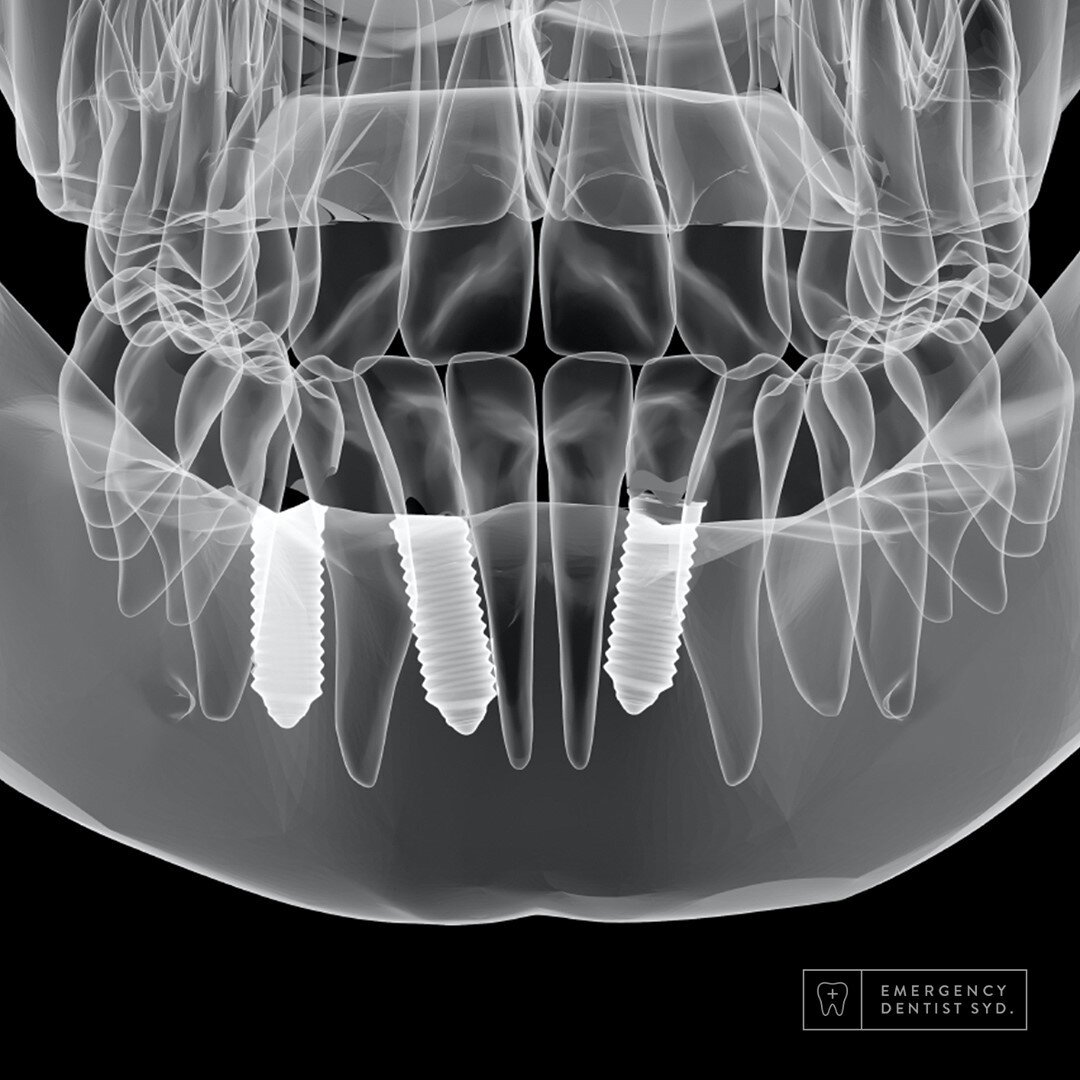
Extraction - Sometimes a loose tooth can't be saved. After it has been safely extracted and the socket and gum area has been thoroughly cleaned and treated discussions can begin between dentist and patient about preparing for an implant to be placed to replace it.
Emergency Dentist Sydney Says:
A loose tooth is concerning but should not be a cause for undue panic. Seeing a dentist as soon as possible can significantly increase the chances that the tooth can be saved while also helping to ensure the health of all your other teeth as well.

Common Emergency Situations
What Problems Do We See Most?
What Problems Do We See Most?

At Emergency Dentist Sydney, we are often asked just which dental emergencies we treat most often. And while we certainly see all kinds of cases - you might be surprised what we see - there are indeed certain dental emergencies that we spend more time dealing with than others. Here's a brief look at some of them:
Loose Teeth
There are a number of reasons why a tooth loosens but often when patients come to see us it is because their tooth has been loosened as a result of a trauma; a sports injury, a fall in which the tooth has been damaged and yes, sometimes when it's owner has been on the receiving end of a blow of some kind. A loose tooth isn't always a tooth that is destined to be lost though, as, if it's deemed appropriate a loose tooth treated quickly can be replaced and saved.
Knocked Out Teeth
Getting a tooth knocked out is a traumatic experience no matter who it happens to and just how the injury occurs. In years gone by once, a tooth was knocked out it was thought to be pretty much the end of it, and a dentist's primary job at that point was to 'clean up the mess' and then help patients make a plan to move on without the tooth. These days however with prompt and expert treatment a knocked-out tooth can often be saved.
Fractured Teeth
A fractured tooth, just like a fractured bone elsewhere in the body, can be more of a problem than people often think. As is the case with bones, fractured teeth vary in severity as well, from small cracks and chips that may call for primarily cosmetic dentistry to deep fractures that may have damaged the root of the tooth, calling for a more serious surgical procedure.
Toothache
There are lots of different reasons why a tooth might hurt, and the middle of the night is not a time that anyone really wants to start playing guessing games. That's why a great many patients we see on an emergency basis simply know that they are in terrible pain that just won't seem to quit and they leave it up to us to figure out why that is and what we can best do to help.
Acute Pain
Not all mouth pain is radiating from the teeth. Damaged and/or diseased gums or even an abscess may be to blame instead. When treating patients in acute pain on an emergency basis we can often help determine just what the problem is quickly and begin treating the cause of the pain effectively, and not just the pain itself.
Tender, Inflamed or Bleeding Gums
Not every case of swollen or bleeding gums needs to be treated on an emergency basis but there are some that call for swift treatment in order for patients to make the best possible recovery, especially as bleeding gums can often be a sign of another oral health problem as well.
Emergency Dentist Sydney Says:
Not sure if the dental problem you are experiencing is an emergency? Give us a call, we'll help you figure it out.

Health Funds
What do you accept?
What do you accept?
Even if they are in a great deal of pain, - which is far from unusual - when people call about visiting an emergency dentist they are concerned about just how they are going to cover the cost of their visit. One of the questions heard often is a simple one; "what health funds do you accept?"
Emergency Dentistry and Health Funds
One of the biggest reasons that many Australians choose to participate in a private health fund is to gain better access to dental care. Therefore, it’s little surprise that they want to try and make sure that any tie they need dental services of any kind they are covered by their particular health fund.
In answer to the question "what health funds do you accept?" at Emergency Dentist Sydney, we can honestly say 'all of them'. We do not have a preferred provider; we are willing to work with them all. In doing so we ensure that everyone has access to great dental care in an emergency and that worries about coverage are taken out of the equation and patients can concentrate on dealing with the real issue at hand; getting their dental emergency taken care of.
This means that at Emergency Dentist Sydney we can accept all the following health funds:
Using Your Health Fund Coverage at Emergency Dentist Sydney
When you visit us, and it’s planned that you’ll be receiving a dental treatment covered by your health fund, you will be able to claim instantly at your appointment, providing you can present your health fund identification (temporary ID cards are OK) to our staff at the time of the visit. Each claim is made individually, we don’t bulk bill as we are private providers and not a part of the public health system.
Emergency Dentist Sydney Says:
Because we believe that everyone should have access to the best possible dental care, both as a matter of routine and on an emergency basis, we make sure we can work with any health fund in Australia to allow more people to do so.

Do I Really Have a Dental Emergency?
What counts as one?
What counts as one?
It's late. Most businesses, including your regular dentist's office - have been closed for hours and won't be open again for hours either. Or if it's the weekend, possibly days. Which would usually be fine. Except you have a toothache that just won't quit. Or a chipped tooth that is both sharp and painful. Or, worse still, a tooth that is hanging by a thread, or knocked out altogether. But it is late, getting across town might be a pain and although you know that emergency dentists exist, don't they charge an arm and a leg?
The fact is that it is important to know what kinds of oral health problems or dental injuries do require emergency treatment and which can probably wait until a more civilised hour. No, if you can avoid a mad midnight dash to the dentist's it's probably more convenient, but it won't always be the best thing for your oral health.

Take that knocked out tooth for example. A couple of decades ago everyone would have told you to suck it up, stop crying and deal with the fact that the tooth was gone. These days a lot has changed and a tooth that has been dislodged can be saved, but usually only if you act fast.
The toothache that just won't quit? Even though you have taken the bottle-recommended dose of Nurofen - and then some Panadol - twice and it's still there throbbing away, although in a slightly more muted fashion than before? Is that worth a visit to an emergency dentist? Will they be able to help or is toughing it out until the morning the most sensible option here?
Figuring out what is or isn't a dental emergency can indeed be hard. However, as a general rule of thumb all of the following may very well be 'serious' enough to warrant the emergency trip:
A knocked-out tooth
A severely chipped tooth that is very sensitive (indicating that there may be nerve damage)
Objects stuck in the tooth
Severely bleeding teeth or gums
An abscessed tooth or gum area that is causing a great deal of pain.
One of the best things you can do in any potential emergency oral health situation is give an emergency dentist a call before you go anywhere. The staff at Emergency Dentist Sydney are available via phone 24 hours a day, seven days a week. They are all trained to help even the most panicked patients and advise them about the best way to proceed to treat their unique dental emergency.
That might involve coming in to see a dentist right away, making an appointment for the next day or, in some rare cases, proceeding to the hospital emergency department instead.
The one thing you should not do is wait and wonder. It's only a simple phone call and if it turns out the problem can wait no one will think any less of you for having checked. Your oral health is hugely important - and so is your peace of mind - so no matter what the time it's better to be safe than sorry!
Emergency Dentist Sydney Says:
Want to learn more about dental emergencies and their basic treatments? Check out the informative guide we put together here.

Smokers vs. The Dentist
The Tough Truth
The Tough Truth
There's been a lot of good news about smoking in Australia recently. According to the Australian Bureau of Statistics the number of smokers in the country has decreased by nearly 10% over the last two decades. Back in 1994 one in four Aussie adults smoked. By 2015 that had been cut to one in seven, and the numbers are still dropping.
However, that's still plenty of people lighting up on a regular basis. Do most of those people probably want to quit? More than likely. But it's tough, we know that. Lots of folks have to try, try and try again before they finally manage to kick the habit for good, so if you're struggling, you're not alone.
The one thing we do know as dentists is that whether they are actively trying to stop smoking or not, lots of smokers avoid coming to see us. And even if they do, they are often embarrassed, because they know that the lingering 'smoker's breath' and the discolouration years of nicotine causes on the teeth isn't attractive at all.
There are however, even bigger oral health concerns that smokers should be aware of. Smokers are at an increased risk for all of the following:
A dulled sense of taste and smell, even if they don’t know it. Often, when a person stops smoking it's the first time they realise all of the wonderful taste experiences and everyday scents they've been missing!
Slow healing after a tooth extraction or other dental surgery. This can seriously impact the effectiveness of what can be rather helpful and sometimes even transformative oral health treatments.
Gum disease. Gum disease is nasty stuff. It does not just affect smokers of course but it does tend to be a little worse, and harder to treat effectively, if the patient being treated smokes.
Oral cancer. This is obviously the biggie. Not to be overly heavy but smoking seriously increases the risk that you will develop some form of oral cancer.
By the way, we should point out that it is not just cigarette smokers who are at an increased risk for these oral health problems. Cigar smoking and tobacco chewing can be just as bad. And the bad news for vapers is that an increasing number of dental case studies and research projects are finding that vaping can potentially be as bad for your oral health as smoking regular cigarettes.
The one thing you should not do as you try to kick your habit though? Avoid seeing the dentist on a regular basis. Dentists, although yes, we will try and encourage you to stop smoking/vaping are not overly judgmental people. We get that it's hard and what we'd like to do is to address any damage you've already suffered to your oral health as a smoker while helping you learn to minimise future problems.
If you are still smoking, try all of the following, starting today:
Cut down as far as you are able. Every little step counts!
Pay particular attention to brushing your teeth at least twice a day
Try making use of a smoker's toothpaste (but make sure it's one that contains fluoride too)
Keep trying to quit. It really is better for your oral health, your overall health and even all the people around you.
Emergency Dentist Sydney Says:
Smoking is not good for your health, including your oral health. But it should not be a reason to skip dental treatment. Sticking to your regular checkup schedule - and seeking help right away if you experience tooth pain - can help minimize the damage smoking does to your teeth and gums.

Recognising the Connection Between Nutrition and Health
The Dental Diet
The Dental Diet
Weston A. Price D.D.S died over 70 years ago, but he remains a legend in the worldwide dental community. Although mild-mannered and almost nerdy looking in the photos that remain of the Cleveland, Ohio, USA native Dr. Price is regarded by many as the “Isaac Newton of Nutrition" and one of the pioneers of modern dentistry.
Price spent most of his working life seeking to solve the puzzle behind a question that had haunted him since dental training school; what were the "factors responsible for fine teeth among the people who had them?" After decades of travel to the four corners of the world and the endless study of all kinds of people (and their teeth) Price concluded that nutritional deficiencies had a far bigger part to play in poor dental health and even in dental deformities (crooked teeth, overcrowded teeth, cavities) than had ever been thought before.
Fast forward to the 21st century and one Australian dentist has revisited these older theories and added some of his own, resulting in the publication of a new book, The Dental Diet.
Dr. Steven Lin, who trained in dentistry at the University of Sydney but also had a previous background in biomedical sciences, first became interested in Price's theories on the connection between nutrition and dental health several years ago but was skeptical of them at first as they did not quite match what he had been taught in dental school.
Delving further into them, he found himself beginning to agree. He now practices as a preventative dental health consultant, espousing his belief to the masses both via his practice and his book.
One of the biggest reasons that Lin changed his mind was the fact that he, to a certain degree, experimented on himself. Believing he consumed too much sugar (despite telling his own patients to cut down) he cut it out altogether. Feeling better he quickly realised that the sugar had seemingly been doing more than just endangering his own teeth.
He surmises that certain nagging health conditions - getting colds and flus several times a year, low energy levels, insomnia and the slow healing of injuries - which he personally experienced an improvement in - could all be chalked up to his excessive sugar consumption.
In his book, Lin argues that all kinds of dental health problems, including crooked and rotten teeth, and inflamed gums may be caused or worsened by poor dietary choices and even basic oral health measures such as twice daily brushing and flossing may not be enough to overcome the damage a poor diet does to the teeth and gums.
Whatever you may think of Dr. Lin's theories one thing is for sure; sugar is terrible for dental health and yes, the poor diet and dental health connection does make sense. Will adopting the kind of diet Lin suggests help prevent visits to the emergency dentist? It certainly can't hurt to try. Combine a better diet - there is a focus on fruits, veggies and vitamins in Lin's book - with good accepted oral health practices and it only makes sense that you - and your teeth and gums - will be at least a little healthier, especially if you can avoid the accepted 'dental demon' that is sugar as often as possible!
Emergency Dentist Sydney Says:
If you are interested in these theories you can pick up The Dental Diet here. And don't forget, another accepted part of maintaining good oral health are regular dental checkups so if you haven't seen a dentist for a while don't forget that we're here whenever you need us, whether you have an immediate emergency or not.

After the Emergency
Follow Up Treatments Explained
Follow Up Treatments Explained

Our name (sort of) says it all. Emergency Dentist Sydney. We're the people you can turn to at two in the morning on a Saturday night to help get rid of that terrible toothache that is making your life a misery (to say the least).
That is not, however, all we do. While we do everything we can to help you during your first visit to us, very often the real cause of that pain calls for follow-up treatments of a number of different kinds. The good news is that the same friendly, helpful and skilled dentists who helped you out during your emergency visit are ready, willing and able to perform those as well.
Common Emergency Follow Up Treatments Explained

You might be wondering what kinds of follow up treatments are called for after a visit to an emergency dentist. Here's a quick look at some of the most common:
Laser Root Canal
The days when all dentists wanted to do was yank teeth out are long gone. Losing a tooth - even one 'hidden away' at the back of the mouth - can be a very traumatic experience - so these days an extraction is usually only considered as a last resort.
Root canals can be used to save a tooth that has been damaged by decay or infection but of all the dental procedures people can undergo it's the one people are most scared of. Everyone always seems to be able to tell a horror story about the terrible time their Mum/Granny/best friend had with a root canal and those gory tales alone often put people off.
The fact is though that root canal procedures have changed a great deal, and that is especially true of the root canals we perform. We've replaced the scary, noisy drills and sharp pointy things with lasers. The lasers are as effective - often even more so - and most of our patients find that their pretreatment fears were completely unfounded after all.
Crowns and Veneers

Broken teeth can be a nightmare too. Not only do they usually look less than appealing but a broken or chipped tooth is a magnet for infection and recurring pain. Crowns and veneers can be used to solve this problem and many others, including misshapen teeth and to protect a tooth that has been restored by a root canal.
Veneers and crowns today are a far cry from those used even as little as ten years ago. They look very natural, can be custom fit to suit any mouth.
Other Treatments
Sometimes the causes of the pain that sends a patient to us in the middle of the night are not quite what they expected. For example, did you know how much trouble (and pain) something like gum disease can cause? Or a stubborn wisdom tooth that cannot even be seen with the naked eye? The good news is that we have the expertise to treat these conditions as well.
Whatever the reason you initially come in to see us for there is one thing we can promise you. You'll never leave our office without a plan for future dental treatment and care that has been fully discussed with you, including the costs involved.
Emergency Dentist Sydney Says:
Although many of our patients first come to us as a 'last resort' we're happy to say that lots of them keep coming back. We're committed to providing the best possible oral health care for everyone, not only in their 'hour of need' but for years to come.

My Tooth is Killing Me
But How Much Will It Cost to Fix It?
But How Much Will It Cost to Fix It?
You are in pain. Agony actually. The toothache you've been trying to ignore for days because you were a little too busy to make it to the dentist (which is not exactly your favourite place to hang out anyway) refuses to be ignored any longer. Or respond to any kind of pain medication you can find in your bathroom cabinet or at the chemists.
Oh, look though, there's an emergency dentist. In Sydney. Not too far away actually. And they're open! But hold on. How much is it going to cost? Even through a fog of pain, our thrifty side tends to kick in. Which is understandable. That's why today we thought we'd spend a little time going over the basic costs associated with coming to see us.
Basic Costs Explained
Every toothache is different. Every toothache has a different cause and will require a slightly different treatment. So, putting an absolute, guaranteed price on your whole visit to an emergency dentist is impossible to do. We can, however, walk you through the basics so you have a better idea of to expect:
Step 1: Book an appointment online or on the phone
We are open 24/7 but taking a few minutes to book your appointment with us online - or over the phone - lets us know you are on your way so that we can be better prepared to help you as quickly as possible when you arrive.
Step 2: Head Down to See Us
We're not hard to find if you haven't been to see us before. We're opposite Hyde Park, The Sheraton on the Park and lots of buses stop right outside our door. If you do need help getting to the practice visit our Find Us page for more details.
Step 3: When You Arrive
The basic cost of a consultation - no matter what time of day or night - is $100. If you need a prescription - which many patients do as infected teeth are some of the most common problems we see - we can tell you that the cost will increase by another $50. during the consultation our dentists will examine you and determine additional costs as needed.
The one thing you should know is that every recommended treatment - and its associated costs - will be fully discussed with you before we do a thing beyond a basic examination. We pride ourselves on being as upfront and transparent as possible, as we understand that no one likes nasty surprises when it comes to money!
Step 4: After the Emergency
Many of the patients we see on an emergency basis do require follow-up treatments. We can offer patients all kinds of services to help ensure that the real cause of their dental emergency is addressed, and not just masked. These range from extractions and root canals to crowns, implants and veneers. However, once again, everything - including the costs involved - will be thoroughly discussed and explained.
Emergency Dentist Sydney Says:
We pride ourselves not only on the high quality of our services and the expertise of our dentists but also on the fairness and affordability of our pricing.

The Truth about Temporary Fillings
They're just temporary
They're just temporary
Temporary fillings seem like such a strange idea. After all, if you have a hole in your tooth, why would your dentist only fit it for a short time?
But this is a simplistic view. Temporary fillings can be a very useful tool if used in the right circumstances. They’re a short term solution that eases the pain of damage and makes it possible for you to go about your life as normal until you can get the proper treatment. If you need to get a temporary filling, here is a quick guide to their use and care.
What is a temporary filling?
A temporary filling is a filling that has been placed to seal or build up part of a tooth. It is generally made from softer materials and is not intended as a permanent solution.
What is the procedure for a temporary filling?
The procedure for a temporary filling is similar to the procedure for a normal filling except much shorter. There is hardly ever any drilling or teeth shaving required, because the filling is not meant to be there forever, and so it can be done quickly so the patient can go about their day again. There are usually no needles needed for this procedure either.

Why do temporary fillings fall out?
Temporary fillings are temporary treatments for a number of problems. They aren’t meant to last forever. If you get a temporary filling, and don’t go back for the treatment, the filling will fall out sooner or later. Generally speaking, a temporary filling can last anywhere from a couple of days to a few months depending on where it’s located. This is dependent on other factors of course, such as general mouth health, food intake, and whether you ‘play’ with the filling a lot. But, if you’re careful and you go back to your dentist for the proper treatment, your temporary filling should last until the dentist can put something more permanent in there.
How can I care for my temporary filling?
When you have a temporary filling, mostly you need to be careful what you eat. Biting into hard foods such as nuts or seeds can cause the filing to come loose and fall out. If possible, chew on the side away from the filling. Apart from this, you can brush your teeth as normal without dislodging the filling. Just make sure you keep your tongue away from it as well. When temporary fillings fall out, it’s often because the patient is constantly digging at it with their tongue. With this kind of treatment, it’s no wonder they don’t last.
Emergency Dentist Sydney Says:
If you need professional and compassionate dental care, come and see us here at Paramount Dental Sydney. We’d be happy to work with you towards the best oral health of your life.
Need Advice Or Emergency Dental Care In Sydney CBD?
Contact our friendly team




Patient Care First

Keep Up-To-Date with All Things Oral & General Health
RECENT ARTICLES


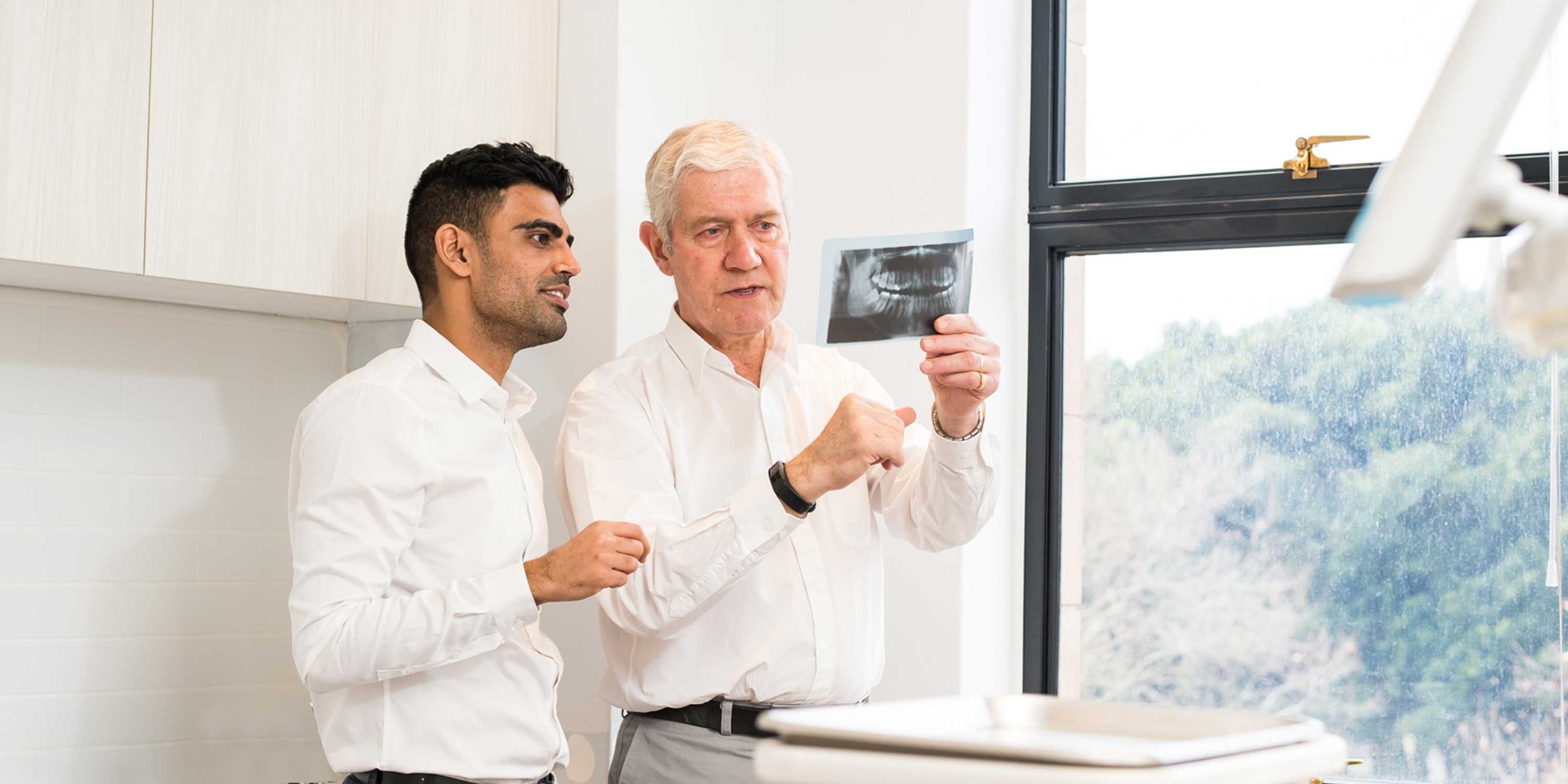




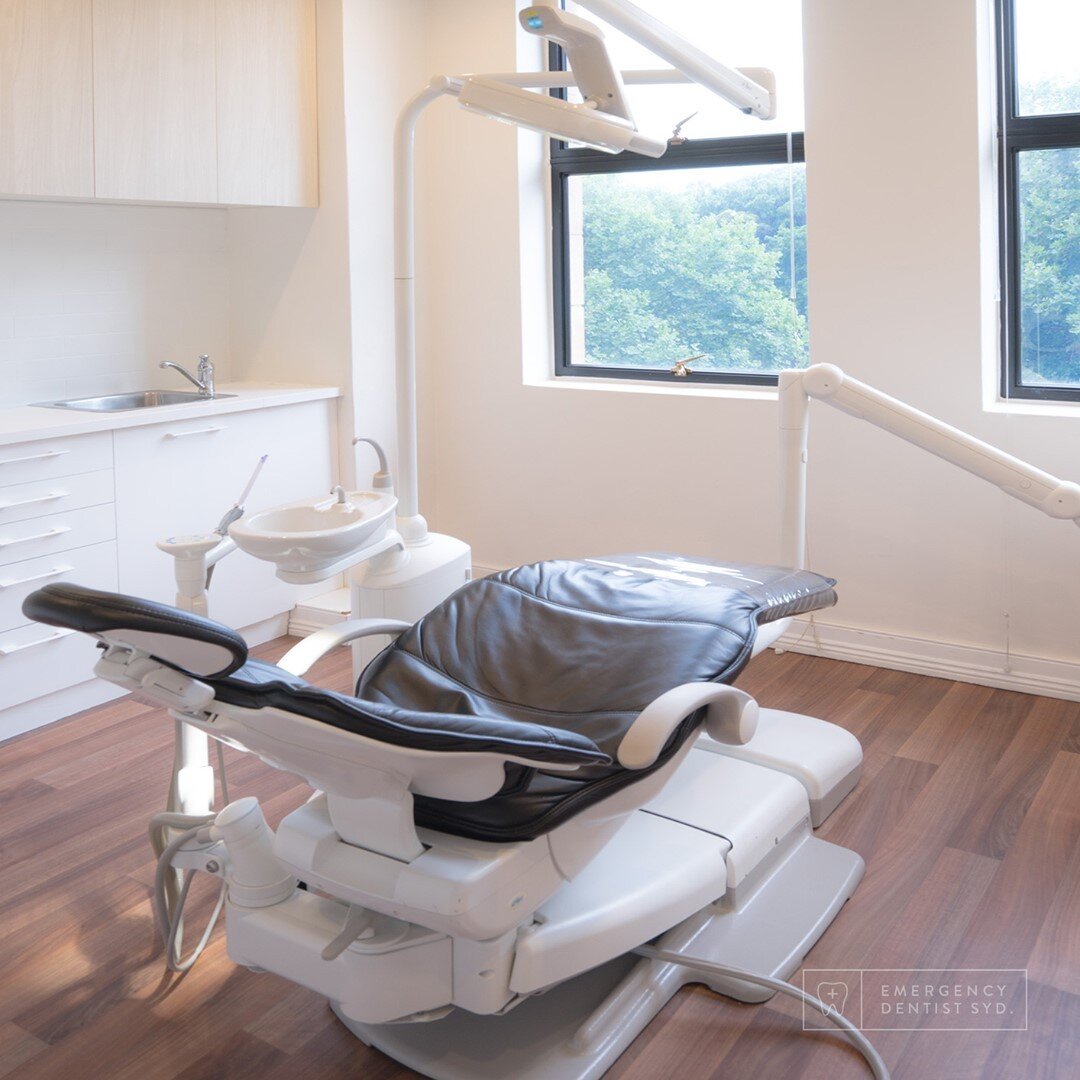
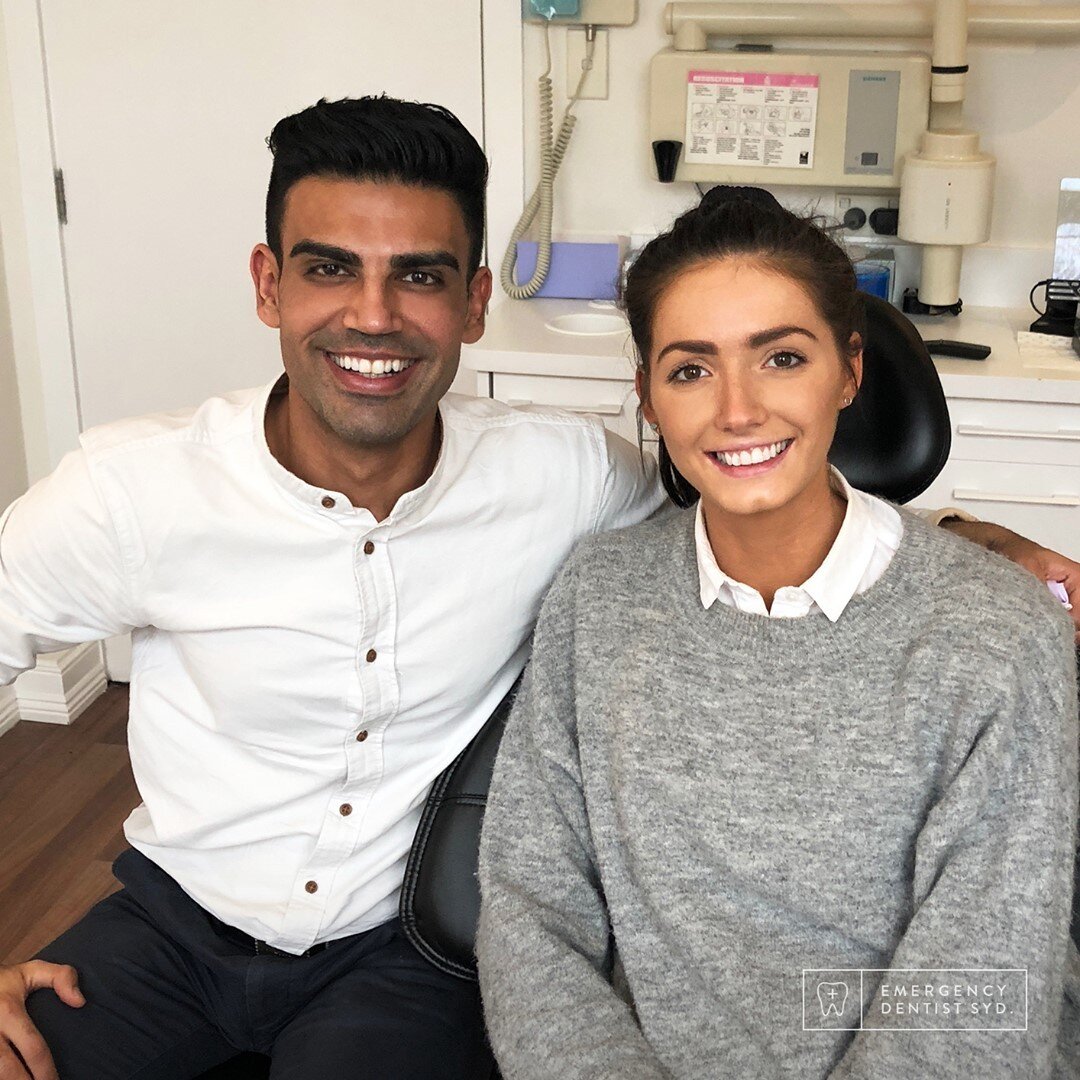




For 15 years, we've had one mission - when Sydney has a dental emergency, Emergency Dentist Sydney is there
We're proud to celebrate 15 years of providing emergency dental services to Sydney CBD and surrounding suburbs.