
Your Child’s First Lost Tooth
How to make it a positive experience
How to make it a positive experience
Losing that first tooth is an important experience for any child. It’s a sign that they’re growing up. And it’s also a sign that they need to take better care of their oral health because adult teeth don’t grow back if they’re lost. However, losing that first tooth isn’t always a positive experience. It can be painful, involve some blood, and even traumatise children, which can affect how they feel about their overall oral health. If you want to make this experience a positive one for your child, there are a number of things you can do.
The Impact of a Lost Tooth
For children, life is full of new experiences both positive and negative. And every experience influences their emotional development and how they feel about related events in the future. This is particularly true when it comes to their first lost tooth. According to research, about one in five children experience negative emotions like fear or pain with the loss of a tooth. This event is often paired with a trip to the dentist as well, which can negatively influence how they feel about dentists as well as how they feel about their oral health.
This combination of experiences can result in dental fear or a reluctance to visit the dentist that can last well into adulthood. And this is a problem because having regular dental check-ups is essential if you want good oral health over the long term. That’s why it’s so important that you make this important experience as positive as possible for your children.
Making a Tooth Loss Positive
There are a number of strategies that you can try to make the loss of a tooth a positive experience for children. Some of the most effective are as follows:
Build the anticipation
Research indicates that the longer children anticipate the loss of a tooth, the more exciting it is for them. So as soon as your child’s tooth starts to wiggle, start building their excitement about the day when it finally comes loose. This will give them a sense of pride and accomplishment.
Focus on the rite of passage
Most children want to grow up and be a ‘big kid’, and nothing proves how big they’re growing like a lost baby tooth. So help them focus on how grown up they’ll be once the baby tooth falls out rather than on the more negative aspects of the event.
Don’t use tools.
Never use tools like pliers to remove your child’s tooth. Baby teeth fall out when they’re ready and if you try to pull them out more quickly it will cause dental pain and bleeding.
Let your child take the lead.
Encourage your child to wiggle the tooth with a clean finger or with their tongue, but don’t make them do it. Let them lead the way and do as much as they’re comfortable with. This puts the control in their hands and will really help them feel the importance of this rite of passage.
Talk about the Tooth Fairy
The Tooth Fairy was created to remove the fear of losing baby teeth and for good reason. Promising a reward, monetary or otherwise, for every lost tooth is a great way to make the whole experience a positive one.
Emergency Dentist Sydney Says:
If you have any concerns about your child’s lost or loose teeth, contact our Emergency Dentist in Sydney. Our caring and expert staff are available 24 hours a day to help you with all your emergency dental needs.

Dental Implants
A Basic Guide to Replacing Your Tooth
A Basic Guide to Replacing Your Tooth
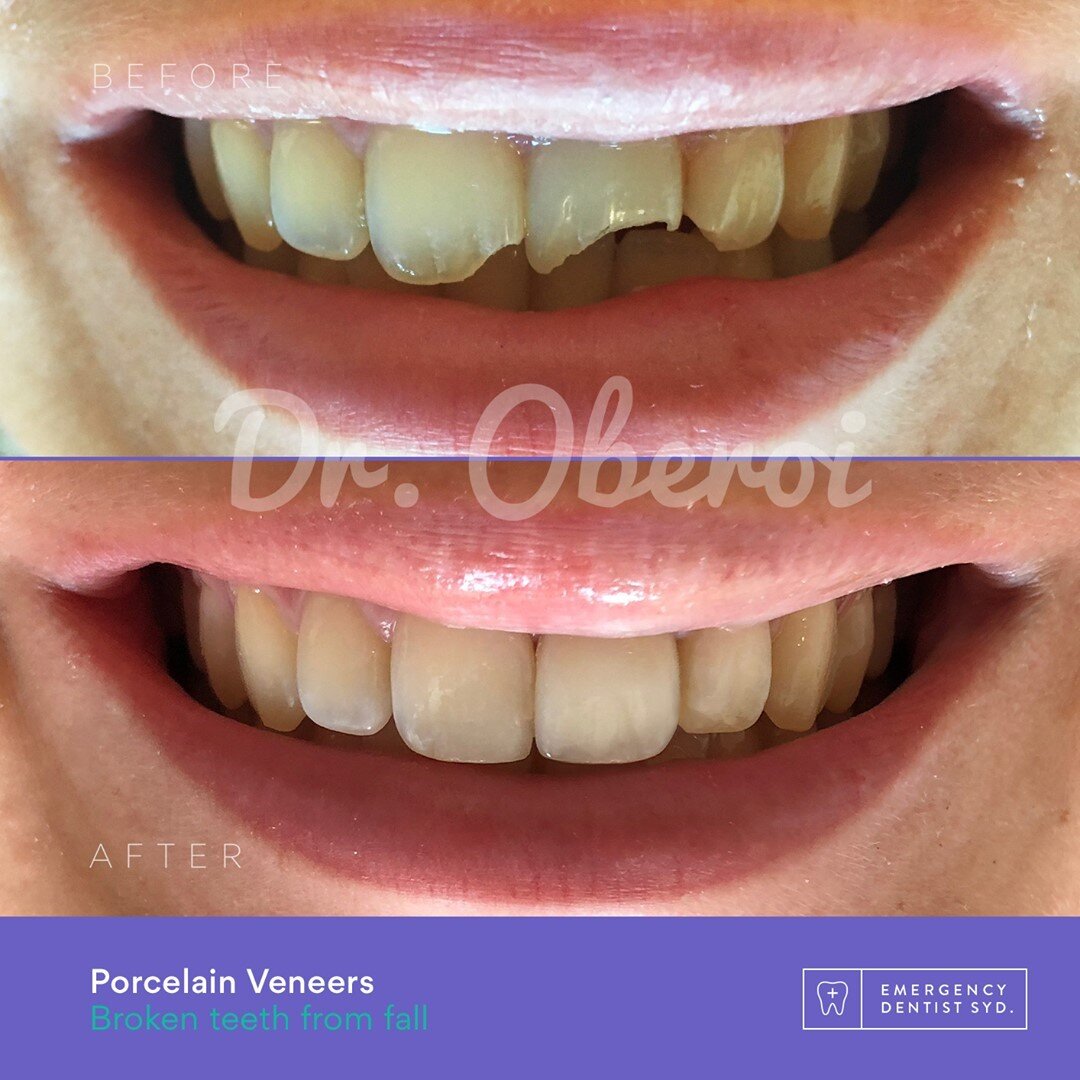
Dental implants are an effective treatment for cracked or broken teeth. It is a great option for people who have damaged a tooth due to sudden accidents or who have lost teeth due to decay and disease. Here’s everything you need to know if you are in need of a replacement tooth or teeth.
What are Dental Implants?

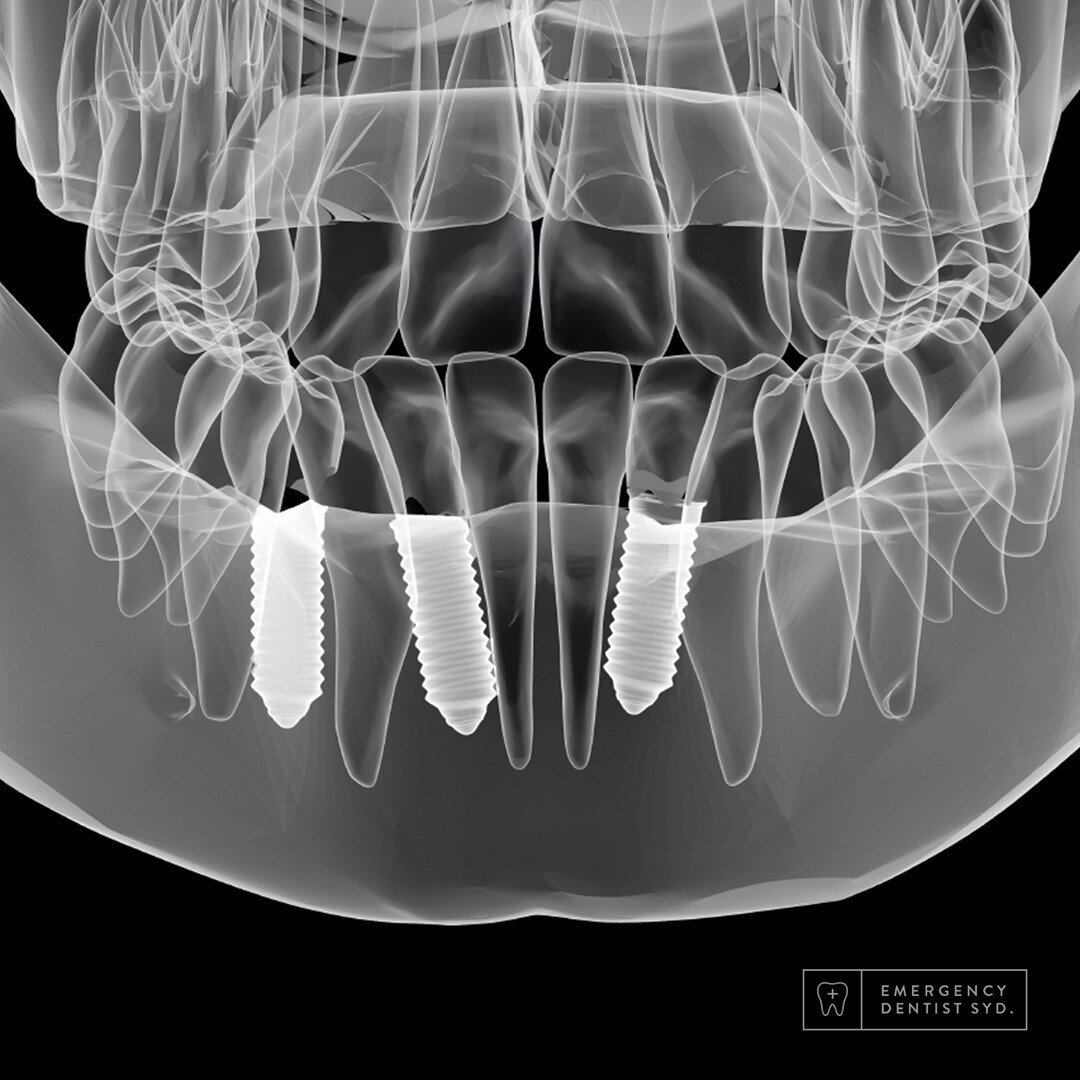
Dental implants are a permanent solution for badly damaged teeth. If you decide to get them or if your dentist suggests this treatment, the first step is to remove your broken teeth roots and replace them with metal posts. They are artificial roots made with strong and long-lasting materials. This procedure is the same whether you’re getting one tooth replaced or all of them. These metal posts can be cylindrical or can be a screw. Once your mouth has healed around these new structures, your dentist can attach brand new teeth to the metal foundation. Dental implants require several treatments, but once they’re in, they feel and look just like normal teeth.
What are the Advantages of Dental Implants?
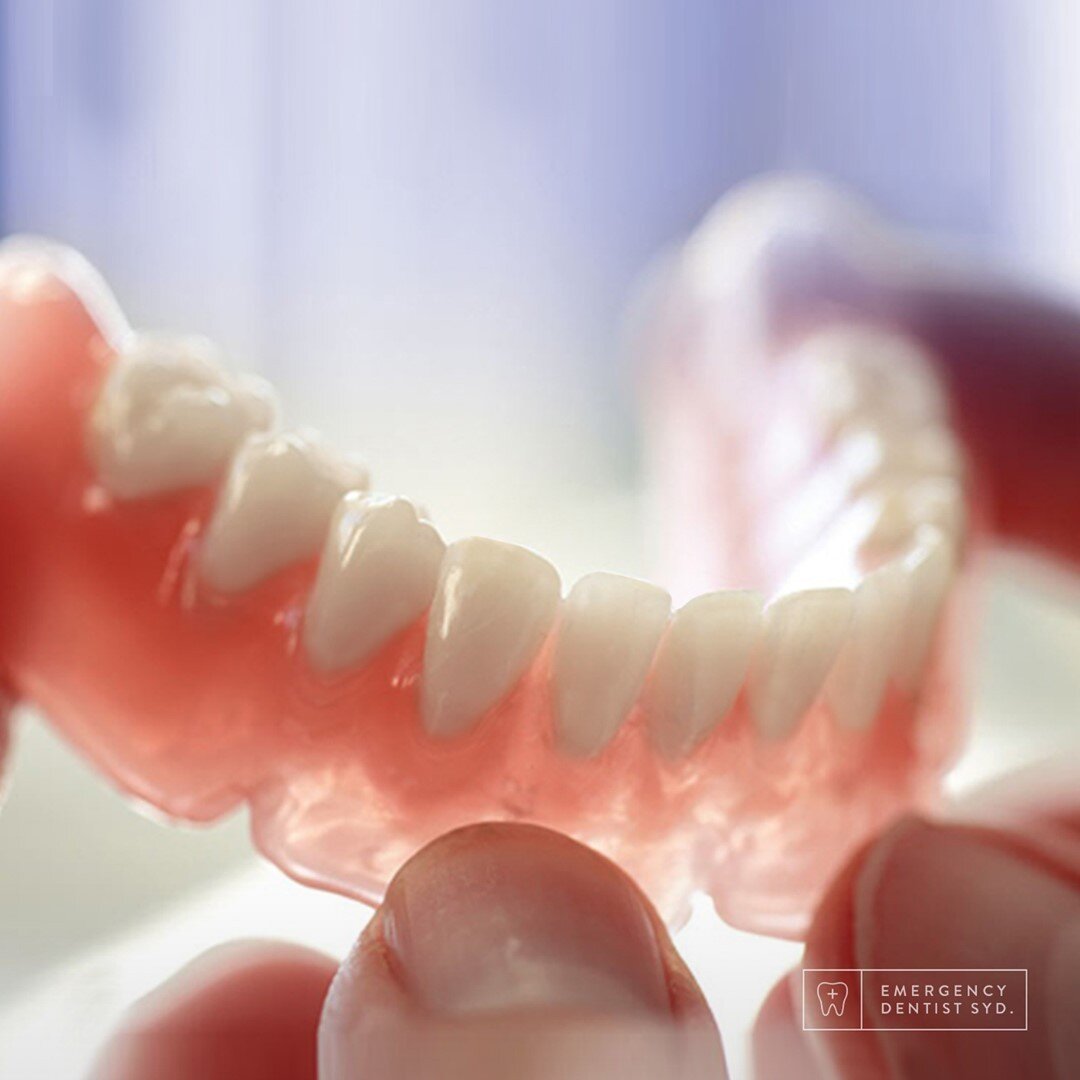
The main advantage of dental implants is that it creates the most natural as well as durable solution to your missing tooth. They are designed to look like your original teeth. Dental implants also replace loose dentures and partial plates that look fake, fall out, and can be painful to wear. They’re extremely sturdy, and although they can decay if you don’t take care of them, they’re stronger than natural teeth. Getting dental implants will not only improve the look and feel of your mouth, it will also improve your ability to eat because when you have broken teeth, it is difficult to eat and your diet becomes restricted. The end result of dental implant procedures will make it feel like your natural teeth.
The Importance of Avoiding Bone Loss
When you have missing teeth, the bone around the removed tooth root gets partially absorbed into your body. This causes the jaw bone to become thin and weak, causing various problems for your oral health and for your appearance. If you have bone loss, you may need to build up the bone again with a bone grafting procedure and then be able to have dental implants. Your teeth may also become crooked and uneven, because the bone beneath them is uneven. And in the worst cases, the lower third of the face can actually collapse inwards because there isn’t enough bone to support it anymore.
Dental implants can help you avoid this problem as they will protect and strengthen your jaw bone. The screw that is placed into the bone protects the bone from being absorbed by the body. The screw also integrates into the bone, strengthening it and protecting it from future damage.
Single Tooth Implant

A single tooth implant replaces a single missing tooth as well as its root. This is a good procedure to have if you’re missing a single tooth and want to avoid having a gap in your smile, or repair your bite. It has several advantages over other replacement options such as a bridge, which damages the health of your surrounding teeth because they need to be ground down to fit with the new dental work.
Multiple Teeth Implants

Multiple teeth implants are for replacing several missing teeth and their roots. Other replacement options require support from adjacent teeth, which can cause wear and damage and even result in the support teeth themselves becoming loose. But multiple teeth implants don’t require any support, they look and function just like real teeth.
Full Mouth Implants

Full mouth implants are best if you need all of your teeth replaced because of decay or damage. With this procedure, all of your remaining teeth and their roots are removed before the screws are placed into your jaw. While they heal, temporary teeth can be worn. Once your mouth has healed, new teeth are fixed into place using small metal bars. Once the teeth are in place, you can’t see any of the metal work, and you can show off your great new smile.
Emergency Dentist Sydney Says:
If your teeth are cracked or broken, call us immediately and book an appointment. We are here to help you find the best treatment for your damaged teeth.

The Effects of Alcohol Abuse on Your Oral Health
Indulging in a few too many alcoholic 'refreshers' can leave you with more than just a banging headache the next day...
Be Aware of The Impact
Some might say hot, sunny Sydney days - and nights - and a cold beer were made for each other, especially if you happen to be out with your mates. And as we have no less than fourteen separate wine regions in NSW, a trip out to a vineyard for a tasting is a tempting way to spend a summer's day too. But did you know that indulging in a few too many alcoholic 'refreshers' can leave you with more than just a banging headache the next day, it can also be very bad for your oral health?
Alcohol and Oral Health - Worst Case Scenarios
A number of research studies conducted all over the world have indicated that those who drink alcohol on a regular basis may be up to six times more likely to develop oral cancers than those who do not. Alcohol abuse is also the cause of a number of oral related accidents - chipped teeth, broken teeth, lost teeth, that kind of thing - because, well, drunk people do tend to fall down far more often than others and they can often get a bit fighty too.
Gum disease is another potentially nasty problem that alcohol abuse can lead too, as is tooth decay. The major reason for this is all of the fermented sugars that alcohol contains coupled with fact that alcohol is actually very dehydrating (no matter how refreshing that cold one seems to be) which leads to a very dry mouth. The perfect 'conditions' for the development of both tooth decay and gum disease.
Drinking Responsibly - for Your Teeth
So, are we suggesting that you spend every single summer's day sipping on a oft drink while all around you crack open a celebratory can of beer? Not necessarily, but we are suggesting you drink in a way that is a lot kinder to your teeth and gums. What's the best way to do that? Here's some pointers:
Drink in moderation This really should be a general rule of thumb anyway. Not only is binge drinking or excessive alcohol consumption bad for your oral and general health is there really much point in spending a fortune on booze when you go out if you get so drunk you won't remember anything the next day?
Watch the Sugar Content of What You Drink People tend to forget just how much sugar there is in alcoholic beverages. And in many cases there's a lot, both in beer and in wine and mixed drinks and cocktails can be even worse. Not only is too much sugar bad for your teeth in general if you are drinking all night it's going to be sitting on your teeth getting ready to do some damage.
To help alleviate the problem alternate every drink with one of water (which helps you drink less anyway) as doing so will keep you better hydrated and help prevent dry mouth while also 'washing away' some of that sugary film on your teeth.
Never Go to Bed Without Cleaning Your Teeth No matter how tired you are when you get in after a night out you should never skip cleaning your teeth, especially if you are fond of highly coloured drinks - red wine, those frothy multi-coloured cocktails - that can also stain your teeth easily.
The #EmergencyDentist Says:
Alcohol and teeth are well-known adversaries, especially during the very social Sydney summer season. However, with a little extra care and attention it's OK to indulge once in a while, just don't make a big habit of it.
Patient Care First

Keep Up-To-Date with All Things Oral & General Health
RECENT ARTICLES






For 15 years, we've had one mission - when Sydney has a dental emergency, Emergency Dentist Sydney is there
We're proud to celebrate 15 years of providing emergency dental services to Sydney CBD and surrounding suburbs.