
Types of Tooth Injuries Explained
Have you experienced any of these injuries?
At Emergency Dentist Sydney, there aren’t too many dental injuries that we haven’t seen. Here we touch on the more common injuries. Hopefully you don’t experience any but if you do, we’re highly skilled in this kind of treatment.
Have you experienced any of these injuries?
At Emergency Dentist Sydney, there aren’t too many dental injuries that we haven’t seen. Here we touch on the more common injuries. Hopefully you don’t experience any but if you do, we’re highly skilled in this kind of treatment.
Cavities
Cavities are permanently damaged areas in the hard surface of your teeth that develop into tiny openings or holes. You may have had one for months without having a toothache. If you go for regular dental check-ups and cleans, your dentist will be able to discover cavities and fix them before any symptoms begin. Regular visits will enable the dentist to fill any holes before it becomes a dental emergency.
Periodontitis
Periodontal disease (also known as periodontitis and gum disease) is a disease that affects the supporting and surrounding tissue of the gums, and the jawbone. Periodontal disease can result in loose teeth and it some cases, complete tooth loss, if left untreated. Periodontal disease should never be ignored as it is the leading cause of tooth loss in adults.
Attrition
Dental attrition is the loss of tooth structure/tissue caused by normal tooth-on-tooth contact. It is a normal condition in the aging process but can become a dental emergency when it happens at a more rapid pace. This could be due to secondary dental problems such as bruxism, the grinding and clenching of the teeth that occurs during sleep. If untreated, attrition can wear away tooth enamel which can expose the dentin of the tooth which in turn leads to tooth decay and increased sensitivity.
Abrasion
Tooth abrasion is the gradual loss of the tooth surface. This can be brought on by incorrect teeth brushing techniques, like pressing too hard or using hard bristled toothbrushes. Such faulty techniques can cause notching at the point at which the crown and the roots of the teeth connect.
Erosion
Dental erosion occurs when part of the enamel surface of your teeth is dissolved away by acids. Whilst it can occur at any age, it can be far worse in the elderly with dry mouths as they don’t produce as much saliva which is key in flushing out and neutralising acids. It is usually caused by acidic drinks or medicines, excessive vomiting or acid reflux. Erosion is different from tooth decay because it’s not caused by bacteria.
Abfraction
Dental abfractions are v-shaped notches that appear near the gingival margin and are often the result of dental conditions, such as bruxism (teeth grinding).
Most dentists agree the condition develops as a result of flexing pressure which leads to enamel erosion, making the teeth even more vulnerable to damage.
Trauma/Fracture
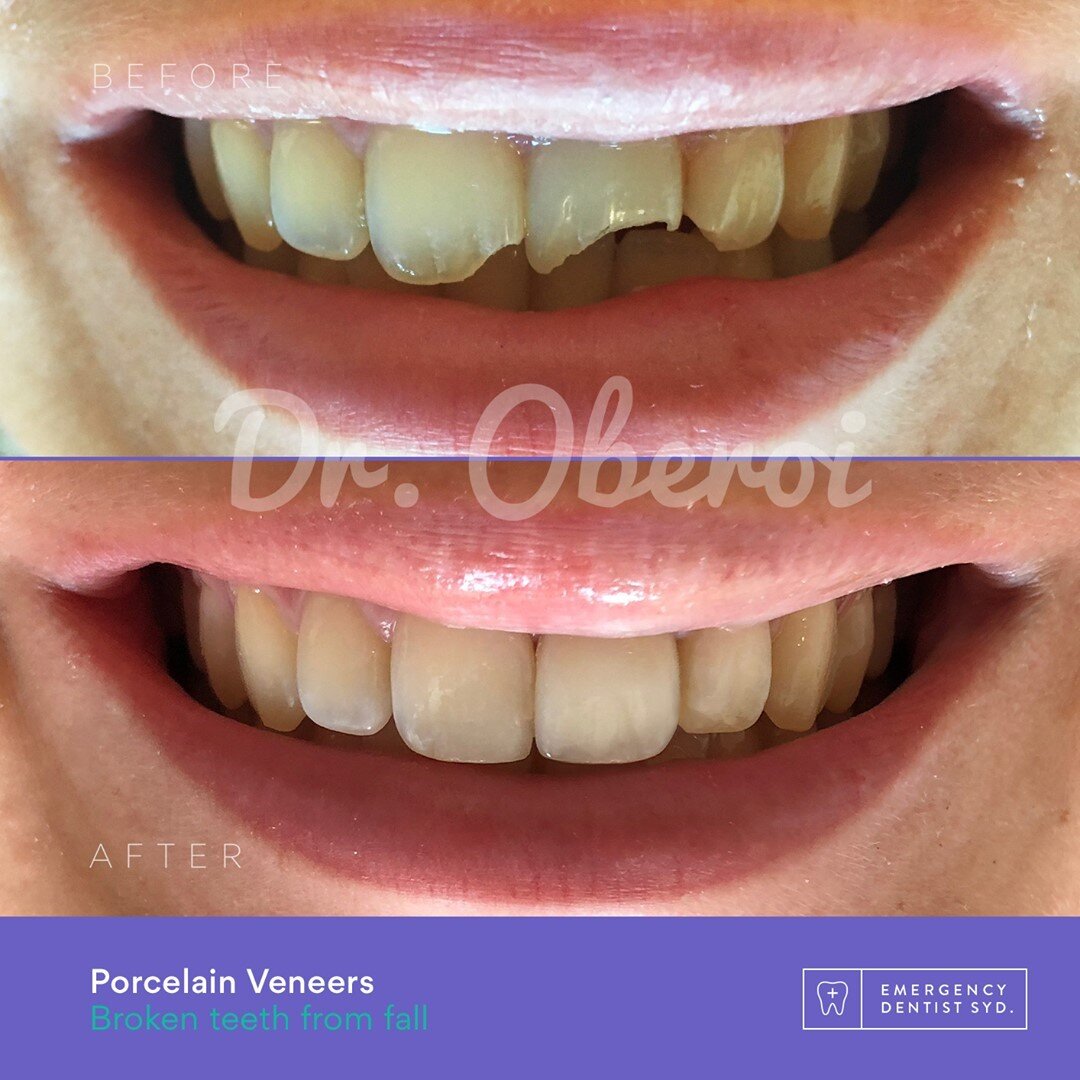
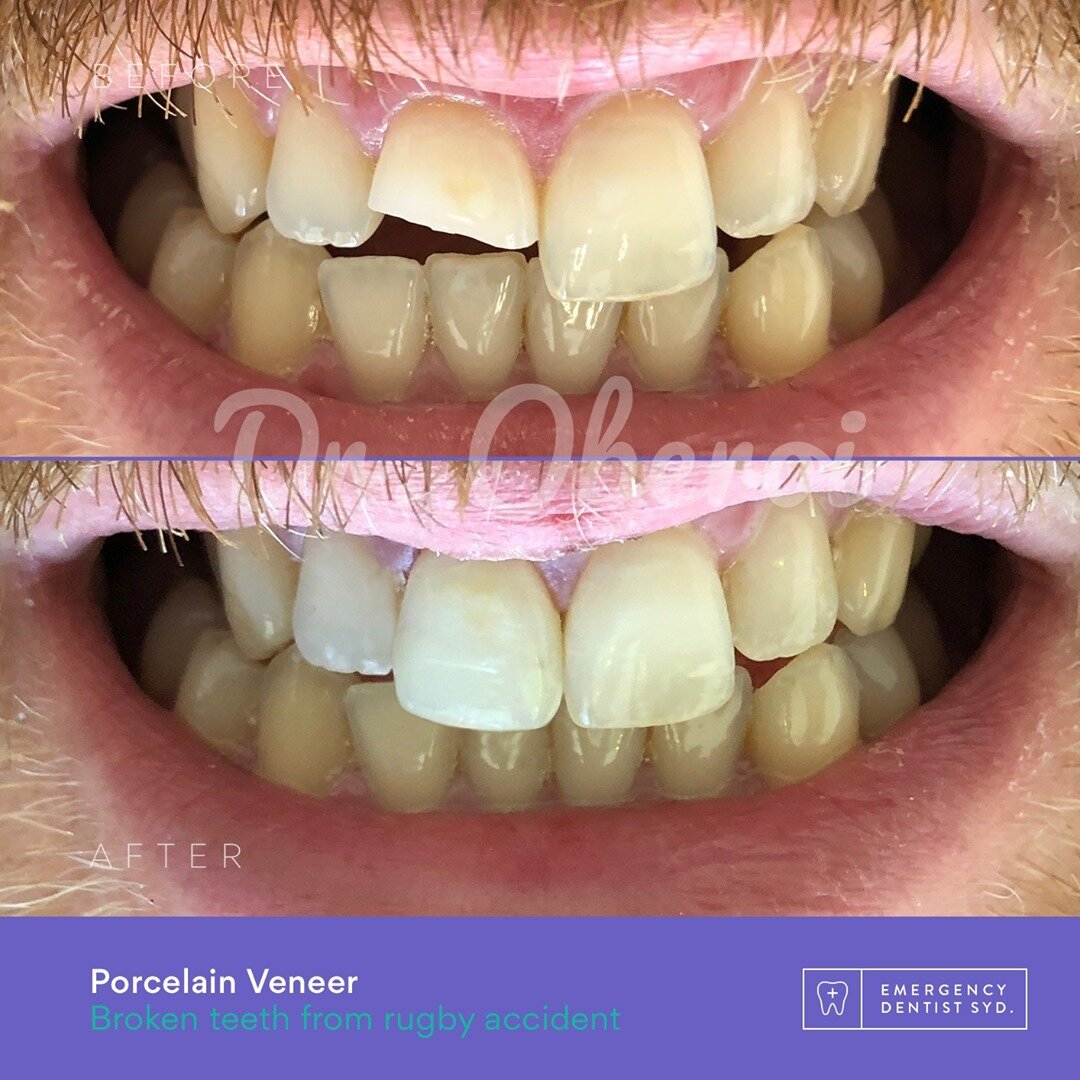
Dental trauma is commonly caused by sporting injuries, falls, motor vehicle accidents or violence. Often extremely painful and traumatic for the person experiencing it, symptoms and treatment is often quite varied.
Iatrogenic
Iatrogenic trauma is one that has been induced by the dentist's activity, manner, or therapy. Chemical, physical, and thermal injuries in the oral, gingival, or palatinal mucosa of iatrogenic origin can exhibit various clinical features. The management of traumatic injuries is dependent on the severity of the involvement in the periodontal tissues.
If we can say one thing, it’s to never delay in the treatment of dental emergencies or you risk them becoming far worse. Contact Emergency Dentist Sydney 24/7 and check out our tips on dealing with dental pain.
Need Advice Or Emergency Dental Care In Sydney CBD?
Contact our friendly team


The Truth About Tooth Enamel
Tooth Enamel Facts You Need to Know
Tooth Enamel Facts You Need to Know
Tooth enamel is the hard, outer layer covering each tooth. It is the hardest substance in the human body and protects the sensitive inner layers from the discomfort of foods and drinks that are really hot and cold. You are also probably familiar with its vital role in protecting our teeth from damage and decay. What other tooth enamel facts do you know? Check out these common tooth enamel facts and tips below.
1. The Difference Between Abrasion and Erosion
There are two types of tooth enamel damage. Abrasion occurs when something brushes against your teeth, for example, using a hard-bristled toothbrush or scraping your teeth with a hard object. Erosion is caused by certain foods and drinks that are sugary and acidic. These foods and drinks are most damaging because when they interact with the bacteria in your mouth, lactic acid is produced, and this is something that can lead to the start of a cavity. When your teeth are eroding, you will notice that your teeth are becoming sensitive and are appearing slightly yellow.
2. Tooth Enamel Doesn't Come Back

Once your tooth enamel has eroded, it will not regrow. Enamel is made from minerals so it does not contain any living cells, making it impossible for it to repair itself. However, there are ways you can prevent this from happening and ways to treat the damage. Dental bonding can be used, or crowns can be applied but your dentist will be able to recommend you the right treatment option for you. In terms of prevention methods, you can start by eliminating certain foods and drinks out of your diet. When you have that craving for your favourite soda, use a straw. Another great tip is to gently rinse your mouth with water after eating because if you brush your teeth too soon after eating acidic food, that can actually make it worse. You can also start chewing sugarless gum.
3. Don't Neglect the Damage
Ignoring the damage or avoiding the dentist will not only cause more pain to your eroded teeth but will make treatments more expensive. As your teeth enamel erodes, your teeth will become overly sensitive as it will expose the inner sensitive layer underneath called ‘dentin’. Because your teeth won’t have the protection it needs from enamel, they will be susceptible to decay quickly. Your teeth will also be stained, giving your teeth a yellow appearance. Always make sure to have 6 monthly check ups so your dentist knows the state of your teeth.
Enamel is so important for our teeth and we need to take care and protect them as they protect us. It is vital to follow some of the tips mentioned above to prevent your enamel from eroding. It may sound difficult to give up your favourite sugary snacks and soft drinks, but the damage is way worse. If you do consume sugary and acidic foods and drinks, always remember to maintain good oral hygiene.
Emergency Dentist Sydney Says:
Protect your enamel and your overall dental health by practicing good oral hygiene habits like twice daily brushing and flossing. And don’t forget to visit your dentist every 6 months!
Patient Care First

Keep Up-To-Date with All Things Oral & General Health
RECENT ARTICLES







For 15 years, we've had one mission - when Sydney has a dental emergency, Emergency Dentist Sydney is there
We're proud to celebrate 15 years of providing emergency dental services to Sydney CBD and surrounding suburbs.