
The Truth About Tooth Enamel
Tooth Enamel Facts You Need to Know
Tooth Enamel Facts You Need to Know
Tooth enamel is the hard, outer layer covering each tooth. It is the hardest substance in the human body and protects the sensitive inner layers from the discomfort of foods and drinks that are really hot and cold. You are also probably familiar with its vital role in protecting our teeth from damage and decay. What other tooth enamel facts do you know? Check out these common tooth enamel facts and tips below.
1. The Difference Between Abrasion and Erosion
There are two types of tooth enamel damage. Abrasion occurs when something brushes against your teeth, for example, using a hard-bristled toothbrush or scraping your teeth with a hard object. Erosion is caused by certain foods and drinks that are sugary and acidic. These foods and drinks are most damaging because when they interact with the bacteria in your mouth, lactic acid is produced, and this is something that can lead to the start of a cavity. When your teeth are eroding, you will notice that your teeth are becoming sensitive and are appearing slightly yellow.
2. Tooth Enamel Doesn't Come Back

Once your tooth enamel has eroded, it will not regrow. Enamel is made from minerals so it does not contain any living cells, making it impossible for it to repair itself. However, there are ways you can prevent this from happening and ways to treat the damage. Dental bonding can be used, or crowns can be applied but your dentist will be able to recommend you the right treatment option for you. In terms of prevention methods, you can start by eliminating certain foods and drinks out of your diet. When you have that craving for your favourite soda, use a straw. Another great tip is to gently rinse your mouth with water after eating because if you brush your teeth too soon after eating acidic food, that can actually make it worse. You can also start chewing sugarless gum.
3. Don't Neglect the Damage
Ignoring the damage or avoiding the dentist will not only cause more pain to your eroded teeth but will make treatments more expensive. As your teeth enamel erodes, your teeth will become overly sensitive as it will expose the inner sensitive layer underneath called ‘dentin’. Because your teeth won’t have the protection it needs from enamel, they will be susceptible to decay quickly. Your teeth will also be stained, giving your teeth a yellow appearance. Always make sure to have 6 monthly check ups so your dentist knows the state of your teeth.
Enamel is so important for our teeth and we need to take care and protect them as they protect us. It is vital to follow some of the tips mentioned above to prevent your enamel from eroding. It may sound difficult to give up your favourite sugary snacks and soft drinks, but the damage is way worse. If you do consume sugary and acidic foods and drinks, always remember to maintain good oral hygiene.
Emergency Dentist Sydney Says:
Protect your enamel and your overall dental health by practicing good oral hygiene habits like twice daily brushing and flossing. And don’t forget to visit your dentist every 6 months!

Our Top Tips Handling Dental Emergencies
What To Do When You Can't See Your Dentist Right Away
What To Do When You Can't See Your Dentist Right Away
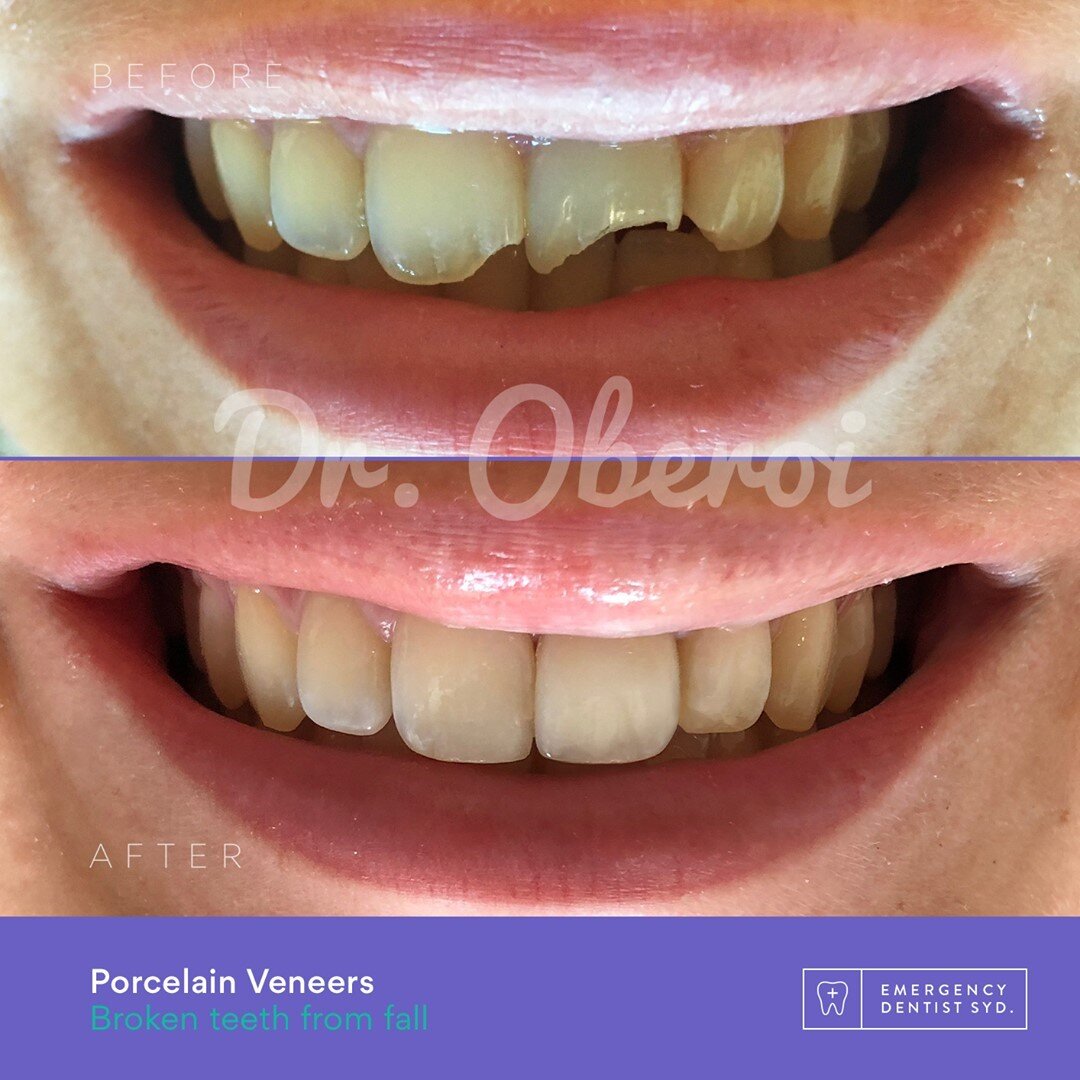
Dental emergencies happen all the time, like breaking a tooth from a fall or a painful toothache that won’t go away. Nobody wants to experience these dental situations…especially when it happens outside of business hours. Knowing what to do when you’re in a situation where you can’t see the dentist right away, will help you reduce the risk of further complications. Here are some tips you can use to protect your teeth and gums until you can see an emergency dentist.
Broken Tooth:
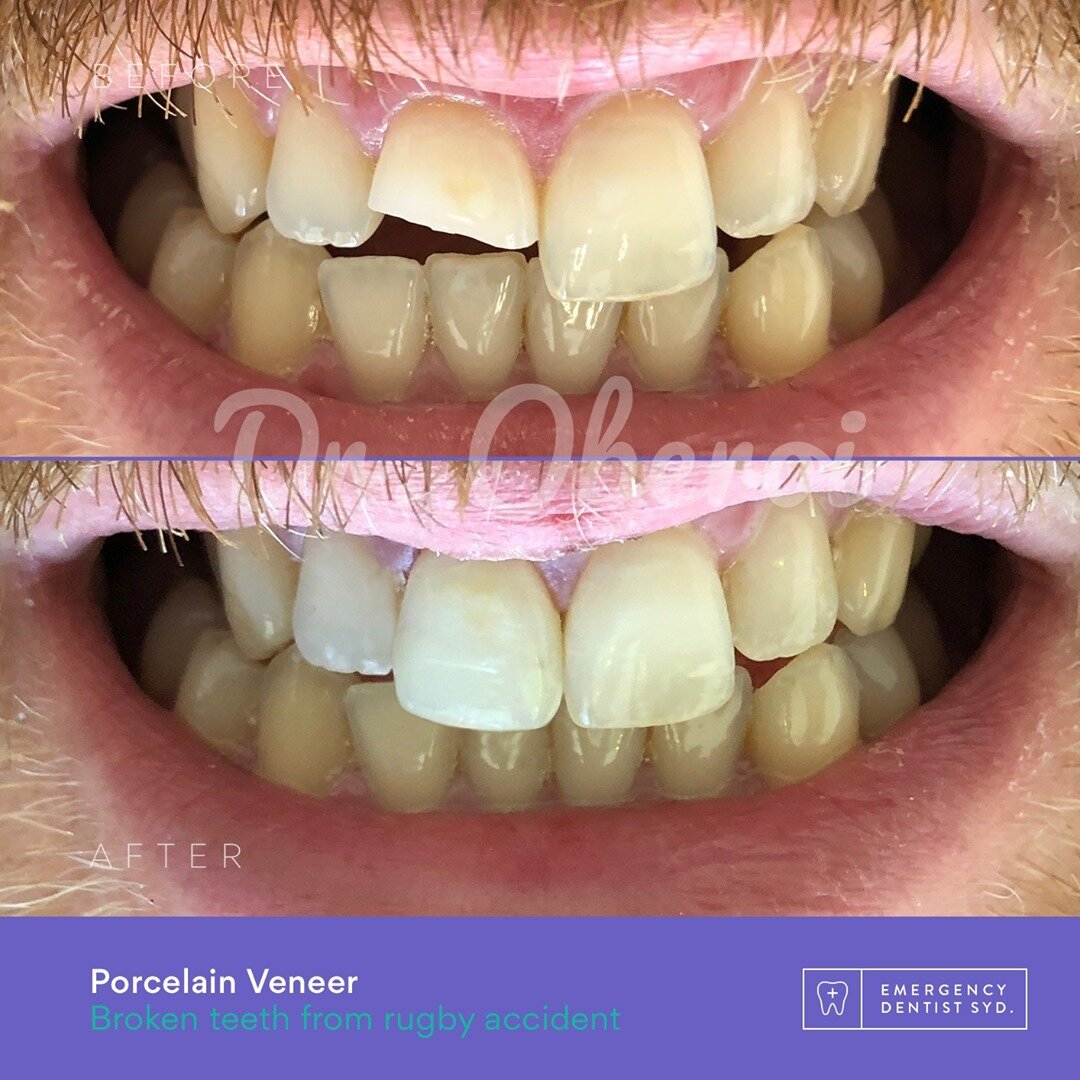
Gently clean the area in your mouth with warm water and protect the tooth from exposure to germs by covering it with a sterile gauze. Apply a cold compress to the face if swelling.
Knocked Out Tooth: Pick up the tooth by the crown and do not touch the roots. Rinse off any dirt with water but make sure not to remove any attached tissue fragments. If possible, gently insert the tooth in its socket. If you cannot insert the tooth back in, put the tooth in a cup of milk and take it to your dentist.
Cracked Tooth: Gently clean the area by rinsing with warm water and use a cold compress on your face to reduce any swelling.
Severe Toothache: Rinse your mouth with warm water and gently use a dental floss to ensure there is nothing caught between the teeth. Never put aspirin or any other painkiller against the gums near the aching tooth because it may burn the gum tissue. Visit the dentist even if the ache goes away.
Sore Gums:
This may be a sign of gum disease so immediate treatment is required. Before you contact your dentist, quickly but gently floss and ensure there is nothing caught between the teeth. Rinse gently with warm salt water and never put any painkillers against the infected gums as it may burn the gum tissue.
Broken Braces and Wires: If your wires and brackets are broken, use a soft object like an eraser to gently push the wire back into spot where it doesn’t cause any more discomfort. If you can’t reposition the wire, cover the end with orthodontic wax or a piece of gauze so that it doesn’t bother your gums or soft tissue. Never cut the wire as you could end up swallowing it or breathing it in. Make an appointment to see the dentist so that a more permanent solution will be given.
Objects Caught Between Teeth: Gently use dental floss to remove the object. If object does not come out, call your emergency dentist. Never use a sharp object like a pin to try and get the stuck object out.
Lost Filling: If your filling has fallen out, part of the interior of your tooth will be exposed so temporarily stick a piece of sugarless gum into the cavity. Do not use a sugar filled gum as this will cause immense pain. Another option is to use a dental cement which can be purchased over the counter.
Lost Crown: Temporarily replace the crown by coating the inside of the crown with denture adhesive or toothpaste to help it stay in place. Never use super glue. If you can’t position it in there properly, leave it and take it to your dentist.
Soft Tissue Injuries: Soft tissue injuries include the tongue, cheeks, gums and lips. These injuries can be cuts or swelling and can result in bleeding. To control the bleeding, gently rinse your mouth with salt water to disinfect the cuts. Then use a piece of damp gauze to apply pressure to the areas that are bleeding for 15 – 20 minutes. You can also hold a cool compress on your face to control the swelling. If you are still bleeding badly after 20 minutes, please call your emergency dentist. Continue to hold pressure on the affected area.
A dental emergency can occur at any time and at any place. It is helpful to know these tips just in case these situations arise. Always have an emergency dentist’s contact handy especially when you are travelling abroad. It will definitely save you time while you are trying not to panic. You can also check out our emergency dental care tips on our website.
Emergency Dentist Sydney Says:
Always contact your dentist when you have or think you have a dental emergency. It will make a huge difference to know what to do while you wait to see them.

Loose Teeth
What to Expect from a Visit to an Emergency Dentist
What to Expect from a Visit to an Emergency Dentist
When you are a little kid a loose tooth is actually kind of fun. The adults think it's cute - there are probably at least one or two shots in the family album of a younger you wiggling a loose tooth for the camera - and as a kid, you know that when the tooth falls out it's time for the Tooth Fairy to pay up. And what child wouldn't look forward to that little windfall?
When you are an adult, however, and have the set of teeth that are now supposed to last for the rest of your life, it is no longer a laughing matter when a tooth is loose. It's not funny or sweet and, as far as we know, the Tooth Fairy isn't a big fan of grown-ups. Instead, a loose tooth in an adult is a cause for concern and often, for the person the tooth belongs to, a bit of a cause for panic.
The first thing we can say, as emergency dentists, is DON'T PANIC. There are many reasons why an adult might have a loose tooth, but with the right, prompt dental care there is a very good chance that the tooth can be saved.
What Causes Loose Teeth in Adults?
There can be all kinds of reasons why a tooth 'comes loose' in an adult's mouth but some of the most common include:
An accident in which the tooth has been hit or damaged
Gum disease surrounding the tooth which has loosened it over time
Decay that has become advanced enough to destabilise the tooth
Other factors, such as grinding your teeth in your sleep.
What Should You do if You Have a Loose Tooth?
See Your Dentist as Soon as Possible
This really should be something of a 'no-brainer' but many people actually avoid calling the dentist when they have a loose tooth because they are sure that it's a sign that they are going to need extensive dental work and sometimes the fear of that almost outweighs the fear of losing the tooth.
However, that may not be the case and by delaying dental treatment you could be throwing away any chance that the tooth can be saved. And even if it cannot a dentist can help ensure that the area surrounding the tooth is kept clean and free of infection and that the right ongoing treatments to deal with the situation are then planned. So, the basic advice here? Make that call as soon as you can.
Don't Play With it
While you wait to see a dentist resist the temptation to 'play' with the loose tooth. Don't wiggle it, don't pick and it and certainly never attempt to pull it yourself, even if it feels 'really loose'. As an adult doing so increases the risk of both infection and excessive bleeding and neither of those things could ever be described as fun (and could have serious implication for both your oral health and your general health overall)
Eat Soft Foods
If you are not heading to the dentist right away, you don't have to starve yourself while you wait but you should be careful. Avoid hard or sticky foods and keep that loose tooth as clean as possible but do so carefully. The best plan of action? Stick to soft foods and clean all off your teeth gently, being especially careful with the one that is loose.
What Will a Dentist do for Your Loose Tooth?
As you will discover when you get to their office your dentist will have a number of options for treating your loose tooth, and which one they choose will depend upon the unique situation at hand. However, some of the most common treatments include:
Tooth Splinting - This is a procedure in which the loose tooth is bonded to the teeth surrounding it to give it a chance to stabilise and re-implant firmly
Gum Treatments - Gum disease often leads to the gum 'losing its grip’ on a tooth, making it feel very loose. Treating the gum, with deep cleaning and other techniques can often begin healing the damaged gum tissue and, as the healing process proceeds the newly healthy gum will tighten around the loose tooth, securing it where it should be once more.
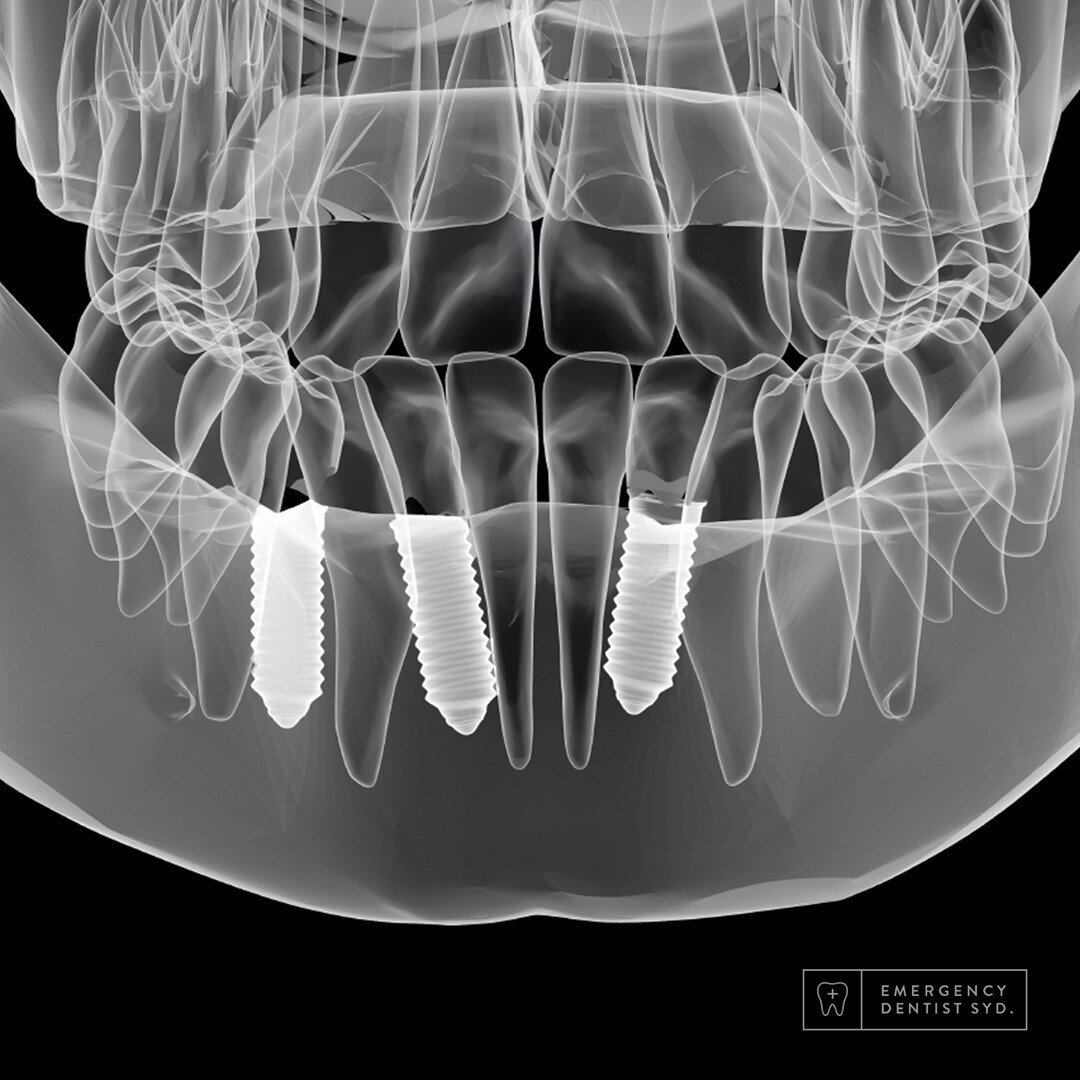
Extraction - Sometimes a loose tooth can't be saved. After it has been safely extracted and the socket and gum area has been thoroughly cleaned and treated discussions can begin between dentist and patient about preparing for an implant to be placed to replace it.
Emergency Dentist Sydney Says:
A loose tooth is concerning but should not be a cause for undue panic. Seeing a dentist as soon as possible can significantly increase the chances that the tooth can be saved while also helping to ensure the health of all your other teeth as well.
Patient Care First

Keep Up-To-Date with All Things Oral & General Health
RECENT ARTICLES







For 15 years, we've had one mission - when Sydney has a dental emergency, Emergency Dentist Sydney is there
We're proud to celebrate 15 years of providing emergency dental services to Sydney CBD and surrounding suburbs.