
Our Top Tips Handling Dental Emergencies
What To Do When You Can't See Your Dentist Right Away
What To Do When You Can't See Your Dentist Right Away
Dental emergencies happen all the time, like breaking a tooth from a fall or a painful toothache that won’t go away. Nobody wants to experience these dental situations…especially when it happens outside of business hours. Knowing what to do when you’re in a situation where you can’t see the dentist right away, will help you reduce the risk of further complications. Here are some tips you can use to protect your teeth and gums until you can see an emergency dentist.
Broken Tooth:
Gently clean the area in your mouth with warm water and protect the tooth from exposure to germs by covering it with a sterile gauze. Apply a cold compress to the face if swelling.
Knocked Out Tooth: Pick up the tooth by the crown and do not touch the roots. Rinse off any dirt with water but make sure not to remove any attached tissue fragments. If possible, gently insert the tooth in its socket. If you cannot insert the tooth back in, put the tooth in a cup of milk and take it to your dentist.
Cracked Tooth: Gently clean the area by rinsing with warm water and use a cold compress on your face to reduce any swelling.
Severe Toothache: Rinse your mouth with warm water and gently use a dental floss to ensure there is nothing caught between the teeth. Never put aspirin or any other painkiller against the gums near the aching tooth because it may burn the gum tissue. Visit the dentist even if the ache goes away.
Sore Gums:
This may be a sign of gum disease so immediate treatment is required. Before you contact your dentist, quickly but gently floss and ensure there is nothing caught between the teeth. Rinse gently with warm salt water and never put any painkillers against the infected gums as it may burn the gum tissue.
Broken Braces and Wires: If your wires and brackets are broken, use a soft object like an eraser to gently push the wire back into spot where it doesn’t cause any more discomfort. If you can’t reposition the wire, cover the end with orthodontic wax or a piece of gauze so that it doesn’t bother your gums or soft tissue. Never cut the wire as you could end up swallowing it or breathing it in. Make an appointment to see the dentist so that a more permanent solution will be given.
Objects Caught Between Teeth: Gently use dental floss to remove the object. If object does not come out, call your emergency dentist. Never use a sharp object like a pin to try and get the stuck object out.
Lost Filling: If your filling has fallen out, part of the interior of your tooth will be exposed so temporarily stick a piece of sugarless gum into the cavity. Do not use a sugar filled gum as this will cause immense pain. Another option is to use a dental cement which can be purchased over the counter.
Lost Crown: Temporarily replace the crown by coating the inside of the crown with denture adhesive or toothpaste to help it stay in place. Never use super glue. If you can’t position it in there properly, leave it and take it to your dentist.
Soft Tissue Injuries: Soft tissue injuries include the tongue, cheeks, gums and lips. These injuries can be cuts or swelling and can result in bleeding. To control the bleeding, gently rinse your mouth with salt water to disinfect the cuts. Then use a piece of damp gauze to apply pressure to the areas that are bleeding for 15 – 20 minutes. You can also hold a cool compress on your face to control the swelling. If you are still bleeding badly after 20 minutes, please call your emergency dentist. Continue to hold pressure on the affected area.
A dental emergency can occur at any time and at any place. It is helpful to know these tips just in case these situations arise. Always have an emergency dentist’s contact handy especially when you are travelling abroad. It will definitely save you time while you are trying not to panic. You can also check out our emergency dental care tips on our website.
Emergency Dentist Sydney Says:
Always contact your dentist when you have or think you have a dental emergency. It will make a huge difference to know what to do while you wait to see them.

Dental Hypersensitivity
Why Are My Teeth so Sensitive?
Why Are My Teeth so Sensitive?

Dental Hypersensitivity is a common problem for a lot of people aged between 20 and 50. Have you ever had a hot or cold drink and as soon as you started drinking, felt a sharp pain on your tooth/teeth? Does it also happen when you eat or drink something sweet or acidic? You are experiencing this kind of pain because you have hypersensitive teeth. Here are the top two reasons why you may have dental hypersensitivity.
What Causes Tooth Sensitivity?
Gum Recession
The most highest leading cause of tooth sensitivity is gum recession and there are many reasons why you can have receding gums. It can be a result of aggressive tooth brushing, using a hard toothbrush, gum disease, a very acidic diet and even ageing.
Each tooth has a layer of enamel and the root of each tooth has a soft layer called cementum. When the cementum wears off because of gum recession, the underlying dentin layer (the layer that surrounds the nerve) is exposed. The dentin contains thousands of channels that run from the surface of the tooth to the central nerve and when these channels are stimulated by certain foods or drinks, it travels to the nerves inside the tooth causing a sharp sensation.
Enamel Wear
Enamel, which is the layer on the surface of your teeth, is actually the hardest substance in the human body. However, it can still wear away over time, slowly exposing the underlying dentin layer which leads to dental hypersensitivity. There are a few causes of enamel wear such as: bruxism (teeth grinding), aggressive and improper brushing, using abrasive tooth pastes, or having too much acidic foods and drinks. A chipped or cracked tooth can also expose the dentin, which is why it is extremely important to visit the dentist when this happens
How to Prevent Tooth Sensitivity?
You can do a number of things at home to prevent painful tooth sensitivity.
Maintain good oral hygiene – brushing correctly
Use a soft bristle tooth brush
Using a non abrasive tooth paste or one that reduces sensitivity
Avoid acidic foods and drinks
More importantly, it is best to have regular dental visits because your dentist can detect early signs of enamel wear. Your dentist can also teach you proper brushing techniques and let you know which tooth pastes to use, as well as provide other prevention methods
Emergency Dentist Sydney Says:
Dental hypersensitivity should not be ignored no matter how short or low the pain is. Ignoring your sensitive teeth can lead to other oral health problems so make sure to have regular dental check ups with your dentist.

Bleeding or Tender Gums
What You Should Expect
What You Should Expect
Are you noticing a bit of blood on your toothbrush and in your sink after you brush your teeth? Are your gums red and tender? If this is the case, you may have gingivitis as its most common symptom is bleeding gums. Gingivitis is the early stage of gum disease and luckily, it is reversible at this stage so there is no need to panic. However, please do not ignore it, you will need to take prompt action in order to prevent it from worsening.
Gingivitis
Gingivitis happens when the plaque and bacteria on your gum line is not removed properly, in other words, poor dental hygiene. Without regular and proper brushing and flossing, the healthy tissue around the teeth become weak and the buildup of plaque causes the gums to become inflamed and irritated. If you practice daily brushing and flossing, your gums will return to its healthy state. However, if you ignore your oral care, the plaque will harden, worsening gingivitis and over time, will lead to periodontitis. Periodontitis is the infection of the gums and will even damage the jawbone. It may cause your teeth to loosen or fall out.
What Should You Do?
As soon as you notice bleeding of the gums, here are some tips to change up your oral care before you visit the dentist.
Brush twice a day and floss at least once a day.
Use a soft toothbrush or an electric toothbrush. A soft toothbrush is good for your delicate gums and an electric toothbrush will help you reach the gum line easily.
Maintain a healthy diet consisting of low sugar and high nutrients. Eat sweets and sugary snacks in moderation.
Some medications like aspirin can increase the chance of your gums bleeding as it thins the blood so speak to your doctor about this side effect.
If you have changed your dental habits and you are eating a healthy diet but your gums are still bleeding, book an appointment with your dentist.
Visiting Your Dentist
Your dentist will evaluate your condition and let you know what the next steps are. You will be advised to visit every six months for a cleaning. Your dentist will also teach you how to brush your teeth properly to stop bleeding gums from happening again.
Emergency Dentist Sydney Says:
Bleeding gums can be a surprise but it can be prevented straight away. Don’t be afraid to talk to your dentist about ways to fix your oral care habits. Our dentists are here to help and with proper treatment, you will soon enjoy healthy gums.

Sudden Toothache and Emergency Dental Treatment
How We Can Help
How We Can Help
Those who have never experienced a serious toothache really don't know just how bad the pain from something as 'minor' as tooth pain can be. Most of those who have been through such pain before, on the other hand, understand all too well just how terrible toothache can be. And although it's often a matter of personal perception, somehow it often seems as if the toothaches that strike late at night, or at the weekend, when most dentists' offices are closed feels even worse than one that strikes during 'regular' business hours.
What Causes Sudden Toothaches
A bad toothache can strike like lightning - and in many cases be so painful that it actually feels like something hit you - but often the problem has been 'brewing' for weeks (or even months).
Untreated tooth decay 'suddenly' leads to the beginnings of a painful infection, or a nerve that has become exposed due to the decay becomes hugely sensitive. Or gum disease results in a painful abscess. Or that wisdom tooth you've been warned about (several) times before is trying to erupt again and causing pain that can be excruciating.
Trauma can lead to a severe toothache as well of course. A blow to the mouth, a tooth that gets cracked or dislodged or an injury to the gum line can all lead to a terrible toothache as well.
When is a Toothache an Emergency?
You've tried Panadol. You've tried taking the afternoon off. You've tried ice. You've tried heat. Your toothache isn't improving though, and, in fact, it seems to be getting worse. But is this really a situation that merits a visit to an emergency dentist or should you just try to tough things out until office hours, even though that is getting harder and harder to do?
In many cases, the simple answer is yes. No one should suffer needlessly, and so if the pain is severe, if it has come on very suddenly and/or has lasted for more than 24 hours a call to an emergency dentist really is the best course of action. It becomes even more important that you do so if your pain is accompanied by a fever or is radiating to other places - your ears for example - as well.
Whatever the cause of your pain is eventually determined to be (more about that in a moment) prompt action can not only help you stop the pain faster but may also help save your tooth (or teeth)
What Can an Emergency Dentist do for Toothaches?
What an emergency dentist will do for your toothache depend upon what the problem is determined to be. Therefore, that will be the first order of business, by way of a full examination and a set of x-rays. Once the cause of your toothache has been diagnosed your dentist will discuss treatment options with you, but they may include any of the following:
Removal of the tooth or extractions
Fillings
Gum Treatment or Periodontal Treatment
Root Canal Treatment
Can Toothache be Prevented?
Many of the causes of a sudden toothache are indeed preventable. Tooth decay and gum disease can often be prevented with simple good oral hygiene - brushing and flossing at least twice a day, regular visits to the dentist and routine care as needed. If you get into the habit of visiting your dentist every three to six months the simple fact is that you may never need emergency dental treatments at all.
Emergency Dentist Sydney Says:
If your toothache is severe, follow these emergency dental care tips. If it has lasted for more than 24 hours and you just can't take it anymore, give us a call.

Knocked Out Tooth?
Don't Panic, There's a Chance It Can be Saved
Don't Panic, There's a Chance It Can be Saved
Getting a tooth knocked out can feel like a nightmare. Although it may not be the most serious injury in the world, it can certainly seem like the world is close to ending. Who wants to be called Gappy when they are an adult? It was cute when you were six and knew it was very much a temporary situation, but a knocked-out tooth as a grownup? It sends shivers down most people's spines just thinking about it.
As shocking and scary as it is, thanks to modern dentistry if your tooth is knocked out, putting things right is a lot easier than it used to be, and the chances you won't lose your lovely smile for very long are high. As long as you take prompt action that is.
Dealing with a Knocked-Out Tooth: Immediate Steps to Take
Whether the cause is a sports injury, an accident, or you got into a fight - either with someone else or the pavement - it is important to know what to do immediately after a tooth has been knocked out.
When a tooth is knocked out it is quite literally severed from the socket (that's just one reason why it hurts so much) and usually, the ligament that once attached it to your gum and jaw is destroyed. The tooth can still be saved at this point, but you'll need as many of the tiny nerve fibres to remain attached as possible.
This means you'll have to be very careful when you pick up the tooth (we're assuming here it can be located) You should pick it up by the crown only, never the root. Pick it up the wrong way and those precious fibers will be gone.
Once you have the tooth, wipe away excess dirt (carefully) and either set it back into the socket or hold it between your cheek and gums in your mouth. Bathing your tooth in your saliva will help keep it alive. If you can't place it in your mouth putting it into a glass of cold whole milk is the next best thing.
At this point somebody - possibly not you as your mouth is busy trying to save a knocked-out tooth - should be on the phone with an emergency dentist. A tooth that is lost due to an accident has an 80-90% chance of being saved if these procedures are followed and you can get to the dentist's office quickly.
A healthy tooth that is. If a knocked-out tooth was loose already, something that is usually caused by periodontal disease, none of these measures may help, as a diseased tooth is usually beyond that at this point. You should still head right to the dentists though, as the damage done to the gums and potentially to surrounding teeth still needs to be accessed asap.
Preventing Tooth Loss
Accidents happen. We understand that. But there are some things you can do to help prevent getting a tooth knocked out in the first place. Some sensible measures include the following:
If you play sports, wear a mouth guard. Not just if you play cricket or footie and there are flying objects involved, but when you participate in any sport. You never know when an opponent’s arm, or the track, might connect with your face and knock your tooth out. You need to make sure it fits well though, so talk to your dentist and they'll help you find the right one.
Practice good dental hygiene and visit your dentist regularly to prevent gum disease and decay. As we already mentioned, an unhealthy tooth is knocked out far more easily than a healthy one and once it's out there's rarely any putting it back in.
Think when you drink. Yes, there's still tons of fun to be had, even if the summer's winding down. And while we are not suggesting you give up enjoying everything that Sydney has to offer - including all the great pubs and clubs - drink with care.
Once you get a bit beer wobbly you are far more likely to fall down and kiss the pavement (ouch, it hurts just thinking about it) and/or get into a bit of fisticuffs with a fellow 'happy' reveler. If you are drinking, take it steady and if you really can't walk straight (oops) don't try. Call a taxi, call an Uber, call a mate but don't try to walk home and certainly don't drive.
Emergency Dentist Sydney Says:
With prompt action a knocked-out tooth can often be saved. Just another reason why it pays to have our number in your phone, as you never know when you might need it at 2 am!

Loose Teeth
What to Expect from a Visit to an Emergency Dentist
What to Expect from a Visit to an Emergency Dentist
When you are a little kid a loose tooth is actually kind of fun. The adults think it's cute - there are probably at least one or two shots in the family album of a younger you wiggling a loose tooth for the camera - and as a kid, you know that when the tooth falls out it's time for the Tooth Fairy to pay up. And what child wouldn't look forward to that little windfall?
When you are an adult, however, and have the set of teeth that are now supposed to last for the rest of your life, it is no longer a laughing matter when a tooth is loose. It's not funny or sweet and, as far as we know, the Tooth Fairy isn't a big fan of grown-ups. Instead, a loose tooth in an adult is a cause for concern and often, for the person the tooth belongs to, a bit of a cause for panic.
The first thing we can say, as emergency dentists, is DON'T PANIC. There are many reasons why an adult might have a loose tooth, but with the right, prompt dental care there is a very good chance that the tooth can be saved.
What Causes Loose Teeth in Adults?
There can be all kinds of reasons why a tooth 'comes loose' in an adult's mouth but some of the most common include:
An accident in which the tooth has been hit or damaged
Gum disease surrounding the tooth which has loosened it over time
Decay that has become advanced enough to destabilise the tooth
Other factors, such as grinding your teeth in your sleep.
What Should You do if You Have a Loose Tooth?
See Your Dentist as Soon as Possible
This really should be something of a 'no-brainer' but many people actually avoid calling the dentist when they have a loose tooth because they are sure that it's a sign that they are going to need extensive dental work and sometimes the fear of that almost outweighs the fear of losing the tooth.
However, that may not be the case and by delaying dental treatment you could be throwing away any chance that the tooth can be saved. And even if it cannot a dentist can help ensure that the area surrounding the tooth is kept clean and free of infection and that the right ongoing treatments to deal with the situation are then planned. So, the basic advice here? Make that call as soon as you can.
Don't Play With it
While you wait to see a dentist resist the temptation to 'play' with the loose tooth. Don't wiggle it, don't pick and it and certainly never attempt to pull it yourself, even if it feels 'really loose'. As an adult doing so increases the risk of both infection and excessive bleeding and neither of those things could ever be described as fun (and could have serious implication for both your oral health and your general health overall)
Eat Soft Foods
If you are not heading to the dentist right away, you don't have to starve yourself while you wait but you should be careful. Avoid hard or sticky foods and keep that loose tooth as clean as possible but do so carefully. The best plan of action? Stick to soft foods and clean all off your teeth gently, being especially careful with the one that is loose.
What Will a Dentist do for Your Loose Tooth?
As you will discover when you get to their office your dentist will have a number of options for treating your loose tooth, and which one they choose will depend upon the unique situation at hand. However, some of the most common treatments include:
Tooth Splinting - This is a procedure in which the loose tooth is bonded to the teeth surrounding it to give it a chance to stabilise and re-implant firmly
Gum Treatments - Gum disease often leads to the gum 'losing its grip’ on a tooth, making it feel very loose. Treating the gum, with deep cleaning and other techniques can often begin healing the damaged gum tissue and, as the healing process proceeds the newly healthy gum will tighten around the loose tooth, securing it where it should be once more.
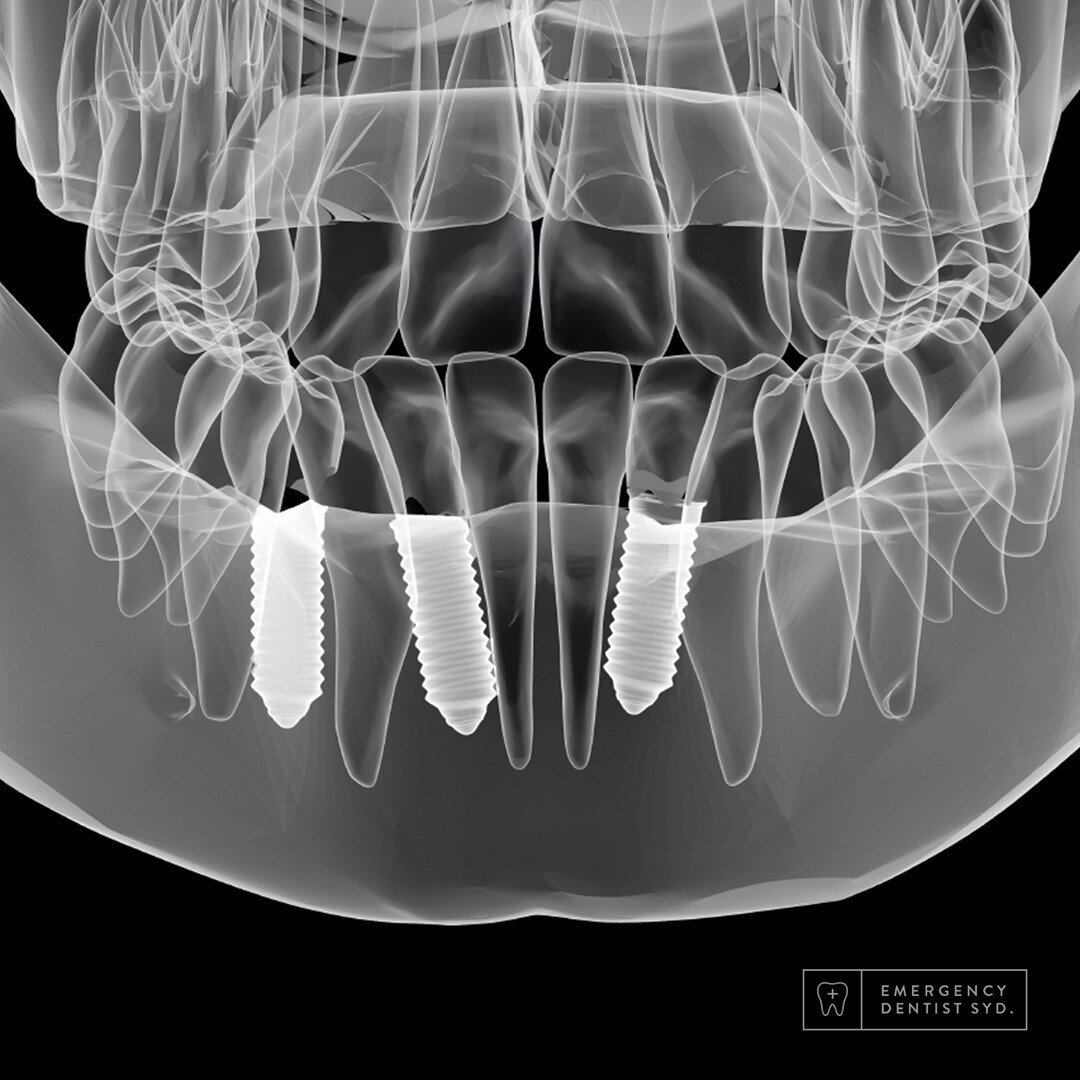
Extraction - Sometimes a loose tooth can't be saved. After it has been safely extracted and the socket and gum area has been thoroughly cleaned and treated discussions can begin between dentist and patient about preparing for an implant to be placed to replace it.
Emergency Dentist Sydney Says:
A loose tooth is concerning but should not be a cause for undue panic. Seeing a dentist as soon as possible can significantly increase the chances that the tooth can be saved while also helping to ensure the health of all your other teeth as well.

Common Emergency Situations
What Problems Do We See Most?
What Problems Do We See Most?

At Emergency Dentist Sydney, we are often asked just which dental emergencies we treat most often. And while we certainly see all kinds of cases - you might be surprised what we see - there are indeed certain dental emergencies that we spend more time dealing with than others. Here's a brief look at some of them:
Loose Teeth
There are a number of reasons why a tooth loosens but often when patients come to see us it is because their tooth has been loosened as a result of a trauma; a sports injury, a fall in which the tooth has been damaged and yes, sometimes when it's owner has been on the receiving end of a blow of some kind. A loose tooth isn't always a tooth that is destined to be lost though, as, if it's deemed appropriate a loose tooth treated quickly can be replaced and saved.
Knocked Out Teeth
Getting a tooth knocked out is a traumatic experience no matter who it happens to and just how the injury occurs. In years gone by once, a tooth was knocked out it was thought to be pretty much the end of it, and a dentist's primary job at that point was to 'clean up the mess' and then help patients make a plan to move on without the tooth. These days however with prompt and expert treatment a knocked-out tooth can often be saved.
Fractured Teeth
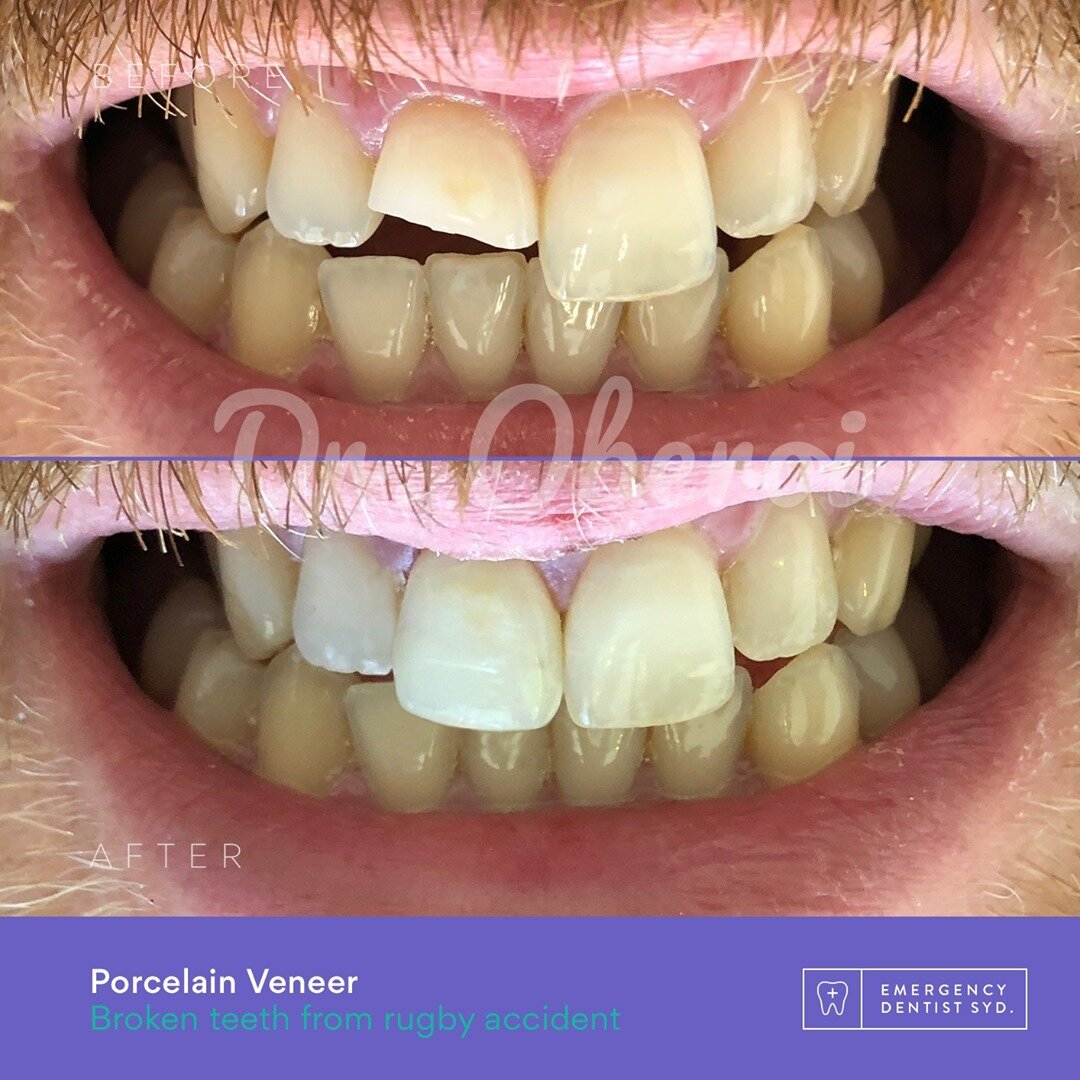
A fractured tooth, just like a fractured bone elsewhere in the body, can be more of a problem than people often think. As is the case with bones, fractured teeth vary in severity as well, from small cracks and chips that may call for primarily cosmetic dentistry to deep fractures that may have damaged the root of the tooth, calling for a more serious surgical procedure.
Toothache
There are lots of different reasons why a tooth might hurt, and the middle of the night is not a time that anyone really wants to start playing guessing games. That's why a great many patients we see on an emergency basis simply know that they are in terrible pain that just won't seem to quit and they leave it up to us to figure out why that is and what we can best do to help.
Acute Pain
Not all mouth pain is radiating from the teeth. Damaged and/or diseased gums or even an abscess may be to blame instead. When treating patients in acute pain on an emergency basis we can often help determine just what the problem is quickly and begin treating the cause of the pain effectively, and not just the pain itself.
Tender, Inflamed or Bleeding Gums
Not every case of swollen or bleeding gums needs to be treated on an emergency basis but there are some that call for swift treatment in order for patients to make the best possible recovery, especially as bleeding gums can often be a sign of another oral health problem as well.
Emergency Dentist Sydney Says:
Not sure if the dental problem you are experiencing is an emergency? Give us a call, we'll help you figure it out.

Health Funds
What do you accept?
What do you accept?
Even if they are in a great deal of pain, - which is far from unusual - when people call about visiting an emergency dentist they are concerned about just how they are going to cover the cost of their visit. One of the questions heard often is a simple one; "what health funds do you accept?"
Emergency Dentistry and Health Funds
One of the biggest reasons that many Australians choose to participate in a private health fund is to gain better access to dental care. Therefore, it’s little surprise that they want to try and make sure that any tie they need dental services of any kind they are covered by their particular health fund.
In answer to the question "what health funds do you accept?" at Emergency Dentist Sydney, we can honestly say 'all of them'. We do not have a preferred provider; we are willing to work with them all. In doing so we ensure that everyone has access to great dental care in an emergency and that worries about coverage are taken out of the equation and patients can concentrate on dealing with the real issue at hand; getting their dental emergency taken care of.
This means that at Emergency Dentist Sydney we can accept all the following health funds:
Using Your Health Fund Coverage at Emergency Dentist Sydney
When you visit us, and it’s planned that you’ll be receiving a dental treatment covered by your health fund, you will be able to claim instantly at your appointment, providing you can present your health fund identification (temporary ID cards are OK) to our staff at the time of the visit. Each claim is made individually, we don’t bulk bill as we are private providers and not a part of the public health system.
Emergency Dentist Sydney Says:
Because we believe that everyone should have access to the best possible dental care, both as a matter of routine and on an emergency basis, we make sure we can work with any health fund in Australia to allow more people to do so.

Smokers vs. The Dentist
The Tough Truth
The Tough Truth
There's been a lot of good news about smoking in Australia recently. According to the Australian Bureau of Statistics the number of smokers in the country has decreased by nearly 10% over the last two decades. Back in 1994 one in four Aussie adults smoked. By 2015 that had been cut to one in seven, and the numbers are still dropping.
However, that's still plenty of people lighting up on a regular basis. Do most of those people probably want to quit? More than likely. But it's tough, we know that. Lots of folks have to try, try and try again before they finally manage to kick the habit for good, so if you're struggling, you're not alone.
The one thing we do know as dentists is that whether they are actively trying to stop smoking or not, lots of smokers avoid coming to see us. And even if they do, they are often embarrassed, because they know that the lingering 'smoker's breath' and the discolouration years of nicotine causes on the teeth isn't attractive at all.
There are however, even bigger oral health concerns that smokers should be aware of. Smokers are at an increased risk for all of the following:
A dulled sense of taste and smell, even if they don’t know it. Often, when a person stops smoking it's the first time they realise all of the wonderful taste experiences and everyday scents they've been missing!
Slow healing after a tooth extraction or other dental surgery. This can seriously impact the effectiveness of what can be rather helpful and sometimes even transformative oral health treatments.
Gum disease. Gum disease is nasty stuff. It does not just affect smokers of course but it does tend to be a little worse, and harder to treat effectively, if the patient being treated smokes.
Oral cancer. This is obviously the biggie. Not to be overly heavy but smoking seriously increases the risk that you will develop some form of oral cancer.
By the way, we should point out that it is not just cigarette smokers who are at an increased risk for these oral health problems. Cigar smoking and tobacco chewing can be just as bad. And the bad news for vapers is that an increasing number of dental case studies and research projects are finding that vaping can potentially be as bad for your oral health as smoking regular cigarettes.
The one thing you should not do as you try to kick your habit though? Avoid seeing the dentist on a regular basis. Dentists, although yes, we will try and encourage you to stop smoking/vaping are not overly judgmental people. We get that it's hard and what we'd like to do is to address any damage you've already suffered to your oral health as a smoker while helping you learn to minimise future problems.
If you are still smoking, try all of the following, starting today:
Cut down as far as you are able. Every little step counts!
Pay particular attention to brushing your teeth at least twice a day
Try making use of a smoker's toothpaste (but make sure it's one that contains fluoride too)
Keep trying to quit. It really is better for your oral health, your overall health and even all the people around you.
Emergency Dentist Sydney Says:
Smoking is not good for your health, including your oral health. But it should not be a reason to skip dental treatment. Sticking to your regular checkup schedule - and seeking help right away if you experience tooth pain - can help minimize the damage smoking does to your teeth and gums.

Recognising the Connection Between Nutrition and Health
The Dental Diet
The Dental Diet
Weston A. Price D.D.S died over 70 years ago, but he remains a legend in the worldwide dental community. Although mild-mannered and almost nerdy looking in the photos that remain of the Cleveland, Ohio, USA native Dr. Price is regarded by many as the “Isaac Newton of Nutrition" and one of the pioneers of modern dentistry.
Price spent most of his working life seeking to solve the puzzle behind a question that had haunted him since dental training school; what were the "factors responsible for fine teeth among the people who had them?" After decades of travel to the four corners of the world and the endless study of all kinds of people (and their teeth) Price concluded that nutritional deficiencies had a far bigger part to play in poor dental health and even in dental deformities (crooked teeth, overcrowded teeth, cavities) than had ever been thought before.
Fast forward to the 21st century and one Australian dentist has revisited these older theories and added some of his own, resulting in the publication of a new book, The Dental Diet.
Dr. Steven Lin, who trained in dentistry at the University of Sydney but also had a previous background in biomedical sciences, first became interested in Price's theories on the connection between nutrition and dental health several years ago but was skeptical of them at first as they did not quite match what he had been taught in dental school.
Delving further into them, he found himself beginning to agree. He now practices as a preventative dental health consultant, espousing his belief to the masses both via his practice and his book.
One of the biggest reasons that Lin changed his mind was the fact that he, to a certain degree, experimented on himself. Believing he consumed too much sugar (despite telling his own patients to cut down) he cut it out altogether. Feeling better he quickly realised that the sugar had seemingly been doing more than just endangering his own teeth.
He surmises that certain nagging health conditions - getting colds and flus several times a year, low energy levels, insomnia and the slow healing of injuries - which he personally experienced an improvement in - could all be chalked up to his excessive sugar consumption.
In his book, Lin argues that all kinds of dental health problems, including crooked and rotten teeth, and inflamed gums may be caused or worsened by poor dietary choices and even basic oral health measures such as twice daily brushing and flossing may not be enough to overcome the damage a poor diet does to the teeth and gums.
Whatever you may think of Dr. Lin's theories one thing is for sure; sugar is terrible for dental health and yes, the poor diet and dental health connection does make sense. Will adopting the kind of diet Lin suggests help prevent visits to the emergency dentist? It certainly can't hurt to try. Combine a better diet - there is a focus on fruits, veggies and vitamins in Lin's book - with good accepted oral health practices and it only makes sense that you - and your teeth and gums - will be at least a little healthier, especially if you can avoid the accepted 'dental demon' that is sugar as often as possible!
Emergency Dentist Sydney Says:
If you are interested in these theories you can pick up The Dental Diet here. And don't forget, another accepted part of maintaining good oral health are regular dental checkups so if you haven't seen a dentist for a while don't forget that we're here whenever you need us, whether you have an immediate emergency or not.

What is Dry Socket?
How Can I Prevent It From Happening to Me?
How Can I Prevent It From Happening to Me?
There are very few people who would actually be happy about the idea of having to get a tooth removed, but even with the best dental care, and personal oral hygiene, the procedure does sometimes become necessary. It's a scary thought for most people, but these days it's a relatively painless procedure that is over quickly and far less traumatic than years ago.
However skilled your dentist, there is a complication that patients should be aware can sometimes crop up after a tooth extraction; dry socket. Also known as alveolar osteitis the pain caused by this condition can be as bad as, or even worse, than any pain a patient experienced prior to the tooth extraction. The good news is however that it is perfectly preventable.
What is Dry Socket?
When a tooth is extracted the 'hole' left behind is referred to as the socket. Usually, immediately after an extraction a blood clot begins to form that effectively seals the hole and allows the whole area to begin to heal. Dry socket occurs when this clot is dislodged too soon, exposing the delicate nerve to the elements, which can be extremely painful.
Should this occur, a trip back to the dentist as quickly as possible is a must. They can carefully clean the area and then pack it with a sterile gauze to protect it. This can sometimes slow healing times though, so doing all you can to ensure the protective clot remains in place to do its job is the ideal.
Preventing Dry Socket
Occasionally a protective blood clot will dislodge on its own and there is really very little that could have been to predict or prevent it. In most cases though there was a preventable cause. Smoking significantly increases the risk that dry socket will occur, as does drinking from a straw.
For women who take birth control pills there can also be an increased risk of dry socket occurring, as higher doses of estrogen can prevent normal blood clotting. For this reason a patient on birth control should discuss scheduling their procedure, if at all possible, for a day when their pill will be delivering the lowest dose of the hormone into their bloodstream. A handful of other medications may also cause similar problems, so make sure your dentist is aware of any and all medications you take prior to a tooth extraction.
Finally, you will be given specific aftercare instructions after any tooth extraction procedure and they really do need to be followed to the letter for the best possible outcome. This includes calling your dentist right away if you suspect something has gone awry.
Emergency Dentist Sydney Says:
Fortunately, dry socket only becomes a problem in 2-5% of the patients who undergo a tooth extraction. With the right care and knowledge, as well as a little vigilance, you are far less likely to become one of them.

Dental Care 101: Prevention Tip
Let's get started with a few dental hygiene prevention tips...
Prevention Is Your Best Friend: Here's Our TOP 10 List
Every person's smile is unique and so is their dental care requirements. However, there a few things we can all do, from a young age, to ensure we keep the teeth we have and keep them healthy. Let's get started with a few dental hygiene prevention tips:
Our top tips:
Brush Regular!It's simple but lots of us don't do this most simplest of activities. So, brush twice a day, after meals where possible.
Floss Regular. Twice a day to be exact! A slow sawing motion is the best way to do it. If you're not sure how to do it ask your Dentist at your next visit. If you are a regular 'flosser' you should check your technique at your next check-up, just in case. For detailed info on how to floss right check out our flossing tips page (link to come).
Choose The Right Toothbrush For You. The toothbrush you choose should have a head small enough so that you can reach behind your back teeth. The bristles should also be soft, these will be kinder to your gums long term.
Right. The average adult should brush their teeth for about 3 minutes and combine a technique of up and down on teeth surfaces and soft circular motion where your teeth meet your gums. Anything shorter and you're probably not paying enough attention to where and how you're brushing. If you brush longer than 3 minutes you may be causing gum or plaque damage, so keep it close to 3 minutes. For detailed instructions on how to brush right check out our brushing tips page (link to come).
Limit Acidic Foods & Drinks. These include things like soft drink or fizzie drinks, cordials and fruit juices. The acidic levels in these manufactured foods and drinks are concentrated and above the desired standard levels. They will dissolve the minerals contained in the enamel that coats and protects your teeth, leading to cavities (holes).
Limit Sugary Foods. These include things like lollies and candies, sweeteners, dried fruits, cakes, jams, some cereals and sauces. The bacteria in dental plaque change sugars in to acids and we all know what that does.
Protect Teeth From Injury. Always wear a mouthguard or full-face helmet when playing any contact sports.
Save Dislodged Teeth. Should your teeth be knocked out while playing sport or in an altercation or accident, seek medical advice immediately. Once you have done this you should wrap the tooth in plastic or place it in a container of milk until you are able to seek medical advice.
Use Your Teeth To Chew! Doing things like cracking nuts, opening bottles by popping off the lid with your teeth, or sucking on a hard boiled lollies or candies can crack or chip your teeth. These may not be evident or noticeable at the time they occur but will develop in to bigger problems with time.
Use A Fluoridated Toothpaste. Fluoride hardens your tooth enamel and helps greatly to reduce the risk of tooth decay.
Patient Care First

Keep Up-To-Date with All Things Oral & General Health
RECENT ARTICLES


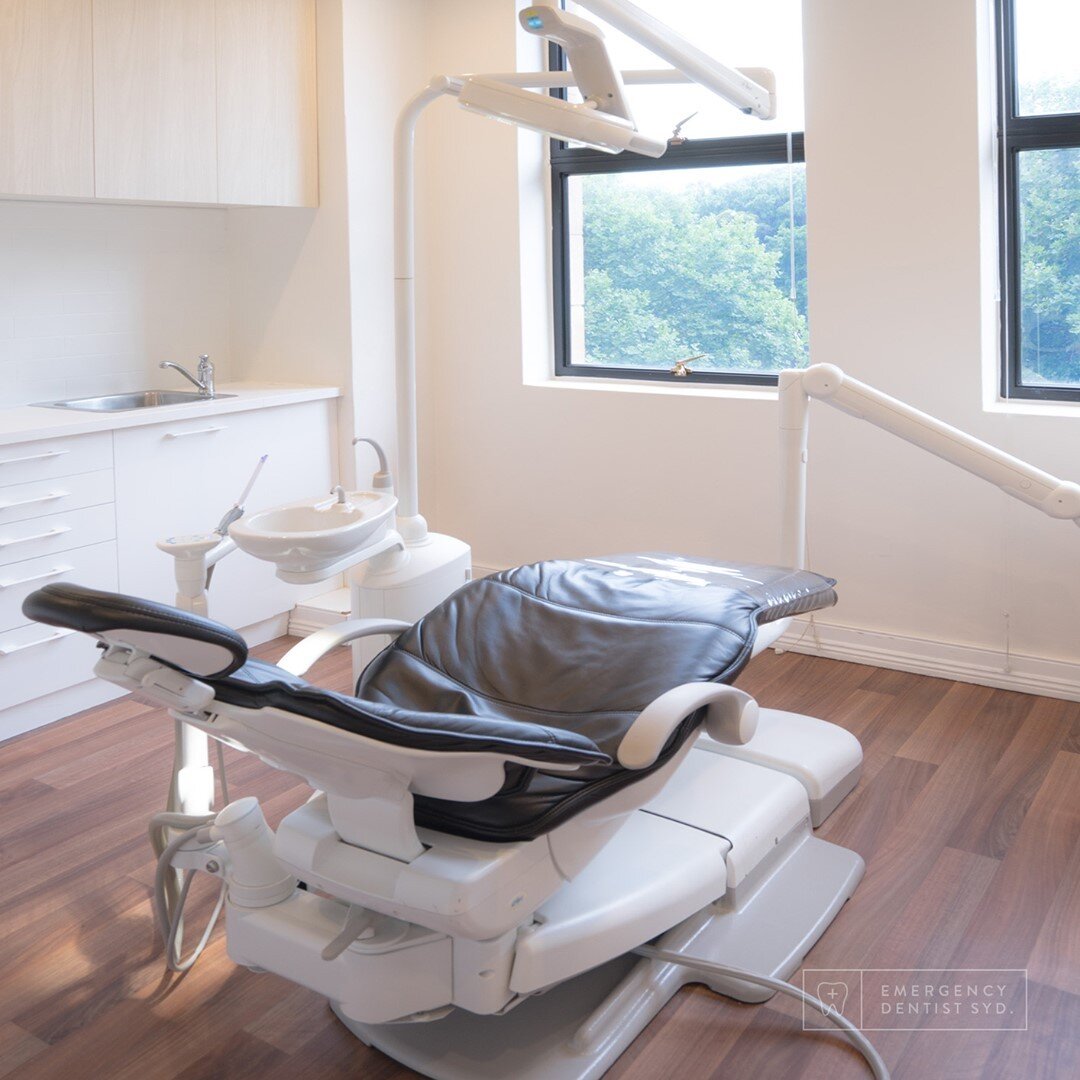

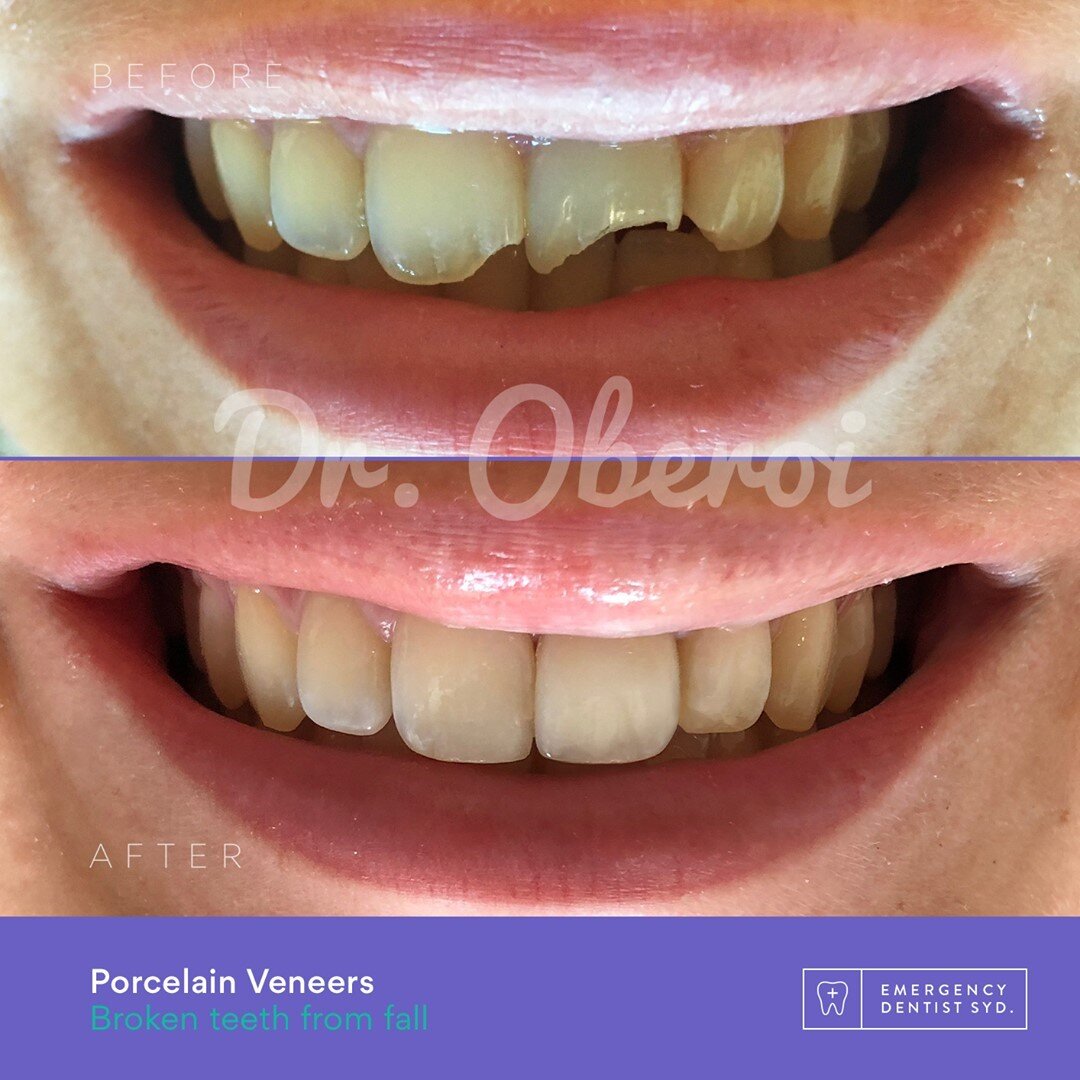

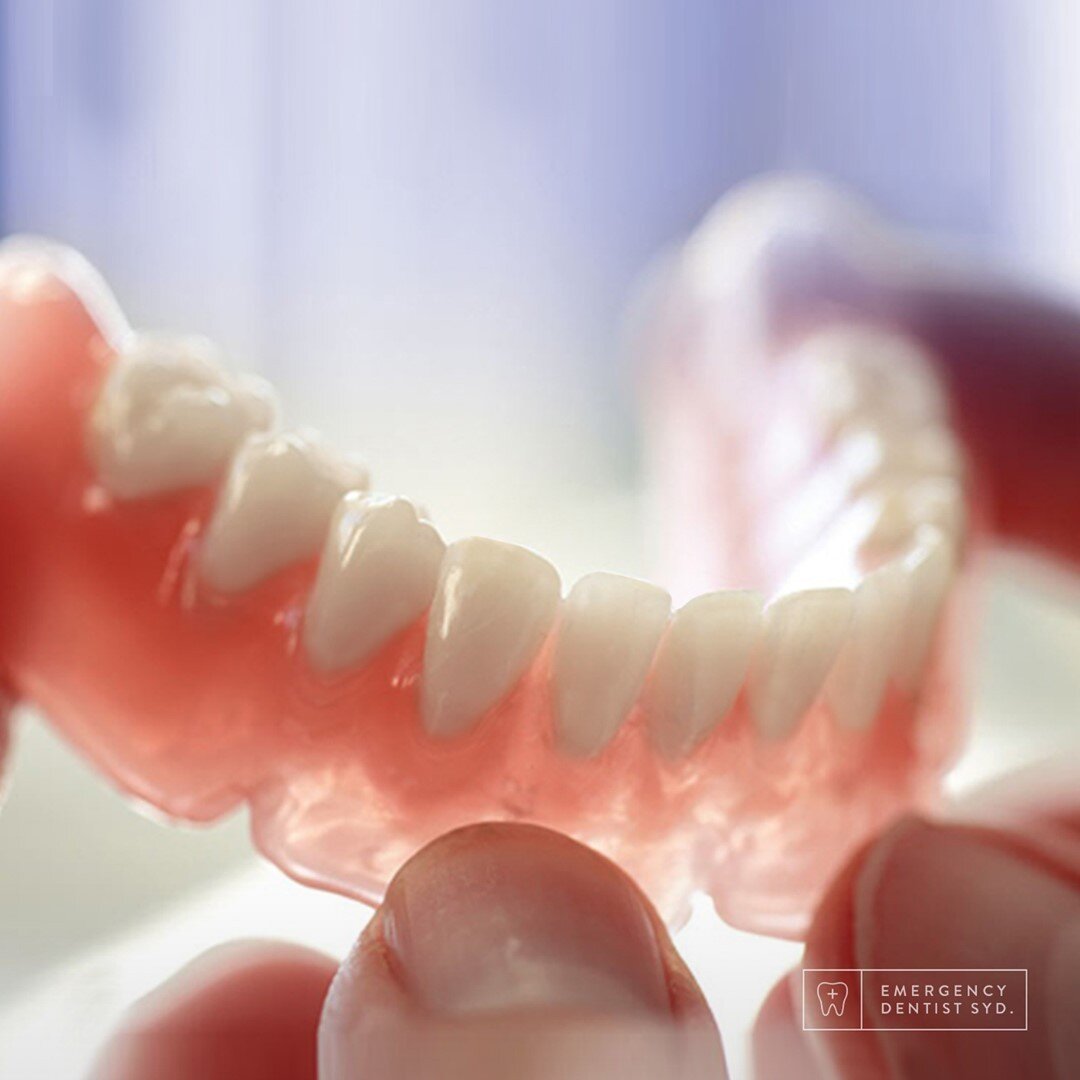



For 15 years, we've had one mission - when Sydney has a dental emergency, Emergency Dentist Sydney is there
We're proud to celebrate 15 years of providing emergency dental services to Sydney CBD and surrounding suburbs.