
A Smile Says A Thousand Words
Fixing Broken Teeth is Rewarding For Us!
Fixing Broken Teeth is Rewarding For Us!

A great smile is one of the most attractive qualities in the world. It changes the way people see you, the way they interact with you, and it changes the way you see the world. You should never hesitate to smile, but sometimes things can get in the way. If you’re concerned about your teeth or the way your smile looks, it can rob you of everything a smile can bring to your life. And this is a real problem, which is why you need to work with your dentist to overcome these issues as soon as possible.
Rewarding Work

Helping you get back your smile is one of the most rewarding things a dentist can do. As Dr. Oberoi from Emergency Dentist Sydney says, “What inspires me is when I really make a difference in people’s lives every day. I’m giving them more confidence in their smile. I’m helping them overcome years of phobia about the dentist.”
No matter what dental issues you have, your dentist has treatments that can help. And best of all, they’ll feel as good about the results as you will.
Fixing the Pain of Broken Teeth
One of the best things you can do to repair your smile is to get your broken teeth fixed. Teeth can break because of injury, poor oral hygiene, or grinding, and this can not only change how your smile looks, it can also make you feel ashamed and self-conscious. As Dr. Oberoi points out, “Often in the patient’s head, the broken teeth are a terrible fear and shame. But when you’re finished, they’re so happy and grateful with what you’ve done for them. After all that worry and shame, one appointment and everything is fixed.”

Before: Elbow to the Face

After: Dental Bonding
Fixing broken teeth is a relatively easy and straightforward procedure these days. Your dentist will examine your mouth and create a plan to deal with the problem. The treatment will vary depending on the condition of your mouth and teeth. But usually, broken teeth are covered with a dental crown, to give a flawless and natural looking smile.

Before: Cycling Accident

After: Crowns and Composite Bonding
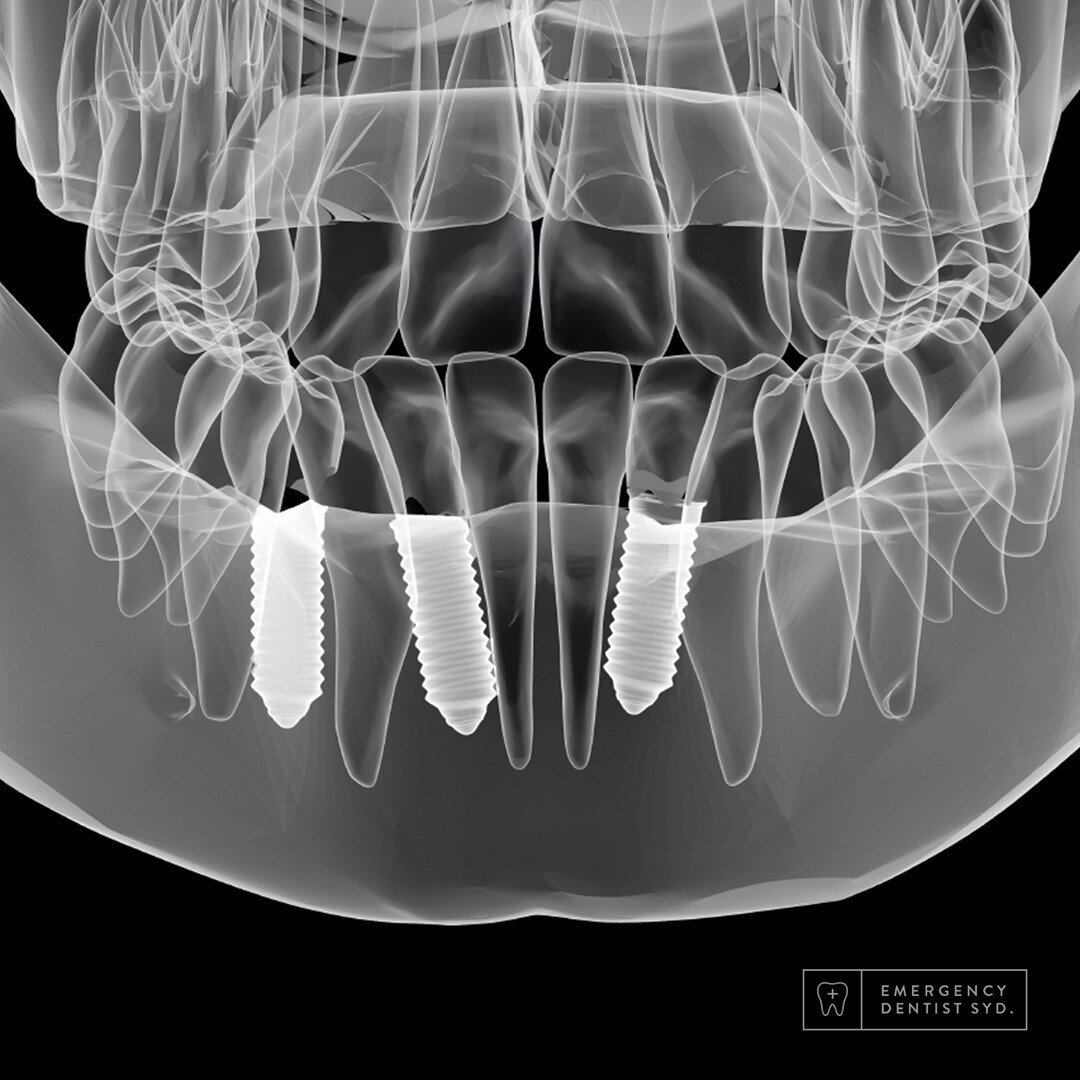
If your broken teeth can’t be salvaged, they can be removed and a dental implant placed into the gum. After a bit of time, the implant site will heal so a new tooth can be fitted into place. And once this is complete, your smile will look so good that you’ll forget there was ever a problem.
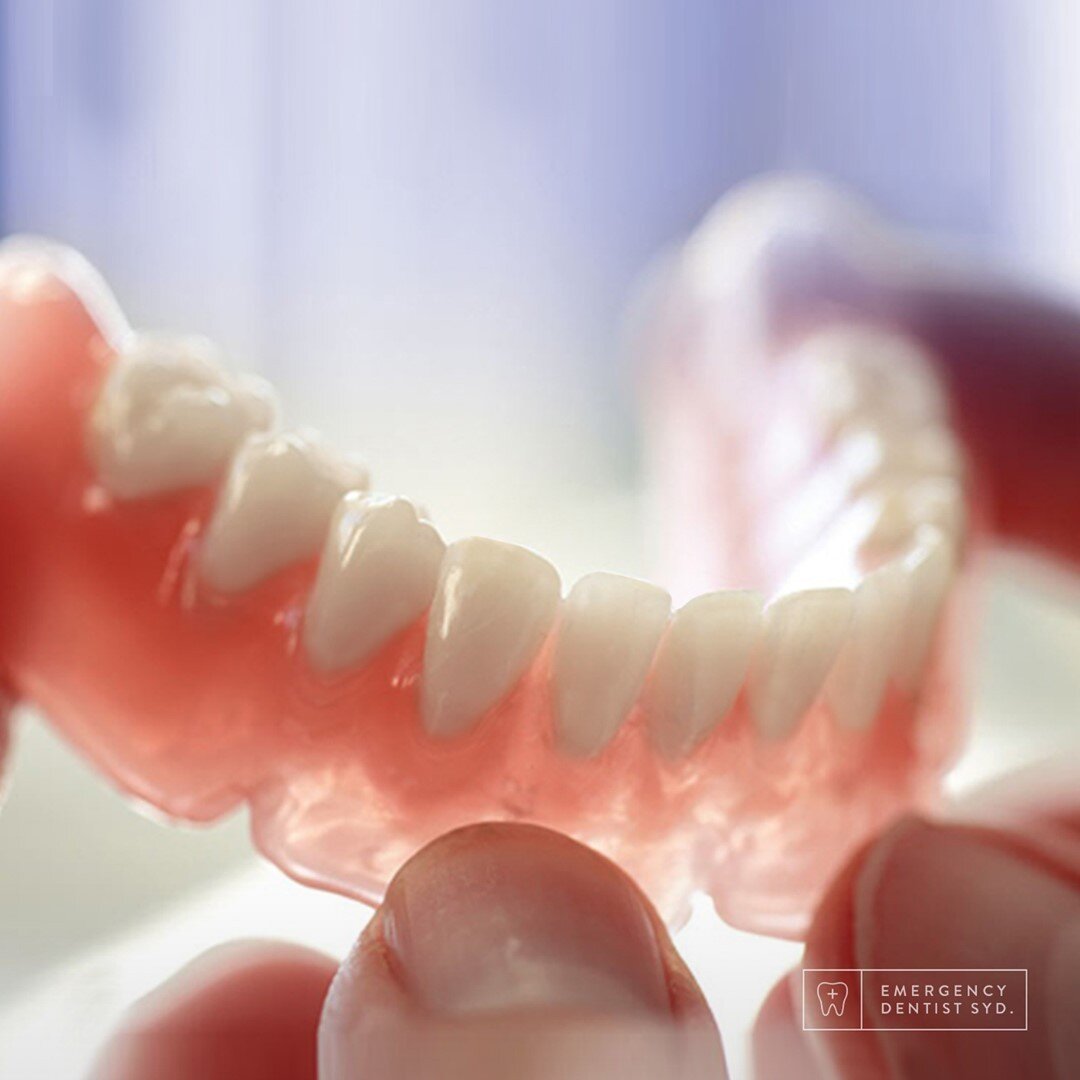
If you don’t want to have dental implants put in, your dentist may recommend a dental bridge. Dental bridges can be fitted over damaged teeth or used to replace missing teeth.They basically consist of two or more connected dental crowns that are bonded or cemented into place. Once they’re in, the replacement teeth are strong and secure, and they’ll look, feel and act just like your original teeth. So you can forget about them and show off your big, beautiful smile.

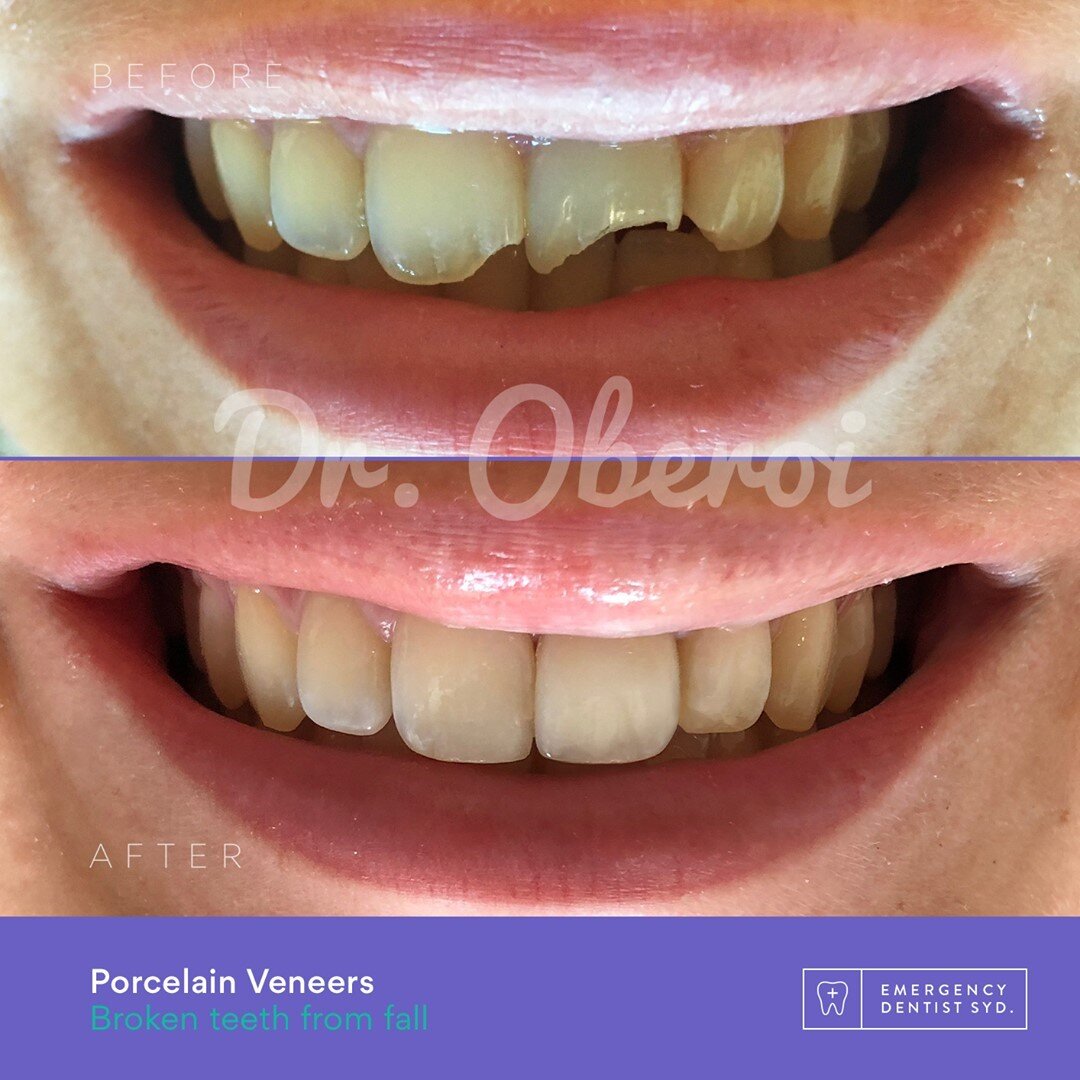
Before: Falling Accident

After: Porcelain Veneers and Bonding
Emergency Dentist Sydney Says:
If you have a dental emergency, contact our Emergency Dentist in Sydney. Our caring and expert staff are available 24 hours a day to help you with all your emergency dental needs.

Bleeding or Tender Gums
What You Should Expect
What You Should Expect
Are you noticing a bit of blood on your toothbrush and in your sink after you brush your teeth? Are your gums red and tender? If this is the case, you may have gingivitis as its most common symptom is bleeding gums. Gingivitis is the early stage of gum disease and luckily, it is reversible at this stage so there is no need to panic. However, please do not ignore it, you will need to take prompt action in order to prevent it from worsening.
Gingivitis
Gingivitis happens when the plaque and bacteria on your gum line is not removed properly, in other words, poor dental hygiene. Without regular and proper brushing and flossing, the healthy tissue around the teeth become weak and the buildup of plaque causes the gums to become inflamed and irritated. If you practice daily brushing and flossing, your gums will return to its healthy state. However, if you ignore your oral care, the plaque will harden, worsening gingivitis and over time, will lead to periodontitis. Periodontitis is the infection of the gums and will even damage the jawbone. It may cause your teeth to loosen or fall out.
What Should You Do?
As soon as you notice bleeding of the gums, here are some tips to change up your oral care before you visit the dentist.
Brush twice a day and floss at least once a day.
Use a soft toothbrush or an electric toothbrush. A soft toothbrush is good for your delicate gums and an electric toothbrush will help you reach the gum line easily.
Maintain a healthy diet consisting of low sugar and high nutrients. Eat sweets and sugary snacks in moderation.
Some medications like aspirin can increase the chance of your gums bleeding as it thins the blood so speak to your doctor about this side effect.
If you have changed your dental habits and you are eating a healthy diet but your gums are still bleeding, book an appointment with your dentist.
Visiting Your Dentist
Your dentist will evaluate your condition and let you know what the next steps are. You will be advised to visit every six months for a cleaning. Your dentist will also teach you how to brush your teeth properly to stop bleeding gums from happening again.
Emergency Dentist Sydney Says:
Bleeding gums can be a surprise but it can be prevented straight away. Don’t be afraid to talk to your dentist about ways to fix your oral care habits. Our dentists are here to help and with proper treatment, you will soon enjoy healthy gums.

Knocked Out Tooth?
Don't Panic, There's a Chance It Can be Saved
Don't Panic, There's a Chance It Can be Saved
Getting a tooth knocked out can feel like a nightmare. Although it may not be the most serious injury in the world, it can certainly seem like the world is close to ending. Who wants to be called Gappy when they are an adult? It was cute when you were six and knew it was very much a temporary situation, but a knocked-out tooth as a grownup? It sends shivers down most people's spines just thinking about it.
As shocking and scary as it is, thanks to modern dentistry if your tooth is knocked out, putting things right is a lot easier than it used to be, and the chances you won't lose your lovely smile for very long are high. As long as you take prompt action that is.
Dealing with a Knocked-Out Tooth: Immediate Steps to Take
Whether the cause is a sports injury, an accident, or you got into a fight - either with someone else or the pavement - it is important to know what to do immediately after a tooth has been knocked out.
When a tooth is knocked out it is quite literally severed from the socket (that's just one reason why it hurts so much) and usually, the ligament that once attached it to your gum and jaw is destroyed. The tooth can still be saved at this point, but you'll need as many of the tiny nerve fibres to remain attached as possible.
This means you'll have to be very careful when you pick up the tooth (we're assuming here it can be located) You should pick it up by the crown only, never the root. Pick it up the wrong way and those precious fibers will be gone.
Once you have the tooth, wipe away excess dirt (carefully) and either set it back into the socket or hold it between your cheek and gums in your mouth. Bathing your tooth in your saliva will help keep it alive. If you can't place it in your mouth putting it into a glass of cold whole milk is the next best thing.
At this point somebody - possibly not you as your mouth is busy trying to save a knocked-out tooth - should be on the phone with an emergency dentist. A tooth that is lost due to an accident has an 80-90% chance of being saved if these procedures are followed and you can get to the dentist's office quickly.
A healthy tooth that is. If a knocked-out tooth was loose already, something that is usually caused by periodontal disease, none of these measures may help, as a diseased tooth is usually beyond that at this point. You should still head right to the dentists though, as the damage done to the gums and potentially to surrounding teeth still needs to be accessed asap.
Preventing Tooth Loss
Accidents happen. We understand that. But there are some things you can do to help prevent getting a tooth knocked out in the first place. Some sensible measures include the following:
If you play sports, wear a mouth guard. Not just if you play cricket or footie and there are flying objects involved, but when you participate in any sport. You never know when an opponent’s arm, or the track, might connect with your face and knock your tooth out. You need to make sure it fits well though, so talk to your dentist and they'll help you find the right one.
Practice good dental hygiene and visit your dentist regularly to prevent gum disease and decay. As we already mentioned, an unhealthy tooth is knocked out far more easily than a healthy one and once it's out there's rarely any putting it back in.
Think when you drink. Yes, there's still tons of fun to be had, even if the summer's winding down. And while we are not suggesting you give up enjoying everything that Sydney has to offer - including all the great pubs and clubs - drink with care.
Once you get a bit beer wobbly you are far more likely to fall down and kiss the pavement (ouch, it hurts just thinking about it) and/or get into a bit of fisticuffs with a fellow 'happy' reveler. If you are drinking, take it steady and if you really can't walk straight (oops) don't try. Call a taxi, call an Uber, call a mate but don't try to walk home and certainly don't drive.
Emergency Dentist Sydney Says:
With prompt action a knocked-out tooth can often be saved. Just another reason why it pays to have our number in your phone, as you never know when you might need it at 2 am!

Health Funds
What do you accept?
What do you accept?
Even if they are in a great deal of pain, - which is far from unusual - when people call about visiting an emergency dentist they are concerned about just how they are going to cover the cost of their visit. One of the questions heard often is a simple one; "what health funds do you accept?"
Emergency Dentistry and Health Funds
One of the biggest reasons that many Australians choose to participate in a private health fund is to gain better access to dental care. Therefore, it’s little surprise that they want to try and make sure that any tie they need dental services of any kind they are covered by their particular health fund.
In answer to the question "what health funds do you accept?" at Emergency Dentist Sydney, we can honestly say 'all of them'. We do not have a preferred provider; we are willing to work with them all. In doing so we ensure that everyone has access to great dental care in an emergency and that worries about coverage are taken out of the equation and patients can concentrate on dealing with the real issue at hand; getting their dental emergency taken care of.
This means that at Emergency Dentist Sydney we can accept all the following health funds:
Using Your Health Fund Coverage at Emergency Dentist Sydney
When you visit us, and it’s planned that you’ll be receiving a dental treatment covered by your health fund, you will be able to claim instantly at your appointment, providing you can present your health fund identification (temporary ID cards are OK) to our staff at the time of the visit. Each claim is made individually, we don’t bulk bill as we are private providers and not a part of the public health system.
Emergency Dentist Sydney Says:
Because we believe that everyone should have access to the best possible dental care, both as a matter of routine and on an emergency basis, we make sure we can work with any health fund in Australia to allow more people to do so.

Smokers vs. The Dentist
The Tough Truth
The Tough Truth
There's been a lot of good news about smoking in Australia recently. According to the Australian Bureau of Statistics the number of smokers in the country has decreased by nearly 10% over the last two decades. Back in 1994 one in four Aussie adults smoked. By 2015 that had been cut to one in seven, and the numbers are still dropping.
However, that's still plenty of people lighting up on a regular basis. Do most of those people probably want to quit? More than likely. But it's tough, we know that. Lots of folks have to try, try and try again before they finally manage to kick the habit for good, so if you're struggling, you're not alone.
The one thing we do know as dentists is that whether they are actively trying to stop smoking or not, lots of smokers avoid coming to see us. And even if they do, they are often embarrassed, because they know that the lingering 'smoker's breath' and the discolouration years of nicotine causes on the teeth isn't attractive at all.
There are however, even bigger oral health concerns that smokers should be aware of. Smokers are at an increased risk for all of the following:
A dulled sense of taste and smell, even if they don’t know it. Often, when a person stops smoking it's the first time they realise all of the wonderful taste experiences and everyday scents they've been missing!
Slow healing after a tooth extraction or other dental surgery. This can seriously impact the effectiveness of what can be rather helpful and sometimes even transformative oral health treatments.
Gum disease. Gum disease is nasty stuff. It does not just affect smokers of course but it does tend to be a little worse, and harder to treat effectively, if the patient being treated smokes.
Oral cancer. This is obviously the biggie. Not to be overly heavy but smoking seriously increases the risk that you will develop some form of oral cancer.
By the way, we should point out that it is not just cigarette smokers who are at an increased risk for these oral health problems. Cigar smoking and tobacco chewing can be just as bad. And the bad news for vapers is that an increasing number of dental case studies and research projects are finding that vaping can potentially be as bad for your oral health as smoking regular cigarettes.
The one thing you should not do as you try to kick your habit though? Avoid seeing the dentist on a regular basis. Dentists, although yes, we will try and encourage you to stop smoking/vaping are not overly judgmental people. We get that it's hard and what we'd like to do is to address any damage you've already suffered to your oral health as a smoker while helping you learn to minimise future problems.
If you are still smoking, try all of the following, starting today:
Cut down as far as you are able. Every little step counts!
Pay particular attention to brushing your teeth at least twice a day
Try making use of a smoker's toothpaste (but make sure it's one that contains fluoride too)
Keep trying to quit. It really is better for your oral health, your overall health and even all the people around you.
Emergency Dentist Sydney Says:
Smoking is not good for your health, including your oral health. But it should not be a reason to skip dental treatment. Sticking to your regular checkup schedule - and seeking help right away if you experience tooth pain - can help minimize the damage smoking does to your teeth and gums.

After the Emergency
Follow Up Treatments Explained
Follow Up Treatments Explained
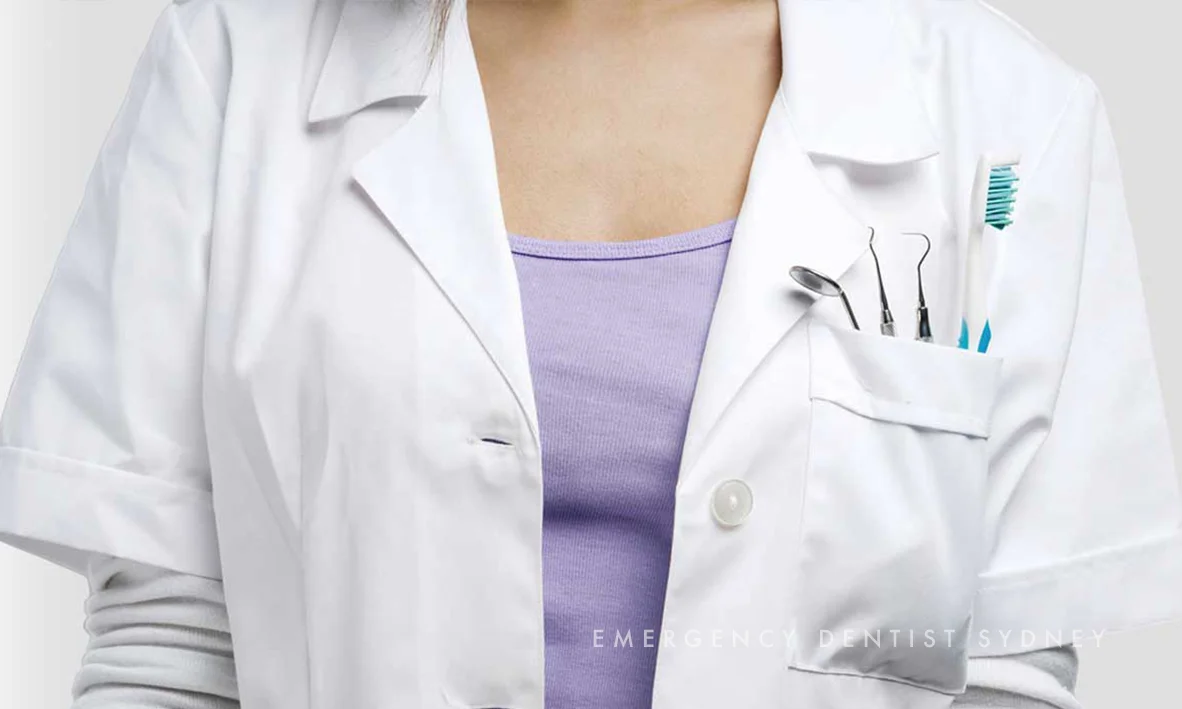
Our name (sort of) says it all. Emergency Dentist Sydney. We're the people you can turn to at two in the morning on a Saturday night to help get rid of that terrible toothache that is making your life a misery (to say the least).
That is not, however, all we do. While we do everything we can to help you during your first visit to us, very often the real cause of that pain calls for follow-up treatments of a number of different kinds. The good news is that the same friendly, helpful and skilled dentists who helped you out during your emergency visit are ready, willing and able to perform those as well.
Common Emergency Follow Up Treatments Explained

You might be wondering what kinds of follow up treatments are called for after a visit to an emergency dentist. Here's a quick look at some of the most common:
Laser Root Canal
The days when all dentists wanted to do was yank teeth out are long gone. Losing a tooth - even one 'hidden away' at the back of the mouth - can be a very traumatic experience - so these days an extraction is usually only considered as a last resort.
Root canals can be used to save a tooth that has been damaged by decay or infection but of all the dental procedures people can undergo it's the one people are most scared of. Everyone always seems to be able to tell a horror story about the terrible time their Mum/Granny/best friend had with a root canal and those gory tales alone often put people off.
The fact is though that root canal procedures have changed a great deal, and that is especially true of the root canals we perform. We've replaced the scary, noisy drills and sharp pointy things with lasers. The lasers are as effective - often even more so - and most of our patients find that their pretreatment fears were completely unfounded after all.
Crowns and Veneers

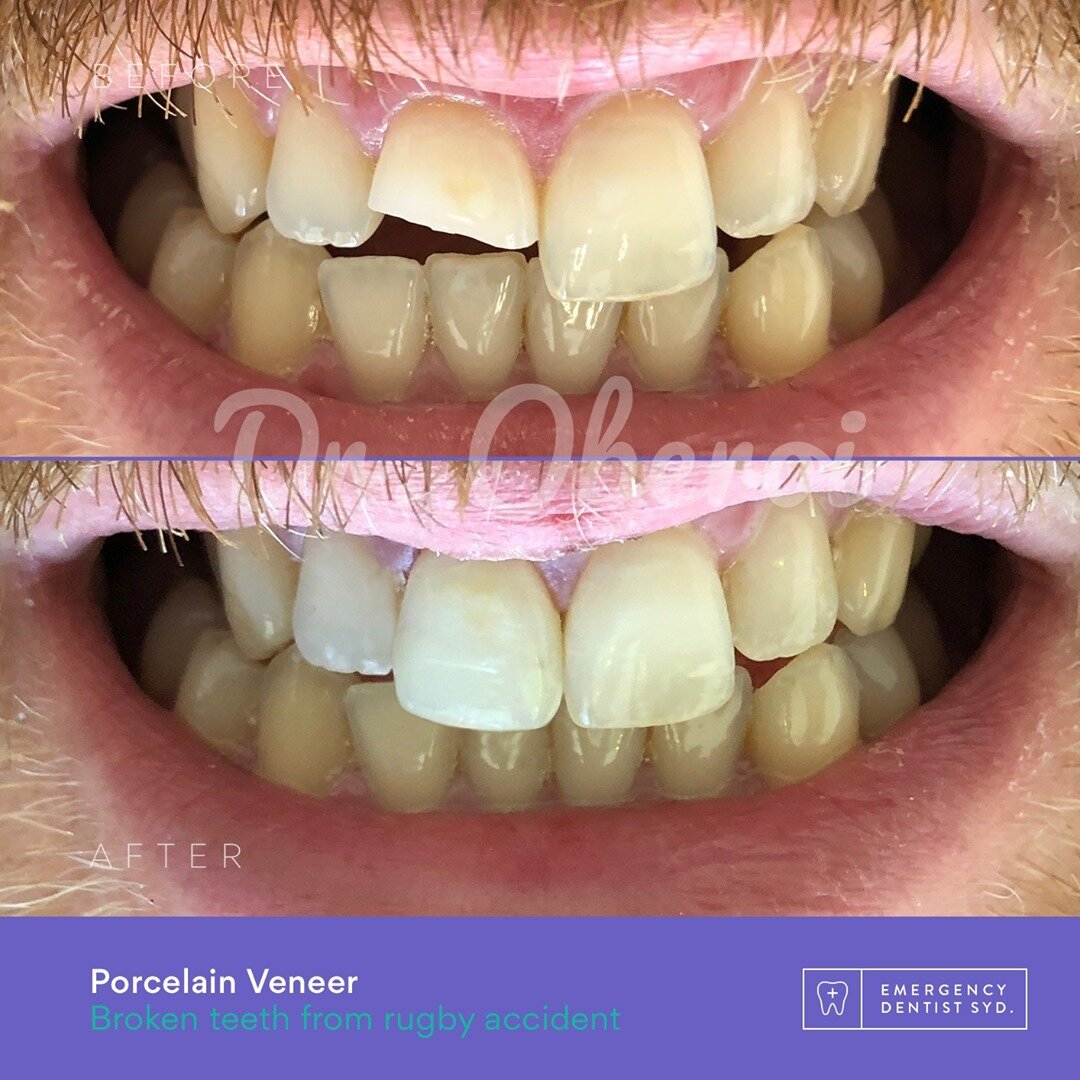
Broken teeth can be a nightmare too. Not only do they usually look less than appealing but a broken or chipped tooth is a magnet for infection and recurring pain. Crowns and veneers can be used to solve this problem and many others, including misshapen teeth and to protect a tooth that has been restored by a root canal.
Veneers and crowns today are a far cry from those used even as little as ten years ago. They look very natural, can be custom fit to suit any mouth.
Other Treatments
Sometimes the causes of the pain that sends a patient to us in the middle of the night are not quite what they expected. For example, did you know how much trouble (and pain) something like gum disease can cause? Or a stubborn wisdom tooth that cannot even be seen with the naked eye? The good news is that we have the expertise to treat these conditions as well.
Whatever the reason you initially come in to see us for there is one thing we can promise you. You'll never leave our office without a plan for future dental treatment and care that has been fully discussed with you, including the costs involved.
Emergency Dentist Sydney Says:
Although many of our patients first come to us as a 'last resort' we're happy to say that lots of them keep coming back. We're committed to providing the best possible oral health care for everyone, not only in their 'hour of need' but for years to come.

My Tooth is Killing Me
But How Much Will It Cost to Fix It?
But How Much Will It Cost to Fix It?
You are in pain. Agony actually. The toothache you've been trying to ignore for days because you were a little too busy to make it to the dentist (which is not exactly your favourite place to hang out anyway) refuses to be ignored any longer. Or respond to any kind of pain medication you can find in your bathroom cabinet or at the chemists.
Oh, look though, there's an emergency dentist. In Sydney. Not too far away actually. And they're open! But hold on. How much is it going to cost? Even through a fog of pain, our thrifty side tends to kick in. Which is understandable. That's why today we thought we'd spend a little time going over the basic costs associated with coming to see us.
Basic Costs Explained
Every toothache is different. Every toothache has a different cause and will require a slightly different treatment. So, putting an absolute, guaranteed price on your whole visit to an emergency dentist is impossible to do. We can, however, walk you through the basics so you have a better idea of to expect:
Step 1: Book an appointment online or on the phone
We are open 24/7 but taking a few minutes to book your appointment with us online - or over the phone - lets us know you are on your way so that we can be better prepared to help you as quickly as possible when you arrive.
Step 2: Head Down to See Us
We're not hard to find if you haven't been to see us before. We're opposite Hyde Park, The Sheraton on the Park and lots of buses stop right outside our door. If you do need help getting to the practice visit our Find Us page for more details.
Step 3: When You Arrive
The basic cost of a consultation - no matter what time of day or night - is $100. If you need a prescription - which many patients do as infected teeth are some of the most common problems we see - we can tell you that the cost will increase by another $50. during the consultation our dentists will examine you and determine additional costs as needed.
The one thing you should know is that every recommended treatment - and its associated costs - will be fully discussed with you before we do a thing beyond a basic examination. We pride ourselves on being as upfront and transparent as possible, as we understand that no one likes nasty surprises when it comes to money!
Step 4: After the Emergency
Many of the patients we see on an emergency basis do require follow-up treatments. We can offer patients all kinds of services to help ensure that the real cause of their dental emergency is addressed, and not just masked. These range from extractions and root canals to crowns, implants and veneers. However, once again, everything - including the costs involved - will be thoroughly discussed and explained.
Emergency Dentist Sydney Says:
We pride ourselves not only on the high quality of our services and the expertise of our dentists but also on the fairness and affordability of our pricing.

The Truth about Temporary Fillings
They're just temporary
They're just temporary
Temporary fillings seem like such a strange idea. After all, if you have a hole in your tooth, why would your dentist only fit it for a short time?
But this is a simplistic view. Temporary fillings can be a very useful tool if used in the right circumstances. They’re a short term solution that eases the pain of damage and makes it possible for you to go about your life as normal until you can get the proper treatment. If you need to get a temporary filling, here is a quick guide to their use and care.
What is a temporary filling?
A temporary filling is a filling that has been placed to seal or build up part of a tooth. It is generally made from softer materials and is not intended as a permanent solution.
What is the procedure for a temporary filling?
The procedure for a temporary filling is similar to the procedure for a normal filling except much shorter. There is hardly ever any drilling or teeth shaving required, because the filling is not meant to be there forever, and so it can be done quickly so the patient can go about their day again. There are usually no needles needed for this procedure either.

Why do temporary fillings fall out?
Temporary fillings are temporary treatments for a number of problems. They aren’t meant to last forever. If you get a temporary filling, and don’t go back for the treatment, the filling will fall out sooner or later. Generally speaking, a temporary filling can last anywhere from a couple of days to a few months depending on where it’s located. This is dependent on other factors of course, such as general mouth health, food intake, and whether you ‘play’ with the filling a lot. But, if you’re careful and you go back to your dentist for the proper treatment, your temporary filling should last until the dentist can put something more permanent in there.
How can I care for my temporary filling?
When you have a temporary filling, mostly you need to be careful what you eat. Biting into hard foods such as nuts or seeds can cause the filing to come loose and fall out. If possible, chew on the side away from the filling. Apart from this, you can brush your teeth as normal without dislodging the filling. Just make sure you keep your tongue away from it as well. When temporary fillings fall out, it’s often because the patient is constantly digging at it with their tongue. With this kind of treatment, it’s no wonder they don’t last.
Emergency Dentist Sydney Says:
If you need professional and compassionate dental care, come and see us here at Paramount Dental Sydney. We’d be happy to work with you towards the best oral health of your life.
Need Advice Or Emergency Dental Care In Sydney CBD?
Contact our friendly team


Pregnancy vs The Dentist
We might have some answers for you...
What is Safe?
An expectant Mum spends a great deal of the nine months of her pregnancy visiting with medical professionals. But here's a question for you; is it safe for those visits to include trips to the dentist?
If you answered 'no', you are wrong. But you are far from alone. Over the years skipping professional dental care while pregnant has joined other outdated advice - pregnant ladies shouldn't ever exercise, expectant mums should eat for two. That has been debunked by the medical profession but is a myth that is perpetrated by scare-mongering blog posts or well-meaning (but incorrect) friends and relatives.
Why You Should Nor to Skip Dental Care in Pregnancy
Unfortunately, studies here in Australia, as well as research conducted in the UK and the States, has found that up to half of expectant mums in any given year deal with serious dental issues like bleeding gums and pain and fail to make a dental appointment to get them addressed either because they assume such things are just another of the not so nice aspects of pregnancy or that visiting the dentists while expecting simply isn't safe.
The fact is though, not only is it safe to do so but very much advisable, as recent research has found that a lack of dental care in pregnancy can harm an unborn baby as well as his (or her) Mum.
Gum Disease and Unborn Babies
The research we mentioned studied a connection between premature birth and low birth weight and periodontal (gum) disease. Several studies have demonstrated some connection, and while more are ongoing to confirm these initial findings the common wisdom so far is that the inflammation and low grade infection that gum disease often causes leads to the body into concluding that Baby would be safer out in the world rather than in Mum's tum, and premature labour is triggered.
Good daily brushing and flossing can help keep gum disease at bay but as the hormonal changes that occur in pregnancy often soften gum tissue a preventative visit to the dentist is never a bad idea, just make sure that the staff are aware of your pregnancy, as some things, like x-rays, are not safe in pregnancy without special precautions being taken.
The Morning Sickness Problem
Morning sickness is one of the biggest downsides of pregnancy for many women, but there is a lot of comfort to be found in the fact that, for most, it goes away by the end of the first trimester.
It can leave damage to the teeth behind it though. Vomiting every day can erode the enamel of the teeth significantly, leading to cavities that should be treated as soon as possible to avoid tooth damage (or tooth loss'). Therefore, waiting another six to seven months until Baby has arrived to see a dentist is not a good idea.
It is agreed by both dentists and OBs these days that simple procedures like dental cleanings and fillings are perfectly safe in pregnancy, although an expectant Mum may want to schedule elective dental procedures before the 20-week mark, simply for her own comfort, as an hour in the dentist's chair can be rather uncomfortable for a heavily pregnant lady. In fact, many OBs now advise that a dental exam be a standard part of those essential first trimester checkups, both for the sake of Mum and her unborn child.
The Emergency Dentist Says:
A visit to the dentist really isn't something you should skip in pregnancy, even if you are not one of our biggest fans! If a dental visit is something that usually scares you a bit anyway, remember this time you'll be protecting your baby's health as well as your own, and we promise we'll be gentle!

The Great Flossgate Debate
We take a look at the ongoing debate over flossing and if you should still be flossing away each day...
What's The Real Deal?
Dental floss. Chances are that you have some in your bathroom right now. And we wouldn't be too surprised if you've been wondering recently if it still actually belongs there. Over the last year or so dental floss - and the act of flossing at all - has become the subject of some rather heated debate worldwide, after an Associated Press 'investigation' published in 2016 suggested that the oral health benefits of flossing have been overblown. As you might expect, dentists across the globe for the most part disagreed. But what's the real story?
A Brief History of Dental Floss
If we are going to talk about dental floss and its real role in oral health it helps to know a bit about how it ever came to be in the first place. Although there is some evidence that even cave dwellers used rudimentary toothpicks, the concept of dental floss did not appear until the early 19th century courtesy of a scholarly dentist practicing in New Orleans in the US.
Levi Spear Parmly was not exactly your average dentist. He was a rather serious man who loved research as much as he did dentistry, becoming a noted author in the field at a relatively young age. It was in 1819 that he first wrote about his practice of making use of waxed silk threads to clean between his patient's teeth. He laid out his rationale for doing so by stating it was "to dislodge that irritating matter which no brush can remove and which is the real source of disease".
Dental floss was not made commercially available however until long after Parmly's death. In 1882 the Codman and Shurtleft company began producing unwaxed silk floss for general sale, but the concept didn't begin to really catch on until the Johnson & Johnson Corporation received a patent for dental floss made from the same silk thread that surgeons used for stitches.
Finally, dental floss as we know it came about during World War II, when a New Orleans doctor, Charles C. Bass, a man who had a great interest in how oral health affected general health, revisited Parmly's original concept of waxing the flossing thread, but he used nylon instead of silk, partially because it was cheaper and easier to work with than silk and partially because of its superior abrasion resistance.
Ask any dental student and they'll tell you that both Parmly and Bass are considered true pioneers in the field of preventative dentistry and that their work still influences the profession today. So, did two brilliant minds, working over half a decade apart, really get it all wrong?

Vintage advertising from Lister, above left and Crest, above right.
Dental Floss and THAT Report
Coming back to the 'Flossgate' debate (yes, people have called it that) of today, most dental educators dentists had similar responses to the AP report. The report, they said, missed the point completely when it comes the benefits of flossing for oral health.
Per many of them the research used as the basis for the piece did indeed show that yes, when flossing is performed incorrectly, there are no health benefits. But why would that come as a surprise to anybody they countered. In addition, the very same studies showed numerous benefits could be associated with flossing with proper technique. So, essentially, the "big" news was no news, simply a reiteration of what dentists had been saying all along, floss regularly and floss the RIGHT WAY and your oral health will be improved.
Let us not forget people who suffer from gum disease and other health problems resulting from less then sufficient oral hygiene habits. Patients with poor oral hygiene habits, poor diet and/or poor lifestyle habits may have early signs of oral disease or infection. Inheritance plays a massive role in periodontitis as well with genetics being a contributing factor in the onset of the disease.
Incorrect brushing techniques, regular smoking or a diet high in sugar may result in gum disease, which can be irreversible once the disease advances to periodontal disease. This may be even moreso for patients gentically predisposed to gum disease. For patients engaging in habits that lead to gum disease, they are often unaware of the physical signs and symptoms. For these patients regular flossing is imperative.
The Emergency Dentist Says:

Not everyone bought the arguments against the report and for some, the debate over flossing is still going on. However we side with majority of our peers and recommend regular flossing. Think you might need some help with your flossing technique? Make an appointment for a checkup (you know it's time anyway) and we'll be happy to give you a lesson.

Give Bad Breath The Boot
There are a number of reasons why a person may suffer from bad breath. These are the most common causes...
5 Easy, Effective Ways to Combat a Bad Breath Problem

Bad breath. People who suffer from it are normally either unaware of the fact or truly embarrassed about it. They often wonder just what they should be doing about it, as strong chewing gums and breath sprays only seem to go so far. The good news is though that most cases of halitosis - that's the scientific name for bad breath - can be addressed pretty easily.
What Causes Bad Breath?
There are a number of reasons why a person may suffer from bad breath. The most common include:
- Poor dental hygiene
- Persistent dry mouth
- Tooth decay
- Gum disease
- Smoking
- The consumption of pungent foods (garlic etc.)
- Some medical conditions, including diabetes and acid reflux
In the case of the last item on that list it may be that the person has the best oral hygiene in the world but their health prevents them from having really fresh breath. In these cases a combination of a GP and a dentist's advice and care is called for to address a halitosis, problem. For many people though the issue can be solved with a change of habits and a little more awareness of the fact that the problem exists.
Here are usually very effective ways to combat bad breath:
- Improve Your Dental Hygiene.
Not only do people need to stick to the oft given advice that they brush at least twice a day with a good toothpaste they also need to address two other causes of bad breath due to poor dental hygiene; bacteria and food remnants stuck in the teeth.
It's not that hard to get food stuck in your teeth, but if it's allowed to remain there it will usually begin to rot (sounds horrible but it's true) and smell. Flossing on a daily basis (at least) will help remove stray food particles and bacteria can be addressed with an anti-bacterial mouthwash. Brushing your tongue, as strange as that may sound, will help as well.
- Stay Hydrated.
Dry mouth is another 'leading cause' of bad breath that can be fairly easily addressed. Many people don't realise that they are not drinking enough during the day but it's an easy fix. Get into the habit of sipping from a bottle of water throughout the day and try to consume the equivalent of two litres of water a day.
- Brush After You Eat Stinky Foods.
We could just say stop eating 'stinky' foods to avoid bad breath but, to be fair, there are a lot of great - and even great for you - foods that fall into that category.
A better idea then is to make sure you brush after consuming pungent foods, even when you are away from home. A travel toothbrush and paste isn't hard to fit into a handbag or pocket and these days you can even buy pre-pasted travel brushes relatively inexpensively that are even more convenient.
- Gum Can Be Your Friend.
Chewing gum can be a good way to remove stubborn food particles, keep dry mouth at bay and freshen breath, so yes, the adverts are right, it is always a good idea to keep a pack in your pocket.
- Don't Smoke.
We know, that's easier said than done. If you do still smoke these days despite all of the outside pressure to quit - and there's a lot - chances are you've been struggling to do so. In this case there's no shame in asking your GP or dentist to suggest ways to help, and they'll usually be quite happy to do so.
- Schedule Regular Checkups With Your Dentist.
Some underlying causes of bad breath, like tooth decay and gum disease - really need to be treated by a dentist. By making sure you stick to a regular check up schedule your dentist ill be able to spot - and treat - such problems and then help you tailor your dental hygiene plan to help prevent them from reoccurring.
The Emergency Dentist Says:

Bad breath is no laughing matter, it can really impact your life, especially your social life. In many cases though it's a problem that can be- with the help of your dentist - solved pretty easily.

Hot New Trend: Braces for Adults
The waning of a stereotype as more and more adults embrace teeth straightening treatments...
The Waning of A Stereotype
Not so long ago, for a teenager, hearing a dentist say that they needed braces seemed like the end of the world. Never mind that the end result would be straighter teeth and a better smile. In the short term that meant risking being called 'brace face' - or worse - every time they opened their mouth, delaying dating because they were afraid of ripping someone's lip with their metal brace when kissing, the actual mouth full of metal and more.
The 21st Century Attitude to Braces
Things have certainly changed when it comes to braces over the last decade or so. Improvements in orthodontics mean that braces are now far more discreet, smaller, easier to live with and in many cases even get the job done - the job of straightening teeth that is - faster.
Something else that has changed is most kids' attitude to getting braces. In the age of even seven seconds selfies a beautiful smile is possibly more desirable than ever before, so according to some dentists they actually have to upset younger kids coming into their surgeries by telling them they are not quite old enough for braces yet!
Am I Too Old for Braces?
All of this has left many grown ups, grown ups who fought Mum and Dad tooth and nail back in the day and did not get braces when they were a kid, wishing that they could get them now. They'd like to smile in selfies too. They know that a healthier looking - and actually healthier - straighter smile would be a lovely self confidence booster for starters. But it's all too late now...isn't it?
The simple answer is that no, it's not. People in their 20s and 30s are getting braces. People in their 40s and 50s - including a gent called Tom Cruise - are getting them. There are even a few OAPs who have given braces a shot.
What Will People Think?
While more and more adults are getting braces these days it's still something people are afraid might raise a few eyebrows. And be a pain in the you know what to boot when it comes to actually living with tooth correction devices.
In response to those concerns what can we say? Well, today's braces are far less noticeable than ever before, so most strangers will probably never even notice. They are also easier to wear, easier to remove and easier to clean. You don't even need to see the dentist for check ups anywhere near as often as in the past. And as to what people think? Even if they do notice the braces and snicker a bit who cares? You'll be the one with the big (beautiful) cheesy grin in a few months and then all they'll be is jealous!
The #EmergencyDentist Says:
Modern braces are better than ever and so are the end results, so don't let age get between you and a straighter, healthier smile.
Patient Care First

Keep Up-To-Date with All Things Oral & General Health
RECENT ARTICLES


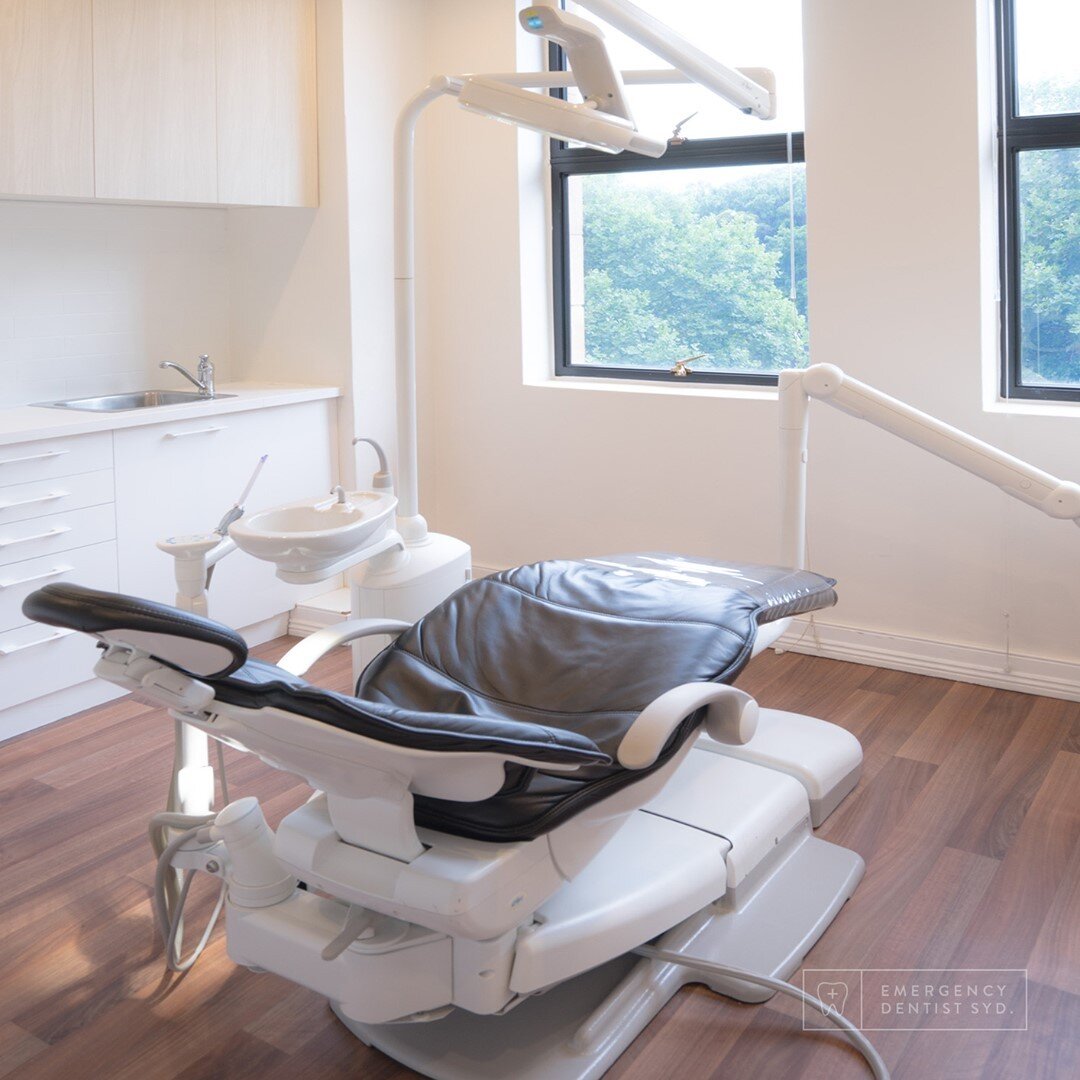
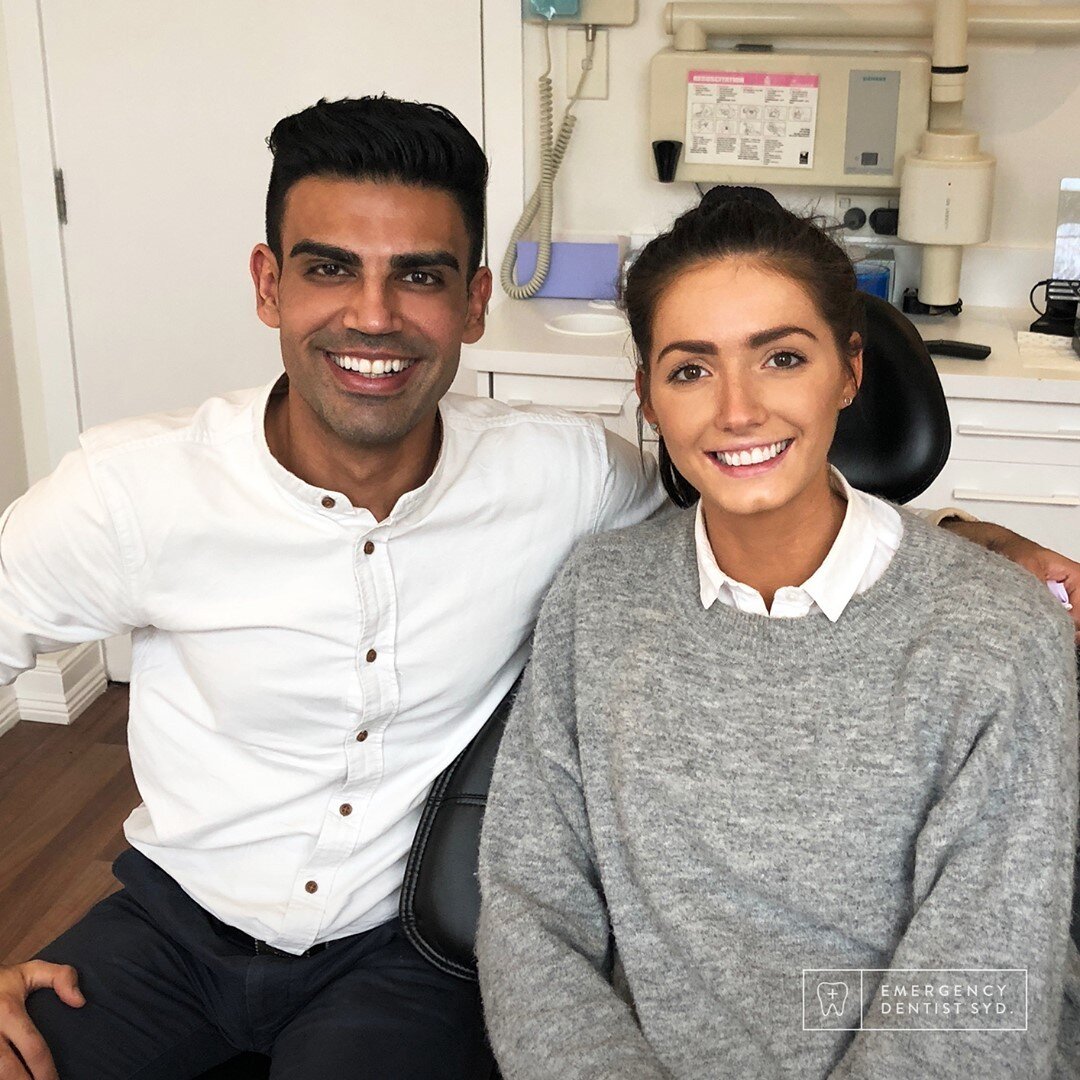




For 15 years, we've had one mission - when Sydney has a dental emergency, Emergency Dentist Sydney is there
We're proud to celebrate 15 years of providing emergency dental services to Sydney CBD and surrounding suburbs.