
How often should you visit the dentist?
Don’t be a stranger
Regular dental check-ups are essential for maintaining good oral health. But how often should you visit the dentist?
Don’t Be A Stranger!
Regular dental check-ups are essential for maintaining good oral health. But how often should you visit the dentist? The answer to this question can vary depending on your individual needs and circumstances.
The Australian Dental Association (ADA) recommends that most adults should visit the dentist every 6 - 12 months for a routine cleaning and examination. This is known as a "dental check-up" and is typically covered by dental insurance.
During a check-up, the dentist will examine your mouth, clean your teeth and gums, check for cavities and other oral health problems such as tooth decay or gum disease, and make recommendations for any further treatment that may be necessary. The dentist may also take X-rays to check for any hidden problems.
Visiting the dentist regularly is also a great way to keep up with the latest advances in dentistry, such as preventive treatments and cosmetic procedures.
How much does a dental checkup cost in Sydney?
The cost of a dental check-up in Sydney can vary depending on the dentist and the services provided. A standard check-up typically includes examination, cleaning, and X-rays if necessary. The cost can range from around $80 to $200 or more, depending on the level of professional cleaning and the number of X-Rays you receive.
If you have private dental insurance, the cost of a check-up may be partially or fully covered. You may want to check with your insurance provider to find out what is covered under your plan. If you do not have dental insurance, you may be able to find a dentist who offers a payment plan.
How much do dental treatments cost?
When it comes to more complicated dental procedures, costs can vary quite significantly. Here is a breakdown of some of the most popular dental treatments and their average costs in 2023 within Sydney:
Tooth extraction (the removal of a tooth/teeth) - from $250 - $300 per tooth for simple extraction. $300 - $600 for surgical extraction
Teeth Whitening (up to 5 shades whiter teeth) - from $450 - $550 for take-home teeth whitening. $750 - $900 for in-chair whitening.
Invisalign (clear teeth straightening) - from $2,500 - $8,000
Metal Braces (traditional teeth straightening) - from $2,500 - $9,000
Lingual Braces (braces hidden behind the back of teeth) - from $4,500 - $15,000
Dental Implants (artificial titanium roots for missing teeth replacement) - from $2,500 - $4,000 per implant
Dental Crowns (covering for a tooth, to restore its shape and size) - from $1,800 - $2,500 per crown
Root Canal (removes infected tissue inside a tooth) - from $550 - $2,500 per tooth
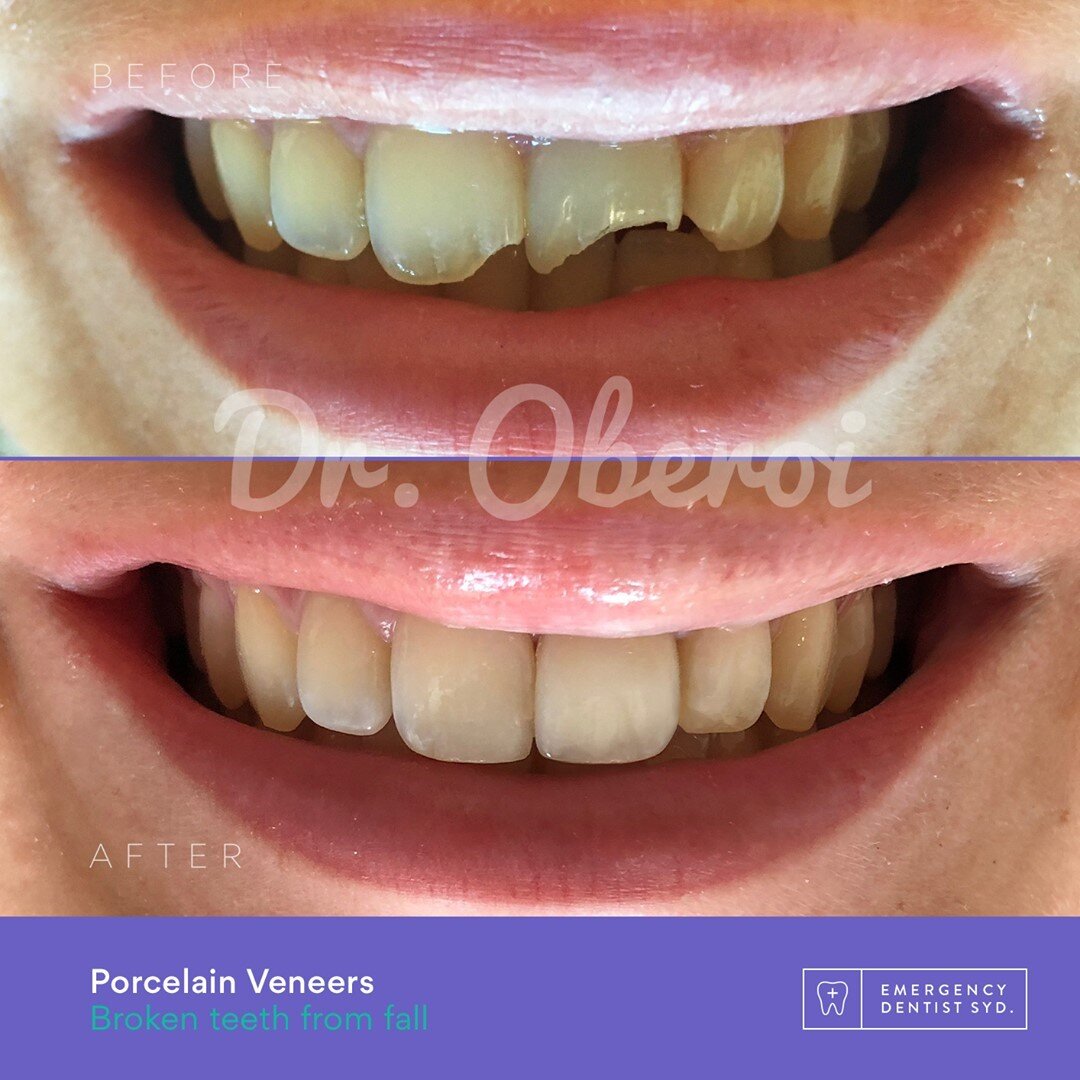
Veneers (custom shells that cover the front surface of teeth to improve appearance) - from $1,800 - $2,500 per tooth (on average, people get 4 - 12 veneers at a time)
Do I need to visit the dentist more frequently after major dental surgery?
After a key treatment, such as orthodontics (teeth straightening), tooth extraction or dental implants, your dentist will typically recommend a specific schedule of post-surgery follow-up appointments to monitor your progress and ensure that the surgery is successful and prevent complications.
For example, after a tooth extraction, you may need to visit the dentist for a follow-up appointment within a week or two to ensure that the extraction site is healing properly.
Similarly, after a dental implant or root canal procedure, it might be necessary to visit the dentist several times over the course of the upcoming year for check-ups and adjustments.
In some cases. patients who have recently received braces may need to visit the dentist every 4-8 weeks for adjustments, while Invisalign patients may require assistance every 6-10 weeks. After the orthodontic treatment is finished, the dentist may recommend that you have check-ups every 6 months to ensure that the teeth stay in their new position, and the bite is comfortable.
After any form of major dental surgery, it is important to practice good oral hygiene to promote healing and prevent infection. Your dentist may give you specific instructions for caring for your teeth and gums, such as avoiding certain foods or using a special type of toothpaste or mouthwash.

When should I seek emergency dental help?
It is important to visit the dentist as soon as possible if you have any symptoms of oral health problems such as tooth pain, bleeding gums, or changes in the appearance of your teeth or gums. In these cases, the faster your response time, the more likely you will be to prevent the problem from getting worse.
Unfortunately, many dentists do not provide after-hours care and securing an impromptu booking slot can be difficult considering dentistry is such a high-demand area of healthcare. However, Emergency Dentist Sydney specialises in urgent dental care. Our entire business model is based on providing fast and effective emergency care, regardless of the time of day or day of the week.
What steps can I take to maintain good oral health?
In addition to regular check-ups, it is essential to practice good oral hygiene at home. This includes brushing your teeth at least twice a day with fluoride toothpaste, flossing at least twice per week, and using an antiseptic mouthwash. It is also important to maintain a healthy diet and avoid foods and drinks that can cause tooth decay.
If you have a higher risk of developing oral health problems, you may need to visit the dentist more frequently. For example, if you have a history of cavities or gum disease, your dentist may recommend more frequent check-ups. Similarly, if you are pregnant, have diabetes, or are a smoker, your dentist may advise that you visit more frequently to help maintain good oral health.
If you are still determining how often you should visit the dentist, the best course of action is to consult with your dentist. They will be able to assess your individual needs and make recommendations based on your personal oral health history.
Need Advice Or Emergency Dental Care In Sydney CBD?
Contact our friendly team


The Top 6 Causes of Dental Emergencies
The Most Common Reasons for Seeing an After Hours Dentist
The Most Common Reasons for Seeing an After Hours Dentist
People call emergency dentists for all kinds of reasons. After all, it’s not like your teeth know that it’s the weekend or late at night and they need to wait for a more convenient time. However, you can decrease the chances that you will need to make an after hours trip to the dentist. To help you with that, here are the most common reasons people need an emergency dentist and how to avoid them.
1. Neglect or Poor Hygiene
Taking care of your teeth is essential if you want to avoid a late night trip to the dentist. You need to brush at least twice a day, floss regularly, and see your dentist for regular check-ups. Neglecting one or all of these activities will lead to dental problems, guaranteed. These problems can include poor dental hygiene, cavities, and possibly even infections. And all of them are painful and can result in a trip to your after hours dentist.
But avoiding the dentist is just as bad. Lots of people put off their dental appointments, usually because of nerves or fear. But this will only lead to further problems. Your teeth need to be cleaned and checked by the dentist on a regular basis. Regular check-ups mean that your dentist can identify and treat any potential problems before they turn into late night problems.
2. Trauma from Falls
Anyone can fall over, and most of the time it’s not a big deal. But sometimes it can have serious consequences. Falling can do more than hurt your knees and hands, it can also knock out your teeth or even break your teeth. Unfortunately, there’s really no way to avoid this problem, apart from being careful if you’re prone to falls.
If you do damage or break one of your teeth, your dentist may be able to fix the problem. If the crack is small, dental bonding can be applied to repair the damage. Larger cracks can be covered with a crown. And if you have a tooth knocked out, your dentist may be able to put it back in place. The success of these interventions depends on you and on how quickly you seek treatment. That’s why it’s vitally important that you contact your after hours dentist as soon as possible after the injury so you can learn about your treatment options.
3. Trauma from Sporting Accidents
If you play sports where there’s a lot of physical contact, you should be wearing a mouth guard at all times. Your dentist can make a mould of your mouth and design a guard that’s specifically shaped to fit you.
However, this doesn’t completely eliminate the danger of some sports. If you play contact sports there’s always the risk of injuring your mouth or your teeth even with a mouthguard. You can crack or break a tooth or teeth, or even knock one out. If this occurs, your dentist needs to assess the damage so they can determine the best treatment option.
4. Poor Diet
If your diet is high in sugars, carbohydrates, or starches, it can increase the plaque production in your mouth and lead to decay. Soft drinks and sweets are particularly bad for your teeth, and if you eat a lot of these foods you’re more likely to experience a dental emergency. You can decrease the damage these foods do by brushing and flossing after every meal, but the best way to avoid damage is to change your diet. Eating plenty of vegetables, lean proteins, and healthy carbohydrates will keep your teeth healthy and markedly reduce the risk of a trip to the late night dentist.
5. Fixing Existing Dental Issues
Another issue that often sends people to the late night dentist is problems with their existing dental hardware. This can be cracked or loose crowns, fillings that fall out, or damage to braces or other dental implants. These problems may be the result of poor dental work or they can be caused by eating hard food or physical injury.
No matter what causes the issue, you need to consult your dentist to discuss your treatment options. In most cases, the dental work can be replaced or redone without too much trouble so you can go about your daily life again.
6. Lack of Education on Dental Health
A lack of education about dental health is still a big problem in the modern world. It can lead to poor dietary habits and poor oral hygiene habits, both of which can seriously affect dental health. This problem may also cause people to avoid going to the dentist until it’s absolutely essential, which means that they only get dental care in emergency situations. If you avoid the dentist for this reason, it will be incredibly detrimental to your long term dental health.
The best solution to this problem is to pay a visit to your dentist. They will be able to give you all the latest information on dental care and make suggestions for your ongoing oral health. They’ll also be able to identify any existing problems so that you can avoid emergency trips to the after hours dentist.
Emergency Dentist Sydney Says:
If you have a dental emergency, contact our Emergency Dentist in Sydney. Our caring and expert staff are available 24 hours a day to help you with all your emergency dental needs.

Bleeding or Tender Gums
What You Should Expect
What You Should Expect
Are you noticing a bit of blood on your toothbrush and in your sink after you brush your teeth? Are your gums red and tender? If this is the case, you may have gingivitis as its most common symptom is bleeding gums. Gingivitis is the early stage of gum disease and luckily, it is reversible at this stage so there is no need to panic. However, please do not ignore it, you will need to take prompt action in order to prevent it from worsening.
Gingivitis
Gingivitis happens when the plaque and bacteria on your gum line is not removed properly, in other words, poor dental hygiene. Without regular and proper brushing and flossing, the healthy tissue around the teeth become weak and the buildup of plaque causes the gums to become inflamed and irritated. If you practice daily brushing and flossing, your gums will return to its healthy state. However, if you ignore your oral care, the plaque will harden, worsening gingivitis and over time, will lead to periodontitis. Periodontitis is the infection of the gums and will even damage the jawbone. It may cause your teeth to loosen or fall out.
What Should You Do?
As soon as you notice bleeding of the gums, here are some tips to change up your oral care before you visit the dentist.
Brush twice a day and floss at least once a day.
Use a soft toothbrush or an electric toothbrush. A soft toothbrush is good for your delicate gums and an electric toothbrush will help you reach the gum line easily.
Maintain a healthy diet consisting of low sugar and high nutrients. Eat sweets and sugary snacks in moderation.
Some medications like aspirin can increase the chance of your gums bleeding as it thins the blood so speak to your doctor about this side effect.
If you have changed your dental habits and you are eating a healthy diet but your gums are still bleeding, book an appointment with your dentist.
Visiting Your Dentist
Your dentist will evaluate your condition and let you know what the next steps are. You will be advised to visit every six months for a cleaning. Your dentist will also teach you how to brush your teeth properly to stop bleeding gums from happening again.
Emergency Dentist Sydney Says:
Bleeding gums can be a surprise but it can be prevented straight away. Don’t be afraid to talk to your dentist about ways to fix your oral care habits. Our dentists are here to help and with proper treatment, you will soon enjoy healthy gums.

Give Bad Breath The Boot
There are a number of reasons why a person may suffer from bad breath. These are the most common causes...
5 Easy, Effective Ways to Combat a Bad Breath Problem

Bad breath. People who suffer from it are normally either unaware of the fact or truly embarrassed about it. They often wonder just what they should be doing about it, as strong chewing gums and breath sprays only seem to go so far. The good news is though that most cases of halitosis - that's the scientific name for bad breath - can be addressed pretty easily.
What Causes Bad Breath?
There are a number of reasons why a person may suffer from bad breath. The most common include:
- Poor dental hygiene
- Persistent dry mouth
- Tooth decay
- Gum disease
- Smoking
- The consumption of pungent foods (garlic etc.)
- Some medical conditions, including diabetes and acid reflux
In the case of the last item on that list it may be that the person has the best oral hygiene in the world but their health prevents them from having really fresh breath. In these cases a combination of a GP and a dentist's advice and care is called for to address a halitosis, problem. For many people though the issue can be solved with a change of habits and a little more awareness of the fact that the problem exists.
Here are usually very effective ways to combat bad breath:
- Improve Your Dental Hygiene.
Not only do people need to stick to the oft given advice that they brush at least twice a day with a good toothpaste they also need to address two other causes of bad breath due to poor dental hygiene; bacteria and food remnants stuck in the teeth.
It's not that hard to get food stuck in your teeth, but if it's allowed to remain there it will usually begin to rot (sounds horrible but it's true) and smell. Flossing on a daily basis (at least) will help remove stray food particles and bacteria can be addressed with an anti-bacterial mouthwash. Brushing your tongue, as strange as that may sound, will help as well.
- Stay Hydrated.
Dry mouth is another 'leading cause' of bad breath that can be fairly easily addressed. Many people don't realise that they are not drinking enough during the day but it's an easy fix. Get into the habit of sipping from a bottle of water throughout the day and try to consume the equivalent of two litres of water a day.
- Brush After You Eat Stinky Foods.
We could just say stop eating 'stinky' foods to avoid bad breath but, to be fair, there are a lot of great - and even great for you - foods that fall into that category.
A better idea then is to make sure you brush after consuming pungent foods, even when you are away from home. A travel toothbrush and paste isn't hard to fit into a handbag or pocket and these days you can even buy pre-pasted travel brushes relatively inexpensively that are even more convenient.
- Gum Can Be Your Friend.
Chewing gum can be a good way to remove stubborn food particles, keep dry mouth at bay and freshen breath, so yes, the adverts are right, it is always a good idea to keep a pack in your pocket.
- Don't Smoke.
We know, that's easier said than done. If you do still smoke these days despite all of the outside pressure to quit - and there's a lot - chances are you've been struggling to do so. In this case there's no shame in asking your GP or dentist to suggest ways to help, and they'll usually be quite happy to do so.
- Schedule Regular Checkups With Your Dentist.
Some underlying causes of bad breath, like tooth decay and gum disease - really need to be treated by a dentist. By making sure you stick to a regular check up schedule your dentist ill be able to spot - and treat - such problems and then help you tailor your dental hygiene plan to help prevent them from reoccurring.
The Emergency Dentist Says:

Bad breath is no laughing matter, it can really impact your life, especially your social life. In many cases though it's a problem that can be- with the help of your dentist - solved pretty easily.
Patient Care First

Keep Up-To-Date with All Things Oral & General Health
RECENT ARTICLES


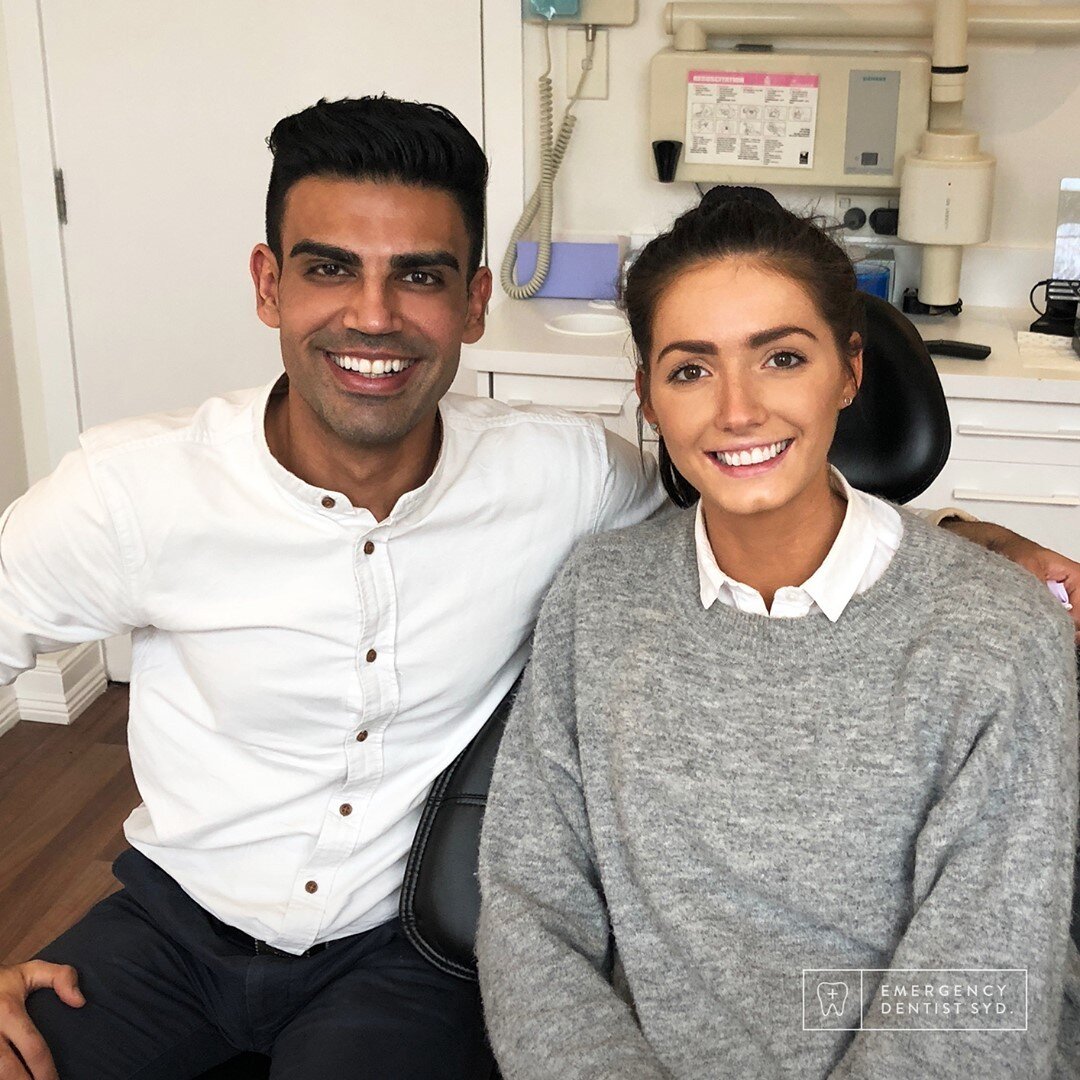




For 15 years, we've had one mission - when Sydney has a dental emergency, Emergency Dentist Sydney is there
We're proud to celebrate 15 years of providing emergency dental services to Sydney CBD and surrounding suburbs.